返回列表
🧠 阿头学 · 💬 讨论题

工作压缩法:少工作未必偷懒,可能是在逼出真正产出

这篇文章最有价值的判断是“长工时会稀释优先级”,但把“压缩工时”包装成近乎通用的生产力超能力,证据明显不够硬。
打开原文 ↗

2026-06-06 原文链接 ↗
阅读简报
双语对照
完整翻译
原文
讨论归档

核心观点

  • 长工时会掩盖低效 文章最站得住的部分是:当时间没有硬上限,人会默认很多低价值任务也值得做,会议、回复、研究和半成品项目都会膨胀,结果不是更高产,而是更忙。
  • 硬约束能逼出排序能力 作者强调“容器不会扩张”,这个判断是对的,因为只有当下班时间不可协商时,人和团队才会真正面对“哪些事必须做、哪些事可以砍、哪些事必须委派”。
  • 文章把专注体验夸大成普遍规律 文中把“感知重要性—心流—恢复”串成完整因果链,叙事很顺,但证据主要靠个案、概念拼装和方法论包装,离“普遍有效”差得很远。
  • 适用场景被故意缩窄却被写成通用答案 这套方法更适合高认知、可自主排序、可延迟响应的工作,如写作、研究、产品判断、战略思考;对客服、销售、管理协同、运维值守等高响应岗位,生搬硬套大概率出问题。
  • 真正有效的不是少工作,而是少做错事 文章表面卖的是“3小时规则”,底层真正有价值的是删事、授权、减少会议、拒绝伪忙碌;如果不做这些结构性动作,只靠机械压缩工时,结果更可能是延期和甩锅。

跟我们的关联

  • 对 ATou 意味着什么:如果你总在“忙但不推进”,问题大概率不是不够拼,而是容器太松。下一步可以先做一次 1 周工时审计,再试 20%-25% 的硬压缩实验,重点观察哪些任务其实可以砍掉。
  • 对 Neta 意味着什么:这篇文章提醒的是“高质量认知回合数”比总时长更关键。下一步可以把深度工作、浅层协作、恢复时间拆开设计,而不是把所有任务都塞进同一种工作模式。
  • 对 Uota 意味着什么:如果你负责协作或内容判断,这套方法能帮助识别“表演式忙碌”,但也会放大团队摩擦。下一步应用时要先区分哪些工作适合压缩,哪些工作必须保留响应带宽。
  • 对三者共同意味着什么:真正该讨论的不是“要不要更狠地少工作”,而是“组织和个人是否愿意为优先级负责”。下一步可以把“固定容器”用到周计划、项目排期和会议治理,而不是只用在个人作息上。

讨论引子

1. 哪些类型的工作,压缩工时会逼出高杠杆判断;哪些类型的工作,压缩工时只会制造额外风险? 2. 如果一个团队必须高响应、强协同,应该怎么改造“工作压缩法”,才不至于把成本转嫁给同事和客户? 3. 我们现在的低效,究竟主要来自工时过长,还是来自任务选择、授权能力和组织结构本身有问题?

真正压制你生产力的,恰恰是你允许自己拿来高效工作的时间长度。

如果你正咬牙熬着每天 10 小时,却还纳闷为什么总觉得自己像在原地打转,原因多半就在这里。

先讲个故事。

I. 那个连床都起不来的创业者

几年前,我有个朋友,正全力投入创业。

他把自己所有的人脉都用上了,包括亲密朋友和家人,拿到了数百万美元的风险投资。那时的他,正活在自己的创业梦想里。清晨开工,深夜收尾,周末也守着电脑。标准的创始人苦干模式。

然后有一天,他醒来后,竟然起不了床。

莱姆病。

从那之后,就是发烧、发冷和疲惫。全身酸痛。大脑像是散了架。以前几秒钟就能做出的简单决定,现在却要耗费巨大力气。工作记忆也像是被砍掉了一半。

想象一下,你正坐上一辆过山车,满心兴奋和期待,结果刚爬上第一段大坡的半路,车子猛地停住。再想象一下,他的朋友、家人和投资人也都跟他绑在同一辆车上,他们的积蓄压在他的肩上。

然后,这趟车就这么……停了。

突然之间,他肩上背着一群人生中最重要的人的回报责任,可自己却连床都很难爬起来。

他原本习惯每天工作 12 小时,因为在他看来,这是让公司跑起来、给投资人带来回报的必要代价。12 小时意味着生存。至少他一直这么相信。

可现在,他每天连 3 个小时都快撑不住了。这已经是被莱姆病折磨的身体和大脑所能承受的极限。

接着,奇怪的事发生了。

他发现,当自己只能这样每天工作 3 小时时,反而开始看得更清楚了。

那些以前看起来很重要的事,忽然变得明显没那么重要,甚至彻底无关紧要。

那些他一直以为只能自己做的事,现在发现其实可以交给别人。

那些因为习惯而参加的会议,现在不去也没什么后果。

那些他投入了大量时间的整块项目,如今一看,不过是分散注意力的东西,几乎没真正推动任何事情前进。

他开始用一种截然不同的方式,去做截然不同的事。

重要任务像荒漠夜里的一块霓虹牌,自己跳到他眼前。琐碎任务则退入虚无。

尽管工作时间减少了 75%,他完成的成果却比过去每天 12 小时还多。

公司没有停滞,反而加速了。

II. 帕金森定律的反面

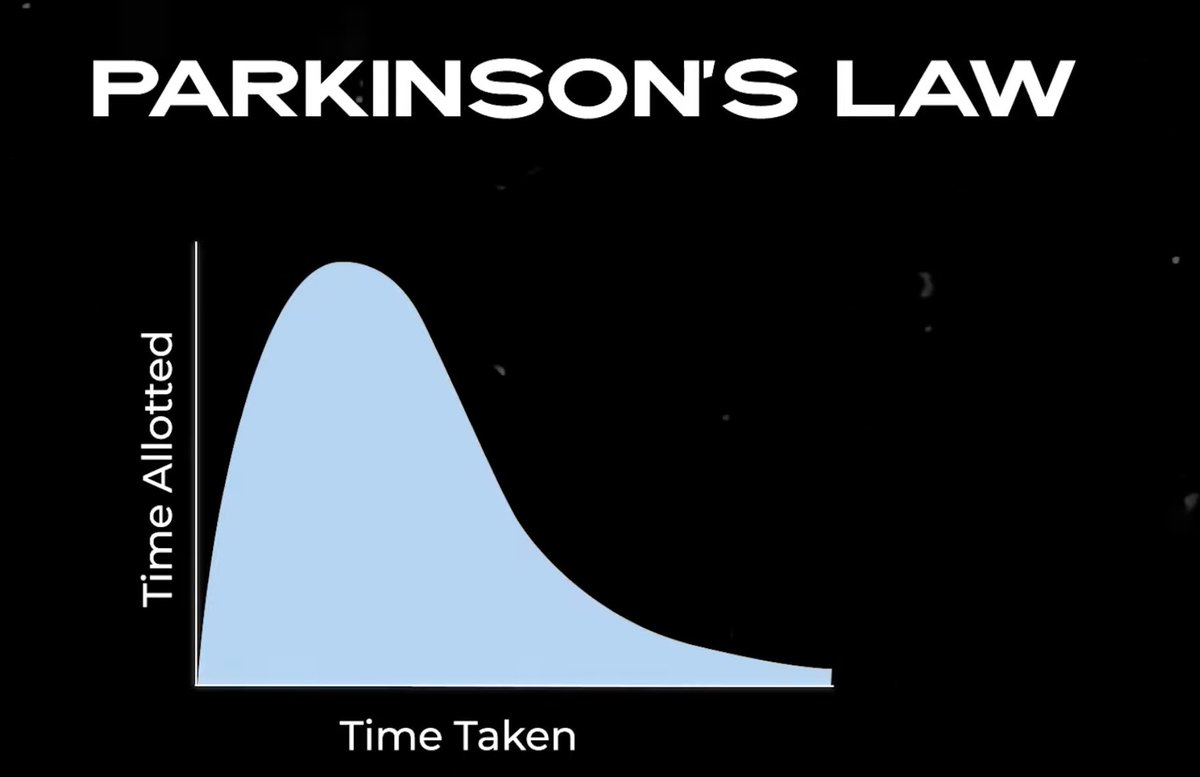
我朋友身上发生的事,其实是帕金森定律的反向版本。

你一定听过那句话,工作会膨胀到填满你给它的全部时间。

你给自己 8 小时写完一份报告,它就会花掉 8 小时。

你只给自己 3 小时,它就会在 3 小时里完成。

任务会随着你给它的容器变大或缩小。

反过来也成立。工作会收缩,去填满受限的时间。但前提是,这个限制必须是绝对的。

因为莱姆病,我朋友的工作被迫收缩到他仅有的可用空间里。而当工作收缩以后,剩下来的只有真正必要的部分。

还有一个违反直觉的研究结论:

增加工作时长,往往会让总产出下降。

不是单纯的边际回报递减,而是真正的负回报。

你以为自己更高效了,因为你在桌前坐得更久。

但当你的工作时长没有明确上限时,优先级判断就会变得模糊。

你会失去识别哪些事最能推动结果的能力,也就不知道自己到底该做什么。

你开始把每一项任务都当成同等重要,于是没有任何一项得到它应有的专注。

和大脑的直觉不同,生产力并不是线性的。

我们的大脑会默认,多花时间 = 更高生产力。

但真实的公式更像是:

每周有限的工作时数 = 被迫优先排序 = 成倍增加的产出。

而这一点,其实大家都知道。

身边那些极其成功的人,本身就是这件事的证明。

他们的生产力往往比同龄人和竞争者高出几千倍,但他们并没有多工作几千倍的时间。他们做不到。顶多也就是多工作一倍,所以我们知道,变量不可能是工时。真正的变量,完全是别的东西。

想创造巨大的产出,还需要别的能力。我的朋友就是被迫调动了这些能力,才推动了公司成功。

III. 感知重要性与心流的关系

我朋友当时获得的那种像是戴上高清生产力护目镜的体验,那种更敏锐地看清什么优先级最高的能力,在心理学研究里是有名字的。

它叫作 感知重要性

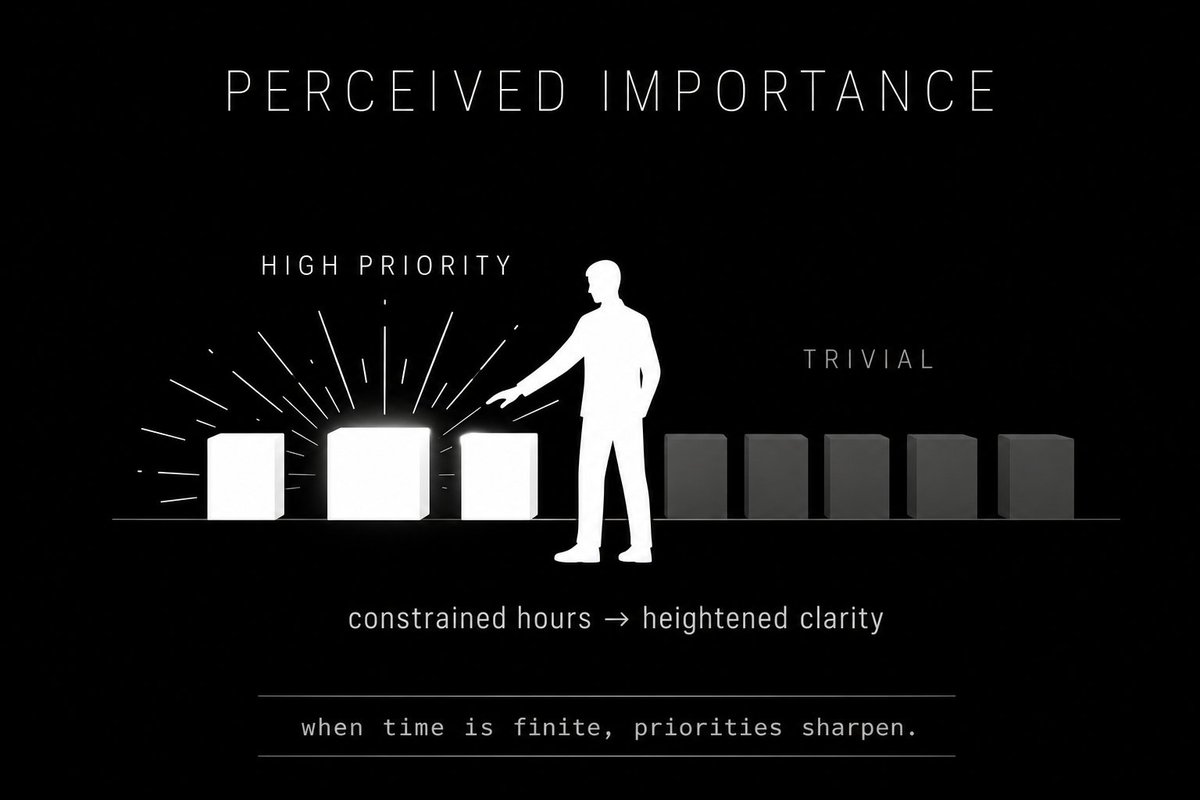
当你的工作时长有了固定上限,大脑会突然以惊人的清晰度,把关键任务和琐碎任务区分开来。就像把一台收音机从满是杂音,调到了信号通透。那些真正推动结果的事会变得格外明显,其余的一切都成了可以毫无负罪感忽略掉的噪声。

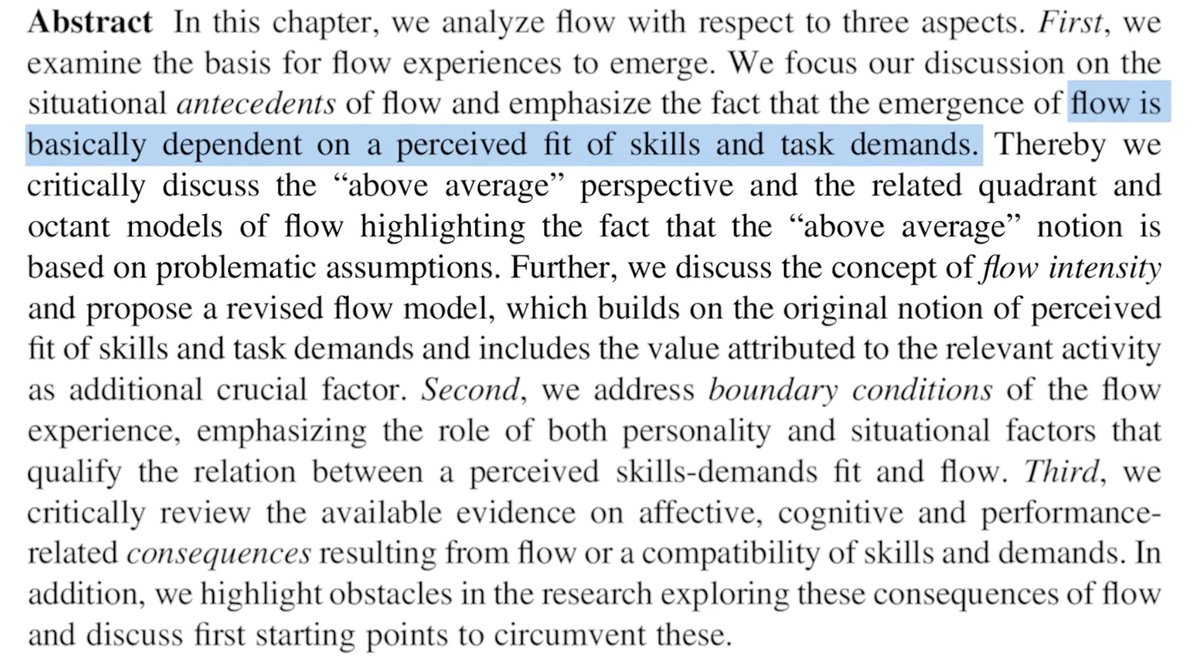
乌尔姆大学的 Barthelmäs 和 Keller 研究发现,更高的感知重要性不只是有助于排序优先级。

它还能增强心流状态的强度。

心流,就是那种你彻底沉浸在工作里的状态。时间感被扭曲。自我意识消失。表现达到峰值。

在这种状态里,3 小时的工作能做出平常 10 小时的效果,因为你的全部认知能力,都被导向了一件事。

研究显示,心流状态最多可以把生产力提升 500%。

而感知重要性,正是触发心流最强的因素之一。

你的感知重要性越高,也就是越清楚某项任务就是当前最高优先级,你的大脑就越会调动注意力网络,专注也会越深。进入心流会更容易,持续时间会更长。你会被工作吸进去,而不是还得强推自己靠近它。

但问题在于,如果不限制每周工作时长,几乎不可能把感知重要性拉到最高。

你得主动制造出我朋友当时被迫承受的那种限制。

挑战与技能的甜蜜区间

这里还有第二套机制在起作用。

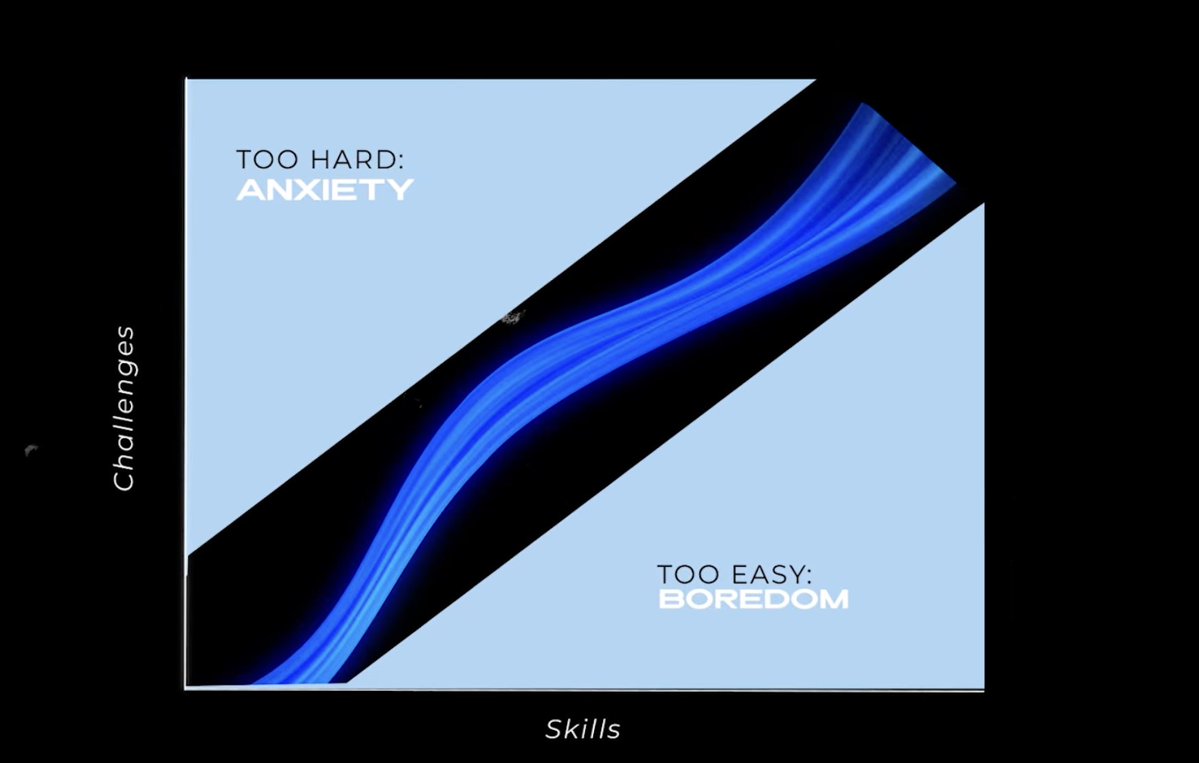
心流研究者发现,当任务挑战度大约比你当前技能水平高出 4% 时,心流最容易出现。太简单,你会无聊。太难,你会焦虑。那条窄窄的区间,就是甜蜜点。在那里,大脑会判断当前情境足够重要,于是愿意调动全部注意力资源。

当你压缩工作时长时,一天的挑战强度会自动抬高。你现在必须在更少的时间里做出同样的产出。这个要求和你过去在同样时段内所能做到的能力之间的差距,正好落在触发心流的范围里。限制本身就成了一种挑战,而你的大脑会通过调动心流来回应它。

没有上限的工作时长刚好相反。当你觉得自己有一整天可用时,挑战感会下降,因为根本没有时间压力。任务天然显得可控,于是大脑也没必要调用心流去应对。所以你会用 12 小时拖着 60% 的能力缓慢前进,而不是用 6 小时把能力拉满。

压缩会抬高挑战。挑战会把你推入心流的甜蜜点。心流则带着你穿过这段被压缩的工时,以一种过去在漫长工作日里根本调不出来的表现水平运转。

恢复效应

还有第三块,而且可能是最重要的一块。

心流在神经化学上代价很高。它会让你的大脑大量释放多巴胺、去甲肾上腺素、内啡肽、花生四烯乙醇胺和血清素。经历一次心流后,这些神经化学储备必须被重新补满。

这种补充只会发生在真正的恢复期里,也就是那些你不查邮件、不想工作、不处在那种介于休息和用力之间灰色地带的真实空档里。

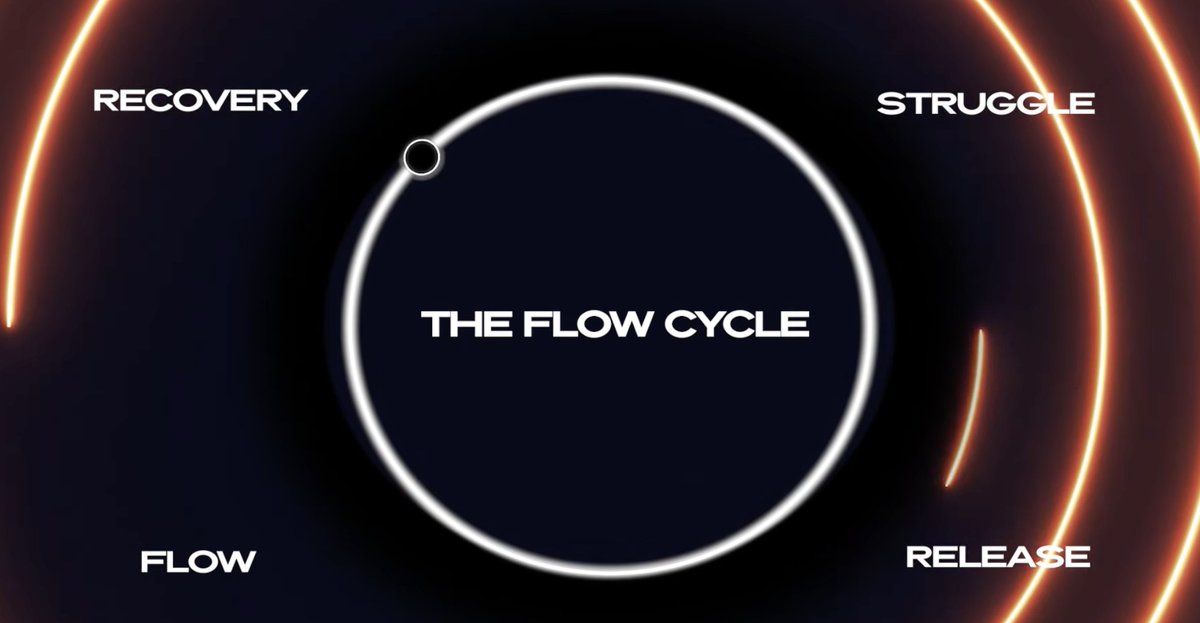
恢复其实是心流循环的第四阶段。没有恢复,你第二天就无法再次进入心流。因为你的大脑根本没有可用的神经化学资源。

当你每天工作 12 小时,你的下班时间几乎不存在。即使有一点恢复,也很浅,很仓促。

你的神经化学系统始终无法彻底归位,所以第二天的心流能力,还没开始工作就已经打了折。

你一早就像靠残油硬撑着开工,只能靠增加工时来补偿,而这又会继续侵蚀恢复,进一步削弱心流能力。这是一个披着努力外衣的下行螺旋。

压缩工作时长会带来一种无上限工时永远给不了你的东西,那就是真正而且足够长的空档,让你的神经系统完成重置。

心流今天消耗掉的那些神经化学资源,会在今晚和明天早晨被重新补满。所以等你第二天坐下时,进入深度专注和完全投入的能力正处于峰值。

这就是为什么我那位被迫每天只工作 3 小时的朋友,会进入一种完全不同的认知档位。短暂的工作窗口制造出强烈的感知重要性,触发心流。漫长的恢复窗口则补回神经化学资源,让第二天的心流成为可能。

这种压缩,实际上在一天天、一周周地持续制造出维持峰值表现所需的精确神经生物学条件。优先级判断变好,不过只是表面一层。

IV. 工作压缩是怎么运作的

所谓工作压缩,就是在一周里,给自己定下一个明确的工作总时数,而且这个数字要远低于你现在的工时。然后无论如何,绝对不能超过它。

一分都不能多,不管发生什么。

当你设下这条边界后,你就给所有任务造出了一个容器,逼自己把全部努力集中在这个固定的时间框架内。

在这种必要性之下,你会被迫培养那些能让生产力指数级放大的能力,而不是只靠线性增加工时。你的大脑别无选择,只能更擅长挑选正确的工作、安排更高效的顺序,并以完全专注的方式执行。因为时间不再是你可以随手往问题上继续砸的资源。

把它想成一局俄罗斯方块。

在俄罗斯方块里,核心就是把方块塞进那个受限而且不能移动的容器。你不能把容器变宽。你只能决定放哪些块,放在哪里,按什么顺序放。正是这个限制,让游戏之所以成为游戏。没有限制的话,俄罗斯方块就只是随便堆积木,根本不需要任何技巧。

你的工作周也该完全这样运转。你的任务,就是把所有重要的事,塞进你固定的时间容器里。

容器不会变大。所以你会被迫只放那些真正重要的块,用尽可能好的顺序去放,并且尽可能快地执行。

V. 操作方法

具体做法如下:

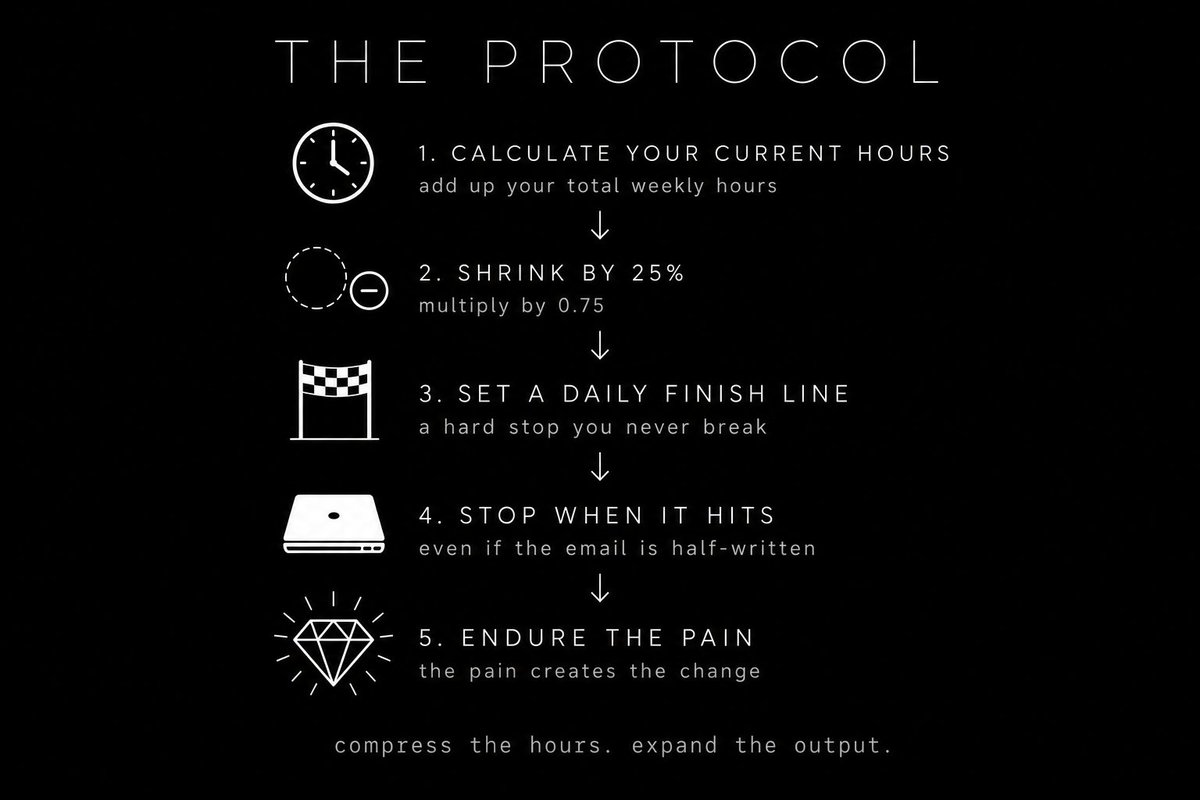
第一步:算出你现在的工时。

把你现在每周实际工作的总时数加起来。老实一点。把晚上 9 点那些顺手查邮件的时间也算进去。把周日下午开电脑那一段也算进去。把周六早上只是想抢跑一点点也算进去。把真实数字拿出来。就我接触过的大多数创业者来说,真实工时通常会比他们凭感觉估出来的高 20% 到 30%。

第二步:缩减 25%。

把这个数字乘以 0.75。这就是你新的每周上限。没有商量。

第三步:设定每天的终点线。

把新的上限除以你每周工作的天数。然后给每天设定一个硬性收工时间,绝不允许超过。

举个例子。假设你现在每周工作 60 小时,那就强行降到 45 小时。如果你每周工作 5 天,那就是每天 9 小时。假设早上 9 点开始,那你的终点线就是晚上 6 点。

如果你现在每周工作 50 小时,那就降到 37.5 小时。也就是每天 7.5 小时。早上 8 点半开始,下午 4 点结束。

第四步:时间一到就停。

一旦到了终点线,立刻停下。哪怕邮件只写到一半。哪怕任务已经完成了 90%。哪怕客户正在等。把电脑合上。人离开。容器不会扩张。

第五步:把这份痛扛过去。

真正的适应,就发生在这里。前几周会很难熬。截止日期会滑掉。结果会变差。你会觉得自己不负责任。会觉得自己落后了。过了终点线后,你会特别想再看一眼,再补一下。这正是这个强制机制在发挥作用。未完成工作的痛感,正是逼你的大脑开始适应、开始更好地排序优先级、开始清除琐事、开始在第二天早晨提速的力量来源。

一开始,先拿出一天来试,赌这一把。然后拉到完整一周。再到两周。一旦大脑意识到这个限制是真实而且长期存在的,适应就会迅速叠加。

VI. 为什么它必须让你难受

这个方法之所以有效,前提是即便工作还没做完,你也必须在固定时间停下。

否则,你真正需要的那些转变,也就是我那个得了莱姆病的朋友被迫发生的那些转变,根本不会被激活。如果容器还能扩张,大脑就没有任何理由学着把事情更好地塞进去。

未完成工作的痛感,就是那个机制本身。

我第一次试这个方法,是在扩张一家 8 位数收入的公司时。

两天后,我的闹钟在一封邮件写到一半时响了。我的每个本能都在尖叫,叫我再花 15 分钟把它写完。我已经看得到邮件的结尾了。收件人在等。再多花 15 分钟,看起来既理性、也负责、也必要。

可我还是把电脑合上了。

那感觉愚蠢到极点,也不负责任到极点。邮件停在半截。收件人第二天早上才会看到,比答应的时间晚了好几个小时。有一部分自己甚至觉得,这就是在自毁。

但第二天早上,因为知道一到收工线电脑就会被关上,我对这一天以及该怎么排优先级,思路完全变了。我把风险最高、最重要的工作提前处理了。我砍掉了一个没必要参加的会。我写东西更快,因为我知道时钟是真的。我用 30 分钟做掉了 3 个本来拖了一整周的决定,因为已经没有时间继续拖了。

如果我那次破了规矩,我的大脑就不会被逼进死角。它不会去搜寻那些不依赖额外时间、却能提高产出的资源。它只会继续照老样子来,在过长的工时里摊开平庸的努力。

正是痛感制造了改变。

第一周会很难看

当一切开始乱套时,不要慌。

你会错过截止日期。可能会惹上麻烦。结果会变差。你会怀疑这到底值不值。

没关系。

这就像刚换一套新的训练计划时,身体先剧烈酸痛,然后体能才开始提升。酸痛本身,就是适应正在发生的证据。感知重要性的训练也是一样。

一开始,你必须先扛住产出下降的痛,之后大脑才会开始以压缩工时所要求的那种清晰度和强度运转。

没有这个限制,你就永远学不会怎样把工作的俄罗斯方块,准确塞进固定工作日这个俄罗斯方块容器里。

VII. 当你真的投入后,会发生什么

试试看。

把你的工作周缩短 25%。设定一个明确的收工线。绝不允许自己超过它。

如果一下子全做感觉太陡,就先从一天开始。然后拉长到整整一周。再到两周。

你大概会在前十天内发现,大脑开始接手过去那些本来由工时在承担的工作。它会变得极其冷酷地分诊。

它会迅速识别出那一个真正能推动全局的任务,然后死死咬住它,进入一种你几个月没体验过的专注。它会扔掉那些只是看起来很忙、过去却总能填满下午的表演式工作。它会找到办法,把你之前花好几个小时处理的事交出去、自动化掉,或者干脆忽略不管。

而且,因为你的晚上现在真的空出来了,因为你不再一路半工作到晚上 10 点,你的神经系统会真正恢复。你会睡得更好。早上醒来会更利索。

第二天早晨那几个专注工作小时,会变成一种完全不同的认知体验,和你以前在前一天 12 小时之后,拖着疲惫和混沌硬熬出来的状态完全不是一回事。

你还会注意到一个更细微的变化,思考质量变了。当大脑知道时间有限时,它就不再放任自己沿着岔路乱跑。

它不会再钻进那些打着研究名义、其实只是高级拖延的兔子洞里。

它会变得节省。精准。你开始真正把事情做完,而不是永远只把它推进 10%。

这句口号很简单,把工时封顶,让产出翻倍。

这件事会和你所有直觉对着干。你的每个本能都会告诉你,在已经落后的情况下还少工作,简直疯了。可也正是同样的本能,让我那个朋友被锁在每天 12 小时里,产出却始终不涨。

莱姆病是被动把限制塞给了他。你可以主动把这个限制交给自己。

压缩你的工时。逼大脑调动感知重要性,更容易进入心流,并在每天之间充分恢复。

容器不会扩张。你会越来越擅长把它填满。

The very thing suppressing your productivity is the number of hours you're allowing yourself to be productive.

真正压制你生产力的,恰恰是你允许自己拿来高效工作的时间长度。

And if you're grinding through 10-hour days, wondering why you feel like you're running in place, this is probably why.

如果你正咬牙熬着每天 10 小时,却还纳闷为什么总觉得自己像在原地打转,原因多半就在这里。

Let me tell you a story.

先讲个故事。

I. The Founder Who Couldn't Get Out of Bed

I. 那个连床都起不来的创业者

A few years back, a friend of mine was all-in building his startup.

几年前,我有个朋友,正全力投入创业。

He'd tapped his entire network, including close friends and family, and secured millions in venture capital funding. He was living his entrepreneurial dream. Early mornings, late nights, weekends at his laptop. The full founder grind.

他把自己所有的人脉都用上了,包括亲密朋友和家人,拿到了数百万美元的风险投资。那时的他,正活在自己的创业梦想里。清晨开工,深夜收尾,周末也守着电脑。标准的创始人苦干模式。

And then one day, he woke up, and couldn't get out of bed.

然后有一天,他醒来后,竟然起不了床。

Lyme disease.

莱姆病。

From there on, it was fever, chills, and fatigue. His body ached all over. His brain broke down. Simple decisions that used to take seconds now required enormous effort. His working memory felt like it had shrunk by half.

从那之后,就是发烧、发冷和疲惫。全身酸痛。大脑像是散了架。以前几秒钟就能做出的简单决定,现在却要耗费巨大力气。工作记忆也像是被砍掉了一半。

Imagine strapping into a rollercoaster, full of thrill and anticipation, only to jerk to a halt midway up the first big climb. Imagine the faces of his friends, family, and investors, strapped in with him, their savings riding on his shoulders.

想象一下,你正坐上一辆过山车,满心兴奋和期待,结果刚爬上第一段大坡的半路,车子猛地停住。再想象一下,他的朋友、家人和投资人也都跟他绑在同一辆车上,他们的积蓄压在他的肩上。

And then the ride just... stops.

然后,这趟车就这么……停了。

All of a sudden, he was on the hook to get a return for all the most important people in his life, but could barely get out of bed.

突然之间,他肩上背着一群人生中最重要的人的回报责任,可自己却连床都很难爬起来。

He was used to working 12-hour days, which felt like a necessity to get his company to work and provide a return for his investors. Twelve hours felt like survival. Or so he believed.

他原本习惯每天工作 12 小时,因为在他看来,这是让公司跑起来、给投资人带来回报的必要代价。12 小时意味着生存。至少他一直这么相信。

But now, he could barely manage three hours per day. That's all his Lyme-riddled body and brain could tolerate.

可现在,他每天连 3 个小时都快撑不住了。这已经是被莱姆病折磨的身体和大脑所能承受的极限。

Then something strange happened.

接着,奇怪的事发生了。

He noticed that as he was doing these three-hour days, he started seeing more clearly.

他发现,当自己只能这样每天工作 3 小时时,反而开始看得更清楚了。

Things that previously seemed important became obviously less important or even completely irrelevant.

那些以前看起来很重要的事,忽然变得明显没那么重要,甚至彻底无关紧要。

Things he thought only he could do, he now realized he could pass off to others.

那些他一直以为只能自己做的事,现在发现其实可以交给别人。

Meetings he attended out of habit, he now skipped without consequence.

那些因为习惯而参加的会议,现在不去也没什么后果。

Entire projects he'd been pouring hours into, he now recognized as distractions that barely moved anything forward.

那些他投入了大量时间的整块项目,如今一看,不过是分散注意力的东西,几乎没真正推动任何事情前进。

He was working in a dramatically different way on dramatically different things.

他开始用一种截然不同的方式,去做截然不同的事。

The important tasks popped out at him like a neon sign in a desert night. The trivial ones faded into oblivion.

重要任务像荒漠夜里的一块霓虹牌,自己跳到他眼前。琐碎任务则退入虚无。

And despite working 75% less, he accomplished more than his 12-hour days ever produced.

尽管工作时间减少了 75%,他完成的成果却比过去每天 12 小时还多。

His company didn't stall. It accelerated.

公司没有停滞,反而加速了。

II. The Inverse of Parkinson's Law

II. 帕金森定律的反面

What happened with my friend is the inverse version of Parkinson's Law.

我朋友身上发生的事,其实是帕金森定律的反向版本。

You've heard that work expands to fill the time available for it.

你一定听过那句话,工作会膨胀到填满你给它的全部时间。

Give yourself eight hours to finish a report and it'll take eight.

你给自己 8 小时写完一份报告,它就会花掉 8 小时。

Give yourself three and it'll take three.

你只给自己 3 小时,它就会在 3 小时里完成。

The task balloons or contracts based on the container you give it.

任务会随着你给它的容器变大或缩小。

The reverse is also true: work contracts to fill limited time. But only when the constraint is absolute.

反过来也成立。工作会收缩,去填满受限的时间。但前提是,这个限制必须是绝对的。

Due to Lyme disease, my friend's work contracted to fill the space available for it. And when it contracted, only the essential remained.

因为莱姆病,我朋友的工作被迫收缩到他仅有的可用空间里。而当工作收缩以后,剩下来的只有真正必要的部分。

And the counterintuitive part of the research:

还有一个违反直觉的研究结论:

Working additional hours often leads to decreased total output.

增加工作时长,往往会让总产出下降。

Not just diminishing returns. Actual negative returns.

不是单纯的边际回报递减,而是真正的负回报。

You think you're being more productive because you're spending more time at your desk.

你以为自己更高效了,因为你在桌前坐得更久。

But when your working hours are open-ended, prioritization blurs.

但当你的工作时长没有明确上限时,优先级判断就会变得模糊。

You lose the ability to identify what will most drive results, and therefore what you should work on.

你会失去识别哪些事最能推动结果的能力,也就不知道自己到底该做什么。

You start treating every task as equally important, which means none of them get the focus they deserve.

你开始把每一项任务都当成同等重要,于是没有任何一项得到它应有的专注。

Despite what our brains intuit, productivity isn't linear.

和大脑的直觉不同,生产力并不是线性的。

Our brains assume: More hours = more productivity.

我们的大脑会默认,多花时间 = 更高生产力。

But the actual equation looks more like:

但真实的公式更像是:

A limited number of hours per week = forced prioritization = exponentially more output.

每周有限的工作时数 = 被迫优先排序 = 成倍增加的产出。

And we know this.

而这一点,其实大家都知道。

The wildly successful people among us are a testament to this.

身边那些极其成功的人,本身就是这件事的证明。

They're often thousands of times more productive than their peers and competitors, but they don't work thousands more hours. They couldn't. They can only work double at most, so we know hours can't be the variable. The variable is something else entirely.

他们的生产力往往比同龄人和竞争者高出几千倍,但他们并没有多工作几千倍的时间。他们做不到。顶多也就是多工作一倍,所以我们知道,变量不可能是工时。真正的变量,完全是别的东西。

There are other skills required to produce immense output. Skills that my friend was forced to tap into that drove the success of his company.

想创造巨大的产出,还需要别的能力。我的朋友就是被迫调动了这些能力,才推动了公司成功。

III. Perceived Importance and the Flow Connection

III. 感知重要性与心流的关系

The "HD productivity goggles" my friend experienced, that heightened ability to see what's highest priority, has a name in psychology research.

我朋友当时获得的那种像是戴上高清生产力护目镜的体验,那种更敏锐地看清什么优先级最高的能力,在心理学研究里是有名字的。

It's called perceived importance.

它叫作 感知重要性

When your work hours have a fixed upper limit, your brain suddenly distinguishes crucial tasks from trivial ones with startling clarity. Like tuning a radio from static to crystal-clear signal. The things that actually drive results become obvious, and everything else becomes noise you can ignore without guilt.

当你的工作时长有了固定上限,大脑会突然以惊人的清晰度,把关键任务和琐碎任务区分开来。就像把一台收音机从满是杂音,调到了信号通透。那些真正推动结果的事会变得格外明显,其余的一切都成了可以毫无负罪感忽略掉的噪声。

Research from Barthelmäs and Keller at Ulm University found that having higher perceived importance doesn't just help prioritization.

乌尔姆大学的 Barthelmäs 和 Keller 研究发现,更高的感知重要性不只是有助于排序优先级。

It drives flow state intensity.

它还能增强心流状态的强度。

Flow is that state where you're completely absorbed in work. Time distorts. Self-consciousness disappears. Performance peaks.

心流,就是那种你彻底沉浸在工作里的状态。时间感被扭曲。自我意识消失。表现达到峰值。

It's the state where three hours of work produce what normally takes ten, because every ounce of your cognitive capacity is channeled into one thing.

在这种状态里,3 小时的工作能做出平常 10 小时的效果,因为你的全部认知能力,都被导向了一件事。

Research shows flow states can boost productivity up to 500%.

研究显示,心流状态最多可以把生产力提升 500%。

And perceived importance is one of its most potent triggers.

而感知重要性,正是触发心流最强的因素之一。

The higher your perceived importance (the clarity that a given task is the highest priority), the more your brain recruits attentional networks, and the deeper your focus becomes. Flow entry becomes easier. Duration increases. You get pulled into the work instead of having to push yourself toward it.

你的感知重要性越高,也就是越清楚某项任务就是当前最高优先级,你的大脑就越会调动注意力网络,专注也会越深。进入心流会更容易,持续时间会更长。你会被工作吸进去,而不是还得强推自己靠近它。

But the catch is this: it's almost impossible to maximize perceived importance without limiting the number of work hours per week.

但问题在于,如果不限制每周工作时长,几乎不可能把感知重要性拉到最高。

You have to voluntarily create the constraint my friend experienced involuntarily.

你得主动制造出我朋友当时被迫承受的那种限制。

The Challenge-Skills Sweet Spot

挑战与技能的甜蜜区间

There's a second mechanism at play.

这里还有第二套机制在起作用。

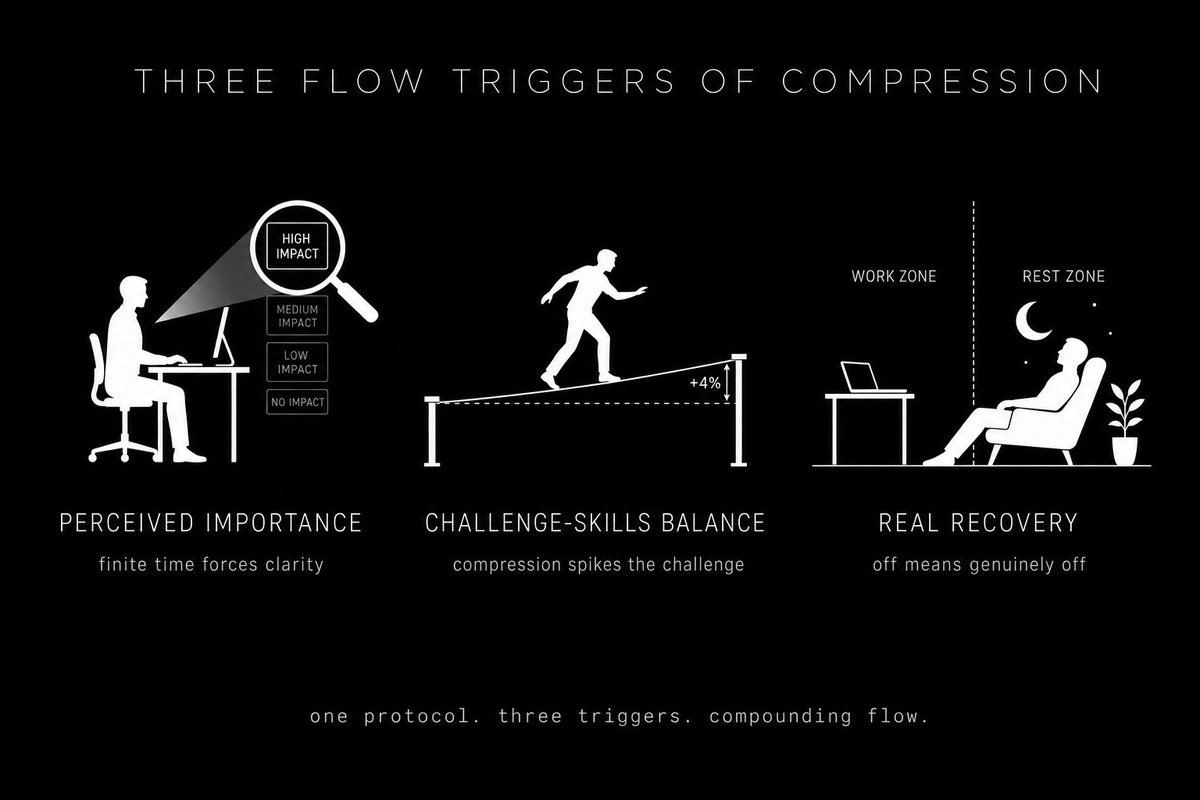
Flow researchers have identified that flow occurs when the challenge of a task sits roughly 4% above your current skill level. Too easy and you get bored. Too hard and you get anxious. That narrow band is the sweet spot where your brain decides the situation is important enough to deploy its full attentional resources.

心流研究者发现,当任务挑战度大约比你当前技能水平高出 4% 时,心流最容易出现。太简单,你会无聊。太难,你会焦虑。那条窄窄的区间,就是甜蜜点。在那里,大脑会判断当前情境足够重要,于是愿意调动全部注意力资源。

When you compress your work hours, the challenge level of your day automatically spikes. You now have to accomplish the same output in fewer hours. That gap between what's demanded of you and what you've previously been capable of in that timeframe sits right in the flow-triggering range. The constraint itself becomes a challenge that your brain responds to by recruiting flow.

当你压缩工作时长时,一天的挑战强度会自动抬高。你现在必须在更少的时间里做出同样的产出。这个要求和你过去在同样时段内所能做到的能力之间的差距,正好落在触发心流的范围里。限制本身就成了一种挑战,而你的大脑会通过调动心流来回应它。

Open-ended hours do the opposite. When you have "all day," the challenge drops because there's no time pressure. The task feels manageable by default, which means your brain doesn't need to recruit flow to meet it. So you plod through at 60% capacity for twelve hours instead of operating at full capacity for six.

没有上限的工作时长刚好相反。当你觉得自己有一整天可用时,挑战感会下降,因为根本没有时间压力。任务天然显得可控,于是大脑也没必要调用心流去应对。所以你会用 12 小时拖着 60% 的能力缓慢前进,而不是用 6 小时把能力拉满。

Compression spikes the challenge. The challenge tunes the flow sweet spot. And flow carries you through the compressed hours at a level of performance you couldn't access when the day stretched endlessly ahead of you.

压缩会抬高挑战。挑战会把你推入心流的甜蜜点。心流则带着你穿过这段被压缩的工时,以一种过去在漫长工作日里根本调不出来的表现水平运转。

The Recovery Effect

恢复效应

There's a third piece, and it might be the most important one.

还有第三块,而且可能是最重要的一块。

Flow is neurochemically expensive. It floods your brain with dopamine, norepinephrine, endorphins, anandamide, and serotonin. After a flow state, those neurochemical reservoirs need to be replenished.

心流在神经化学上代价很高。它会让你的大脑大量释放多巴胺、去甲肾上腺素、内啡肽、花生四烯乙醇胺和血清素。经历一次心流后,这些神经化学储备必须被重新补满。

That replenishment happens during genuine recovery, during real off-hours where you're not checking email, not thinking about work, not half-engaged in some gray zone between rest and effort.

这种补充只会发生在真正的恢复期里,也就是那些你不查邮件、不想工作、不处在那种介于休息和用力之间灰色地带的真实空档里。

Recovery is actually the fourth stage of the flow cycle. Without it, you cannot re-enter flow the following day. Your brain simply doesn't have the neurochemical resources available.

恢复其实是心流循环的第四阶段。没有恢复,你第二天就无法再次进入心流。因为你的大脑根本没有可用的神经化学资源。

When you work 12-hour days, your off-hours barely exist. Whatever recovery you get is shallow and rushed.

当你每天工作 12 小时,你的下班时间几乎不存在。即使有一点恢复,也很浅,很仓促。

Your neurochemistry never fully resets, which means tomorrow's flow capacity is diminished before you even sit down.

你的神经化学系统始终无法彻底归位,所以第二天的心流能力,还没开始工作就已经打了折。

You start the day already running on fumes, and you compensate by adding more hours, which further erodes recovery, which further diminishes flow capacity. It's a downward spiral disguised as hard work.

你一早就像靠残油硬撑着开工,只能靠增加工时来补偿,而这又会继续侵蚀恢复,进一步削弱心流能力。这是一个披着努力外衣的下行螺旋。

Compressed work hours create something open-ended hours never do: genuine, extended off-hours where your nervous system actually resets.

压缩工作时长会带来一种无上限工时永远给不了你的东西,那就是真正而且足够长的空档,让你的神经系统完成重置。

The neurochemistry that flow consumed today gets replenished tonight and tomorrow morning. So when you sit down the next day, your capacity for deep, absorbed focus is at its peak.

心流今天消耗掉的那些神经化学资源,会在今晚和明天早晨被重新补满。所以等你第二天坐下时,进入深度专注和完全投入的能力正处于峰值。

This is why my friend, forced into three-hour days, found himself in a different cognitive gear entirely. His short work windows created intense perceived importance (triggering flow), and his long recovery windows refueled the neurochemistry that made tomorrow's flow possible.

这就是为什么我那位被迫每天只工作 3 小时的朋友,会进入一种完全不同的认知档位。短暂的工作窗口制造出强烈的感知重要性,触发心流。漫长的恢复窗口则补回神经化学资源,让第二天的心流成为可能。

The compression was creating the exact neurobiological conditions for sustained peak performance across days and weeks. Better prioritization was just the surface layer.

这种压缩,实际上在一天天、一周周地持续制造出维持峰值表现所需的精确神经生物学条件。优先级判断变好,不过只是表面一层。

IV. How Work Compression Works

IV. 工作压缩是怎么运作的

Work compression means picking a specific number of hours you're going to work in a given week that is much less than you currently work, and never, ever, no matter what, working over that amount.

所谓工作压缩,就是在一周里,给自己定下一个明确的工作总时数,而且这个数字要远低于你现在的工时。然后无论如何,绝对不能超过它。

Not a minute more, no matter the circumstances.

一分都不能多,不管发生什么。

By setting this boundary, you create a container for all your tasks, forcing you to concentrate your efforts within that fixed time frame.

当你设下这条边界后,你就给所有任务造出了一个容器,逼自己把全部努力集中在这个固定的时间框架内。

Out of necessity, you're forced to develop the skills you need to amplify your productivity exponentially instead of linearly. Your brain has no choice but to get better at selecting the right work, sequencing it efficiently, and executing it with full focus. Because time is no longer a resource you can throw at the problem.

在这种必要性之下,你会被迫培养那些能让生产力指数级放大的能力,而不是只靠线性增加工时。你的大脑别无选择,只能更擅长挑选正确的工作、安排更高效的顺序,并以完全专注的方式执行。因为时间不再是你可以随手往问题上继续砸的资源。

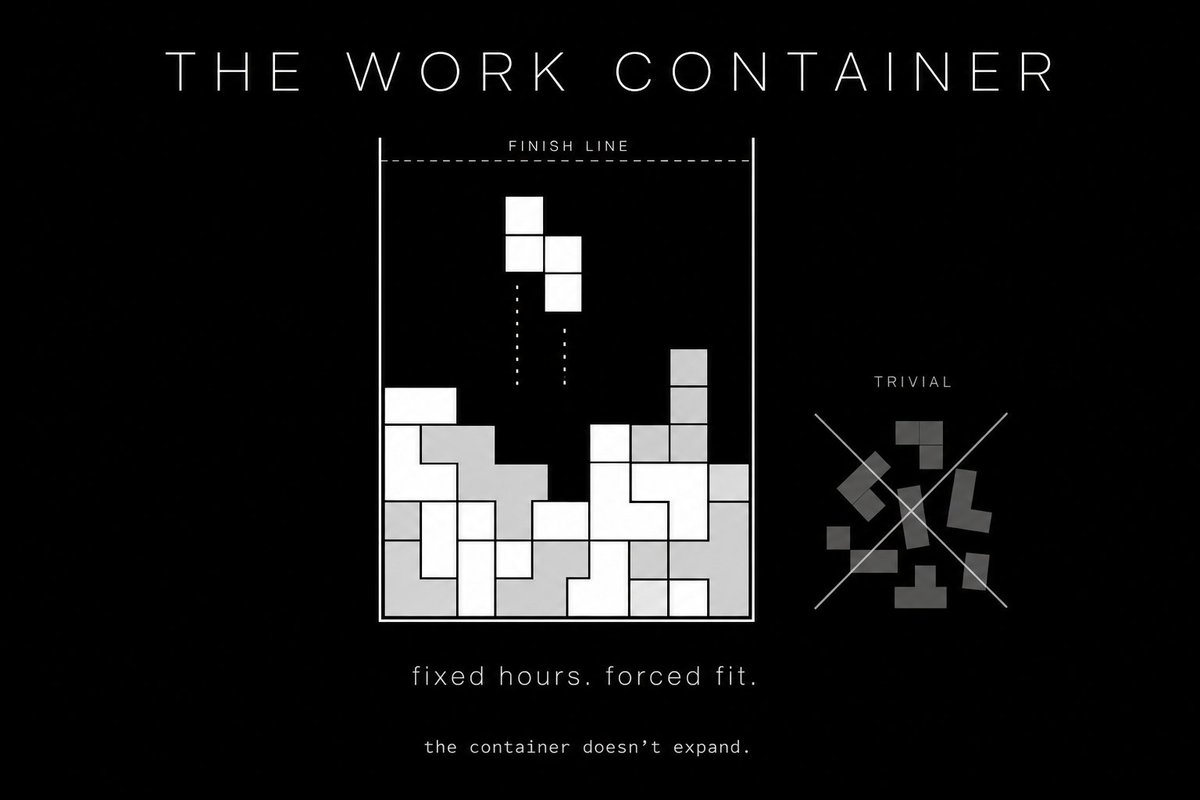
Think of it like a Tetris game.

把它想成一局俄罗斯方块。

In Tetris, the whole point is to fit the blocks into the constrained and immovable container. You can't make the container wider. You can only choose which pieces to place, where to place them, and in what sequence. The constraint is what makes the game a game. Without it, Tetris would just be stacking blocks with no skill required.

在俄罗斯方块里,核心就是把方块塞进那个受限而且不能移动的容器。你不能把容器变宽。你只能决定放哪些块,放在哪里,按什么顺序放。正是这个限制,让游戏之所以成为游戏。没有限制的话,俄罗斯方块就只是随便堆积木,根本不需要任何技巧。

Your workweek should function in the exact same way. Your job is to fit everything important within your fixed time container.

你的工作周也该完全这样运转。你的任务,就是把所有重要的事,塞进你固定的时间容器里。

The container doesn't expand. So you're forced to only place pieces that actually matter, in the best possible sequence, and execute them as rapidly as possible.

容器不会变大。所以你会被迫只放那些真正重要的块,用尽可能好的顺序去放,并且尽可能快地执行。

V. The Protocol

V. 操作方法

Here's how to do this:

具体做法如下:

Step 1: Calculate Your Current Hours.

第一步:算出你现在的工时。

Add up the total hours you currently work per week. Be honest. Include the "quick email checks" at 9pm. Include the Sunday afternoon laptop session. The Saturday morning "just getting ahead." Get the real number. For most entrepreneurs I work with, the real number is 20-30% higher than what they'd guess off the top of their head.

把你现在每周实际工作的总时数加起来。老实一点。把晚上 9 点那些顺手查邮件的时间也算进去。把周日下午开电脑那一段也算进去。把周六早上只是想抢跑一点点也算进去。把真实数字拿出来。就我接触过的大多数创业者来说,真实工时通常会比他们凭感觉估出来的高 20% 到 30%。

Step 2: Shrink by 25%.

第二步:缩减 25%。

Multiply that number by 0.75. This is your new weekly cap. Non-negotiable.

把这个数字乘以 0.75。这就是你新的每周上限。没有商量。

Step 3: Set a Daily Finish Line.

第三步:设定每天的终点线。

Divide your new cap by the number of days you work. Set a hard stop time each day that you are never allowed to work past.

把新的上限除以你每周工作的天数。然后给每天设定一个硬性收工时间,绝不允许超过。

As an example: say you currently work 60 hours a week. You force yourself down to 45. If you work five days a week, that's a nine-hour day. If you start at 9am, your finish line is 6pm.

举个例子。假设你现在每周工作 60 小时,那就强行降到 45 小时。如果你每周工作 5 天,那就是每天 9 小时。假设早上 9 点开始,那你的终点线就是晚上 6 点。

If you currently work 50, you're down to 37.5. That's 7.5 hours per day. Start at 8:30, stop at 4pm.

如果你现在每周工作 50 小时,那就降到 37.5 小时。也就是每天 7.5 小时。早上 8 点半开始,下午 4 点结束。

Step 4: Stop When the Clock Hits.

第四步:时间一到就停。

When your finish line arrives, stop. Even if the email is half-written. Even if the task is 90% done. Even if a client is waiting. Close the laptop. Walk away. The container doesn't expand.

一旦到了终点线,立刻停下。哪怕邮件只写到一半。哪怕任务已经完成了 90%。哪怕客户正在等。把电脑合上。人离开。容器不会扩张。

Step 5: Endure the Pain.

第五步:把这份痛扛过去。

This is where the real adaptation happens. The first few weeks will be rough. Deadlines will slip. Results will suffer. You'll feel irresponsible. You'll feel behind. You'll want to "just check one more thing" after your finish line. That's the forcing function doing its job. The pain of unfinished work is precisely what forces your brain to adapt, to prioritize better, eliminate the trivial, and work faster the next morning.

真正的适应,就发生在这里。前几周会很难熬。截止日期会滑掉。结果会变差。你会觉得自己不负责任。会觉得自己落后了。过了终点线后,你会特别想再看一眼,再补一下。这正是这个强制机制在发挥作用。未完成工作的痛感,正是逼你的大脑开始适应、开始更好地排序优先级、开始清除琐事、开始在第二天早晨提速的力量来源。

Take the leap of faith for a single day to start. Then work up to a full week. Then two weeks. The adaptation compounds rapidly once your brain realizes the constraint is real and permanent.

一开始,先拿出一天来试,赌这一把。然后拉到完整一周。再到两周。一旦大脑意识到这个限制是真实而且长期存在的,适应就会迅速叠加。

VI. Why It Has to Hurt

VI. 为什么它必须让你难受

This protocol will only work if you stop at your fixed time even when work isn't done.

这个方法之所以有效,前提是即便工作还没做完,你也必须在固定时间停下。

Otherwise, the shifts you need (the same shifts my friend with Lyme disease was forced into) will never be activated. If the container can expand, your brain has no reason to get better at fitting things inside it.

否则,你真正需要的那些转变,也就是我那个得了莱姆病的朋友被迫发生的那些转变,根本不会被激活。如果容器还能扩张,大脑就没有任何理由学着把事情更好地塞进去。

The pain of unfinished work is the mechanism.

未完成工作的痛感,就是那个机制本身。

I first tried this while scaling an 8-figure business.

我第一次试这个方法,是在扩张一家 8 位数收入的公司时。

My alarm went off mid-email two days in. Every instinct screamed to take 15 more minutes and finish. I could see the end of the email. The recipient was waiting. Taking 15 more minutes seemed rational, responsible, necessary.

两天后,我的闹钟在一封邮件写到一半时响了。我的每个本能都在尖叫,叫我再花 15 分钟把它写完。我已经看得到邮件的结尾了。收件人在等。再多花 15 分钟,看起来既理性、也负责、也必要。

I closed my laptop anyway.

可我还是把电脑合上了。

It felt utterly stupid and irresponsible. The email sat half-finished. The recipient would see it the next morning, hours later than promised. Part of me was convinced I was sabotaging myself.

那感觉愚蠢到极点,也不负责任到极点。邮件停在半截。收件人第二天早上才会看到,比答应的时间晚了好几个小时。有一部分自己甚至觉得,这就是在自毁。

But the following morning, knowing my laptop was going to get closed the second I hit my work finish line, I found myself thinking completely differently about my day and what I would prioritize within it. I front-loaded the highest-stakes work. I cut a meeting I didn't need to be in. I wrote faster because I knew the clock was real. I made three decisions in thirty minutes that I'd been stalling on for a week, because there was no longer time to stall.

但第二天早上,因为知道一到收工线电脑就会被关上,我对这一天以及该怎么排优先级,思路完全变了。我把风险最高、最重要的工作提前处理了。我砍掉了一个没必要参加的会。我写东西更快,因为我知道时钟是真的。我用 30 分钟做掉了 3 个本来拖了一整周的决定,因为已经没有时间继续拖了。

If I'd broken my rule, my brain wouldn't have been forced into a corner. It wouldn't have searched for non-time-based resources to increase my output. It would have just done what it always did: spread mediocre effort across too many hours.

如果我那次破了规矩,我的大脑就不会被逼进死角。它不会去搜寻那些不依赖额外时间、却能提高产出的资源。它只会继续照老样子来,在过长的工时里摊开平庸的努力。

The pain created the change.

正是痛感制造了改变。

The First Week Will Be Ugly

第一周会很难看

Don't be alarmed when everything goes sideways.

当一切开始乱套时,不要慌。

You'll miss deadlines. You might get in trouble. Results will suffer. You'll question whether this is worth it.

你会错过截止日期。可能会惹上麻烦。结果会变差。你会怀疑这到底值不值。

That's fine.

没关系。

It's the equivalent of feeling extremely sore on a new workout plan before the heightened fitness emerges. The soreness is evidence that adaptation is occurring. Same with training perceived importance.

这就像刚换一套新的训练计划时,身体先剧烈酸痛,然后体能才开始提升。酸痛本身,就是适应正在发生的证据。感知重要性的训练也是一样。

First, you have to bear the pain of decreased output, and only after that will your brain start operating with the clarity and intensity that compressed hours demand.

一开始,你必须先扛住产出下降的痛,之后大脑才会开始以压缩工时所要求的那种清晰度和强度运转。

Without the constraint, you will not improve at fitting the Tetris blocks of your work tasks into the Tetris container of your fixed working day.

没有这个限制,你就永远学不会怎样把工作的俄罗斯方块,准确塞进固定工作日这个俄罗斯方块容器里。

VII. What Changes When You Commit

VII. 当你真的投入后,会发生什么

Give this a shot.

试试看。

Shrink the hours in your workweek by 25%. Pick a clear work finish line. Never allow yourself to work past it.

把你的工作周缩短 25%。设定一个明确的收工线。绝不允许自己超过它。

Start with a single day if the full commitment feels too steep. Then stretch it to a full week. Then two.

如果一下子全做感觉太陡,就先从一天开始。然后拉长到整整一周。再到两周。

What you'll notice, probably within the first ten days, is that your brain starts doing the work your hours used to do. It triages ruthlessly.

你大概会在前十天内发现,大脑开始接手过去那些本来由工时在承担的工作。它会变得极其冷酷地分诊。

It spots the one task that moves everything forward and locks onto it with a focus you haven't felt in months. It drops the performative busy work that used to fill your afternoons. It finds ways to delegate, automate, or simply ignore things you previously spent hours on.

它会迅速识别出那一个真正能推动全局的任务,然后死死咬住它,进入一种你几个月没体验过的专注。它会扔掉那些只是看起来很忙、过去却总能填满下午的表演式工作。它会找到办法,把你之前花好几个小时处理的事交出去、自动化掉,或者干脆忽略不管。

And because your evenings are now genuinely free, because you're not half-working until 10pm, your nervous system actually recovers. You sleep better. You wake up sharper.

而且,因为你的晚上现在真的空出来了,因为你不再一路半工作到晚上 10 点,你的神经系统会真正恢复。你会睡得更好。早上醒来会更利索。

The focused work hours the next morning feel like a completely different cognitive experience than the foggy, depleted ones you used to drag yourself through after a 12-hour yesterday.

第二天早晨那几个专注工作小时,会变成一种完全不同的认知体验,和你以前在前一天 12 小时之后,拖着疲惫和混沌硬熬出来的状态完全不是一回事。

You'll also notice something subtler: the quality of your thinking changes. When your brain knows it has limited time, it stops entertaining tangents.

你还会注意到一个更细微的变化,思考质量变了。当大脑知道时间有限时,它就不再放任自己沿着岔路乱跑。

It stops wandering into rabbit holes of "research" that are really just procrastination wearing a productive disguise. I

它不会再钻进那些打着研究名义、其实只是高级拖延的兔子洞里。

t gets economical. Precise. You start finishing things instead of perpetually advancing them by 10%.

它会变得节省。精准。你开始真正把事情做完,而不是永远只把它推进 10%。

The mantra is simple: cap hours to multiply output.

这句口号很简单,把工时封顶,让产出翻倍。

It grates against every intuition. Every instinct you have will tell you that working less when you're already behind is insane. That's the same instinct that kept my friend chained to 12-hour days while his output stayed flat.

这件事会和你所有直觉对着干。你的每个本能都会告诉你,在已经落后的情况下还少工作,简直疯了。可也正是同样的本能,让我那个朋友被锁在每天 12 小时里,产出却始终不涨。

His Lyme disease handed him the constraint involuntarily. You can hand it to yourself on purpose.

莱姆病是被动把限制塞给了他。你可以主动把这个限制交给自己。

Compress your hours. Force your brain to recruit perceived importance, enter flow more readily, and recover fully between days.

压缩你的工时。逼大脑调动感知重要性,更容易进入心流,并在每天之间充分恢复。

The container doesn't expand. You get better at filling it.

容器不会扩张。你会越来越擅长把它填满。

The very thing suppressing your productivity is the number of hours you're allowing yourself to be productive.

And if you're grinding through 10-hour days, wondering why you feel like you're running in place, this is probably why.

Let me tell you a story.

I. The Founder Who Couldn't Get Out of Bed

A few years back, a friend of mine was all-in building his startup.

He'd tapped his entire network, including close friends and family, and secured millions in venture capital funding. He was living his entrepreneurial dream. Early mornings, late nights, weekends at his laptop. The full founder grind.

And then one day, he woke up, and couldn't get out of bed.

Lyme disease.
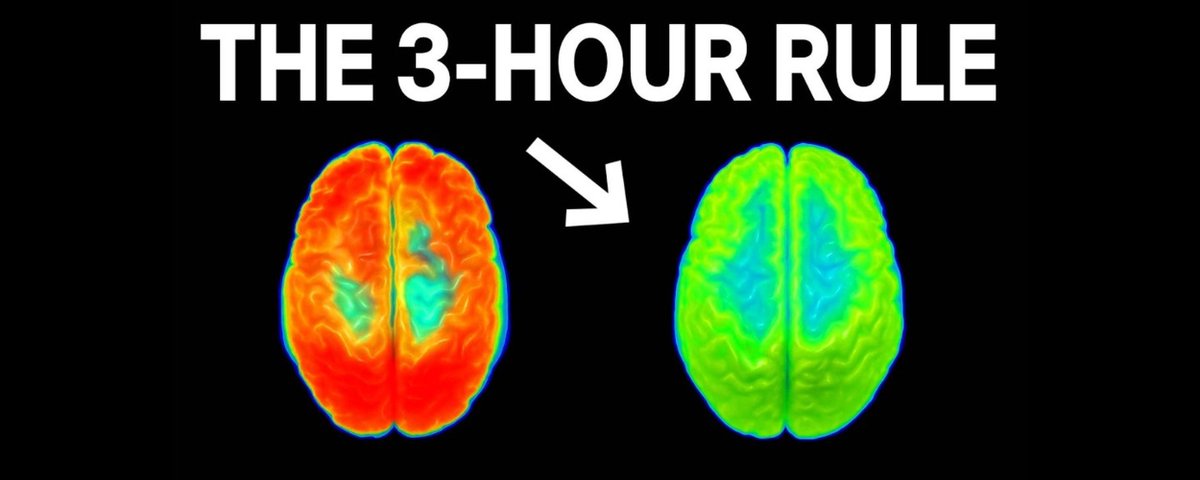
From there on, it was fever, chills, and fatigue. His body ached all over. His brain broke down. Simple decisions that used to take seconds now required enormous effort. His working memory felt like it had shrunk by half.

Imagine strapping into a rollercoaster, full of thrill and anticipation, only to jerk to a halt midway up the first big climb. Imagine the faces of his friends, family, and investors, strapped in with him, their savings riding on his shoulders.

And then the ride just... stops.

All of a sudden, he was on the hook to get a return for all the most important people in his life, but could barely get out of bed.

He was used to working 12-hour days, which felt like a necessity to get his company to work and provide a return for his investors. Twelve hours felt like survival. Or so he believed.

But now, he could barely manage three hours per day. That's all his Lyme-riddled body and brain could tolerate.

Then something strange happened.

He noticed that as he was doing these three-hour days, he started seeing more clearly.

Things that previously seemed important became obviously less important or even completely irrelevant.

Things he thought only he could do, he now realized he could pass off to others.

Meetings he attended out of habit, he now skipped without consequence.

Entire projects he'd been pouring hours into, he now recognized as distractions that barely moved anything forward.

He was working in a dramatically different way on dramatically different things.

The important tasks popped out at him like a neon sign in a desert night. The trivial ones faded into oblivion.

And despite working 75% less, he accomplished more than his 12-hour days ever produced.

His company didn't stall. It accelerated.
II. The Inverse of Parkinson's Law

What happened with my friend is the inverse version of Parkinson's Law.
You've heard that work expands to fill the time available for it.

Give yourself eight hours to finish a report and it'll take eight.

Give yourself three and it'll take three.

The task balloons or contracts based on the container you give it.

The reverse is also true: work contracts to fill limited time. But only when the constraint is absolute.

Due to Lyme disease, my friend's work contracted to fill the space available for it. And when it contracted, only the essential remained.

And the counterintuitive part of the research:

Working additional hours often leads to decreased total output.

Not just diminishing returns. Actual negative returns.

You think you're being more productive because you're spending more time at your desk.

But when your working hours are open-ended, prioritization blurs.

You lose the ability to identify what will most drive results, and therefore what you should work on.

You start treating every task as equally important, which means none of them get the focus they deserve.

Despite what our brains intuit, productivity isn't linear.

Our brains assume: More hours = more productivity.

But the actual equation looks more like:

A limited number of hours per week = forced prioritization = exponentially more output.

And we know this.

The wildly successful people among us are a testament to this.
They're often thousands of times more productive than their peers and competitors, but they don't work thousands more hours. They couldn't. They can only work double at most, so we know hours can't be the variable. The variable is something else entirely.

There are other skills required to produce immense output. Skills that my friend was forced to tap into that drove the success of his company.

III. Perceived Importance and the Flow Connection

The "HD productivity goggles" my friend experienced, that heightened ability to see what's highest priority, has a name in psychology research.

It's called perceived importance.

When your work hours have a fixed upper limit, your brain suddenly distinguishes crucial tasks from trivial ones with startling clarity. Like tuning a radio from static to crystal-clear signal. The things that actually drive results become obvious, and everything else becomes noise you can ignore without guilt.

Research from Barthelmäs and Keller at Ulm University found that having higher perceived importance doesn't just help prioritization.

It drives flow state intensity.
Flow is that state where you're completely absorbed in work. Time distorts. Self-consciousness disappears. Performance peaks.

It's the state where three hours of work produce what normally takes ten, because every ounce of your cognitive capacity is channeled into one thing.

Research shows flow states can boost productivity up to 500%.

And perceived importance is one of its most potent triggers.

The higher your perceived importance (the clarity that a given task is the highest priority), the more your brain recruits attentional networks, and the deeper your focus becomes. Flow entry becomes easier. Duration increases. You get pulled into the work instead of having to push yourself toward it.

But the catch is this: it's almost impossible to maximize perceived importance without limiting the number of work hours per week.

You have to voluntarily create the constraint my friend experienced involuntarily.
The Challenge-Skills Sweet Spot

There's a second mechanism at play.

Flow researchers have identified that flow occurs when the challenge of a task sits roughly 4% above your current skill level. Too easy and you get bored. Too hard and you get anxious. That narrow band is the sweet spot where your brain decides the situation is important enough to deploy its full attentional resources.
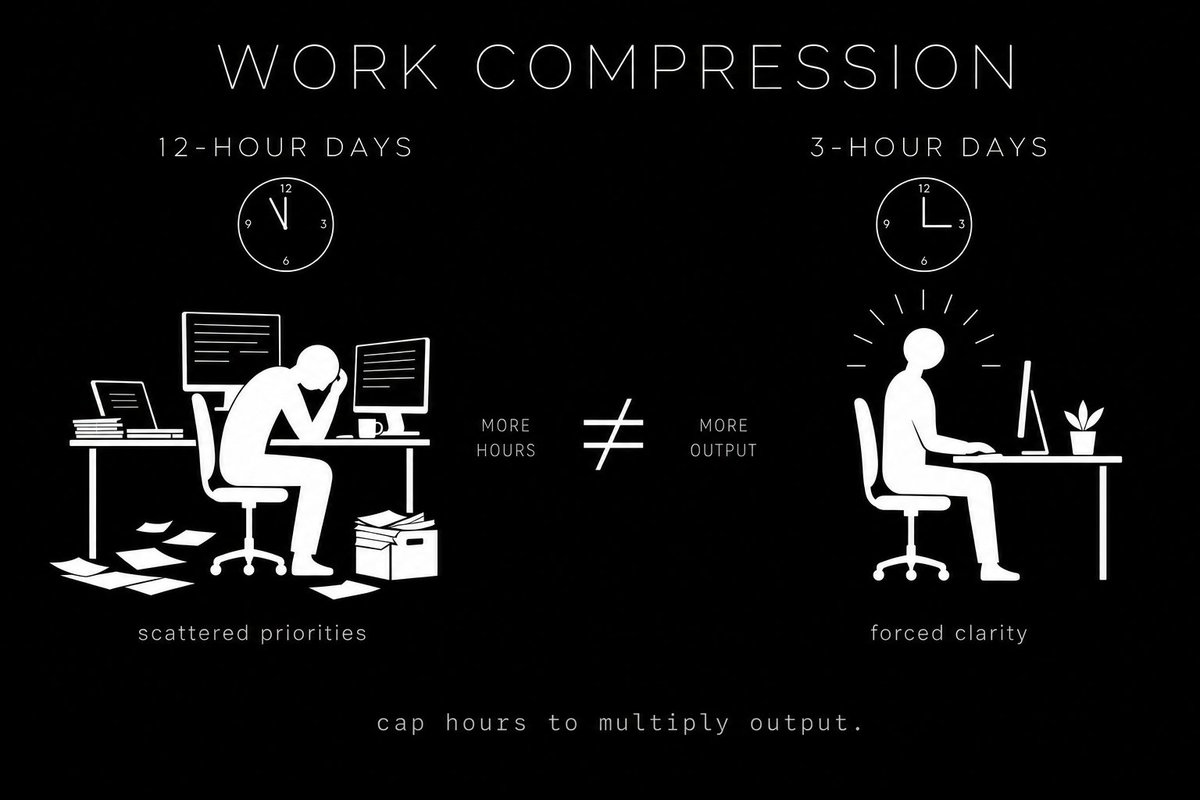
When you compress your work hours, the challenge level of your day automatically spikes. You now have to accomplish the same output in fewer hours. That gap between what's demanded of you and what you've previously been capable of in that timeframe sits right in the flow-triggering range. The constraint itself becomes a challenge that your brain responds to by recruiting flow.

Open-ended hours do the opposite. When you have "all day," the challenge drops because there's no time pressure. The task feels manageable by default, which means your brain doesn't need to recruit flow to meet it. So you plod through at 60% capacity for twelve hours instead of operating at full capacity for six.

Compression spikes the challenge. The challenge tunes the flow sweet spot. And flow carries you through the compressed hours at a level of performance you couldn't access when the day stretched endlessly ahead of you.

The Recovery Effect

There's a third piece, and it might be the most important one.

Flow is neurochemically expensive. It floods your brain with dopamine, norepinephrine, endorphins, anandamide, and serotonin. After a flow state, those neurochemical reservoirs need to be replenished.

That replenishment happens during genuine recovery, during real off-hours where you're not checking email, not thinking about work, not half-engaged in some gray zone between rest and effort.

Recovery is actually the fourth stage of the flow cycle. Without it, you cannot re-enter flow the following day. Your brain simply doesn't have the neurochemical resources available.

When you work 12-hour days, your off-hours barely exist. Whatever recovery you get is shallow and rushed.

Your neurochemistry never fully resets, which means tomorrow's flow capacity is diminished before you even sit down.

You start the day already running on fumes, and you compensate by adding more hours, which further erodes recovery, which further diminishes flow capacity. It's a downward spiral disguised as hard work.

Compressed work hours create something open-ended hours never do: genuine, extended off-hours where your nervous system actually resets.

The neurochemistry that flow consumed today gets replenished tonight and tomorrow morning. So when you sit down the next day, your capacity for deep, absorbed focus is at its peak.

This is why my friend, forced into three-hour days, found himself in a different cognitive gear entirely. His short work windows created intense perceived importance (triggering flow), and his long recovery windows refueled the neurochemistry that made tomorrow's flow possible.

The compression was creating the exact neurobiological conditions for sustained peak performance across days and weeks. Better prioritization was just the surface layer.
IV. How Work Compression Works

Work compression means picking a specific number of hours you're going to work in a given week that is much less than you currently work, and never, ever, no matter what, working over that amount.

Not a minute more, no matter the circumstances.

By setting this boundary, you create a container for all your tasks, forcing you to concentrate your efforts within that fixed time frame.

Out of necessity, you're forced to develop the skills you need to amplify your productivity exponentially instead of linearly. Your brain has no choice but to get better at selecting the right work, sequencing it efficiently, and executing it with full focus. Because time is no longer a resource you can throw at the problem.

Think of it like a Tetris game.

In Tetris, the whole point is to fit the blocks into the constrained and immovable container. You can't make the container wider. You can only choose which pieces to place, where to place them, and in what sequence. The constraint is what makes the game a game. Without it, Tetris would just be stacking blocks with no skill required.

Your workweek should function in the exact same way. Your job is to fit everything important within your fixed time container.

The container doesn't expand. So you're forced to only place pieces that actually matter, in the best possible sequence, and execute them as rapidly as possible.
V. The Protocol

Here's how to do this:

Step 1: Calculate Your Current Hours.

Add up the total hours you currently work per week. Be honest. Include the "quick email checks" at 9pm. Include the Sunday afternoon laptop session. The Saturday morning "just getting ahead." Get the real number. For most entrepreneurs I work with, the real number is 20-30% higher than what they'd guess off the top of their head.

Step 2: Shrink by 25%.

Multiply that number by 0.75. This is your new weekly cap. Non-negotiable.

Step 3: Set a Daily Finish Line.

Divide your new cap by the number of days you work. Set a hard stop time each day that you are never allowed to work past.

As an example: say you currently work 60 hours a week. You force yourself down to 45. If you work five days a week, that's a nine-hour day. If you start at 9am, your finish line is 6pm.

If you currently work 50, you're down to 37.5. That's 7.5 hours per day. Start at 8:30, stop at 4pm.

Step 4: Stop When the Clock Hits.

When your finish line arrives, stop. Even if the email is half-written. Even if the task is 90% done. Even if a client is waiting. Close the laptop. Walk away. The container doesn't expand.

Step 5: Endure the Pain.

This is where the real adaptation happens. The first few weeks will be rough. Deadlines will slip. Results will suffer. You'll feel irresponsible. You'll feel behind. You'll want to "just check one more thing" after your finish line. That's the forcing function doing its job. The pain of unfinished work is precisely what forces your brain to adapt, to prioritize better, eliminate the trivial, and work faster the next morning.

Take the leap of faith for a single day to start. Then work up to a full week. Then two weeks. The adaptation compounds rapidly once your brain realizes the constraint is real and permanent.

VI. Why It Has to Hurt

This protocol will only work if you stop at your fixed time even when work isn't done.

Otherwise, the shifts you need (the same shifts my friend with Lyme disease was forced into) will never be activated. If the container can expand, your brain has no reason to get better at fitting things inside it.

The pain of unfinished work is the mechanism.

I first tried this while scaling an 8-figure business.

My alarm went off mid-email two days in. Every instinct screamed to take 15 more minutes and finish. I could see the end of the email. The recipient was waiting. Taking 15 more minutes seemed rational, responsible, necessary.

I closed my laptop anyway.

It felt utterly stupid and irresponsible. The email sat half-finished. The recipient would see it the next morning, hours later than promised. Part of me was convinced I was sabotaging myself.

But the following morning, knowing my laptop was going to get closed the second I hit my work finish line, I found myself thinking completely differently about my day and what I would prioritize within it. I front-loaded the highest-stakes work. I cut a meeting I didn't need to be in. I wrote faster because I knew the clock was real. I made three decisions in thirty minutes that I'd been stalling on for a week, because there was no longer time to stall.

If I'd broken my rule, my brain wouldn't have been forced into a corner. It wouldn't have searched for non-time-based resources to increase my output. It would have just done what it always did: spread mediocre effort across too many hours.

The pain created the change.

The First Week Will Be Ugly

Don't be alarmed when everything goes sideways.

You'll miss deadlines. You might get in trouble. Results will suffer. You'll question whether this is worth it.

That's fine.

It's the equivalent of feeling extremely sore on a new workout plan before the heightened fitness emerges. The soreness is evidence that adaptation is occurring. Same with training perceived importance.

First, you have to bear the pain of decreased output, and only after that will your brain start operating with the clarity and intensity that compressed hours demand.

Without the constraint, you will not improve at fitting the Tetris blocks of your work tasks into the Tetris container of your fixed working day.

VII. What Changes When You Commit

Give this a shot.

Shrink the hours in your workweek by 25%. Pick a clear work finish line. Never allow yourself to work past it.

Start with a single day if the full commitment feels too steep. Then stretch it to a full week. Then two.

What you'll notice, probably within the first ten days, is that your brain starts doing the work your hours used to do. It triages ruthlessly.

It spots the one task that moves everything forward and locks onto it with a focus you haven't felt in months. It drops the performative busy work that used to fill your afternoons. It finds ways to delegate, automate, or simply ignore things you previously spent hours on.

And because your evenings are now genuinely free, because you're not half-working until 10pm, your nervous system actually recovers. You sleep better. You wake up sharper.

The focused work hours the next morning feel like a completely different cognitive experience than the foggy, depleted ones you used to drag yourself through after a 12-hour yesterday.

You'll also notice something subtler: the quality of your thinking changes. When your brain knows it has limited time, it stops entertaining tangents.

It stops wandering into rabbit holes of "research" that are really just procrastination wearing a productive disguise. I

t gets economical. Precise. You start finishing things instead of perpetually advancing them by 10%.

The mantra is simple: cap hours to multiply output.

It grates against every intuition. Every instinct you have will tell you that working less when you're already behind is insane. That's the same instinct that kept my friend chained to 12-hour days while his output stayed flat.

His Lyme disease handed him the constraint involuntarily. You can hand it to yourself on purpose.

Compress your hours. Force your brain to recruit perceived importance, enter flow more readily, and recover fully between days.

The container doesn't expand. You get better at filling it.

📋 讨论归档

讨论进行中…