返回列表
🧠 阿头学 · 💬 讨论题 · 💰投资

工具形状的物件——AI繁荣中的虚假产出

当前AI热潮的核心产品不是实际产出,而是"在工作"的感觉——企业正在以空前的资本开支购买一种幻觉。
打开原文 ↗

2026-02-13 原文链接 ↗
阅读简报
双语对照
完整翻译
原文
讨论归档

核心观点

  • "感觉高产"是比"真正高产"大几个数量级的市场 从FarmVille到复杂Agent系统,人们愿意为"数字上升、系统运转、配置调校"的体验付费,远超愿意为实际结果付费的规模。LLM的语言流畅性完美掩盖了动作与价值的断裂。
  • AI繁荣本质是Capex消费游戏,不是产出驱动 当前叙事重点在消耗(GPU、Token、融资额)而非产出。"花钱和配置的过程"本身变成了产品体验,投入与产出的关系从直线变成了"一团云"。
  • 工具与工具形状物件的界线是模糊的渐变 同一个LLM在不同场景下既可能是真工具,也可能是幻觉生成机。关键不在技术能力,而在"你定义的目标是什么、衡量的数字是什么"。
  • 当前大量Agent系统只产生系统本身的存在 日志被分析、报告被生成、仪表盘被填满,但真正完成的只是"装置的运转"。这是机构尺度的FarmVille——配置本身成了目的。
  • "在让数字往上走之前,先问问这个数字是什么" 这是判断工具真伪的终极问题。如果删掉一半步骤业务KPI不变,或者用户付费动机是"感觉专业"而非"结果更好",那就是在玩工具形状的物件。

跟我们的关联

  • 对Neta意味着什么 警惕"工具爱好者陷阱"——最大的产出可能只是越来越复杂的系统本身。下一步:在任何自动化项目启动前,强制问"删掉一半环节,业务指标会不会下降",如果不会就砍掉。
  • 对ATou意味着什么 你的团队可能正在用"Token预算、自动化覆盖率、仪表盘指标"当成绩效代理,而这些数字只代表"继续投入",不代表"真实产出"。下一步:把管理指标从"资源投入"改成"可验证的业务结果变化"。
  • 对Uota意味着什么 很多出海增长工具本质是跨境版FarmVille——卖的是"更多维度、更酷报表、更密集alert"的感觉。下一步:判断工具时问"这是在减少动作还是在增加动作以制造存在感",真正值得付钱的是能直接对接注册、激活、付费、留存的工具。
  • 对通用意味着什么 在AI时代,"内容分发与消费"已经可以脱离"内容质量"独立存在。下一步:对任何爆款AI内容、概念炒作、流量叙事,都要问"这是在传递信息还是在制造消费体验"。

讨论引子

1. 你的团队里有没有"工具形状的物件"——看起来很忙、配置很复杂、但真实产出模糊的系统?具体是什么样的?

2. 如果强制删掉你们当前AI系统的一半环节(日志、报告、仪表盘、审批链),业务KPI会不会真的下降?

3. 在你的组织里,"Token预算、自动化覆盖率、系统复杂度"这些数字,是在衡量"真实产出"还是在衡量"继续投入的理由"?

1711 年,京都一位名叫 Chiyozuru Korehide 的工具匠开始为在 Higashi Hongan-ji 修建寺院的木匠锻造 kanna 刨刀的刀刃。这些刀刃由层压钢锻成:最上等的白 hagane 锻焊在软铁之上,出类拔萃。

三百年后,他的后人仍在锻造它们。一把 Chiyozuru kanna 的价格大约在 300 到 3000 美元之间。光是调校就要花上好几天。dai 必须手工修配;刀背要在一系列由粗到细的磨石上磨平;断屑器要与刃口贴合到连一丝光都透不过去。只有做到这一步,你才能刨出一缕薄屑。

那一卷卷刨屑近乎超凡。它很美。但从经济意义上说,它也一文不值。电动刨在更短的时间里就能完成同样的工作。kanna 的存在,只是为了让“调校”这件事得以存在。

我想谈谈一类物件:它长得像工具,却明显不是工具。你可以握住它。你也可以使用它。它像一件工具那样贴合掌心。它能制造“在工作”的感觉——摩擦、劳作、向前推进的势头——但它并不产出工作。这个物件并没有坏,它正在履行自己的功能。它的功能,就是让你感觉自己在用工具。

本周,一篇名为 “Something Big is Happening” 的泔水文达到了逃逸速度。约四千万人,以及约四千亿美元的 AUM,都以亢奋的语气读它、讨论它。

它由 Matt Shumer 写就——或者更准确地说,是由他生成的;他是一家 LLM 初创公司的 CEO,而我从它的各种落地页里一时竟看不出这公司究竟在做什么。

有意思的并不是这篇文章是泔水。有意思的是,人们消费了它。他们分享了它。他们与它互动。他们完成了阅读与分发这一动作:阅读并分发一篇关于人工智能的文章,而这篇文章本身又是由人工智能产出的;在这个回路里,产出在任何时刻都不重要。消费才是产品。分享才是产出。这篇文章——就像它讨论的 AI 一样——是一件工具形状的物件,而且它完全按设计运行。

归根结底,这也是迄今为止 AI 繁荣的故事。关于 AI 的主叙事并不是它建成了什么,而是人们以多快的速度在消费它。我们以多快的速度把钱砸向 GPU 农场。我们以多快的速度把这些工具的费用记到 Ramp 卡上。

标题里写的都是 token 预算、GPU 集群、十亿美元级的训练跑次、万亿美元级的基础设施扩张。故事讲的其实是资本开支(capex)。

AI 在“消费”上无处不在,在“产出”上却几乎无处可见。我们正以空前的金额去购买、配置、部署并运营这些系统,而这笔支出的主要产品,是“花钱”这件事本身带来的体验。

一个木工每年花六位数买珍稀硬木,却从不拿它来做东西,这不是在投资产出。他是在投资废料。木材的存在,只是为了让工具有东西可碰。刨花与边角料才是产品。

Miles Grimshaw——一位比我厉害得多的投资人——最近把“token 预算”这个概念硬生生塞进了我们的集体意识。他采用的是薪酬谈判的框架:token 预算被当作资源、认真程度、以及公司指望你用这些工具做多少活的代理指标。

我们开始用谈资本开支那一套来谈 token 消耗:把它当作一种与产出线性增长的投入。token 越多,工作越多。预算越大,结果越大。这种框架如此自然、如此直觉、又如此贴合管理者做过的所有资源分配决策,以至于几乎没人停下来问一句:token 的消耗与价值的产出之间,到底是一条直线、一条曲线,还是一团云。

在大多数情况下,那是一团云。但预算是真实的。

问题出现在:当这种工具形状的物件被设计成把这一点藏起来;当“在工作”的感觉变成了产品,并被当作工作本身来出售。

想想 Farmville。

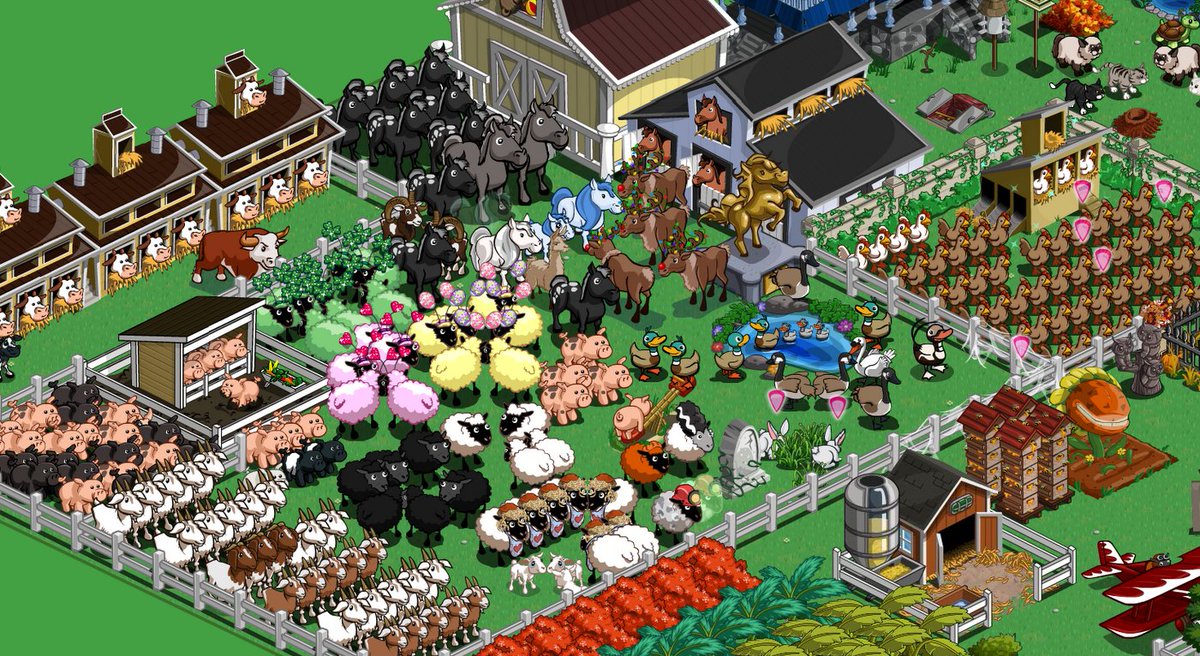
FarmVille 是一种指挥控制界面。无论你点哪里,你的农场都会扩张,庄稼都会生长,数字都会上升。你唯一的投入是时间,而你把时间花在屏幕上的哪个方向,大体无关紧要。屏幕被你努力的证据塞满:作物、装饰,以及越来越大的谷仓。

数字上升。这就是全部产品。

“感觉自己很高产”的市场,比“真正变得高产”的市场大上好几个数量级。大多数人,在大多数时候,只想点一点,然后看着数字往上跳。他们不想被告知这个数字是假的。他们会付出——时间、注意力,乃至真金白银——来让数字继续上升。

Farmville 是一件工具形状的物件。

工具形状的物件并不新鲜。这个空间里甚至有完整的品类:你花三周配置、然后再也不用的效率应用;那个 Notion 工作区——十四个相互链接的数据库,用来追踪一段根本不需要追踪的人生。2018 年,有人把 Roam Research 的符号纹在身上——如今人们已经忘了这回事。

这些全都是 kanna。它们都是工具形状的物件。调校本身就是练习。但与那位日本木工不同,这些物件的使用者通常以为自己正在做工具所“长得像”的那件事,而不是工具真正让他做的那件事。

当下这一代由 LLM 驱动的疯狂——十亿美元的框架、编排层、代理式工作流——是迄今为止最精密的工具形状物件。

你可以搭一个 agent:它读你的邮件,概括内容,起草回复,按风格指南校对,把回复送进审批链,记录交互日志,并把结果汇报到仪表盘。你可以看着这一切发生。你可以看着 token 像流水一样涌出。你可以看到思维链。你可以监控 system prompt。你可以调整 temperature。你可以更换模型。你可以加一个 tool。你可以加六个 tool。你甚至可以加一个 tool:它调用另一个 agent,后者再调用第三个 agent;第三个 agent 去搜索网页,把结果综合成一份没人会读的备忘录。

数字上升。

我见过一些极聪明的工程师团队,搭建出复杂到令人屏息的 agent 系统,而它们的主要产出只是:系统本身的存在。agent 在跑。它们产生日志。日志再被其他 agent 分析。报告被生成。仪表盘被填满。整个装置嗡嗡运转,散发着一种无可错认的“正在干活”的能量。

真正被完成的,只是这套装置的运转。

这并不是说 LLM 本身毫无价值——恰恰相反。在我看来,这些模型很快就会变得非常好;对它们的谨慎部署,会对现实经济的生产率产生难以置信的影响。

但我更狭窄的建议是:它们向真实经济的扩散会花更久的时间,呈现出的样子也会与眼下 South Bay 的 Best Buy 抢购 Mac Minis 的热潮所暗示的那套叙事大不相同。

这就是机构尺度的 FarmVille。让 LLM 如此异常有效地充当工具形状物件的特质,是它们的语言流畅性。此前的每一种工具形状物件,都必须在自身媒介的约束里工作。FarmVille 只能制造“在耕作”的感觉。Notion 只能制造“在整理”的感觉。可 LLM 能制造任何事情的感觉。

更难看清的一点在于:LLM 也确实是工具。它们能做真正的工作。工具与工具形状物件之间的分界根本不是一条线,而是一段渐变,而这段渐变会随着每一个用例、每一个用户、每一个 prompt 而移动。你往往只会在不知不觉间跨过去,而不是清清楚楚地看见自己何时越界。

在让数字往上走之前,先问问:这个数字是什么。

链接: http://x.com/i/article/2021638167892242432

In 1711, a toolmaker in Kyoto named Chiyozuru Korehide began forging kanna blades for the carpenters building the temples at Higashi Hongan-ji. The blades were forged from laminated steal, the highest quality white hagane forge-welded to soft iron, and were extraordinary.

Three hundred years later, his descendants still forge them. A Chiyozuru kanna costs somewhere between three hundred and three thousand dollars. It takes days to set up. The dai must be hand-fitted, the blade back flattened on a series of progressively finer stones, the chipbreaker mated until light cannot pass between it and the edge. Only then can you take a shaving.

The shaving curls are transcendent. It is beautiful. It is also, in the economic sense, worthless. A power planer does the same work in a fraction of the time. The kanna exists so that the setup can exist.

I want to talk about a category of object that is shaped like a tool, but distinctly isn't one. You can hold it. You can use it. It fits in the hand the way a tool should. It produces the feeling of work-- the friction, the labor, the sense of forward motion-- but it doesn't produce work. The object is not broken, it is performing its function. It's function is to feel like a tool.

This week, a slop-essay called "Something Big is Happening" reached escape velocity. 40 million people and about four hundred billion dollars of AUM have read and discussed it in fevered tones.

It was written, or perhaps more precisely generated, by Matt Shumer, the CEO of an LLM startup that I couldn't immediately parse the function of from its various landing pages.

What is interesting is not that the essay is slop. What is interesting is that people consumed it. They shared it. They engaged with it. They performed the act of reading and distributing an essay about artificial intelligence that was itself produced by artificial intelligence, and at no point in this loop did the output matter. The consumption was the product. The sharing was the output. The essay, much like the AI it discusses, was a tool-shaped object and it worked exactly as designed.

This is, ultimately, also the story of the AI boom so far. The dominant narrative about AI is not what it has built, but the rate at which people are consuming it. The rate at which we are spending on GPU farms. The rate at which we are expensing the tools against Ramp cards.

The headlines are token budgets and GPU clusters and billion-dollar training runs and trillion-dollar infrastructure buildouts. The story is the capex.

AI is everywhere in consumption and almost nowhere in output. We are spending unprecedented sums to acquire, configure, deploy, and operate these systems, and the primary product of that spending is the experience of spending it.

A woodworker who spends six figures a year on exotic hardwoods he will never build with is not investing in output. He is investing in scrap. The wood exists so that the tools have something to touch. The shavings and scraps are the product.

Miles Grimshaw, a much better investor than I am, recently forced the idea of "token budget" into our collective consciousness. The framing was that of a compensation negotiation: token budget as a proxy for resources, for seriousness, for how much work the company expects you to do with these tools.

We have begun to talk about token consumption the way we talk about capital expenditure: as an input that scales linearly to output. More tokens, more work. Bigger budget, bigger results. This framing is so natural, so intuitive, so aligned with every other resource allocation decision a manager makes, that almost no one has stopped to ask whether the relationship between tokens consumed and value produced is a line, a curve, or a cloud.

It is, in most cases, a cloud. But the budget is real.

The problem begins when the tool-shaped object is designed to hide this from you. When the feeling of work becomes the product, sold as work itself.

Consider Farmville.

FarmVille is a command-and-control interface. No matter where you click, your farm will expand, your crops will grow, and the number will go up. The only input is your time, the direction of which is largely irrelevant. The screen fills with evidence of your effort: crops, cosmetics, and increasingly large barns.

The number goes up. This is the entire product.

The market for feeling productive is orders of magnitude larger than the market for being productive. Most people, most of the time, want to click and watch the number go up. They do not want to be told the number is fake. They will pay— in time, in attention, in actual money— to keep the number going up.

Farmville is a tool shaped object.

Tool Shaped Objects are not new. Entire product categories exist in this space. The productivity app that you configure for three weeks and then never use. The Notion workspace with fourteen linked databases tracking a life that does not require tracking. People got their bodies tattooed with Roam Research symbols in 2018, people forget this now.

These are all kanna. These are tool shaped objects. The setup is the practice. But unlike the Japanese woodworker, the user of these objects typically believes he is doing the thing the tool is shaped like, and not the thing the tool actually does.

The current generation of LLM-driven insanity — the billion dollar frameworks, the orchestration layers, the agentic workflows— is the most sophisticated tool-shaped object ever created.

You can build an agent that reads your email, summarizes the contents, drafts a response, checks the response against a style guide, routes the response through an approval chain, logs the interaction, and reports the results to a dashboard. You can watch this happen. You can watch the tokens stream. You can see the chain of thought. You can monitor the system prompt. You can adjust the temperature. You can swap the model. You can add a tool. You can add six tools. You can add a tool that calls another agent that calls a third agent that searches the web and synthesizes the results into a memo that no one will read.

The number goes up.

I have seen teams of very smart engineers build agent systems of breathtaking complexity whose primary output is the existence of the system itself. The agents run. They produce logs. The logs are analyzed by other agents. Reports are generated. Dashboards are populated. The entire apparatus hums with the unmistakable energy of work being done.

What is being done is the operation of the apparatus.

This is not to say that LLMs as such are worthless, quite the opposite. These models, at least from my view, will become very good in short order, and the careful deployment of them will have unbelievable effects on productivity the real economy.

But my narrow suggestion is that this diffusion into the real economy will take much longer, and look much different than the current run on South Bay Best Buys for Mac Minis would have you believe.

This is FarmVille at institutional scale. The quality that makes LLMs so extraordinarily effective as tool-shaped objects is their verbal fluency. Every prior tool-shaped object had to work within the constraints of its medium. FarmVille could only produce the sensation of farming. Notion could only produce the sensation of organizing. But an LLM can produce the sensation of anything.

What makes this particularly difficult to see is that LLMs are also, genuinely, tools. They do real work. The line between the tool and the tool-shaped object is not a line at all but a gradient, and the gradient shifts with every use case, every user, every prompt. You can only fail to notice when you have crossed from one side to the other.

Ask what the number is before making it go up.

Link: http://x.com/i/article/2021638167892242432

1711 年,京都一位名叫 Chiyozuru Korehide 的工具匠开始为在 Higashi Hongan-ji 修建寺院的木匠锻造 kanna 刨刀的刀刃。这些刀刃由层压钢锻成:最上等的白 hagane 锻焊在软铁之上,出类拔萃。

三百年后,他的后人仍在锻造它们。一把 Chiyozuru kanna 的价格大约在 300 到 3000 美元之间。光是调校就要花上好几天。dai 必须手工修配;刀背要在一系列由粗到细的磨石上磨平;断屑器要与刃口贴合到连一丝光都透不过去。只有做到这一步,你才能刨出一缕薄屑。

那一卷卷刨屑近乎超凡。它很美。但从经济意义上说,它也一文不值。电动刨在更短的时间里就能完成同样的工作。kanna 的存在,只是为了让“调校”这件事得以存在。

我想谈谈一类物件:它长得像工具,却明显不是工具。你可以握住它。你也可以使用它。它像一件工具那样贴合掌心。它能制造“在工作”的感觉——摩擦、劳作、向前推进的势头——但它并不产出工作。这个物件并没有坏,它正在履行自己的功能。它的功能,就是让你感觉自己在用工具。

本周,一篇名为 “Something Big is Happening” 的泔水文达到了逃逸速度。约四千万人,以及约四千亿美元的 AUM,都以亢奋的语气读它、讨论它。

它由 Matt Shumer 写就——或者更准确地说,是由他生成的;他是一家 LLM 初创公司的 CEO,而我从它的各种落地页里一时竟看不出这公司究竟在做什么。

有意思的并不是这篇文章是泔水。有意思的是,人们消费了它。他们分享了它。他们与它互动。他们完成了阅读与分发这一动作:阅读并分发一篇关于人工智能的文章,而这篇文章本身又是由人工智能产出的;在这个回路里,产出在任何时刻都不重要。消费才是产品。分享才是产出。这篇文章——就像它讨论的 AI 一样——是一件工具形状的物件,而且它完全按设计运行。

归根结底,这也是迄今为止 AI 繁荣的故事。关于 AI 的主叙事并不是它建成了什么,而是人们以多快的速度在消费它。我们以多快的速度把钱砸向 GPU 农场。我们以多快的速度把这些工具的费用记到 Ramp 卡上。

标题里写的都是 token 预算、GPU 集群、十亿美元级的训练跑次、万亿美元级的基础设施扩张。故事讲的其实是资本开支(capex)。

AI 在“消费”上无处不在,在“产出”上却几乎无处可见。我们正以空前的金额去购买、配置、部署并运营这些系统,而这笔支出的主要产品,是“花钱”这件事本身带来的体验。

一个木工每年花六位数买珍稀硬木,却从不拿它来做东西,这不是在投资产出。他是在投资废料。木材的存在,只是为了让工具有东西可碰。刨花与边角料才是产品。

Miles Grimshaw——一位比我厉害得多的投资人——最近把“token 预算”这个概念硬生生塞进了我们的集体意识。他采用的是薪酬谈判的框架:token 预算被当作资源、认真程度、以及公司指望你用这些工具做多少活的代理指标。

我们开始用谈资本开支那一套来谈 token 消耗:把它当作一种与产出线性增长的投入。token 越多,工作越多。预算越大,结果越大。这种框架如此自然、如此直觉、又如此贴合管理者做过的所有资源分配决策,以至于几乎没人停下来问一句:token 的消耗与价值的产出之间,到底是一条直线、一条曲线,还是一团云。

在大多数情况下,那是一团云。但预算是真实的。

问题出现在:当这种工具形状的物件被设计成把这一点藏起来;当“在工作”的感觉变成了产品,并被当作工作本身来出售。

想想 Farmville。

FarmVille 是一种指挥控制界面。无论你点哪里,你的农场都会扩张,庄稼都会生长,数字都会上升。你唯一的投入是时间,而你把时间花在屏幕上的哪个方向,大体无关紧要。屏幕被你努力的证据塞满:作物、装饰,以及越来越大的谷仓。

数字上升。这就是全部产品。

“感觉自己很高产”的市场,比“真正变得高产”的市场大上好几个数量级。大多数人,在大多数时候,只想点一点,然后看着数字往上跳。他们不想被告知这个数字是假的。他们会付出——时间、注意力,乃至真金白银——来让数字继续上升。

Farmville 是一件工具形状的物件。

工具形状的物件并不新鲜。这个空间里甚至有完整的品类:你花三周配置、然后再也不用的效率应用;那个 Notion 工作区——十四个相互链接的数据库,用来追踪一段根本不需要追踪的人生。2018 年,有人把 Roam Research 的符号纹在身上——如今人们已经忘了这回事。

这些全都是 kanna。它们都是工具形状的物件。调校本身就是练习。但与那位日本木工不同,这些物件的使用者通常以为自己正在做工具所“长得像”的那件事,而不是工具真正让他做的那件事。

当下这一代由 LLM 驱动的疯狂——十亿美元的框架、编排层、代理式工作流——是迄今为止最精密的工具形状物件。

你可以搭一个 agent:它读你的邮件,概括内容,起草回复,按风格指南校对,把回复送进审批链,记录交互日志,并把结果汇报到仪表盘。你可以看着这一切发生。你可以看着 token 像流水一样涌出。你可以看到思维链。你可以监控 system prompt。你可以调整 temperature。你可以更换模型。你可以加一个 tool。你可以加六个 tool。你甚至可以加一个 tool:它调用另一个 agent,后者再调用第三个 agent;第三个 agent 去搜索网页,把结果综合成一份没人会读的备忘录。

数字上升。

我见过一些极聪明的工程师团队,搭建出复杂到令人屏息的 agent 系统,而它们的主要产出只是:系统本身的存在。agent 在跑。它们产生日志。日志再被其他 agent 分析。报告被生成。仪表盘被填满。整个装置嗡嗡运转,散发着一种无可错认的“正在干活”的能量。

真正被完成的,只是这套装置的运转。

这并不是说 LLM 本身毫无价值——恰恰相反。在我看来,这些模型很快就会变得非常好;对它们的谨慎部署,会对现实经济的生产率产生难以置信的影响。

但我更狭窄的建议是:它们向真实经济的扩散会花更久的时间,呈现出的样子也会与眼下 South Bay 的 Best Buy 抢购 Mac Minis 的热潮所暗示的那套叙事大不相同。

这就是机构尺度的 FarmVille。让 LLM 如此异常有效地充当工具形状物件的特质,是它们的语言流畅性。此前的每一种工具形状物件,都必须在自身媒介的约束里工作。FarmVille 只能制造“在耕作”的感觉。Notion 只能制造“在整理”的感觉。可 LLM 能制造任何事情的感觉。

更难看清的一点在于:LLM 也确实是工具。它们能做真正的工作。工具与工具形状物件之间的分界根本不是一条线,而是一段渐变,而这段渐变会随着每一个用例、每一个用户、每一个 prompt 而移动。你往往只会在不知不觉间跨过去,而不是清清楚楚地看见自己何时越界。

在让数字往上走之前,先问问:这个数字是什么。

链接: http://x.com/i/article/2021638167892242432

相关笔记

In 1711, a toolmaker in Kyoto named Chiyozuru Korehide began forging kanna blades for the carpenters building the temples at Higashi Hongan-ji. The blades were forged from laminated steal, the highest quality white hagane forge-welded to soft iron, and were extraordinary.

Three hundred years later, his descendants still forge them. A Chiyozuru kanna costs somewhere between three hundred and three thousand dollars. It takes days to set up. The dai must be hand-fitted, the blade back flattened on a series of progressively finer stones, the chipbreaker mated until light cannot pass between it and the edge. Only then can you take a shaving.

The shaving curls are transcendent. It is beautiful. It is also, in the economic sense, worthless. A power planer does the same work in a fraction of the time. The kanna exists so that the setup can exist.

I want to talk about a category of object that is shaped like a tool, but distinctly isn't one. You can hold it. You can use it. It fits in the hand the way a tool should. It produces the feeling of work-- the friction, the labor, the sense of forward motion-- but it doesn't produce work. The object is not broken, it is performing its function. It's function is to feel like a tool.

This week, a slop-essay called "Something Big is Happening" reached escape velocity. 40 million people and about four hundred billion dollars of AUM have read and discussed it in fevered tones.

It was written, or perhaps more precisely generated, by Matt Shumer, the CEO of an LLM startup that I couldn't immediately parse the function of from its various landing pages.

What is interesting is not that the essay is slop. What is interesting is that people consumed it. They shared it. They engaged with it. They performed the act of reading and distributing an essay about artificial intelligence that was itself produced by artificial intelligence, and at no point in this loop did the output matter. The consumption was the product. The sharing was the output. The essay, much like the AI it discusses, was a tool-shaped object and it worked exactly as designed.

This is, ultimately, also the story of the AI boom so far. The dominant narrative about AI is not what it has built, but the rate at which people are consuming it. The rate at which we are spending on GPU farms. The rate at which we are expensing the tools against Ramp cards.

The headlines are token budgets and GPU clusters and billion-dollar training runs and trillion-dollar infrastructure buildouts. The story is the capex.

AI is everywhere in consumption and almost nowhere in output. We are spending unprecedented sums to acquire, configure, deploy, and operate these systems, and the primary product of that spending is the experience of spending it.

A woodworker who spends six figures a year on exotic hardwoods he will never build with is not investing in output. He is investing in scrap. The wood exists so that the tools have something to touch. The shavings and scraps are the product.

Miles Grimshaw, a much better investor than I am, recently forced the idea of "token budget" into our collective consciousness. The framing was that of a compensation negotiation: token budget as a proxy for resources, for seriousness, for how much work the company expects you to do with these tools.

We have begun to talk about token consumption the way we talk about capital expenditure: as an input that scales linearly to output. More tokens, more work. Bigger budget, bigger results. This framing is so natural, so intuitive, so aligned with every other resource allocation decision a manager makes, that almost no one has stopped to ask whether the relationship between tokens consumed and value produced is a line, a curve, or a cloud.

It is, in most cases, a cloud. But the budget is real.

The problem begins when the tool-shaped object is designed to hide this from you. When the feeling of work becomes the product, sold as work itself.

Consider Farmville.

FarmVille is a command-and-control interface. No matter where you click, your farm will expand, your crops will grow, and the number will go up. The only input is your time, the direction of which is largely irrelevant. The screen fills with evidence of your effort: crops, cosmetics, and increasingly large barns.

The number goes up. This is the entire product.

The market for feeling productive is orders of magnitude larger than the market for being productive. Most people, most of the time, want to click and watch the number go up. They do not want to be told the number is fake. They will pay— in time, in attention, in actual money— to keep the number going up.

Farmville is a tool shaped object.

Tool Shaped Objects are not new. Entire product categories exist in this space. The productivity app that you configure for three weeks and then never use. The Notion workspace with fourteen linked databases tracking a life that does not require tracking. People got their bodies tattooed with Roam Research symbols in 2018, people forget this now.

These are all kanna. These are tool shaped objects. The setup is the practice. But unlike the Japanese woodworker, the user of these objects typically believes he is doing the thing the tool is shaped like, and not the thing the tool actually does.

The current generation of LLM-driven insanity — the billion dollar frameworks, the orchestration layers, the agentic workflows— is the most sophisticated tool-shaped object ever created.

You can build an agent that reads your email, summarizes the contents, drafts a response, checks the response against a style guide, routes the response through an approval chain, logs the interaction, and reports the results to a dashboard. You can watch this happen. You can watch the tokens stream. You can see the chain of thought. You can monitor the system prompt. You can adjust the temperature. You can swap the model. You can add a tool. You can add six tools. You can add a tool that calls another agent that calls a third agent that searches the web and synthesizes the results into a memo that no one will read.

The number goes up.

I have seen teams of very smart engineers build agent systems of breathtaking complexity whose primary output is the existence of the system itself. The agents run. They produce logs. The logs are analyzed by other agents. Reports are generated. Dashboards are populated. The entire apparatus hums with the unmistakable energy of work being done.

What is being done is the operation of the apparatus.

This is not to say that LLMs as such are worthless, quite the opposite. These models, at least from my view, will become very good in short order, and the careful deployment of them will have unbelievable effects on productivity the real economy.

But my narrow suggestion is that this diffusion into the real economy will take much longer, and look much different than the current run on South Bay Best Buys for Mac Minis would have you believe.

This is FarmVille at institutional scale. The quality that makes LLMs so extraordinarily effective as tool-shaped objects is their verbal fluency. Every prior tool-shaped object had to work within the constraints of its medium. FarmVille could only produce the sensation of farming. Notion could only produce the sensation of organizing. But an LLM can produce the sensation of anything.

What makes this particularly difficult to see is that LLMs are also, genuinely, tools. They do real work. The line between the tool and the tool-shaped object is not a line at all but a gradient, and the gradient shifts with every use case, every user, every prompt. You can only fail to notice when you have crossed from one side to the other.

Ask what the number is before making it go up.

Link: http://x.com/i/article/2021638167892242432

📋 讨论归档

讨论进行中…