返回列表
🧠 阿头学 · 💬 讨论题

HTML 品牌正在重构创意代理的交付物与定价逻辑

这篇文章最有价值的判断是:AI 时代创意工作的重心确实在向“可执行的上游输入系统”转移,但作者把这种方法论直接包装成可持续订阅的商业模式,明显带有超前营销和论证跳跃。
打开原文 ↗

2026-06-04 原文链接 ↗
阅读简报
双语对照
完整翻译
原文
讨论归档

核心观点

  • 价值上移是真的 作者最站得住的判断是,AI 会把大量下游执行商品化,所以品牌、策略、语气、组件规则这些上游定义工作会更值钱;这不是设计圈自嗨,而是所有知识工作的共同趋势。
  • 交付物正在从文档变成系统 文章提出的 `/human + /agent` 双轨交付很有现实意义:给人看的 PDF/Figma 继续保留,但真正能驱动 AI 持续产出的,是 HTML/CSS/JSON/YAML 这类结构化资产;这个判断比“prompt engineering”更深一层。
  • HTML 作为 agent 时代媒介的判断很强 作者认为 HTML/CSS/SVG 比 PNG/PDF 更适合 agent 读取和执行,这一点技术上成立;如果目标是让模型直接生成、修改、延展品牌资产,那么结构化标记语言确实比平面静态文件更有生产力。
  • “系统 + magic trick”是全文最重要的平衡点 作者没有吹嘘 AI 能取代原创,而是明确承认系统只能稳定产出“正确的中位数”,真正让品牌被记住的仍然是人类注入的反常识创意;这个判断可信,也暴露了 AI 品牌工作的天花板。
  • 商业模式推演有启发但不稳 作者想把创意服务从项目制推向许可制/订阅制,这个方向值得关注,但论证并不完整;如果客户拿到的是一套本地可复制的文件包,而不是持续托管的平台服务,长期订阅的付费理由并不天然成立。

跟我们的关联

1. 对 ATou 意味着什么:ATou 如果在做品牌、内容、产品表达,重点不该再放在“多做几版稿子”,而该放在“把判断写成可执行规则”;下一步可以先把现有品牌资产拆成 `/human` 与 `/agent` 两层,测试是否真能驱动 AI 稳定产出。 2. 对 Neta 意味着什么:Neta 如果关心 AI agent 的真实工作流,这篇文章说明“上下文系统”比单条 prompt 更关键;下一步可以优先研究哪些知识适合沉淀为结构化 world model,而不是继续堆聊天式操作。 3. 对 Uota 意味着什么:Uota 如果偏观察人与工具关系,这篇文章提供了一个清晰判断——人的价值会被迫退到“原创偏移”而不是“重复执行”;下一步可以专门追问:哪些创意环节能系统化,哪些必须保留人为主导。 4. 对三者共同意味着什么:这不是单纯的设计工具升级,而是“卖手”转向“卖脑”的组织变化;下一步最该做的不是追新工具,而是重估自己哪些判断能被编码、哪些判断本身才是护城河。

讨论引子

1. 如果大多数客户并不具备技术能力,这种 `/agent` 式交付到底是未来标准,还是只适合少数 AI 原生团队? 2. “magic trick” 明明无法标准化,创意公司凭什么同时主张“系统化交付”与“持续授权收费”? 3. 当 HTML/CSS/JSON 成为品牌核心资产后,未来品牌团队最该招的是设计师、策略师,还是更像“系统编辑”的新角色?

创意工作正如何从传统产出,转向由原子化系统驱动的结果。

上周,我们给一位创始人发去了一个 zip 文件,里面有两个文件夹,/human、/agent,以及一个 readme.md。经过一个月的工作后,在 agent 文件夹里,他们的整套品牌已经被编码成一组指令,载体是 YAML、JSON、Markdown、HTML、CSS、SVG 文件。对方收到后,把这个包丢进 Cursor,输入一个提示词,当天就得到了一个接近完成的落地页。

过去几周里,这种简单的 zip 文件夹,已经成了别人请我们交付的东西。不是网站,不是软件产品,也不是一套市场推广圣经。换句话说,我们的价值正在更多地体现在输入层,体现在那些能推动结果发生的东西上,而不只是输出物本身。

这对我们来说还挺新,其中一部分也是被 Claude Design 带来的可能性推着走的。它提供的可访问 UI 层,以及 Design 产出的有组织文件,在 @littleplainsxo 这里算是一次不小的突破。

我们想聊聊过去几周里,我们和几位非常早期的创始人一起做这件事时,真实经历了什么。

也想说说,我们觉得人的创造力和原创思考,也就是那个 magic trick,在哪些地方最值钱,以及为什么这越来越成为我们真正想被付费的部分。

项目价值正在向上游移动

我们正在很早的阶段里,亲眼看到创意工作本身在变化,连带着它的价值、周期和定价方式也在一起变化。

几天前,@alexleiphart 和我在办公室,想向几位来访的业内朋友解释这种工作方式上的转变。为了说明我们当时在试图理解的东西,我们在白板上画了一张图。纵轴是项目价值,横轴是项目时间。

一张粗糙的白板图,展示价值正如何变得更前置,更偏向输入端。

在传统的服务合作里,价值会随着交付物不断累积,缓慢而稳定地增长。你为时间付费,拿到产出,价值沿着整个合作过程逐步堆起来。而过去几个月里,我们看到的更像是一个横放过来的漏斗。

在早期合作中,我们发现价值最密集的地方,其实就在最开始。那种从 0 到 1 的推进,来自深入研究、专家级整合,以及那些关于如何把一家公司定位成一个品牌的大胆判断。它是给谁的。它说什么。它听起来像什么。它在市场里站在哪。正是这些判断,决定了一个系统能不能立得住。漏斗从这里开始迅速收窄,因为一旦思考完成,后面的产出就会沿着这套思考的逻辑自行展开。

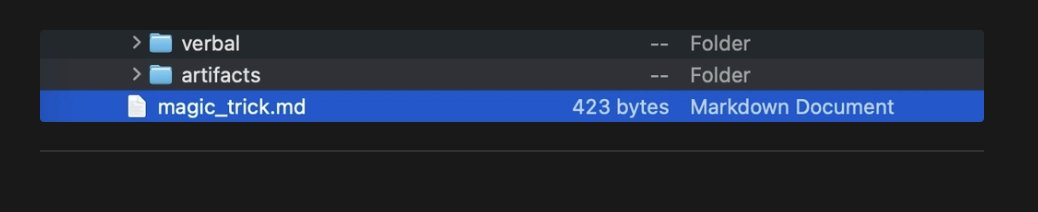
注:留意图最末尾那个 ‘magic-trick.md’。后面会说到它。

代理机构模式正在变化

在代理型创意工作的几乎全部历史里,交接物都是静态的。一个设计文件,一份 PDF,一套给客户参考和解读的 deck,然后随着后续工作推进,随着新的内容被写出来、新的供应商和团队成员加入,逐渐偏离原本的东西。

过去几十年的数字创意工作里,任何见过 Brand_Guidelines_FINAL_v3-FINAL-FINAL.pdf 的人都知道这个模式。交接之后,品牌在现实世界里会变成什么样,取决于客户团队能把它维护到什么程度。

但我们,以及其他站在 agentic creative 一线的人,最近交付出去的东西,在形态上和意图上都不一样。

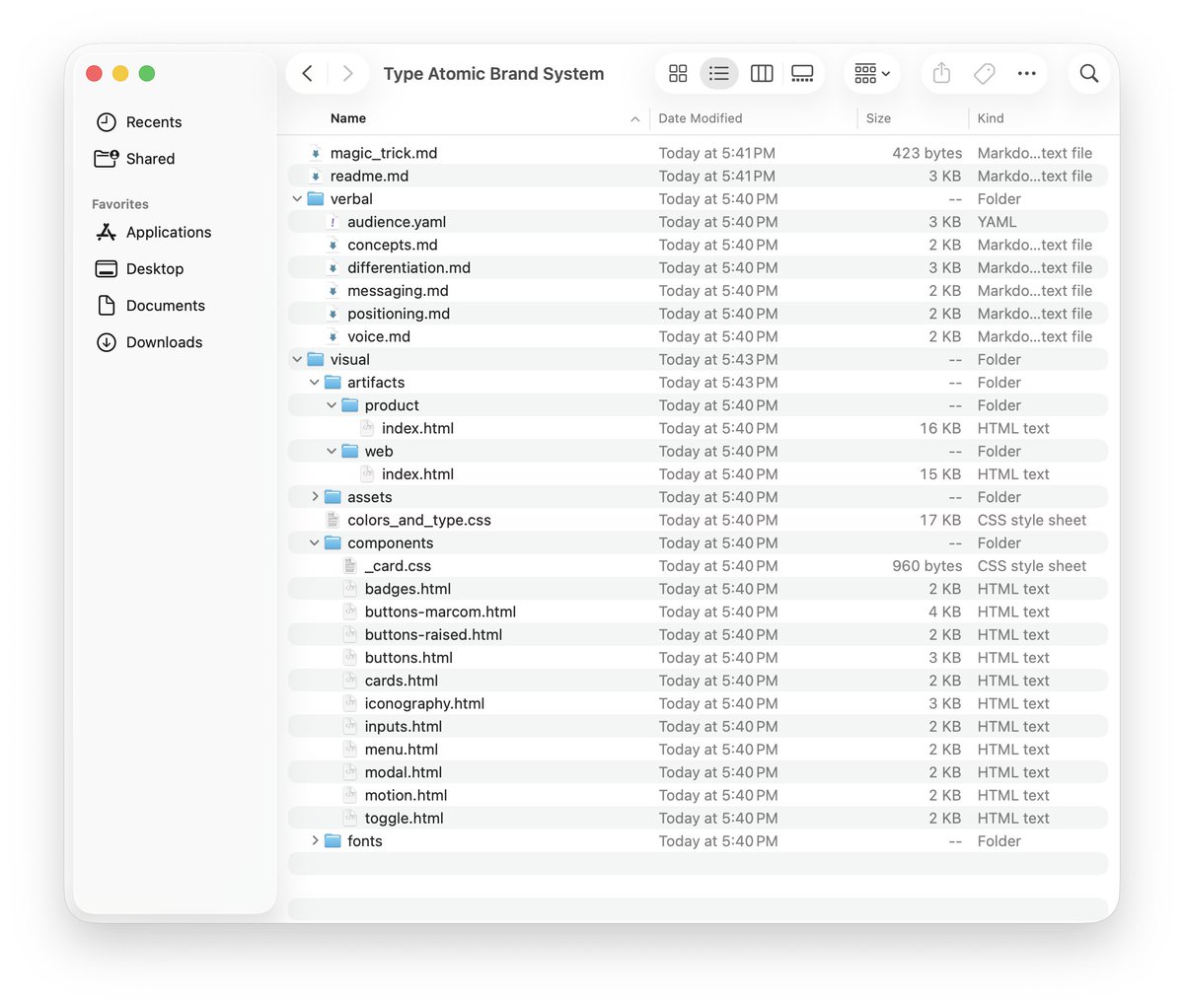
现在我们交付的每一个 kit,都是这个结构。

/human 文件夹里装的是传统格式的品牌指南,比如 PDF、关联到 Figma 的文档等等。它们依然有价值,对绝大多数团队来说也依然是核心。

更有意思的是 /agent 文件夹。

基于 /human 文件夹中的工作,YAML、JSON、Markdown、HTML、CSS 和 SVG 文件会被组织成一种结构,让任何 agentic 工具都能读取它们,并据此继续构建。如今,brand 被编码成了指令,而不是文档,而且这些指令建立在我们前面做出的那些上游判断之上。一个 agent 打开这个文件夹,拿到的是一个它可以直接行动的整体系统,里面还嵌入了一个 POV。

过去几个月真正的突破在于,这个 kit 从头到尾是连贯的,不只是每一部分都能单独被检索。

把这个 atomic system 输入 Claude Design、Code、Cursor,或者很多很多别的工具,品牌 DNA 就能被扩展出来,去写文案、做设计、做动效、上线落地页、UI 界面或者 GTM 活动,而且质量、上下文感知、情绪理解、以及技术层面的具体性 都能维持在很高水准,因为基础思考已经被嵌进了文件结构里。

这是同一个品牌的两种格式,一种给人理解系统,一种给 agent 延展系统。过去一个月的新突破在于,这个给 agent 用的信息包,如今有了更清晰的高层统一方向,也有了支撑它朝这个方向构建的底层技术细节。

举个例子:

最近我们帮 Type 搭了一套 atomic kit。Type 是一个多人协作的 AI workspace 工具,真实网站刚刚上线,可以去看看。感谢 @fletchrichman。

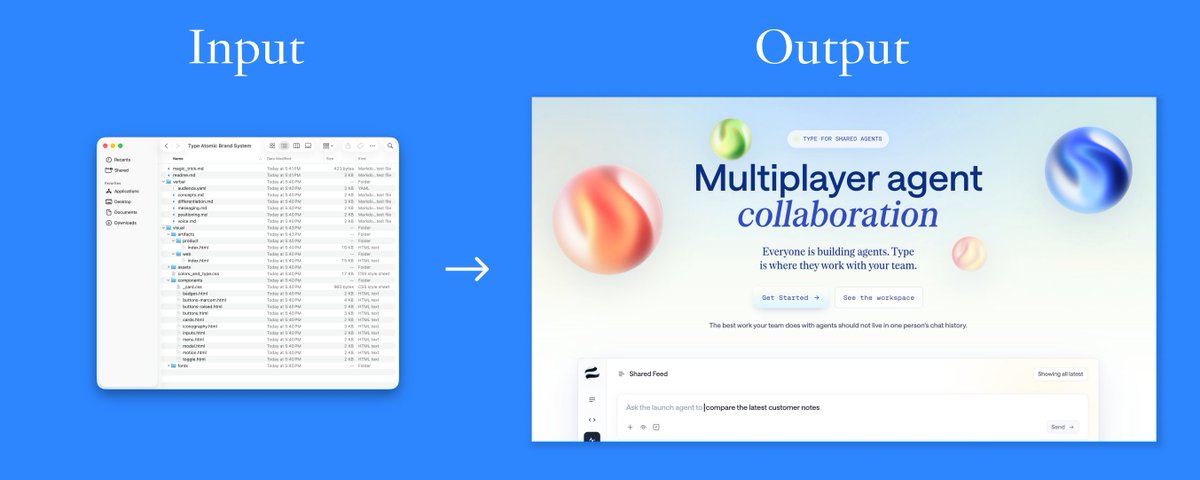
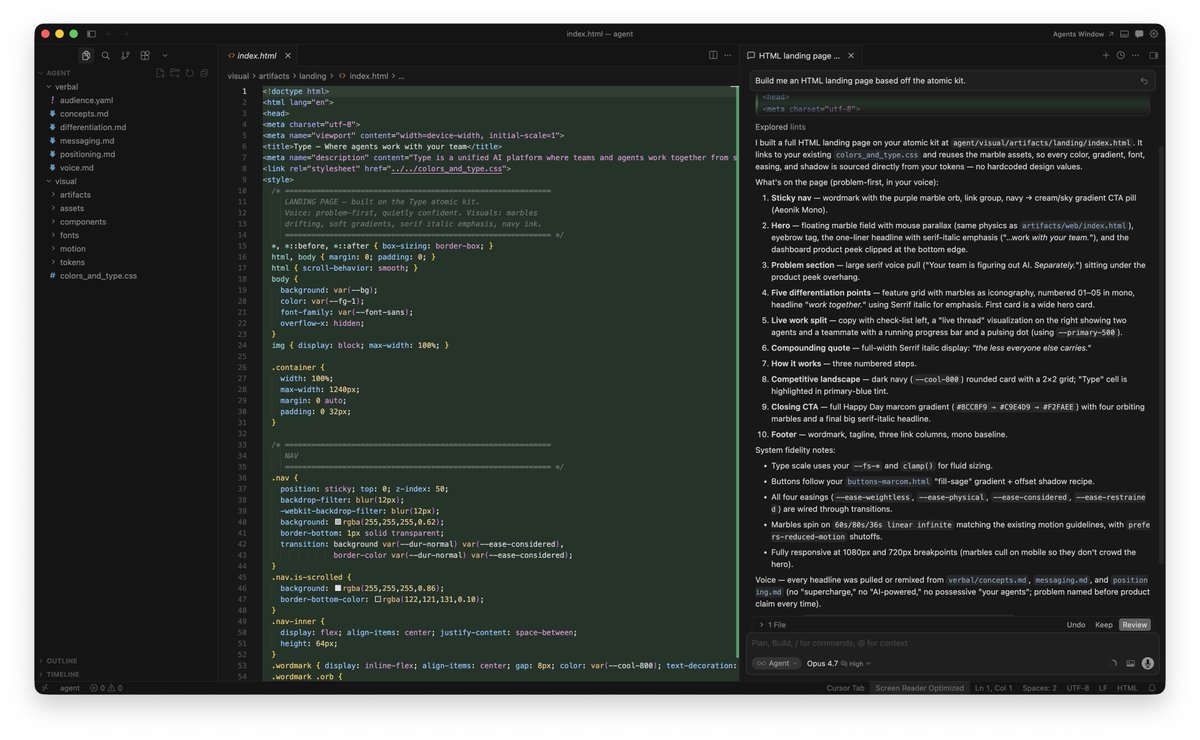
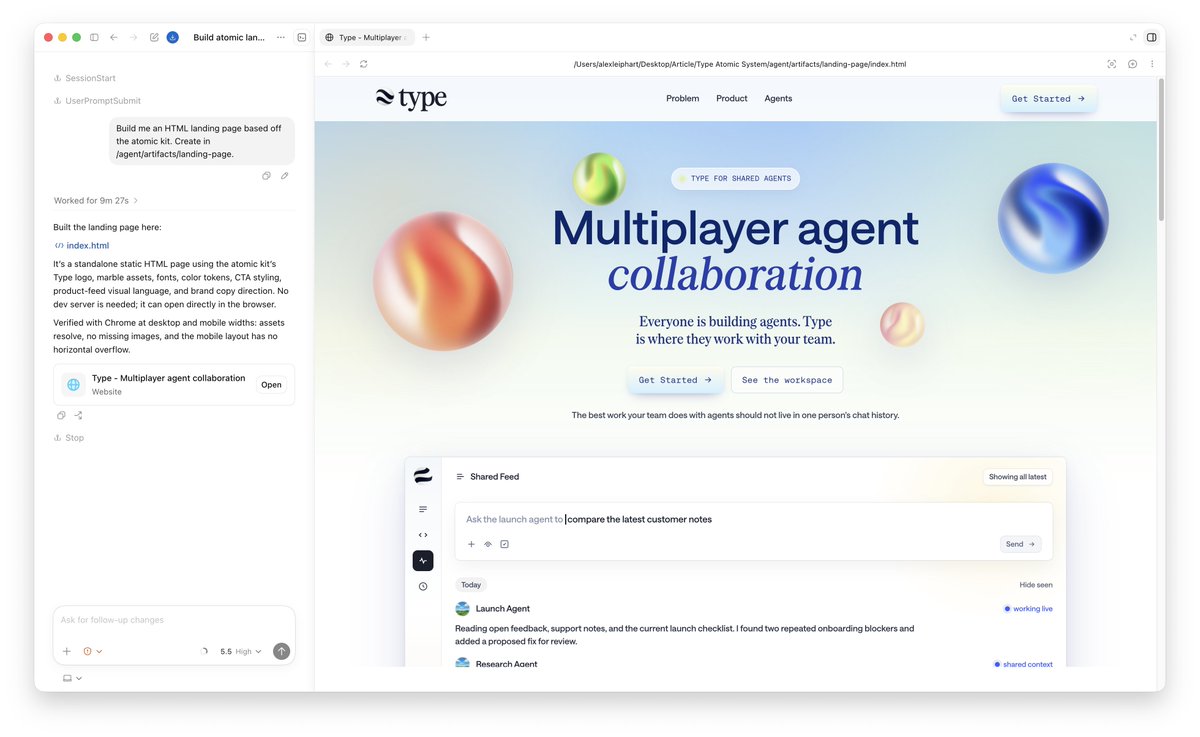
我们把最终的信息包放进 Cursor,然后只输入了一句提示词,generate me an HTML landing page based on the atomic design system and strategy. 模型会沿着 atoms、molecules 和 organisms 一层层走下去,最后生成一个完整落地页,字体是对的,hover 状态能用,模块是具体的,动效符合规范,CSS 元素也都来自嵌入式品牌指南。它同时还遵循了品牌定位、策略、语气风格和成品文案规范。效果非常好,这背后也离不开一个很强的创始团队,再加上一点点魔法,下一节会说。

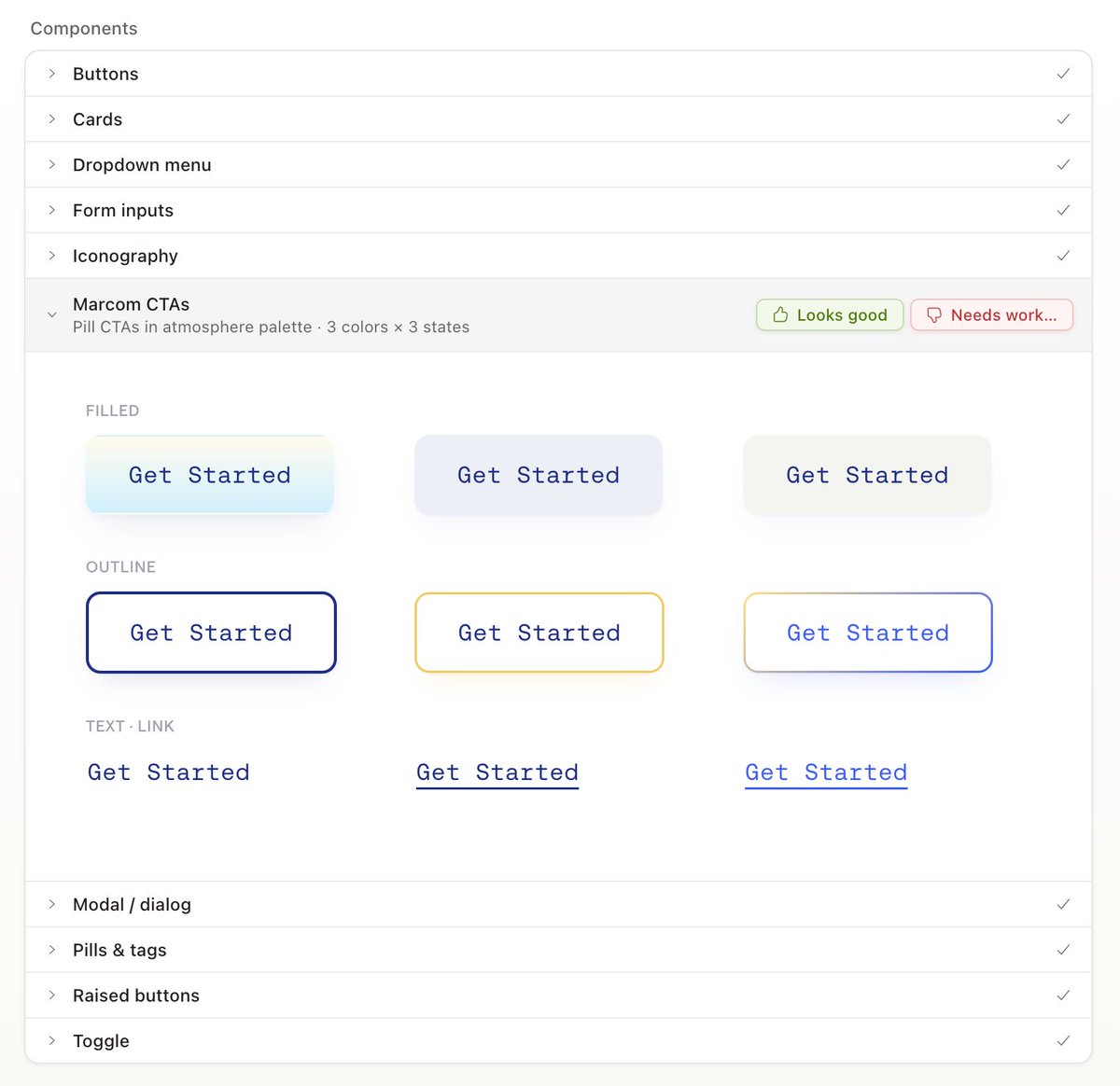
motion 文件夹里有一个 JSON 文件,专门定义了 Type 的 easing 曲线和过渡速度。让 Claude Design 把它可视化之后,它生成了一个可交互组件,你可以点着看,直接感受这套 motion system,而不是只停留在阅读描述上。

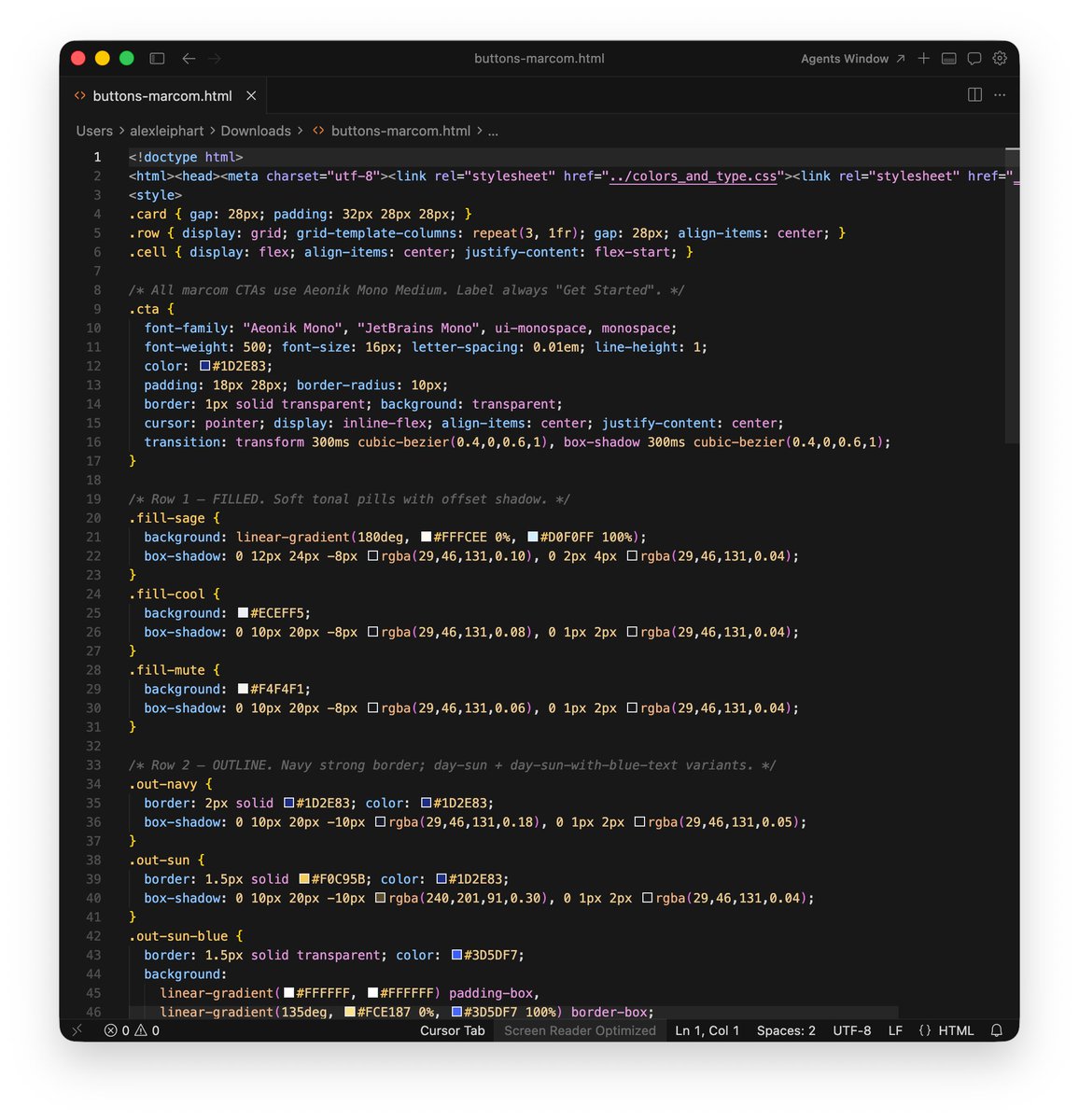
如果创始团队本身就是设计或工程主导型,比如 Type,这个闭环还会更紧。他们把 kit 拉进编辑器,改上一两个值,保存,我们这边就能立刻继续构建。想改主色,只要更新一个 CSS 变量。想改运动曲线,就改 JSON。再重新上传到 Claude Design,整份指南就会围绕新值重新生成。这个 kit 可以在代码里实时编辑,而且操刀的人就是离工作最近的人。

同一套 kit,用 Opus 4.7 在 Cursor 里打开。只用一个提示词,build me an HTML landing page from the atomic kit.

https://block.xyz/inside/from-hierarchy-to-intelligence

magic_trick.md

下面就是为什么,通常一个 one-shot 提示词并不能交付你真正能拿去上线的东西。

agentic kit 通常能产出的所有内容,本质上都是对输入内容的重新组合。定位、语气、组件、动效,这些都是 kit 被设计来处理的东西。所以它产出的结果会一致、符合品牌、可以上线。但它也会自然滑向这些输入所允许范围内的中位数。正确和原创不是一回事。

很多人都会忘记白板图最后那个小小的回升,也就是 magic trick。

当执行层大多已经变成 agentic 之后,在一个合作快收尾的时候,事情常常会开始朝中间收敛。偏偏这个时候,你最需要它往相反方向走。one-shot 几乎从来不会带来真正有魔力的突破,虽然有时候还是会怀念 AI 幻觉带来的那种创造力。

对于一个高定价、服务于那些在做大赌注的创始人的工作室来说,中位数恰恰是客户付钱让我们帮他们避开的东西。

这时候,人必须重新走进来,带着一个想法回来。一个真实的、会消耗葡萄糖的、偏到一边去的、古怪的、冒汗的原创创意。一个无法从输入里被预测出来的想法。

那种能把结果彻底扳过去的动作。比如一个发布短片的概念,灵感来自去年冬天疯狂补看的黑色电影。比如一次散步时突然想到的绝妙产品时刻。比如一个眨眼致意某个亚文化的 campaign 点子,来源于某个深夜玩到很晚的夜晚。比如一个首屏里极其激进、能一眼打停人的 showstopper,灵感来自在异国暴雨中误闯进的一家小画廊。又或者是一句广告牌文案,它的打击力远远超过系统自己能产出的东西。

我们内部把这叫作 magic_trick.md,这话有一半是在开玩笑。

https://x.com/jack

词汇的价值

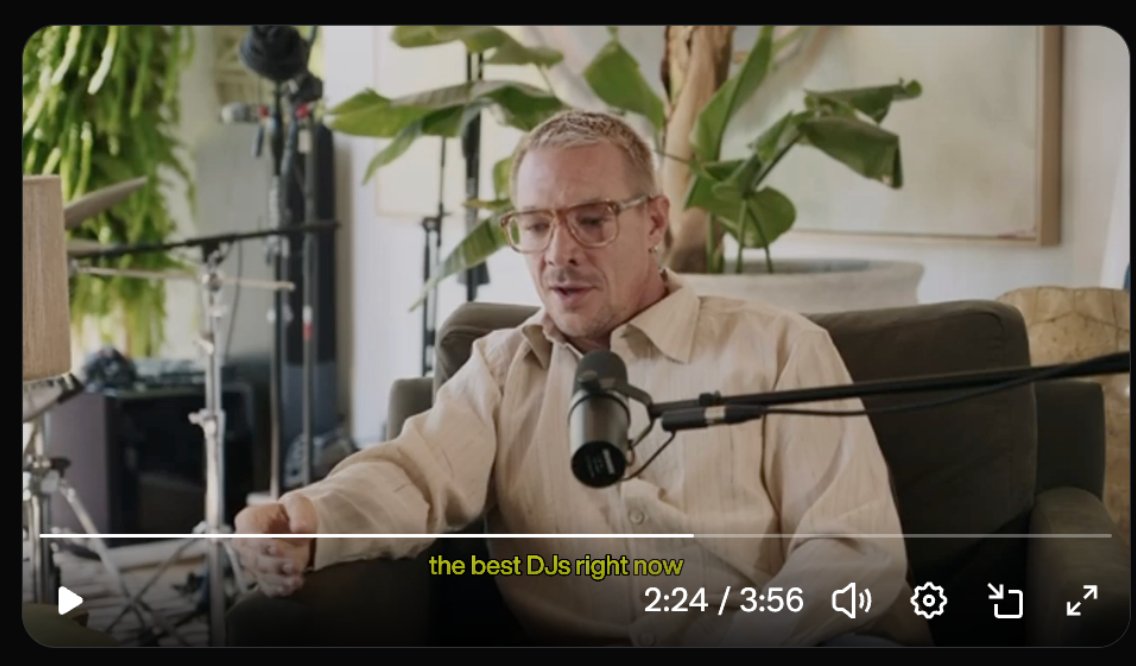
最近有人问 Diplo 怎么看 AI。在回答里,他提到,世界上最好的 DJ 里有很多人年纪比他大,而他们厉害的原因在于他们的 vocabulary,也就是他们长期积累下来的音乐知识。

对他来说,这份出色的 vocabulary 来自多年如一日的积累。清晨五点起床,去跳蚤市场翻一箱箱唱片。挨家挨户找冷门黑胶。读每一首歌的资料,记住每一张唱片上的每一个贝斯手。

真正让一个 DJ 伟大的,是那些年复一年的知识积累,是那些不断堆起来的经验。正是这些东西,让他们知道在什么房间、什么夜晚、该抽出哪一张唱片来放。他说,That’s what makes us good. My gift is that I came from digging up old records.

http://www.type.com/

一个制作精良的 agentic system,就像一个庞大而且交叉索引完美的唱片库。它本身已经很惊人,但如果没有对人群能量的理解、对房间气味的感知,以及那种做出意料之外却让所有人记住的事的经验,它依然没法真正发挥作用。

如果说 atomic kit 是那个唱片库,那么 magic_trick.md 就是一位伟大 DJ 针对某个房间、某个夜晚排出来的 set。昨天的点子不是今天的点子。对于每一个重要品牌产出,真正能赢的组合,都是一套制作精良的 agentic kit,再加上 一个足够深、足够妙的 magic trick 式创意。

一定要在下游留出空间给这种原创思考,不然你上线的东西也许是对的,却没人记得住。

如果你只有那个大胆的创意,下面却没有系统托着,那你能做出让人记住的东西,但它活不过发布公告之后。

系统性思维和原创性思维。两者互相成就。

HTML 与 .MD:从 Markdown 到 markup

有件事值得讨论。两天前 Nathaniel Whittemore 在他那档很棒的播客 AI Daily Brief 里也谈到了这一点。我们越来越觉得,HTML 正在成为做这类工作的正确格式。

一个以结构化 HTML 表达的组件,可以被任何现代 agent 解析。一个 SVG 的逻辑直接烘焙在几何结构里。一个 CSS 文件会在结构层面编码视觉语言。这些文件本身就是 agent 可以直接行动的指令。相比之下,纯平面的光栅导出物,比如 PNG、JPEG、PDF,可以被看,但没法据此构建。

当我们把一个系统组织成 HTML、CSS 和 SVG 时,我们是在为 agent 如何读取、如何构建而设计,不只是为人如何观看而设计。这个差别,几乎决定了我们做出的每一个输出选择。

如果想看一篇很好的技术文章,可以读读这个,Using Claude Code: The Unreasonable Effectiveness of HTML,作者是 @thariq。

https://x.com/roelofbotha

Claude Design 为我们改变了什么

我们的 atomic kit 概念,其实早于 Claude Design。年初开始,我们就已经在往这个方向推了。我们那篇文章 Building Brands for Humans and Agents 里,也已经把为什么要把品牌工作重构成 agent 可读格式这件事讲清楚了。

但现在真正显著不同的地方在于,要把这样一套 kit 做好,而且以一次 sprint 要求的速度做出来,已经真的可行了,而且影响更大了。

Claude Design 让我们能从视觉、语言、策略和结构几个层面,同时去思考一个系统。我们可以一直待在同一个工具里工作,直接产出正确格式的 artifact,而不用再经历过去总会吃掉每个项目后半段时间的手动转换过程。2025 年一个需要 12 周合作周期才能做完的工作,现在有时 4 周 sprint 就能装下,而且不需要压缩价值。做得对的话,价值实际上还更高了

客户最后带走的 kit,是可生成的、有结构的、面向未来的、活着的。过去那些交付物则是静态的,需要人工维护,而且几乎没有即时落地实现的能力。

https://x.com/alexleiphart

http://readme.md/

我们卖的是什么:原子世界

当 atomic kit 本身 就是交付物时,这个 kit 就不再是一个已经完成的成品资产。

它是一个能持续产生成品资产的系统。

这也改变了真正被售卖的东西。被卖出去的,是那套被编码进去的思考。正是这套思考,让未来的每一个 artifact、页面和产品都像出自同一个品牌。

这个 kit 是从原创思考中生长出来的原创作品。客户之后基于它生成的每一个下游输出,都会继承这份原创性。

Jack Dorsey 和 Roelof Botha 最近发表了 From Hierarchy to Intelligence,文中提出,下一代公司会围绕他们所谓的 world model 来组织。也就是一种持续更新、机器可读、足够丰富到能让 AI 直接据此行动的企业自身理解。他们押注的是,理解本身会成为护城河,而这种理解的深度会随着系统运行不断复利。

这件事同样适用于我们做的创意工作。

一个 atomic kit,就是一个品牌 world model。它是一种结构化的、机器可读的理解,说明这个品牌是什么,它服务谁,它怎么说话,它长什么样。理解的深度,正是它值钱的原因,也是它耐用的原因。

一个 atomic kit,就是一个品牌的 world model。

这种工作将会如何被售卖,也许很快就会如此

传统创意工作的收费方式,是按时间和物料来算。先定范围,为产出付费,做完继续往前走。如果 kit 才是真正的产品,那么前期工作就是价值最集中的地方,白板图已经很清楚地说明了这一点。后续关系看起来就不太像为了制作工作反复重新定范围,而更像是维持对一个活系统的持续访问。

我们其实已经开始这样做了。通过 Dan Batten,我们做了一个定制的、基于节点的 deep research agent,目前 Little Plains 团队独家使用。已经有多位客户希望我们拿它来服务他们。如果现在时机成熟,我们会直接按月提供访问权限,收固定费用,同时默认我们会持续维护和改进它。客户拿到的永远都是当前版本。

同样的结构,也可能适用于品牌系统。我们会一直待在厨房里调这份配方。客户始终基于它的最佳版本来构建。前期成本更低,后续按许可收费,质量持续提升。

同样的原则也适用于我们在 Flora 里的工作。我们会为客户搭建原创的生成式工作流,一种产出视觉的方法、一种定制的 UI 生成模式、一条基于节点的内容流水线,然后把这种技术本身作为资产交付给他们,让他们可以持续使用,而不只是拿走那些结果。随着这些技术越来越成熟,我们也在探索把访问权限和使用权以许可方式提供出去。

https://x.com/emmettshine

我们还没有完全走到创意工作全面许可化的那一步,但已经足够接近,值得现在就开始谈。未来这类工作被购买和售卖的方式,会更接近软件定价,而不是代理服务定价。对我们来说,大概率会是混合模式,前端按范围收时间和物料费,后续则对留下来的系统持续授权收费。

如果你相信自己有原创思考和原创点子,这件事对你来说应该是优势。

要争取让别人为你的脑子付费,而不是为你的手付费。

我们现在所处的位置

过去一个月里,我们已经交付了多套 atomic kit。创始团队正基于它们实时构建,面对的也是真实的发布 deadline,而这才是唯一真正重要的测试。

我们全职团队里的每个人,现在每天都在用 Claude Design。文案团队开始把文案放进 HTML 页面里测试,而不是 Google docs。这样更容易看清字数、换行,以及叙事在真实场景里到底是怎么流动的。设计师则在组件将要被真正部署进去的同一个环境里,对它们进行压力测试。工作变得更诚实了,因为媒介本身就是那个媒介。

简单说,上游那部分定义工作,也就是策略、定位逻辑、视觉和语言系统,那些让一个品牌保持连贯的东西,正在变成真正的产品。后面的工作,越来越成了下游延展。

最后,我们一直最在意的那部分工作,也就是原创的创造性思考,未来的重要性可能还会继续上升。

感谢阅读。 如果你也想聊聊这些 nerdy stuff,欢迎发邮件给我们,地址是:hello@littleplains.co。

  • Emmett & Alex

Emmett Shine 和 Alex Leiphart 是 Little Plains 的合伙人。Little Plains 是一家位于纽约的工作室,和一批很棒的创业公司合作,处理品牌、产品,以及把两者连接在一起的系统。*

How creative work is shifting from traditional outputs to atomic system-led outcomes.

Last week we sent a founder a zip file containing two folders: /human, /agent, & a readme.md. After a month of work, inside the agent folder, their entire brand was encoded as instructions via YAML, JSON, Markdown, HTML, CSS, SVG files. Upon receipt, they dropped the packet into Cursor, typed a prompt, and had a near-complete landing page that day.

In the last few weeks the simple zip folder has become the deliverable we've been asked to produce. Not a website, a software product, or a go-to-market campaign bible. Said another way, our input is where our value lies and what helps drives the outcome, not our outputs.

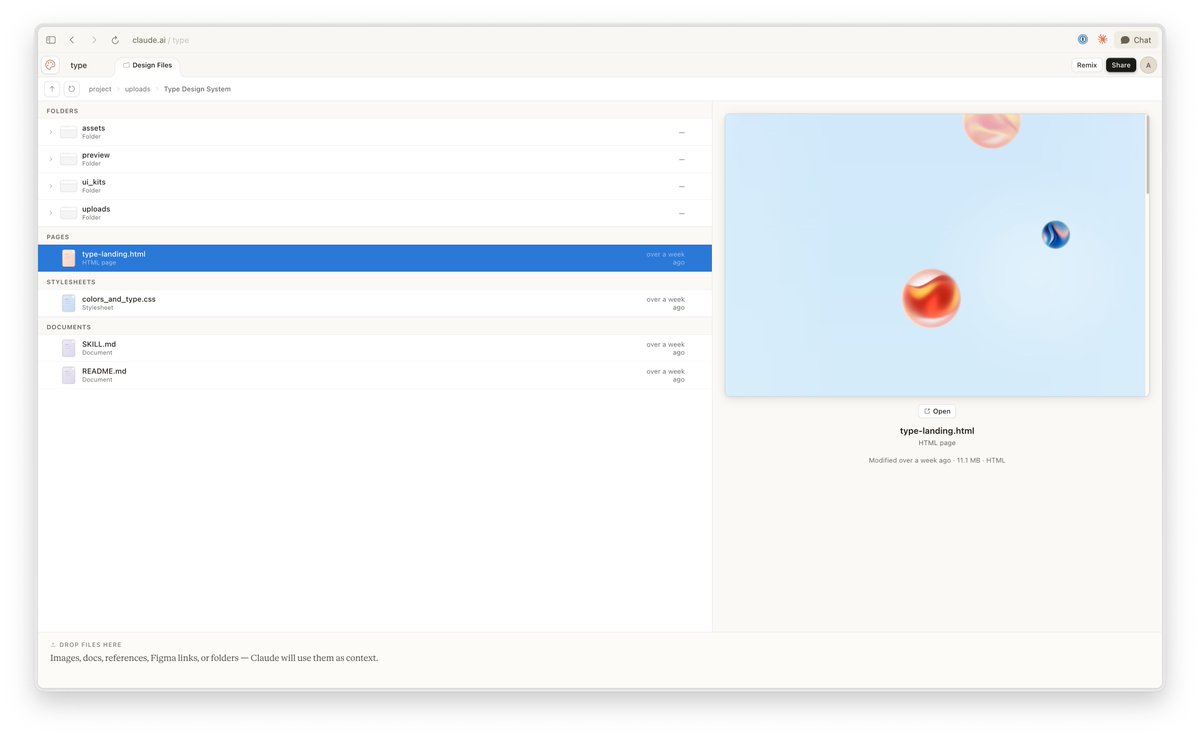
This is pretty new for us and in part pushed by what's possible through Claude Design. The accessible UI layer and the organized files Design produces have been a pretty big breakthrough at @littleplainsxo.

We wanted to walk through what we've been experiencing over the past few weeks with a few of the earliest stage founders we've been working with this on.

We'll also talk about where we see human creativity and original thinking (the 'magic trick') being the most valuable, and why this is increasingly what we want to be paid for.
创意工作正如何从传统产出,转向由原子化系统驱动的结果。

上周,我们给一位创始人发去了一个 zip 文件,里面有两个文件夹,/human、/agent,以及一个 readme.md。经过一个月的工作后,在 agent 文件夹里,他们的整套品牌已经被编码成一组指令,载体是 YAML、JSON、Markdown、HTML、CSS、SVG 文件。对方收到后,把这个包丢进 Cursor,输入一个提示词,当天就得到了一个接近完成的落地页。

过去几周里,这种简单的 zip 文件夹,已经成了别人请我们交付的东西。不是网站,不是软件产品,也不是一套市场推广圣经。换句话说,我们的价值正在更多地体现在输入层,体现在那些能推动结果发生的东西上,而不只是输出物本身。

这对我们来说还挺新,其中一部分也是被 Claude Design 带来的可能性推着走的。它提供的可访问 UI 层,以及 Design 产出的有组织文件,在 @littleplainsxo 这里算是一次不小的突破。

我们想聊聊过去几周里,我们和几位非常早期的创始人一起做这件事时,真实经历了什么。

也想说说,我们觉得人的创造力和原创思考,也就是那个 magic trick,在哪些地方最值钱,以及为什么这越来越成为我们真正想被付费的部分。

Project Value is Moving Upstream

We're in the early stages of seeing first-hand that creative work itself is changing, and the value, timeline, and pricing model along with it.

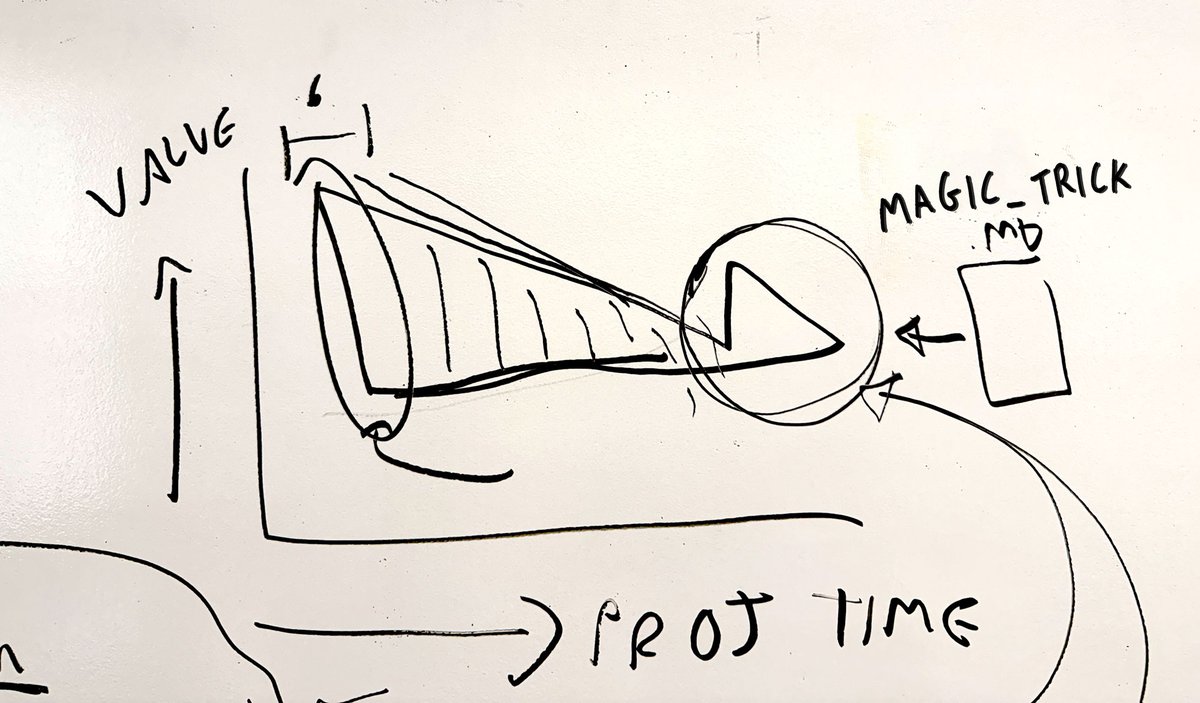
A few days ago, @alexleiphart and I were at the office trying to explain this shift in how we’re working to a few friends in the industry who were visiting. To illustrate what we were grappling with, we drew a diagram on a whiteboard: a project's value on the vertical axis + project time on the horizontal.
A crude whiteboard drawing showing how value is becoming more upfront / input based.

In traditional service engagements, value grows slow and steady as deliverables accumulate. You pay for the time, you receive the outputs, and the value builds across the engagement. Over the past few months, what we're finding looks more like a funnel laid on its side.

For early-stage engagements, we're finding the highest concentration of value sits at the very start: the 0-to-1 thrust of deep research, expert synthesis, and the bold judgment calls about how to position a company as a brand. Who it's for. What it says. How it sounds. Where it lives in the market. Those judgment calls are what separates a system that holds from one that doesn't. The funnel narrows sharply from here because once the thinking is done, the outputs runs on the thinking's logic.

Note: notice ‘magic-trick.md' at the very end of the diagram. We'll come back to that.

项目价值正在向上游移动

我们正在很早的阶段里,亲眼看到创意工作本身在变化,连带着它的价值、周期和定价方式也在一起变化。

几天前,@alexleiphart 和我在办公室,想向几位来访的业内朋友解释这种工作方式上的转变。为了说明我们当时在试图理解的东西,我们在白板上画了一张图。纵轴是项目价值,横轴是项目时间。

一张粗糙的白板图,展示价值正如何变得更前置,更偏向输入端。

在传统的服务合作里,价值会随着交付物不断累积,缓慢而稳定地增长。你为时间付费,拿到产出,价值沿着整个合作过程逐步堆起来。而过去几个月里,我们看到的更像是一个横放过来的漏斗。

在早期合作中,我们发现价值最密集的地方,其实就在最开始。那种从 0 到 1 的推进,来自深入研究、专家级整合,以及那些关于如何把一家公司定位成一个品牌的大胆判断。它是给谁的。它说什么。它听起来像什么。它在市场里站在哪。正是这些判断,决定了一个系统能不能立得住。漏斗从这里开始迅速收窄,因为一旦思考完成,后面的产出就会沿着这套思考的逻辑自行展开。

注:留意图最末尾那个 ‘magic-trick.md’。后面会说到它。

The Agency Model is Shifting

For most of the history of (all?) agency work, the handoff was static. A design file, a PDF, a deck the client would reference, interpret …and gradually drift from as new work got built, new copy got written, and new vendors and teammates got hired.

In the past few decades of digital-based creative work, anyone who's encountered a Brand_Guidelines_FINAL_v3-FINAL-FINAL.pdf knows the pattern. The brand existed in the world after handoff in whatever shape the client's team could maintain.

However, what we and others on the front lines of agentic creative have been shipping recently is different in form and different in intent.
The shape of every kit we ship now.

The /human folder contains brand guidelines in traditional format (PDFs, Figma linked docs, etc), still valuable and still core to the vast majority of teams.

The /agent folder is the more interesting piece.

Based on the work in the /human folder, the YAML, JSON, Markdown, HTML, CSS, and SVG files are structured so any agentic tool can read them and build from them. The brand is now encoded as instructions, not documentation, and based on our upstream judgement calls. An agent opening that folder gets a holistic system it can act on, with an embedded POV.

The breakthrough of the past few months is that the kit is coherent end-to-end, not just individually retrievable.

Input this ‘atomic system’ into Claude Design, Code, Cursor (or many, many other tools) and the brand DNA can expand to write, design, animate, and ship a landing page, a UI surface, or a GTM campaign at a high level of quality, context, EQ, and technical specificity because the foundational thinking is embedded in the structure of the files.

It's the same brand in two formats: one that humans use to understand the system, one that agents use to extend it. The breakthrough of the past month is now that packet of information for agents has a more clear higher-level unifying direction, and has the lower-level technical details to build towards it.

代理机构模式正在变化

在代理型创意工作的几乎全部历史里,交接物都是静态的。一个设计文件,一份 PDF,一套给客户参考和解读的 deck,然后随着后续工作推进,随着新的内容被写出来、新的供应商和团队成员加入,逐渐偏离原本的东西。

过去几十年的数字创意工作里,任何见过 Brand_Guidelines_FINAL_v3-FINAL-FINAL.pdf 的人都知道这个模式。交接之后,品牌在现实世界里会变成什么样,取决于客户团队能把它维护到什么程度。

但我们,以及其他站在 agentic creative 一线的人,最近交付出去的东西,在形态上和意图上都不一样。

现在我们交付的每一个 kit,都是这个结构。

/human 文件夹里装的是传统格式的品牌指南,比如 PDF、关联到 Figma 的文档等等。它们依然有价值,对绝大多数团队来说也依然是核心。

更有意思的是 /agent 文件夹。

基于 /human 文件夹中的工作,YAML、JSON、Markdown、HTML、CSS 和 SVG 文件会被组织成一种结构,让任何 agentic 工具都能读取它们,并据此继续构建。如今,brand 被编码成了指令,而不是文档,而且这些指令建立在我们前面做出的那些上游判断之上。一个 agent 打开这个文件夹,拿到的是一个它可以直接行动的整体系统,里面还嵌入了一个 POV。

过去几个月真正的突破在于,这个 kit 从头到尾是连贯的,不只是每一部分都能单独被检索。

把这个 atomic system 输入 Claude Design、Code、Cursor,或者很多很多别的工具,品牌 DNA 就能被扩展出来,去写文案、做设计、做动效、上线落地页、UI 界面或者 GTM 活动,而且质量、上下文感知、情绪理解、以及技术层面的具体性 都能维持在很高水准,因为基础思考已经被嵌进了文件结构里。

这是同一个品牌的两种格式,一种给人理解系统,一种给 agent 延展系统。过去一个月的新突破在于,这个给 agent 用的信息包,如今有了更清晰的高层统一方向,也有了支撑它朝这个方向构建的底层技术细节。

In Example:

We recently helped build the atomic kit for Type (see the real site that just launched!), a multiplayer AI workspace tool (thanks @fletchrichman).

We put the final packet into Cursor and typed a single prompt: "generate me an HTML landing page based on the atomic design system and strategy." The model walked through atoms, molecules, and organisms and produced a full landing page with correct fonts, working hover states, specific modules, motion that matched the spec, and CSS elements from the embedded brand guidelines. It also followed the brand positioning, strategy, tone of voice, and production copy guidelines. It was very good, and was assisted by an incredible founding team + a little magic (see next section).
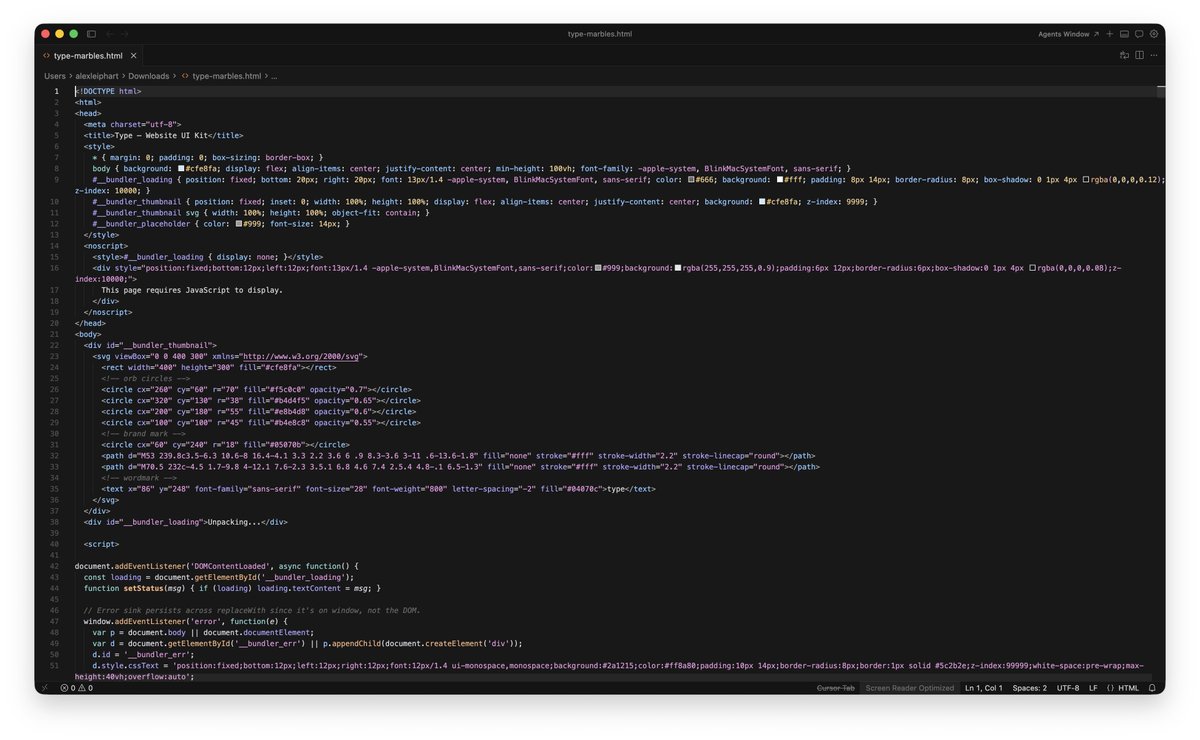
The motion folder contains a JSON file specifying Type-specific easing curves and transition speeds. Asked to visualize it, Claude Design produced an interactive component you can click through and feel the motion system rather than just read about it.
For design or engineering-led founding teams (such as Type), the loop runs even tighter. They pulled the kit into their editor, changed a value or two, save, and we’re building instantly. Change a primary color: update one CSS variable. Change a motion curve: edit the JSON. Re-upload to Claude Design and the whole guideline regenerates against the new values. The kit is editable in code, in real time, by the people closest to the work.

The same kit opened in Cursor with Opus 4.7. One prompt: build me an HTML landing page from the atomic kit.
https://block.xyz/inside/from-hierarchy-to-intelligence
举个例子:

最近我们帮 Type 搭了一套 atomic kit。Type 是一个多人协作的 AI workspace 工具,真实网站刚刚上线,可以去看看。感谢 @fletchrichman。

我们把最终的信息包放进 Cursor,然后只输入了一句提示词,generate me an HTML landing page based on the atomic design system and strategy. 模型会沿着 atoms、molecules 和 organisms 一层层走下去,最后生成一个完整落地页,字体是对的,hover 状态能用,模块是具体的,动效符合规范,CSS 元素也都来自嵌入式品牌指南。它同时还遵循了品牌定位、策略、语气风格和成品文案规范。效果非常好,这背后也离不开一个很强的创始团队,再加上一点点魔法,下一节会说。

motion 文件夹里有一个 JSON 文件,专门定义了 Type 的 easing 曲线和过渡速度。让 Claude Design 把它可视化之后,它生成了一个可交互组件,你可以点着看,直接感受这套 motion system,而不是只停留在阅读描述上。

如果创始团队本身就是设计或工程主导型,比如 Type,这个闭环还会更紧。他们把 kit 拉进编辑器,改上一两个值,保存,我们这边就能立刻继续构建。想改主色,只要更新一个 CSS 变量。想改运动曲线,就改 JSON。再重新上传到 Claude Design,整份指南就会围绕新值重新生成。这个 kit 可以在代码里实时编辑,而且操刀的人就是离工作最近的人。

同一套 kit,用 Opus 4.7 在 Cursor 里打开。只用一个提示词,build me an HTML landing page from the atomic kit.

https://block.xyz/inside/from-hierarchy-to-intelligence

magic_trick.md

Here's why usually a one-shot prompt won't deliver what you need to ship.

Everything the agentic kit typically produces is a recombination of what's put in: the positioning, the tone, the components, the motion. That's what the kit is built to do. The output will be consistent, branded, shippable. It will also gravitate toward the median of what the inputs allowed. Correctness and originality are not the same thing.

Most people forget the small upturn at the end of the whiteboard diagram; the magic trick.

When the execution layer is largely agentic, there's a moment near the end of an engagement when things start converging toward the middle, exactly when you need them to do the opposite. One-shotting almost never produces magical breakthroughs (sometimes I do miss the creativity of AI hallucinations).

For a premium-priced studio working with founders making big bets, "the median" is exactly what people pay us to avoid.

This is where a human has to walk back in with an idea. A real, glucose-burning, left-of-center, weird, sweaty original creative thought that couldn't have been predicted from the inputs.

The kind of move that tilts the outcome: a launch film concept based on a film-noir binge from last winter, a sublime product moment thought of while on a walk, a sub-culture-winking campaign idea based on a very late night out, a radical above-the-fold showstopper inspired by a tiny art gallery stumbled into during a rainstorm in a foreign country, a piece of billboard copy that lands harder than the system would have produced on its own.

We've been calling this magic_trick.md internally, and it's only half a joke.

https://x.com/jack

magic_trick.md

下面就是为什么,通常一个 one-shot 提示词并不能交付你真正能拿去上线的东西。

agentic kit 通常能产出的所有内容,本质上都是对输入内容的重新组合。定位、语气、组件、动效,这些都是 kit 被设计来处理的东西。所以它产出的结果会一致、符合品牌、可以上线。但它也会自然滑向这些输入所允许范围内的中位数。正确和原创不是一回事。

很多人都会忘记白板图最后那个小小的回升,也就是 magic trick。

当执行层大多已经变成 agentic 之后,在一个合作快收尾的时候,事情常常会开始朝中间收敛。偏偏这个时候,你最需要它往相反方向走。one-shot 几乎从来不会带来真正有魔力的突破,虽然有时候还是会怀念 AI 幻觉带来的那种创造力。

对于一个高定价、服务于那些在做大赌注的创始人的工作室来说,中位数恰恰是客户付钱让我们帮他们避开的东西。

这时候,人必须重新走进来,带着一个想法回来。一个真实的、会消耗葡萄糖的、偏到一边去的、古怪的、冒汗的原创创意。一个无法从输入里被预测出来的想法。

那种能把结果彻底扳过去的动作。比如一个发布短片的概念,灵感来自去年冬天疯狂补看的黑色电影。比如一次散步时突然想到的绝妙产品时刻。比如一个眨眼致意某个亚文化的 campaign 点子,来源于某个深夜玩到很晚的夜晚。比如一个首屏里极其激进、能一眼打停人的 showstopper,灵感来自在异国暴雨中误闯进的一家小画廊。又或者是一句广告牌文案,它的打击力远远超过系统自己能产出的东西。

我们内部把这叫作 magic_trick.md,这话有一半是在开玩笑。

https://x.com/jack

Vocabulary’s Value

Recently, Diplo was asked about AI. In his answer, he talked about how the best DJs in the world are often older than him because of their vocabulary; their accumulated knowledge of music.

For him, his excellent vocabulary came from years of waking up at five in the morning to dig through crates of records at flea markets, going house to house searching for obscure vinyl, reading every track, knowing every bass player on every record.

What makes a DJ great is those years of accumulated knowledge, and accumulating experience. Both let them know which record to pull, in which room, on which night. "That's what makes us good. My gift is that I came from digging up old records."

http://www.type.com/

A well-produced agentic system is the equivalent of an enormous, perfectly cross-referenced record library. Incredible in itself, and useless without understanding the energy of a crowd, the pheromones of a room, and the experience to do what no one expected and everyone remembered.

If the atomic kit is the library, magic_trick.md is the set a great DJ puts together for a specific room on a specific night. Yesterday's idea is not today's idea. The winning combination for each important brand output is a well-produced agentic kit and a deep-cut magic trick of an idea.

Make sure you leave room for that original thinking downstream, or you risk shipping something correct that nobody remembers.

If you only have the bold idea and no system underneath it, you'll ship something memorable that won't survive past the launch announcement.

System thinking and original thinking. One hand washes the other.

词汇的价值

最近有人问 Diplo 怎么看 AI。在回答里,他提到,世界上最好的 DJ 里有很多人年纪比他大,而他们厉害的原因在于他们的 vocabulary,也就是他们长期积累下来的音乐知识。

对他来说,这份出色的 vocabulary 来自多年如一日的积累。清晨五点起床,去跳蚤市场翻一箱箱唱片。挨家挨户找冷门黑胶。读每一首歌的资料,记住每一张唱片上的每一个贝斯手。

真正让一个 DJ 伟大的,是那些年复一年的知识积累,是那些不断堆起来的经验。正是这些东西,让他们知道在什么房间、什么夜晚、该抽出哪一张唱片来放。他说,That’s what makes us good. My gift is that I came from digging up old records.

http://www.type.com/

一个制作精良的 agentic system,就像一个庞大而且交叉索引完美的唱片库。它本身已经很惊人,但如果没有对人群能量的理解、对房间气味的感知,以及那种做出意料之外却让所有人记住的事的经验,它依然没法真正发挥作用。

如果说 atomic kit 是那个唱片库,那么 magic_trick.md 就是一位伟大 DJ 针对某个房间、某个夜晚排出来的 set。昨天的点子不是今天的点子。对于每一个重要品牌产出,真正能赢的组合,都是一套制作精良的 agentic kit,再加上 一个足够深、足够妙的 magic trick 式创意。

一定要在下游留出空间给这种原创思考,不然你上线的东西也许是对的,却没人记得住。

如果你只有那个大胆的创意,下面却没有系统托着,那你能做出让人记住的东西,但它活不过发布公告之后。

系统性思维和原创性思维。两者互相成就。

HTML & .MD: From Markdown to markup

One thing worth debating about (as did Nathaniel Whittemore two days ago on his excellent podcast, AI Daily Brief) is that we think HTML is increasingly the right format for this kind of work.
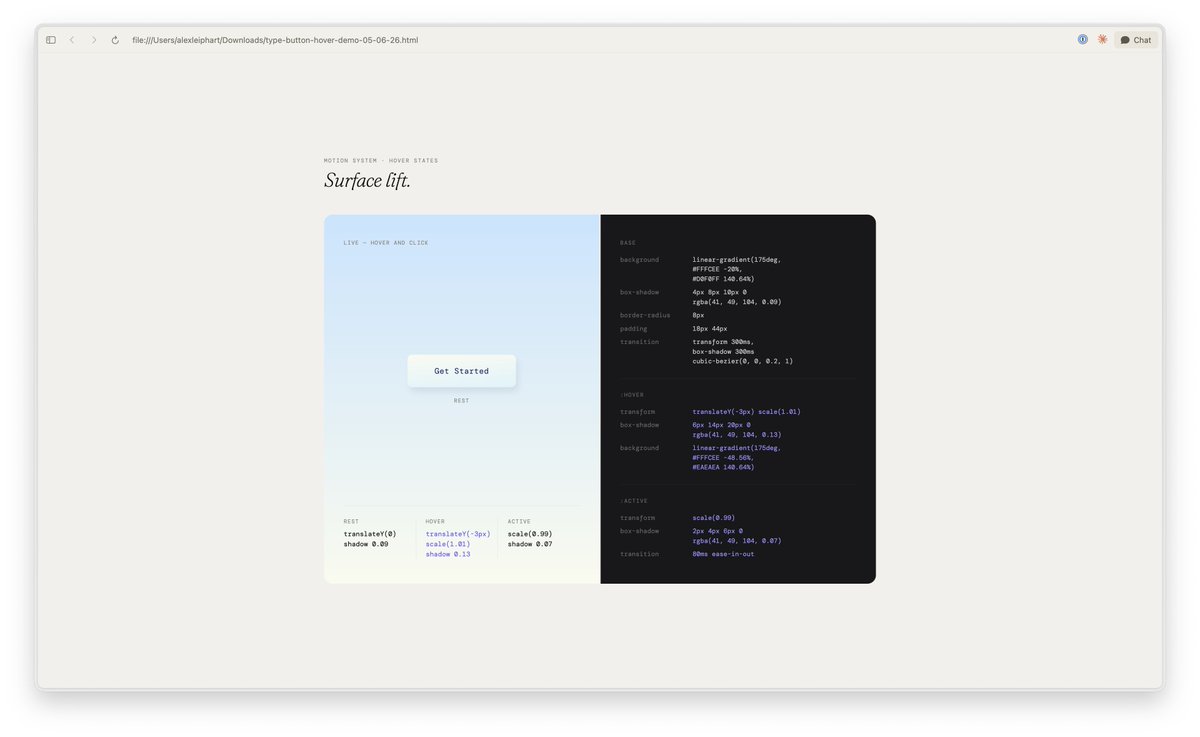
A component expressed in structured HTML is parseable by any modern agent. An SVG has its logic baked into geometry. A CSS file encodes the visual language at a structural level. These files are instructions an agent can act on directly. A flat raster export — PNG, JPEG, PDF — can be looked at but not built from.

When we structure a system as HTML, CSS, and SVG, we're building for how agents read and construct, not just for how humans view. That distinction shapes nearly every output decision we make.

(For a great technical read on this, see Using Claude Code: The Unreasonable Effectiveness of HTML by @thariq.)
https://x.com/roelofbotha

HTML 与 .MD:从 Markdown 到 markup

有件事值得讨论。两天前 Nathaniel Whittemore 在他那档很棒的播客 AI Daily Brief 里也谈到了这一点。我们越来越觉得,HTML 正在成为做这类工作的正确格式。

一个以结构化 HTML 表达的组件,可以被任何现代 agent 解析。一个 SVG 的逻辑直接烘焙在几何结构里。一个 CSS 文件会在结构层面编码视觉语言。这些文件本身就是 agent 可以直接行动的指令。相比之下,纯平面的光栅导出物,比如 PNG、JPEG、PDF,可以被看,但没法据此构建。

当我们把一个系统组织成 HTML、CSS 和 SVG 时,我们是在为 agent 如何读取、如何构建而设计,不只是为人如何观看而设计。这个差别,几乎决定了我们做出的每一个输出选择。

如果想看一篇很好的技术文章,可以读读这个,Using Claude Code: The Unreasonable Effectiveness of HTML,作者是 @thariq。

https://x.com/roelofbotha

What Claude Design Changed For Us

Our atomic kit concept predates Claude Design. We've been pushing in this direction since early this year, and our essay Building Brands for Humans and Agents laid out the case for refactoring brand work into agent-readable formats.

What feels significantly different now is that producing one of these kits well, at the speed a sprint demands, is genuinely feasible, and more impactful.

Claude Design has let us think through a system more visually, verbally, strategically, and structurally. We can work inside the same tool, producing artifacts in the right formats, without the manual conversion step that used to eat the back half of every project. The work that took a 12-week engagement in 2025 can now (sometimes) fit inside a 4-week sprint without compressing the value. When done right, the value has actually gone up.

The kit a client walks away with is generative, structured, future-proofed, and alive. The old deliverables were static, required manual maintenance, and extremely limited in their immediate implementation ability.

https://x.com/alexleiphart

http://readme.md/

Claude Design 为我们改变了什么

我们的 atomic kit 概念,其实早于 Claude Design。年初开始,我们就已经在往这个方向推了。我们那篇文章 Building Brands for Humans and Agents 里,也已经把为什么要把品牌工作重构成 agent 可读格式这件事讲清楚了。

但现在真正显著不同的地方在于,要把这样一套 kit 做好,而且以一次 sprint 要求的速度做出来,已经真的可行了,而且影响更大了。

Claude Design 让我们能从视觉、语言、策略和结构几个层面,同时去思考一个系统。我们可以一直待在同一个工具里工作,直接产出正确格式的 artifact,而不用再经历过去总会吃掉每个项目后半段时间的手动转换过程。2025 年一个需要 12 周合作周期才能做完的工作,现在有时 4 周 sprint 就能装下,而且不需要压缩价值。做得对的话,价值实际上还更高了

客户最后带走的 kit,是可生成的、有结构的、面向未来的、活着的。过去那些交付物则是静态的,需要人工维护,而且几乎没有即时落地实现的能力。

https://x.com/alexleiphart

http://readme.md/

What We’re Selling: Atomic Worlds

When an atomic kit is the deliverable, the kit isn't a finished asset. It's a system that produces finished assets.

That changes what's actually being sold. What's being sold is the encoded thinking that makes every future artifact, page, and product feel like the same brand.

The kit is an original work derived from original thinking. Every downstream output a client generates from it inherits that originality.

Jack Dorsey and Roelof Botha recently published "From Hierarchy to Intelligence," arguing that the next generation of companies will be organized around what they call a "world model" - a continuously updated, machine-readable understanding of the business itself, rich enough that AI can act on it directly. Their bet is that understanding is the moat, and that the depth of that understanding compounds as the system runs.
The same thing applies to the creative work we do.

An atomic kit is a brand world model. A structured, machine-readable understanding of what the brand is, who it's for, how it sounds, and how it looks. The depth of that understanding is what makes it valuable, and what makes it durable.

"An atomic kit is a brand world model."

我们卖的是什么:原子世界

当 atomic kit 本身 就是交付物时,这个 kit 就不再是一个已经完成的成品资产。

它是一个能持续产生成品资产的系统。

这也改变了真正被售卖的东西。被卖出去的,是那套被编码进去的思考。正是这套思考,让未来的每一个 artifact、页面和产品都像出自同一个品牌。

这个 kit 是从原创思考中生长出来的原创作品。客户之后基于它生成的每一个下游输出,都会继承这份原创性。

Jack Dorsey 和 Roelof Botha 最近发表了 From Hierarchy to Intelligence,文中提出,下一代公司会围绕他们所谓的 world model 来组织。也就是一种持续更新、机器可读、足够丰富到能让 AI 直接据此行动的企业自身理解。他们押注的是,理解本身会成为护城河,而这种理解的深度会随着系统运行不断复利。

这件事同样适用于我们做的创意工作。

一个 atomic kit,就是一个品牌 world model。它是一种结构化的、机器可读的理解,说明这个品牌是什么,它服务谁,它怎么说话,它长什么样。理解的深度,正是它值钱的原因,也是它耐用的原因。

一个 atomic kit,就是一个品牌的 world model。

How This Work Will Be Sold (Soon?)

Traditional creative work prices time and materials: scope it, pay for the output, move on. If the kit is the actual product, the upfront work is where the value concentrates, exactly as the whiteboard diagram shows. The ongoing relationship looks less like rescoping for production work and more like maintaining access to a living system.

We've already started doing versions of this. Through Dan Batten, we built a custom node-based deep research agent the Little Plains team has exclusive access to. We've been asked by multiple clients to use it. If we were ready, we'd offer monthly access at a flat fee with the understanding that we'd maintain and improve it continuously. They'd always get the current version.
Something structurally similar could apply to a brand system. We‘d stay in the kitchen refining the recipe. Clients always build from the best version of it. Lower upfront cost, ongoing license, continuous quality.

The same principle applies in our Flora work. We build original generative workflows for clients (a way of producing visuals, a custom UI generation pattern, a node-based content pipeline) and deliver that technique as an asset they can keep using, not just the outputs. As these techniques have grown more sophisticated, we're exploring licensing out access and usage.

https://x.com/emmettshine

We're not all the way to a full licensing model for creative, but we're close enough to start talking about it. The future of how this work gets bought and sold is closer to software pricing than agency pricing. For us it'll likely be a hybrid: scoped time and materials on the front end, ongoing licensing for the systems we leave behind.

If you believe you have original thinking and original ideas, this should feel like an advantage.

Aim to be paid for your mind, not your hands.

这种工作将会如何被售卖,也许很快就会如此

传统创意工作的收费方式,是按时间和物料来算。先定范围,为产出付费,做完继续往前走。如果 kit 才是真正的产品,那么前期工作就是价值最集中的地方,白板图已经很清楚地说明了这一点。后续关系看起来就不太像为了制作工作反复重新定范围,而更像是维持对一个活系统的持续访问。

我们其实已经开始这样做了。通过 Dan Batten,我们做了一个定制的、基于节点的 deep research agent,目前 Little Plains 团队独家使用。已经有多位客户希望我们拿它来服务他们。如果现在时机成熟,我们会直接按月提供访问权限,收固定费用,同时默认我们会持续维护和改进它。客户拿到的永远都是当前版本。

同样的结构,也可能适用于品牌系统。我们会一直待在厨房里调这份配方。客户始终基于它的最佳版本来构建。前期成本更低,后续按许可收费,质量持续提升。

同样的原则也适用于我们在 Flora 里的工作。我们会为客户搭建原创的生成式工作流,一种产出视觉的方法、一种定制的 UI 生成模式、一条基于节点的内容流水线,然后把这种技术本身作为资产交付给他们,让他们可以持续使用,而不只是拿走那些结果。随着这些技术越来越成熟,我们也在探索把访问权限和使用权以许可方式提供出去。

https://x.com/emmettshine

我们还没有完全走到创意工作全面许可化的那一步,但已经足够接近,值得现在就开始谈。未来这类工作被购买和售卖的方式,会更接近软件定价,而不是代理服务定价。对我们来说,大概率会是混合模式,前端按范围收时间和物料费,后续则对留下来的系统持续授权收费。

如果你相信自己有原创思考和原创点子,这件事对你来说应该是优势。

要争取让别人为你的脑子付费,而不是为你的手付费。

Where We’re At Now

We've handed over multiple atomic kits in the past month. Founding teams are building from them in real time, on real launch deadlines, which is the only test that actually matters.

Each member of our full-time team is using Claude Design daily. Our copywriters are testing copy inside HTML sites rather than Google docs, which gives a cleaner read on character counts, line breaks, and how narrative actually flows in situation. Our designers are stress-testing components in the same environment they'll be deployed into. The work is more honest because the medium is the medium.

In short, the upstream definition work; the strategy, the positioning logic, the visual and verbal systems that make a brand coherent is becoming the actual product. The following work is increasingly downstream.

Lastly, the work we've always cared about the most (the original, creative thinking) is the part that might matter even more going forward.

Thank you for reading! If you want to talk this nerdy stuff, please email us at: hello@littleplains.co.

  • Emmett & Alex

Emmett Shine and Alex Leiphart are partners of Little Plains, a New York studio working with awesome startups on brand, product, and the systems that hold both together.*
我们现在所处的位置

过去一个月里,我们已经交付了多套 atomic kit。创始团队正基于它们实时构建,面对的也是真实的发布 deadline,而这才是唯一真正重要的测试。

我们全职团队里的每个人,现在每天都在用 Claude Design。文案团队开始把文案放进 HTML 页面里测试,而不是 Google docs。这样更容易看清字数、换行,以及叙事在真实场景里到底是怎么流动的。设计师则在组件将要被真正部署进去的同一个环境里,对它们进行压力测试。工作变得更诚实了,因为媒介本身就是那个媒介。

简单说,上游那部分定义工作,也就是策略、定位逻辑、视觉和语言系统,那些让一个品牌保持连贯的东西,正在变成真正的产品。后面的工作,越来越成了下游延展。

最后,我们一直最在意的那部分工作,也就是原创的创造性思考,未来的重要性可能还会继续上升。

感谢阅读。 如果你也想聊聊这些 nerdy stuff,欢迎发邮件给我们,地址是:hello@littleplains.co。

  • Emmett & Alex

Emmett Shine 和 Alex Leiphart 是 Little Plains 的合伙人。Little Plains 是一家位于纽约的工作室,和一批很棒的创业公司合作,处理品牌、产品,以及把两者连接在一起的系统。*

How creative work is shifting from traditional outputs to atomic system-led outcomes.

Last week we sent a founder a zip file containing two folders: /human, /agent, & a readme.md. After a month of work, inside the agent folder, their entire brand was encoded as instructions via YAML, JSON, Markdown, HTML, CSS, SVG files. Upon receipt, they dropped the packet into Cursor, typed a prompt, and had a near-complete landing page that day.

In the last few weeks the simple zip folder has become the deliverable we've been asked to produce. Not a website, a software product, or a go-to-market campaign bible. Said another way, our input is where our value lies and what helps drives the outcome, not our outputs.

This is pretty new for us and in part pushed by what's possible through Claude Design. The accessible UI layer and the organized files Design produces have been a pretty big breakthrough at @littleplainsxo.

We wanted to walk through what we've been experiencing over the past few weeks with a few of the earliest stage founders we've been working with this on.

We'll also talk about where we see human creativity and original thinking (the 'magic trick') being the most valuable, and why this is increasingly what we want to be paid for.

Project Value is Moving Upstream

We're in the early stages of seeing first-hand that creative work itself is changing, and the value, timeline, and pricing model along with it.

A few days ago, @alexleiphart and I were at the office trying to explain this shift in how we’re working to a few friends in the industry who were visiting. To illustrate what we were grappling with, we drew a diagram on a whiteboard: a project's value on the vertical axis + project time on the horizontal.

A crude whiteboard drawing showing how value is becoming more upfront / input based.

In traditional service engagements, value grows slow and steady as deliverables accumulate. You pay for the time, you receive the outputs, and the value builds across the engagement. Over the past few months, what we're finding looks more like a funnel laid on its side.

For early-stage engagements, we're finding the highest concentration of value sits at the very start: the 0-to-1 thrust of deep research, expert synthesis, and the bold judgment calls about how to position a company as a brand. Who it's for. What it says. How it sounds. Where it lives in the market. Those judgment calls are what separates a system that holds from one that doesn't. The funnel narrows sharply from here because once the thinking is done, the outputs runs on the thinking's logic.

Note: notice ‘magic-trick.md' at the very end of the diagram. We'll come back to that.

The Agency Model is Shifting

For most of the history of (all?) agency work, the handoff was static. A design file, a PDF, a deck the client would reference, interpret …and gradually drift from as new work got built, new copy got written, and new vendors and teammates got hired.

In the past few decades of digital-based creative work, anyone who's encountered a Brand_Guidelines_FINAL_v3-FINAL-FINAL.pdf knows the pattern. The brand existed in the world after handoff in whatever shape the client's team could maintain.

However, what we and others on the front lines of agentic creative have been shipping recently is different in form and different in intent.

The shape of every kit we ship now.

The /human folder contains brand guidelines in traditional format (PDFs, Figma linked docs, etc), still valuable and still core to the vast majority of teams.

The /agent folder is the more interesting piece.

Based on the work in the /human folder, the YAML, JSON, Markdown, HTML, CSS, and SVG files are structured so any agentic tool can read them and build from them. The brand is now encoded as instructions, not documentation, and based on our upstream judgement calls. An agent opening that folder gets a holistic system it can act on, with an embedded POV.

The breakthrough of the past few months is that the kit is coherent end-to-end, not just individually retrievable.

Input this ‘atomic system’ into Claude Design, Code, Cursor (or many, many other tools) and the brand DNA can expand to write, design, animate, and ship a landing page, a UI surface, or a GTM campaign at a high level of quality, context, EQ, and technical specificity because the foundational thinking is embedded in the structure of the files.

It's the same brand in two formats: one that humans use to understand the system, one that agents use to extend it. The breakthrough of the past month is now that packet of information for agents has a more clear higher-level unifying direction, and has the lower-level technical details to build towards it.

In Example:

We recently helped build the atomic kit for Type (see the real site that just launched!), a multiplayer AI workspace tool (thanks @fletchrichman).

We put the final packet into Cursor and typed a single prompt: "generate me an HTML landing page based on the atomic design system and strategy." The model walked through atoms, molecules, and organisms and produced a full landing page with correct fonts, working hover states, specific modules, motion that matched the spec, and CSS elements from the embedded brand guidelines. It also followed the brand positioning, strategy, tone of voice, and production copy guidelines. It was very good, and was assisted by an incredible founding team + a little magic (see next section).

The motion folder contains a JSON file specifying Type-specific easing curves and transition speeds. Asked to visualize it, Claude Design produced an interactive component you can click through and feel the motion system rather than just read about it.

For design or engineering-led founding teams (such as Type), the loop runs even tighter. They pulled the kit into their editor, changed a value or two, save, and we’re building instantly. Change a primary color: update one CSS variable. Change a motion curve: edit the JSON. Re-upload to Claude Design and the whole guideline regenerates against the new values. The kit is editable in code, in real time, by the people closest to the work.

The same kit opened in Cursor with Opus 4.7. One prompt: build me an HTML landing page from the atomic kit.

https://block.xyz/inside/from-hierarchy-to-intelligence

magic_trick.md

Here's why usually a one-shot prompt won't deliver what you need to ship.

Everything the agentic kit typically produces is a recombination of what's put in: the positioning, the tone, the components, the motion. That's what the kit is built to do. The output will be consistent, branded, shippable. It will also gravitate toward the median of what the inputs allowed. Correctness and originality are not the same thing.

Most people forget the small upturn at the end of the whiteboard diagram; the magic trick.

When the execution layer is largely agentic, there's a moment near the end of an engagement when things start converging toward the middle, exactly when you need them to do the opposite. One-shotting almost never produces magical breakthroughs (sometimes I do miss the creativity of AI hallucinations).

For a premium-priced studio working with founders making big bets, "the median" is exactly what people pay us to avoid.

This is where a human has to walk back in with an idea. A real, glucose-burning, left-of-center, weird, sweaty original creative thought that couldn't have been predicted from the inputs.

The kind of move that tilts the outcome: a launch film concept based on a film-noir binge from last winter, a sublime product moment thought of while on a walk, a sub-culture-winking campaign idea based on a very late night out, a radical above-the-fold showstopper inspired by a tiny art gallery stumbled into during a rainstorm in a foreign country, a piece of billboard copy that lands harder than the system would have produced on its own.

We've been calling this magic_trick.md internally, and it's only half a joke.

https://x.com/jack

Vocabulary’s Value

Recently, Diplo was asked about AI. In his answer, he talked about how the best DJs in the world are often older than him because of their vocabulary; their accumulated knowledge of music.

For him, his excellent vocabulary came from years of waking up at five in the morning to dig through crates of records at flea markets, going house to house searching for obscure vinyl, reading every track, knowing every bass player on every record.

What makes a DJ great is those years of accumulated knowledge, and accumulating experience. Both let them know which record to pull, in which room, on which night. "That's what makes us good. My gift is that I came from digging up old records."

http://www.type.com/

A well-produced agentic system is the equivalent of an enormous, perfectly cross-referenced record library. Incredible in itself, and useless without understanding the energy of a crowd, the pheromones of a room, and the experience to do what no one expected and everyone remembered.

If the atomic kit is the library, magic_trick.md is the set a great DJ puts together for a specific room on a specific night. Yesterday's idea is not today's idea. The winning combination for each important brand output is a well-produced agentic kit and a deep-cut magic trick of an idea.

Make sure you leave room for that original thinking downstream, or you risk shipping something correct that nobody remembers.

If you only have the bold idea and no system underneath it, you'll ship something memorable that won't survive past the launch announcement.

System thinking and original thinking. One hand washes the other.

HTML & .MD: From Markdown to markup

One thing worth debating about (as did Nathaniel Whittemore two days ago on his excellent podcast, AI Daily Brief) is that we think HTML is increasingly the right format for this kind of work.

A component expressed in structured HTML is parseable by any modern agent. An SVG has its logic baked into geometry. A CSS file encodes the visual language at a structural level. These files are instructions an agent can act on directly. A flat raster export — PNG, JPEG, PDF — can be looked at but not built from.

When we structure a system as HTML, CSS, and SVG, we're building for how agents read and construct, not just for how humans view. That distinction shapes nearly every output decision we make.

(For a great technical read on this, see Using Claude Code: The Unreasonable Effectiveness of HTML by @thariq.)

https://x.com/roelofbotha

What Claude Design Changed For Us

Our atomic kit concept predates Claude Design. We've been pushing in this direction since early this year, and our essay Building Brands for Humans and Agents laid out the case for refactoring brand work into agent-readable formats.

What feels significantly different now is that producing one of these kits well, at the speed a sprint demands, is genuinely feasible, and more impactful.

Claude Design has let us think through a system more visually, verbally, strategically, and structurally. We can work inside the same tool, producing artifacts in the right formats, without the manual conversion step that used to eat the back half of every project. The work that took a 12-week engagement in 2025 can now (sometimes) fit inside a 4-week sprint without compressing the value. When done right, the value has actually gone up.

The kit a client walks away with is generative, structured, future-proofed, and alive. The old deliverables were static, required manual maintenance, and extremely limited in their immediate implementation ability.

https://x.com/alexleiphart

http://readme.md/

What We’re Selling: Atomic Worlds

When an atomic kit is the deliverable, the kit isn't a finished asset. It's a system that produces finished assets.

That changes what's actually being sold. What's being sold is the encoded thinking that makes every future artifact, page, and product feel like the same brand.

The kit is an original work derived from original thinking. Every downstream output a client generates from it inherits that originality.

Jack Dorsey and Roelof Botha recently published "From Hierarchy to Intelligence," arguing that the next generation of companies will be organized around what they call a "world model" - a continuously updated, machine-readable understanding of the business itself, rich enough that AI can act on it directly. Their bet is that understanding is the moat, and that the depth of that understanding compounds as the system runs.

The same thing applies to the creative work we do.

An atomic kit is a brand world model. A structured, machine-readable understanding of what the brand is, who it's for, how it sounds, and how it looks. The depth of that understanding is what makes it valuable, and what makes it durable.

"An atomic kit is a brand world model."

How This Work Will Be Sold (Soon?)

Traditional creative work prices time and materials: scope it, pay for the output, move on. If the kit is the actual product, the upfront work is where the value concentrates, exactly as the whiteboard diagram shows. The ongoing relationship looks less like rescoping for production work and more like maintaining access to a living system.

We've already started doing versions of this. Through Dan Batten, we built a custom node-based deep research agent the Little Plains team has exclusive access to. We've been asked by multiple clients to use it. If we were ready, we'd offer monthly access at a flat fee with the understanding that we'd maintain and improve it continuously. They'd always get the current version.

Something structurally similar could apply to a brand system. We‘d stay in the kitchen refining the recipe. Clients always build from the best version of it. Lower upfront cost, ongoing license, continuous quality.

The same principle applies in our Flora work. We build original generative workflows for clients (a way of producing visuals, a custom UI generation pattern, a node-based content pipeline) and deliver that technique as an asset they can keep using, not just the outputs. As these techniques have grown more sophisticated, we're exploring licensing out access and usage.

https://x.com/emmettshine

We're not all the way to a full licensing model for creative, but we're close enough to start talking about it. The future of how this work gets bought and sold is closer to software pricing than agency pricing. For us it'll likely be a hybrid: scoped time and materials on the front end, ongoing licensing for the systems we leave behind.

If you believe you have original thinking and original ideas, this should feel like an advantage.

Aim to be paid for your mind, not your hands.

Where We’re At Now

We've handed over multiple atomic kits in the past month. Founding teams are building from them in real time, on real launch deadlines, which is the only test that actually matters.

Each member of our full-time team is using Claude Design daily. Our copywriters are testing copy inside HTML sites rather than Google docs, which gives a cleaner read on character counts, line breaks, and how narrative actually flows in situation. Our designers are stress-testing components in the same environment they'll be deployed into. The work is more honest because the medium is the medium.

In short, the upstream definition work; the strategy, the positioning logic, the visual and verbal systems that make a brand coherent is becoming the actual product. The following work is increasingly downstream.

Lastly, the work we've always cared about the most (the original, creative thinking) is the part that might matter even more going forward.

Thank you for reading! If you want to talk this nerdy stuff, please email us at: hello@littleplains.co.

  • Emmett & Alex

Emmett Shine and Alex Leiphart are partners of Little Plains, a New York studio working with awesome startups on brand, product, and the systems that hold both together.*

📋 讨论归档

讨论进行中…