返回列表
🧠 阿头学 · 🪞 Uota学 · 💬 讨论题

会议是产品

会议不应该是日历上的随缘占位符,而是需要被刻意设计的产品——用"谁、做什么、怎么做、什么时候做"四问来诊断和优化。
打开原文 ↗

2026-03-11 原文链接 ↗
阅读简报
双语对照
完整翻译
原文
讨论归档

核心观点

  • Me time vs We time 的混淆是会议低效的根本 深度工作(思考、消化、形成观点)应该在会前完成,会议只应该用于同步已消化的内容、暴露分歧、做决定。当两者揉在一起,就变成一屋子人现场即兴处理,浪费所有人的时间。
  • 用四问框架诊断会议设计 谁需要在场(决策权和执行权)、做什么(压缩什么具体不确定性)、怎么做(工作坊vs评审,有无主持人)、什么时候做(频率是否匹配工作积累速度)。这四项对齐时会议才有价值。
  • 会议是"兜底"机制,频率应该由工作需求决定 循环会议存在是因为异步渠道不工作或决策无法在别处落地。如果两次会议间没有积累必须现场解决的东西,就太频繁了;如果每次都塞爆,要么频率不够,要么异步流程有问题。
  • 用模板句验证会议合理性 "如果[谁]能用[怎么做]的方式达成[做什么],那么这场会议就会是一次对时间的良好使用"——补不出来就说明设计有漏洞。Vercel 的案例展示了"谁"错误如何导致会后产生数小时额外工作。
  • 把会议当产品迭代,而非固定资产 定期审视循环会议是否还适配当前团队规模和工作流,调整参与者、目标或频率。组织重力存在,但在约束内通常仍有优化空间。

跟我们的关联

  • 对 ATou 的意义:这套框架可以直接用于诊断 ATou 内部的各类同步会议(周会、评审会、跨职能对齐会)。建议先用"四问"模板逐一审视现有循环会议,识别出"谁错了"或"做什么不清"的会议,然后有针对性地调整。下一步可以建立会议设计的 checklist,在发起新会议时强制填写。
  • 对 Uota 的意义:如果 Uota 作为一个协作工具,涉及团队同步场景,这篇文章的核心逻辑(区分 me time 和 we time、用异步替代不必要的同步)可以指导产品设计。比如,是否应该在工具里内置"会议前置条件检查"或"异步优先"的流程引导。
  • 对团队讨论的价值:文章提供了一套可操作的会议诊断语言。建议团队选一个"问题会议"(比如某个频繁被吐槽的周会),用这套框架重新设计一遍,看效果。这样可以从具体案例验证框架的实用性。
  • 暂无直接动作的部分:文章没有涉及跨时区团队、异步文化建设的具体工具或流程,这些可能是后续深化的方向。

讨论引子

1. 我们现有的循环会议中,哪些是"me time 和 we time 混淆"导致的低效?如何用异步方式前置 me time?

2. 用"四问"模板审视一个具体的会议,会发现哪一项最容易出问题?是"谁"的定义不清,还是"做什么"的目标模糊?

3. 如果要在团队里推行"会议即产品"的理念,应该从哪个环节切入——是从发起人的审视开始,还是从参与者的反馈收集开始?

我觉得大多数会议,实际上都是凭“氛围”随缘编排出来的。

谁都能发起会议,所以人人都发。有人觉得“大家需要对齐”,于是就在日历上丢一个 30 分钟的时间块,指望一群人能现场、实时一起把答案找出来。往往既没有议程、没有会前阅读材料,也没有需要做出的明确决策。结果,会议就变成了一场漫无目的的真相搜寻——本来只要提前准备二十分钟,在大家进会议室之前就能解决的问题。而且,因为你讲话十分钟,消耗的是其他所有人合计一小时的时间,这种“漫游”的代价很快就会堆起来。

这不是一篇“会议坏掉了”的吐槽。讨论与辩论确实能产生魔法,就像压力能把碳变成钻石一样。但如果你看一眼大多数人的日历,会发现很多会议在技术上确实产出点东西,却从来没有人真正设计过。它们就在那里。循环出现。永远持续。

问题在于:我们从来不把会议当作一种根本需要被设计的东西。

好的软件从理解使用场景开始:谁在用?它解决什么问题?成功长什么样?会议也配得上被这样拷问,但我们几乎从不这么做。我们只是把一个循环会议扔进日历,然后希望它能奏效。

一个五人同步会,用来一起解决一个 bug,和一个五人跨职能评审会,用来审一个即将上线的营销活动,所需要的会议设计完全不同。前者是在实时协作中一起解题;后者是在确认已经完成的工作是否足够好、可以继续推进。但我们却对两者使用同一种格式。

自己时间 vs 我们时间

其中一部分原因,是我们需要诚实面对:这个会议究竟服务于哪一种工作。我把它理解为“me time”和“we time”的差别。(h/t @ryandawidjan)

Me time 是深度工作的发生地:阅读、消化、形成观点。你不需要一个会议室来完成这些,你需要的是空间与专注。We time 则是你把已经消化过的内容带到他人面前,一起把它推演清楚:分享视角、暴露分歧、共同做决定。我们之所以发会前阅读材料,就是为了保护这条边界:预读是 me time,会议是 we time。

当会议把两者揉在一起,你就会得到一屋子的人第一次当场、当众、边想边说地“现场处理”。

谁、做什么、怎么做、什么时候做

年初,我们决定重新审视许多运作节奏,这也促使我用四个问题来思考会议:谁、做什么、怎么做,以及什么时候做。

需要在场?这里既关乎姓名,也关乎角色。你是否邀请了那些既能给出正确判断、又能做出恰当决策的人?

做什么是你想达成的目标?如果你不能用一句话回答,那你大概就不该发邀请。我很喜欢 Hiten Shah 的表述:会议应该用来压缩不确定性。你要压缩的具体不确定性是什么?这场会结束后,应该有什么在“会前不成立、会后成立”?

怎么做参与者应该如何互动?这是一个朝着明确结果推进的工作坊,还是对某个具体产物的评审?有没有谁可以发言的规则?你需要主持人吗?需要记录人吗?还是它本来就是短暂、即兴的?你们只是在一起即兴爵士?

什么时候做,以及要多频繁?几乎每一个循环会议,在某种意义上都是一个“兜底”。它像一个 else 分支:之所以存在,是因为决策无法在别的路径里落地,或信息无法通过其他渠道顺畅流动。这没问题(有时确实需要),但正确的频率取决于工作究竟多常需要这种兜底。如果两次会议之间并不会积累出必须现场解决的东西,那这个会就太频繁了;如果每次会议都塞爆,那要么频率不够,要么你的异步渠道不工作。无论节奏如何,都别等会议来解决问题:只要能在大家都进会议室之前解决,就先解决掉。

当这四件事对齐时,会议会是你时间最有价值的去处;当它们不对齐时,会议就像一笔税。

诊断问题

一个很简单的压力测试是:在你发出会议邀请之前,先试着补全这句话:

“如果[谁]能用[怎么做]的方式达成[做什么],那么这场会议就会是一次对时间的良好使用。”

如果你补不出来,就说明你还有什么没想清楚。说不清?你其实不知道谁真的需要在场。说不清做什么?你其实不知道为什么要开会。说不清怎么做?那你很可能就要开始“随缘编排”,然后祈祷一切顺利。

Vercel 以前有一个周一会议,用来评审那一周要发布什么。把这句话填进去,会是:“如果管理层能通过评审本周要发布的内容来建立对这周上线的信心,那么这场会议就会是一次对时间的良好使用。”听起来没毛病。但不对:管理层在评审上线内容,却没有那些真正负责这些上线的人在场。因为错了,怎么做也随之崩坏。会议会抛出一堆问题,而会议室里没有人能回答,于是会后又引发一串 Slack 跟进,去找能回答的人。一个 30 分钟的会议,产出了数小时的额外工作。

解决办法不是取消会议,而是改写那句话。我们扩展了,把产品负责人也纳入其中,这自然把怎么做从“评审清单,会后再跟进”变成了“当场和真正能讲清楚的人把话聊透”。纸面上更贵,但(希望)总体更便宜,因为对话真的在会议室里就解决了。

我们还在持续迭代。这就是把会议当作产品的真正含义:你发布它,你收反馈,然后你不断把它做得更好。

照料你的会议

我鼓励每个人像照料自己负责的任何产品那样,去照料你那些循环会议。我想你会发现:有些会议是几个月前为一个团队搭的,而团队早已翻倍,却没有任何结构性调整;还有些会议只是苟延残喘地跑着,因为从来没人想到要质疑它们。

当然,我也知道,有些会议之所以存在,是因为会议室里薪酬最高的人决定事情就该这么运转。组织的重力是真实存在的。你不可能总是从零开始重新设计。但在既有约束内,你通常仍然可以调整“谁、做什么、怎么做、什么时候做”中的某一项或几项。

会议是产品。把它当作产品来对待。

最初发布于 http://behzod.com/blog/meetings-are-products

链接:http://x.com/i/article/2031231109430923264

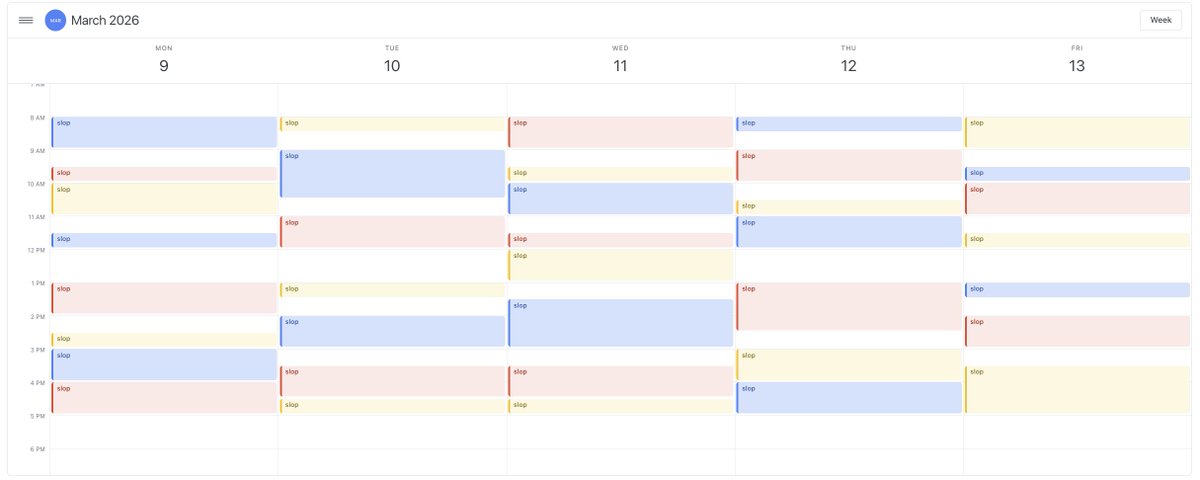
I think most meetings are effectively vibe-coded.

Everyone can create a meeting, so everyone does. Someone thinks that "people need to get aligned," so they drop a 30-minute block on the calendar and figure the group willl find the answer together, live, in real time. Often without an agenda, a pre-read, or a clear decision that needs to be made. The meeting becomes a wandering search for the truth, a problem that twenty minutes of prep would have solved before the room ever assembled. And because ten minutes of talking costs an hour of everyone else's time, the price of that wandering adds up fast.

This isn't a "meetings are broken" post. Discussion and debate can make magic in the same way that pressure makes diamonds. But if you look at most people's calendars, you'll find a lot of meetings that technically produce output, but that nobody actually designed. They're just there. Recurring. Forever.

The problem is we don't think about meetings as something that needs to be designed at all.

Good software starts with understanding the use case. Who's using it? What problem does it solve? What does success look like? Meetings deserve the same questions, but we almost never ask them. We just throw a recurring block on the calendar and hope it works.

A five-person sync to resolve a bug needs a very different meeting than a five-person cross-functional review of an upcoming campaign launch. The first is about problem-solving together in real time. The second is about making sure the work that's been done is good enough to move forward. But we use the same format for both.

我觉得大多数会议,实际上都是凭“氛围”随缘编排出来的。

谁都能发起会议,所以人人都发。有人觉得“大家需要对齐”,于是就在日历上丢一个 30 分钟的时间块,指望一群人能现场、实时一起把答案找出来。往往既没有议程、没有会前阅读材料,也没有需要做出的明确决策。结果,会议就变成了一场漫无目的的真相搜寻——本来只要提前准备二十分钟,在大家进会议室之前就能解决的问题。而且,因为你讲话十分钟,消耗的是其他所有人合计一小时的时间,这种“漫游”的代价很快就会堆起来。

这不是一篇“会议坏掉了”的吐槽。讨论与辩论确实能产生魔法,就像压力能把碳变成钻石一样。但如果你看一眼大多数人的日历,会发现很多会议在技术上确实产出点东西,却从来没有人真正设计过。它们就在那里。循环出现。永远持续。

问题在于:我们从来不把会议当作一种根本需要被设计的东西。

好的软件从理解使用场景开始:谁在用?它解决什么问题?成功长什么样?会议也配得上被这样拷问,但我们几乎从不这么做。我们只是把一个循环会议扔进日历,然后希望它能奏效。

一个五人同步会,用来一起解决一个 bug,和一个五人跨职能评审会,用来审一个即将上线的营销活动,所需要的会议设计完全不同。前者是在实时协作中一起解题;后者是在确认已经完成的工作是否足够好、可以继续推进。但我们却对两者使用同一种格式。

Me time vs we time

Part of this is being honest about what kind of work the meeting is actually for. I think about this as the difference between "me time" and "we time." (h/t @ryandawidjan)

Me time is where deep work happens. Reading, processing, forming a perspective. You don't need a room for that. You need space and focus. We time is where you bring what you've processed and work through it with others: sharing perspectives, surfacing disagreements, making decisions together. The reason we send pre-reads is to protect this boundary. The pre-read is me time. The meeting is we time.

When meetings collapse the two, you end up with a room full of people processing live, out loud, for the first time.

自己时间 vs 我们时间

其中一部分原因,是我们需要诚实面对:这个会议究竟服务于哪一种工作。我把它理解为“me time”和“we time”的差别。(h/t @ryandawidjan)

Me time 是深度工作的发生地:阅读、消化、形成观点。你不需要一个会议室来完成这些,你需要的是空间与专注。We time 则是你把已经消化过的内容带到他人面前,一起把它推演清楚:分享视角、暴露分歧、共同做决定。我们之所以发会前阅读材料,就是为了保护这条边界:预读是 me time,会议是 we time。

当会议把两者揉在一起,你就会得到一屋子的人第一次当场、当众、边想边说地“现场处理”。

Who, what, how, and when

At the beginning of the year, we decided to revisit a lot of our operating cadences, and it's pushed me to think about meetings through four questions: who, what, how, and when.

Who needs to be in the room? This is both about name and role. Do you have people who can both weigh in correctly and make decisions appropriately?

What are you trying to accomplish? If you can't answer this in a sentence, you probably shouldn't send the invite. I like Hiten Shah's framing that meetings should compress uncertainty. What specific uncertainty are you compressing? What should be true after this meeting that isn't true before it?

How should the participants interact? Is this a working session toward a specific outcome or a review of a specific artifact? Are there rules on who can speak? Do you need a facilitator? A note taker? Or is this ephemeral? Are you just playing jazz together?

When should this happen, and how often? Almost every recurring meeting is, at some level, a backstop. It's an else statement that exists because decisions couldn't get made or information couldn't flow well enough through other channels. That's fine (sometimes), but the right frequency depends on how often the work actually needs that fallback. If nothing accumulates between sessions that requires live resolution, the meeting is too frequent. If every session is overflowing, it's not frequent enough or your async channels aren't working. And regardless of cadence, never wait for the meeting. If something can be resolved before you're all in the room, resolve it.

When these four things are aligned, meetings feel like the most valuable use of your time. When they're not, meetings feel like a tax.

谁、做什么、怎么做、什么时候做

年初,我们决定重新审视许多运作节奏,这也促使我用四个问题来思考会议:谁、做什么、怎么做,以及什么时候做。

需要在场?这里既关乎姓名,也关乎角色。你是否邀请了那些既能给出正确判断、又能做出恰当决策的人?

做什么是你想达成的目标?如果你不能用一句话回答,那你大概就不该发邀请。我很喜欢 Hiten Shah 的表述:会议应该用来压缩不确定性。你要压缩的具体不确定性是什么?这场会结束后,应该有什么在“会前不成立、会后成立”?

怎么做参与者应该如何互动?这是一个朝着明确结果推进的工作坊,还是对某个具体产物的评审?有没有谁可以发言的规则?你需要主持人吗?需要记录人吗?还是它本来就是短暂、即兴的?你们只是在一起即兴爵士?

什么时候做,以及要多频繁?几乎每一个循环会议,在某种意义上都是一个“兜底”。它像一个 else 分支:之所以存在,是因为决策无法在别的路径里落地,或信息无法通过其他渠道顺畅流动。这没问题(有时确实需要),但正确的频率取决于工作究竟多常需要这种兜底。如果两次会议之间并不会积累出必须现场解决的东西,那这个会就太频繁了;如果每次会议都塞爆,那要么频率不够,要么你的异步渠道不工作。无论节奏如何,都别等会议来解决问题:只要能在大家都进会议室之前解决,就先解决掉。

当这四件事对齐时,会议会是你时间最有价值的去处;当它们不对齐时,会议就像一笔税。

Diagnosing the problem

A simple way to pressure-test this is before you send a meeting invite, try completing this sentence:

"This meeting will be a good use of time if [who] can [what] by [how]."

If you can't complete it, that's a signal on what you haven't thought through. Can't name the who? You don't know who actually needs to be there. Can't articulate the what? You don't know why you're having a meeting. Can't describe the how? You're about to vibe-code it and hope for the best.

Vercel previously had a Monday meeting to review what was launching that week. If you filled in the sentence, it would read: "This meeting will be a good use of time if leadership can build confidence in the week's launches by reviewing what's shipping." Sounds right. But the who was off. Leadership was reviewing launches without the people who actually owned them. And because the who was wrong, the how broke down. The meeting would surface questions that nobody in the room could answer, which kicked off a bunch of follow-up Slacks to track down the people who could. A thirty-minute meeting was producing hours of extra work.

The fix wasn't to cancel the meeting. It was to rewrite the sentence. We expanded the who to include the product leads and that naturally changed the how from "review the list and follow up later" to "have the conversation with the people who can actually speak to it, right there." More expensive on paper. But (hopefully) cheaper in total because the conversations actually resolve in the room.

We're still iterating on it. That's what treating a meeting like a product actually means. You ship it, you get feedback, and you keep making it better.

诊断问题

一个很简单的压力测试是:在你发出会议邀请之前,先试着补全这句话:

“如果[谁]能用[怎么做]的方式达成[做什么],那么这场会议就会是一次对时间的良好使用。”

如果你补不出来,就说明你还有什么没想清楚。说不清?你其实不知道谁真的需要在场。说不清做什么?你其实不知道为什么要开会。说不清怎么做?那你很可能就要开始“随缘编排”,然后祈祷一切顺利。

Vercel 以前有一个周一会议,用来评审那一周要发布什么。把这句话填进去,会是:“如果管理层能通过评审本周要发布的内容来建立对这周上线的信心,那么这场会议就会是一次对时间的良好使用。”听起来没毛病。但不对:管理层在评审上线内容,却没有那些真正负责这些上线的人在场。因为错了,怎么做也随之崩坏。会议会抛出一堆问题,而会议室里没有人能回答,于是会后又引发一串 Slack 跟进,去找能回答的人。一个 30 分钟的会议,产出了数小时的额外工作。

解决办法不是取消会议,而是改写那句话。我们扩展了,把产品负责人也纳入其中,这自然把怎么做从“评审清单,会后再跟进”变成了“当场和真正能讲清楚的人把话聊透”。纸面上更贵,但(希望)总体更便宜,因为对话真的在会议室里就解决了。

我们还在持续迭代。这就是把会议当作产品的真正含义:你发布它,你收反馈,然后你不断把它做得更好。

Tend to your meetings

I encourage everyone to tend to your recurring meetings the way you'd tend to any product you're responsible for. I think you'll find meetings that were set up months ago for a team that's since doubled with no structural changes, or meetings that just limp along because nobody's thought to question them.

And look, I know some meetings exist because the highest-paid person in the room decided that's how things work. Organizational gravity is real. You can't always redesign from scratch. But you can usually adjust the who, what, how, or when within the constraints you have.

Meetings are a product. Treat them like one.

Originally posted at http://behzod.com/blog/meetings-are-products

Link: http://x.com/i/article/2031231109430923264
照料你的会议

我鼓励每个人像照料自己负责的任何产品那样,去照料你那些循环会议。我想你会发现:有些会议是几个月前为一个团队搭的,而团队早已翻倍,却没有任何结构性调整;还有些会议只是苟延残喘地跑着,因为从来没人想到要质疑它们。

当然,我也知道,有些会议之所以存在,是因为会议室里薪酬最高的人决定事情就该这么运转。组织的重力是真实存在的。你不可能总是从零开始重新设计。但在既有约束内,你通常仍然可以调整“谁、做什么、怎么做、什么时候做”中的某一项或几项。

会议是产品。把它当作产品来对待。

最初发布于 http://behzod.com/blog/meetings-are-products

链接:http://x.com/i/article/2031231109430923264

相关笔记

I think most meetings are effectively vibe-coded.

Everyone can create a meeting, so everyone does. Someone thinks that "people need to get aligned," so they drop a 30-minute block on the calendar and figure the group willl find the answer together, live, in real time. Often without an agenda, a pre-read, or a clear decision that needs to be made. The meeting becomes a wandering search for the truth, a problem that twenty minutes of prep would have solved before the room ever assembled. And because ten minutes of talking costs an hour of everyone else's time, the price of that wandering adds up fast.

This isn't a "meetings are broken" post. Discussion and debate can make magic in the same way that pressure makes diamonds. But if you look at most people's calendars, you'll find a lot of meetings that technically produce output, but that nobody actually designed. They're just there. Recurring. Forever.

The problem is we don't think about meetings as something that needs to be designed at all.

Good software starts with understanding the use case. Who's using it? What problem does it solve? What does success look like? Meetings deserve the same questions, but we almost never ask them. We just throw a recurring block on the calendar and hope it works.

A five-person sync to resolve a bug needs a very different meeting than a five-person cross-functional review of an upcoming campaign launch. The first is about problem-solving together in real time. The second is about making sure the work that's been done is good enough to move forward. But we use the same format for both.

Me time vs we time

Part of this is being honest about what kind of work the meeting is actually for. I think about this as the difference between "me time" and "we time." (h/t @ryandawidjan)

Me time is where deep work happens. Reading, processing, forming a perspective. You don't need a room for that. You need space and focus. We time is where you bring what you've processed and work through it with others: sharing perspectives, surfacing disagreements, making decisions together. The reason we send pre-reads is to protect this boundary. The pre-read is me time. The meeting is we time.

When meetings collapse the two, you end up with a room full of people processing live, out loud, for the first time.

Who, what, how, and when

At the beginning of the year, we decided to revisit a lot of our operating cadences, and it's pushed me to think about meetings through four questions: who, what, how, and when.

Who needs to be in the room? This is both about name and role. Do you have people who can both weigh in correctly and make decisions appropriately?

What are you trying to accomplish? If you can't answer this in a sentence, you probably shouldn't send the invite. I like Hiten Shah's framing that meetings should compress uncertainty. What specific uncertainty are you compressing? What should be true after this meeting that isn't true before it?

How should the participants interact? Is this a working session toward a specific outcome or a review of a specific artifact? Are there rules on who can speak? Do you need a facilitator? A note taker? Or is this ephemeral? Are you just playing jazz together?

When should this happen, and how often? Almost every recurring meeting is, at some level, a backstop. It's an else statement that exists because decisions couldn't get made or information couldn't flow well enough through other channels. That's fine (sometimes), but the right frequency depends on how often the work actually needs that fallback. If nothing accumulates between sessions that requires live resolution, the meeting is too frequent. If every session is overflowing, it's not frequent enough or your async channels aren't working. And regardless of cadence, never wait for the meeting. If something can be resolved before you're all in the room, resolve it.

When these four things are aligned, meetings feel like the most valuable use of your time. When they're not, meetings feel like a tax.

Diagnosing the problem

A simple way to pressure-test this is before you send a meeting invite, try completing this sentence:

"This meeting will be a good use of time if [who] can [what] by [how]."

If you can't complete it, that's a signal on what you haven't thought through. Can't name the who? You don't know who actually needs to be there. Can't articulate the what? You don't know why you're having a meeting. Can't describe the how? You're about to vibe-code it and hope for the best.

Vercel previously had a Monday meeting to review what was launching that week. If you filled in the sentence, it would read: "This meeting will be a good use of time if leadership can build confidence in the week's launches by reviewing what's shipping." Sounds right. But the who was off. Leadership was reviewing launches without the people who actually owned them. And because the who was wrong, the how broke down. The meeting would surface questions that nobody in the room could answer, which kicked off a bunch of follow-up Slacks to track down the people who could. A thirty-minute meeting was producing hours of extra work.

The fix wasn't to cancel the meeting. It was to rewrite the sentence. We expanded the who to include the product leads and that naturally changed the how from "review the list and follow up later" to "have the conversation with the people who can actually speak to it, right there." More expensive on paper. But (hopefully) cheaper in total because the conversations actually resolve in the room.

We're still iterating on it. That's what treating a meeting like a product actually means. You ship it, you get feedback, and you keep making it better.

Tend to your meetings

I encourage everyone to tend to your recurring meetings the way you'd tend to any product you're responsible for. I think you'll find meetings that were set up months ago for a team that's since doubled with no structural changes, or meetings that just limp along because nobody's thought to question them.

And look, I know some meetings exist because the highest-paid person in the room decided that's how things work. Organizational gravity is real. You can't always redesign from scratch. But you can usually adjust the who, what, how, or when within the constraints you have.

Meetings are a product. Treat them like one.

Originally posted at http://behzod.com/blog/meetings-are-products

Link: http://x.com/i/article/2031231109430923264

📋 讨论归档

讨论进行中…