返回列表
🧠 阿头学 · 💬 讨论题

AI 时代的产品掌舵法则与极速实证陷阱

AI 将知识工作从执行推向决策,但盲目套用 OpenAI 的“极速实证”法则会因缺乏假设验证而加速团队偏离正确航线。
打开原文 ↗

2026-09-01 原文链接 ↗
阅读简报
双语对照
完整翻译
原文
讨论归档

核心观点

  • 工作范式转向掌舵 AI 接管执行后,人类的核心价值必然退守至品味驱动的决策与方向选择,而非产出效率。
  • 构建节奏必须超前 面向当前模型开发会导致产品发布即过时,领先模型 2-3 个月是唯一能平衡确定性与前瞻性的有效规划窗口。
  • 实证迭代取代理论推演 在技术非连续跃迁期,长周期战略文档已彻底失效,团队必须用可交互原型和半成品强制拉齐测试。
  • 思考写作严禁外包 状态同步与格式化汇报可交由 AI 自动化,但定义问题与逻辑推演的“思考型写作”必须由人主导,否则将直接丧失掌舵能力。

跟我们的关联

  • 对 👤ATou 意味着产品负责人的核心职能已从控排期转为拉高目标上限,下一步需在每次需求评审中强制追问“能否扩大 10 倍”并直接砍掉低杠杆假设。
  • 对 🪞Uota 意味着 AI 智能体架构必须放弃黑盒交付,下一步需构建可视化状态面板与高频干预接口,以维持人机掌舵闭环的紧凑度。
  • 对 🧠Neta 意味着团队知识管理必须剥离“汇报型写作”,下一步需建立 70% 草稿强制共享机制,将文档从单向广播转为双向纠错工具。

讨论引子

  • 当 AI 将试错成本压至趋近于零时,团队应建立何种硬性拦截机制来防止“缺乏清晰假设的极速狂奔”演变为系统性灾难?
  • “领先模型 2-3 个月构建”的经验法则在底层模型进入平台期或发生范式跃迁时,是否会从先发优势瞬间转化为巨大的沉没成本?
  • 在强合规或长交付周期的 B 端场景中,OpenAI 的“要原型不要文档”文化是否必然导致审计风险失控与资源错配?

的 ChatGPT Work 产品负责人: 1. 工作的未来是掌舵,而非划船。随着 AI 智能体(AI agents)承担更多的执行工作,人类将转向“掌舵”:决定下一步走向何方。尤其是掌舵中受品味驱动(taste-driven)的维度——因为你认为世界理应呈现某种样貌,从而选择一个方向。

  1. “你开始重度使用它了吗?”(Are you mainlining it yet?)OpenAI 的产品文化建立在三个内部问题之上:我们的目标是否足够宏大?这是否已达到最大程度的加速?以及你开始重度使用它了吗(即每天全天都在使用自己的产品)?Tara 将 Codex 过去几个月的氛围转变归功于这一长期坚持的准则:团队对用户的痴迷、紧凑的迭代闭环,以及在看到市场反应后迅速调整。

  2. 面向模型在两三个月后的状态进行构建。如果基于当前模型的能力进行构建,你的产品在发布时就会过时。也不要面向 12 个月后的能力构建。Tara 的经验法则是“领先模型两三个月进行构建”。

  3. 产品经理(PM)现在的职责是提升目标的宏大程度。Tyler Cowen 曾指出,一位领导者看着某人的工作并询问“你能做得更快吗?这能不能扩大 10 倍?”是多么强大的一件事。Tara 认为这是产品角色现在的核心功能。当工程师、设计师或利益相关者提出一个范围或时间表时,产品经理的关键干预措施是提高可能性的上限:“我们怎样才能把这个扩大 10 倍?我们难道不能更快地尝试吗?”OpenAI 的内部梗(这是否已达到最大程度的加速?你开始重度使用它了吗?)编码了同样的直觉。

  4. 大多数知识工作无法像代码那样被验证,这意味着它不会很快被取代。编程是输出导向的——你可以运行测试看看它是否能运行——但在知识工作中,过程本身是你发现(并信任)解决方案的方式。与客户交谈、尝试想法、观察市场的反应。这也是为什么 AI 产品展示进行中的工作、引用和思维链(chain of thought)如此重要——这样用户才能与模型一同经历这个过程,并真正相信最终结果。

  5. AI 让清晰的思考变得更为重要。更快的构建速度既是一份礼物,也是一种风险。礼物是能够以更快的速度进行迭代。风险在于,在任何人注意到之前,你现在可能已经在完全错误的方向上走了很远。如果构思和假设的质量跟不上执行速度,团队“偏离航线的速度会比以往任何时候都快”。没有清晰假设的速度只会更快地叠加错误。

  6. 实证胜过理论。在 Stripe 时,Tara 花费数十小时撰写严谨的战略文档,因为当时的市场已经足够成熟,可以从第一性原理进行推理。在 OpenAI,市场变化太快,12 个月的路线图已失去意义。正确的应对方式是从学术转向实证:找出你最核心的假设,然后尽快与用户一起测试。冗长的推理文档已经不再有意义。相反,应尽快做出人们可以真正尝试的实物。

  7. 永远不要将“作为思考的写作”自动化。相反,应将“作为汇报的写作”自动化:状态更新、邮件摘要等。但永远不要将你用来思考的写作外包:自己开始写文档,自己结束写文档,只在中间过程使用 AI 进行研究、收集数据和提出反驳。在文档完成 70% 时分享,以便合作者能与你一起挑毛病并加以润色。在 OpenAI,现在的准则是“要原型,不要文档”(mocks, not docs)——原型和 A/B 测试结果比冗长的文档沟通效果更好,因为 AI 已经让长文档成了毫无意义的严谨性信号。Tara 仍然会写数百份文档——但那是写给她自己的,而不是作为可分享的产出物。

  8. 即使角色界限消融,也必须有人成为直接负责人(DRI)。Tara 一直很喜欢工程师、产品经理和设计师之间几乎没有界限的状态。现在每个人都可以接手工作。但必须有人负责。总得有人对最终结果负责。


“你开始重度使用它了吗?”

这是 @OpenAI 内部最关键的梗之一,也是过去几个月 Codex 发生氛围转变的很大一部分原因。

它在问:你是否每天全天都在使用这款产品?你是否依赖它?你是否把你所有的


“风险在于,在任何人注意到之前,你现在可能已经在完全错误的方向上走了很远。”这 100% 是我经常看到的现象。另一个相关的点是缺乏专注。不仅有些人会在错误的方向上走得太远,而且他们还在做


70% 分享规则很有意思,因为它把文档变成了一场对话,而不是一个完成的产出物


掌舵是对的。我构建 49agents 正是将其作为实现这一目标的画布,这样我就能看到所有的智能体并选择下一步行动,而无需在终端里翻找。当智能体偏离方向时,你如何保持掌舵闭环的紧凑?

's ChatGPT Work product lead: 1. The future of work is steering, not rowing. As AI agents take on more of the execution work, humans will shift toward “steering”: making the call for where to go next. In particular, the taste-driven dimension of steering—choosing a direction because you believe the world should look a certain way.

的 ChatGPT Work 产品负责人: 1. 工作的未来是掌舵,而非划船。随着 AI 智能体(AI agents)承担更多的执行工作,人类将转向“掌舵”:决定下一步走向何方。尤其是掌舵中受品味驱动(taste-driven)的维度——因为你认为世界理应呈现某种样貌,从而选择一个方向。

  1. “Are you mainlining it yet?” OpenAI’s product culture runs on three internal questions: Are we being as ambitious as possible? Is this maximally accelerated? And are you mainlining it yet (i.e. using your own product all day, every day)? Tara credits the Codex vibe shift over the past few months to this long-held discipline: the team’s user obsession, tight iteration loops, and adjusting quickly once they see how the market reacts.
  1. “你开始重度使用它了吗?”(Are you mainlining it yet?)OpenAI 的产品文化建立在三个内部问题之上:我们的目标是否足够宏大?这是否已达到最大程度的加速?以及你开始重度使用它了吗(即每天全天都在使用自己的产品)?Tara 将 Codex 过去几个月的氛围转变归功于这一长期坚持的准则:团队对用户的痴迷、紧凑的迭代闭环,以及在看到市场反应后迅速调整。
  1. Build for where the models will be in two to three months. Build for current model capabilities, and your product will be outdated by the time it ships. Build for capabilities 12 months out. Tara’s heuristic is to “build for two to three months ahead of the model.”
  1. 面向模型在两三个月后的状态进行构建。如果基于当前模型的能力进行构建,你的产品在发布时就会过时。也不要面向 12 个月后的能力构建。Tara 的经验法则是“领先模型两三个月进行构建”。
  1. PMs are now in the business of elevating ambition. Tyler Cowen has noted how powerful it is for a leader to look at someone’s work and ask, “Could you do this faster? Could this be 10x bigger?” Tara sees this as a core function of the product role now. When engineers, designers, or stakeholders propose a scope or timeline, a key PM intervention is raising the possibility ceiling: “How could we 10x this? Couldn’t we try this faster?” The OpenAI internal memes (Is this maximally accelerated? Are you mainlining it?) encode the same instinct.
  1. 产品经理(PM)现在的职责是提升目标的宏大程度。Tyler Cowen 曾指出,一位领导者看着某人的工作并询问“你能做得更快吗?这能不能扩大 10 倍?”是多么强大的一件事。Tara 认为这是产品角色现在的核心功能。当工程师、设计师或利益相关者提出一个范围或时间表时,产品经理的关键干预措施是提高可能性的上限:“我们怎样才能把这个扩大 10 倍?我们难道不能更快地尝试吗?”OpenAI 的内部梗(这是否已达到最大程度的加速?你开始重度使用它了吗?)编码了同样的直觉。
  1. Most knowledge work can’t be verified like code, which means it won’t be replaced anytime soon. Coding is output-oriented—you can run tests and see if it works—but with knowledge work, the process itself is how you discover (and trust) the solution. Talking to customers, trying out ideas, seeing the market’s reaction. This is also why it’s important for AI products to surface in-progress work, citations, and chain of thought—so users can go on the journey with the model and actually believe the end result.
  1. 大多数知识工作无法像代码那样被验证,这意味着它不会很快被取代。编程是输出导向的——你可以运行测试看看它是否能运行——但在知识工作中,过程本身是你发现(并信任)解决方案的方式。与客户交谈、尝试想法、观察市场的反应。这也是为什么 AI 产品展示进行中的工作、引用和思维链(chain of thought)如此重要——这样用户才能与模型一同经历这个过程,并真正相信最终结果。
  1. AI makes clear thinking even more important. Building faster is a gift and a risk. The gift is the ability to iterate at much greater speed. The risk is that you can now travel very far in entirely the wrong direction before anyone notices. If ideation and hypothesis quality do not keep pace with execution speed, teams “blow off course way quicker” than they ever would have before. Speed without a clear hypothesis will just compound errors faster.
  1. AI 让清晰的思考变得更为重要。更快的构建速度既是一份礼物,也是一种风险。礼物是能够以更快的速度进行迭代。风险在于,在任何人注意到之前,你现在可能已经在完全错误的方向上走了很远。如果构思和假设的质量跟不上执行速度,团队“偏离航线的速度会比以往任何时候都快”。没有清晰假设的速度只会更快地叠加错误。
  1. Empirical beats theoretical. At Stripe, Tara spent tens of hours writing rigorous strategy documents because the market was established enough to reason from first principles. At OpenAI, the market changes too fast for a 12-month roadmap to be meaningful. The right response is to move from academic to empirical: identify your sharpest hypothesis, then test it with users as quickly as possible. Long reasoning documents rarely make sense anymore. Instead, get to something real people can try as quickly as you can.
  1. 实证胜过理论。在 Stripe 时,Tara 花费数十小时撰写严谨的战略文档,因为当时的市场已经足够成熟,可以从第一性原理进行推理。在 OpenAI,市场变化太快,12 个月的路线图已失去意义。正确的应对方式是从学术转向实证:找出你最核心的假设,然后尽快与用户一起测试。冗长的推理文档已经不再有意义。相反,应尽快做出人们可以真正尝试的实物。
  1. Never automate writing-as-thinking. Instead, automate writing-as-reporting: status updates, email summaries, etc. But never outsource the writing you think with: start the doc yourself and end it yourself, using AI in the middle only for research, data, and pushback. Share docs at 70% complete so collaborators can poke holes and polish with you. At OpenAI it’s now “mocks, not docs”—prototypes and A/B results communicate better than long documents, because AI has made a long doc a meaningless signal of rigor. Tara still writes hundreds of docs—but for herself, not as the shareable artifact.
  1. 永远不要将“作为思考的写作”自动化。相反,应将“作为汇报的写作”自动化:状态更新、邮件摘要等。但永远不要将你用来思考的写作外包:自己开始写文档,自己结束写文档,只在中间过程使用 AI 进行研究、收集数据和提出反驳。在文档完成 70% 时分享,以便合作者能与你一起挑毛病并加以润色。在 OpenAI,现在的准则是“要原型,不要文档”(mocks, not docs)——原型和 A/B 测试结果比冗长的文档沟通效果更好,因为 AI 已经让长文档成了毫无意义的严谨性信号。Tara 仍然会写数百份文档——但那是写给她自己的,而不是作为可分享的产出物。
  1. Someone still has to be the DRI, even when roles dissolve. Tara has always liked almost no boundaries between engineer, PM, and designer. Everyone can pick up the work now. But someone needs to be accountable. Someone still has to own the outcome.
  1. 即使角色界限消融,也必须有人成为直接负责人(DRI)。Tara 一直很喜欢工程师、产品经理和设计师之间几乎没有界限的状态。现在每个人都可以接手工作。但必须有人负责。总得有人对最终结果负责。


"Are you mainlining it yet?"

“你开始重度使用它了吗?”

This is one of the key internal memes at @OpenAI, and a big part of the reason there's been a vibe shift toward Codex over the past few months.

这是 @OpenAI 内部最关键的梗之一,也是过去几个月 Codex 发生氛围转变的很大一部分原因。

It asks: are you using the product all day, every day? Are you depending on it? Are you bringing all your

它在问:你是否每天全天都在使用这款产品?你是否依赖它?你是否把你所有的


"The risk is that you can now travel very far in entirely the wrong direction before anyone notices." this is 100% something I see a lot of. Another related point is lack of focus. Not only do some folks get caught travelling too far in the wrong direction, but they are doing

“风险在于,在任何人注意到之前,你现在可能已经在完全错误的方向上走了很远。”这 100% 是我经常看到的现象。另一个相关的点是缺乏专注。不仅有些人会在错误的方向上走得太远,而且他们还在做


the 70% share rule is interesting because it turns docs into a conversation instead of a finished artifact

70% 分享规则很有意思,因为它把文档变成了一场对话,而不是一个完成的产出物


steering is right. i built 49agents as one canvas for exactly that, so i can see all my agents and pick the next move without digging through terminals. how do you keep the steering loop tight when an agent goes sideways
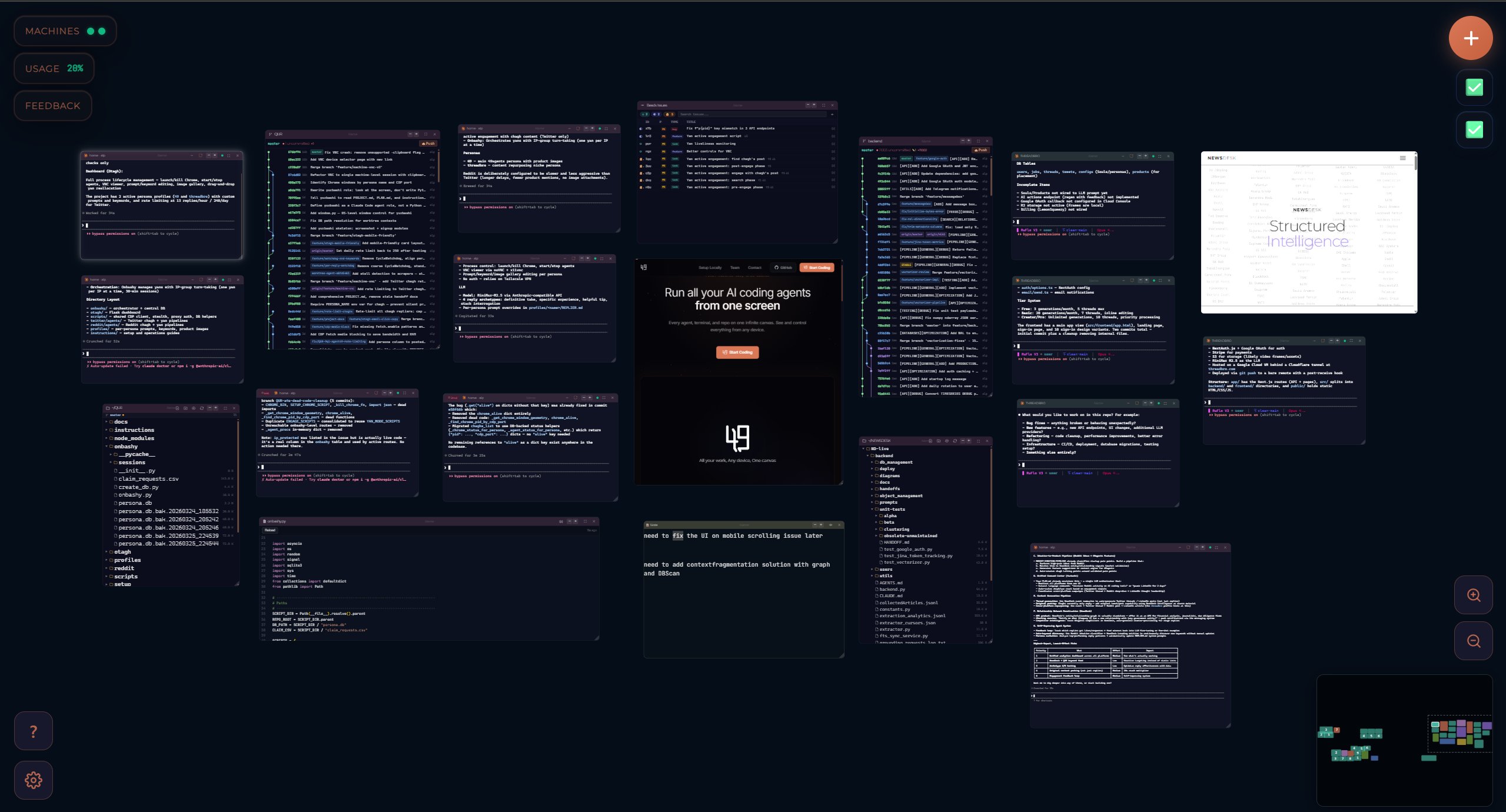
掌舵是对的。我构建 49agents 正是将其作为实现这一目标的画布,这样我就能看到所有的智能体并选择下一步行动,而无需在终端里翻找。当智能体偏离方向时,你如何保持掌舵闭环的紧凑?

's ChatGPT Work product lead: 1. The future of work is steering, not rowing. As AI agents take on more of the execution work, humans will shift toward “steering”: making the call for where to go next. In particular, the taste-driven dimension of steering—choosing a direction because you believe the world should look a certain way.

  1. “Are you mainlining it yet?” OpenAI’s product culture runs on three internal questions: Are we being as ambitious as possible? Is this maximally accelerated? And are you mainlining it yet (i.e. using your own product all day, every day)? Tara credits the Codex vibe shift over the past few months to this long-held discipline: the team’s user obsession, tight iteration loops, and adjusting quickly once they see how the market reacts.

  2. Build for where the models will be in two to three months. Build for current model capabilities, and your product will be outdated by the time it ships. Build for capabilities 12 months out. Tara’s heuristic is to “build for two to three months ahead of the model.”

  3. PMs are now in the business of elevating ambition. Tyler Cowen has noted how powerful it is for a leader to look at someone’s work and ask, “Could you do this faster? Could this be 10x bigger?” Tara sees this as a core function of the product role now. When engineers, designers, or stakeholders propose a scope or timeline, a key PM intervention is raising the possibility ceiling: “How could we 10x this? Couldn’t we try this faster?” The OpenAI internal memes (Is this maximally accelerated? Are you mainlining it?) encode the same instinct.

  4. Most knowledge work can’t be verified like code, which means it won’t be replaced anytime soon. Coding is output-oriented—you can run tests and see if it works—but with knowledge work, the process itself is how you discover (and trust) the solution. Talking to customers, trying out ideas, seeing the market’s reaction. This is also why it’s important for AI products to surface in-progress work, citations, and chain of thought—so users can go on the journey with the model and actually believe the end result.

  5. AI makes clear thinking even more important. Building faster is a gift and a risk. The gift is the ability to iterate at much greater speed. The risk is that you can now travel very far in entirely the wrong direction before anyone notices. If ideation and hypothesis quality do not keep pace with execution speed, teams “blow off course way quicker” than they ever would have before. Speed without a clear hypothesis will just compound errors faster.

  6. Empirical beats theoretical. At Stripe, Tara spent tens of hours writing rigorous strategy documents because the market was established enough to reason from first principles. At OpenAI, the market changes too fast for a 12-month roadmap to be meaningful. The right response is to move from academic to empirical: identify your sharpest hypothesis, then test it with users as quickly as possible. Long reasoning documents rarely make sense anymore. Instead, get to something real people can try as quickly as you can.

  7. Never automate writing-as-thinking. Instead, automate writing-as-reporting: status updates, email summaries, etc. But never outsource the writing you think with: start the doc yourself and end it yourself, using AI in the middle only for research, data, and pushback. Share docs at 70% complete so collaborators can poke holes and polish with you. At OpenAI it’s now “mocks, not docs”—prototypes and A/B results communicate better than long documents, because AI has made a long doc a meaningless signal of rigor. Tara still writes hundreds of docs—but for herself, not as the shareable artifact.

  8. Someone still has to be the DRI, even when roles dissolve. Tara has always liked almost no boundaries between engineer, PM, and designer. Everyone can pick up the work now. But someone needs to be accountable. Someone still has to own the outcome.


"Are you mainlining it yet?"

This is one of the key internal memes at @OpenAI, and a big part of the reason there's been a vibe shift toward Codex over the past few months.

It asks: are you using the product all day, every day? Are you depending on it? Are you bringing all your


"The risk is that you can now travel very far in entirely the wrong direction before anyone notices." this is 100% something I see a lot of. Another related point is lack of focus. Not only do some folks get caught travelling too far in the wrong direction, but they are doing


the 70% share rule is interesting because it turns docs into a conversation instead of a finished artifact


steering is right. i built 49agents as one canvas for exactly that, so i can see all my agents and pick the next move without digging through terminals. how do you keep the steering loop tight when an agent goes sideways

📋 讨论归档

讨论进行中…