返回列表
🧠 阿头学 · 💬 讨论题

Owner 用极小团队打造高产出产品组织的方法与代价

这篇文章最有价值的判断是“小团队只有在极端高人才密度、强客户现实、低组织摩擦下才成立”,但作者把这套方法写成近乎普适真理,明显夸大了可复制性。
打开原文 ↗

2026-04-16 原文链接 ↗
阅读简报
双语对照
完整翻译
原文
讨论归档

核心观点

  • 小团队不是省人策略,而是高密度策略 作者的核心判断是,5个顶级工程师比一群普通工程师更强,这在早期创业和高杠杆产品阶段大概率成立;但前提极苛刻,一旦混入普通表现者,小团队就会被迫长出流程、评审和管理层级,模型会迅速失效。
  • AI 不会抹平差距,反而会放大顶尖个体杠杆 文中“AI 是倍增器,不是均衡器”的判断站得住,因为 AI 确实更依赖问题定义、判断力和品味;争议点在于,作者据此进一步强化“极端精英化招聘”是否最优,并没有给出足够证据。
  • 真正的一致性来自共享现实,不来自开会说服 “让现实无法被否认”是全文最扎实的部分:让团队持续接触客户、共享一手事实,比文档和会议更能减少伪共识;这不是新观点,但作者把它执行到每周固定客户接触,判断上是对的。
  • 客户需求要往下挖到根本需求,再围绕永恒需求扩张产品 作者把餐厅客户需求压缩为“更多销售、更少工作”,并据此从点餐扩到营销、建站、POS,这个产品演化逻辑是清晰的;但“永恒需求”框架也容易被滥用成事后合理化,真正难的是证明你抓到的是需求基岩,而不是创始人偏好。
  • 零技术债、零 bug 积压、无 deadline、100% 信任是最有争议的管理主张 这些口号对高水平小队可能有效,因为它们强行阻止组织把代价后移;但作者把它们表述成几乎无条件正确,这就过头了,规模、合规、业务复杂度一上来,这些原则很可能彼此冲突。

跟我们的关联

1. 对 ATou 意味着什么、下一步怎么用 对 ATou 来说,这篇文章最该吸收的不是“三角洲部队”式英雄叙事,而是“共享现实优先于管理话术”;下一步可以把“每周直接接触真实用户/客户”设成固定动作,用一手事实替代抽象争论。 2. 对 Neta 意味着什么、下一步怎么用 对 Neta 来说,最有用的是“AI 放大高手而不是替代判断”的组织判断;下一步不是盲目扩编做流程,而是先识别哪些岗位真的需要高判断力,再给这些人更高权限和更少摩擦。 3. 对 Uota 意味着什么、下一步怎么用 对 Uota 来说,文章提醒的是“产品边界应该围绕永恒需求扩,而不是围绕零散需求堆功能”;下一步可以把现有需求池按“表层请求/根本需求/长期稳定需求”重分一次,砍掉伪需求。 4. 对三者共同意味着什么、下一步怎么用 这篇文章真正可迁移的是“高标准招聘 + 低流程 + 客户近距离 + 清晰聚焦”这个组合拳,而不是照抄“零 deadline”;下一步应该先试运行一套轻量版机制,再验证是否适合自己的阶段和人。

讨论引子

1. “如果不是非要不可,就坚决不要”到底是高标准,还是会把组织拖进招人过慢和文化同质化? 2. “零技术债、零 bug 积压、无 deadline”这三条能同时成立吗,还是只能在极少数团队短期成立? 3. AI 时代最稀缺的到底还是顶级人才,还是“能把中等人才组织好”的系统能力?

大多数产品负责人都相信,小而精的团队更好。但真正能把这样的团队建起来的人很少。

原则本身并不难。人才、能量、一致性、客户痴迷、匠心、信任,人人都会点头。难的是在一切都着火的时候,仍然同时守住这些东西,不打折扣。

在 Owner,我们靠 5 位工程师做到了 1500 万美元 ARR。我们构建的产品版图里,每一个组件背后都有完整的公司在围绕它创业。今天,我们估值超过 10 亿美元,团队人数却只是典型 SaaS 公司的一小部分。

我们不是因为懂了正确原则才走到这里。我们是因为守住了这些原则。下面就是它实际的样子。

https://www.deannotes.com/delta-force#know-your-customer

把标准设成三角洲部队

你必须拿世界上最精英的团队作为你的参照。

海豹突击队已经是精英。每年约 2 万名海军候选人里,只有 1000 人能进入海豹训练,最终毕业的不到 200 人。三角洲部队则是精英中的精英。每年约 1700 名特种部队成员申请,最后通过的大约只有 6 人。比例是 0.35%。

这就是我们在 Owner 追求的标准。我们的申请到 offer 比例约为 0.22%。任何时候,我们都宁愿要 6 个三角洲部队级别的人,也不要一支普通工程师大军。

小团队只有在每个人都极其出色时才成立。一个普通表现者为什么会破坏整个模型,原因在这里:

1. 标准会传染。 出色的人会抬高身边所有人的水平。普通人则相反。在小团队里,一个错误招聘就会变成新的标准。

2. 判断力取代流程。 小团队用信任和独立决策,换掉规则、评审和层级。前提是判断力必须极好。

3. 主人翁意识没有商量余地。 在小团队里,没有人可以甩锅,也没有层级可以躲。不能完全对自己的工作负责的人,会立刻破坏这个模型。

https://www.deannotes.com/delta-force#talent-in-practice

如果不是非要不可,就是坚决不要

职业生涯早期,每次面试结束后,我都会立刻在脑子里做复杂计算。这个人 X 很强,但 Y 可能不是最好。我会浪费好几个小时权衡取舍,说服自己接受或放弃某个候选人。

后来到某个时刻,我会面到一个明显优秀到让我尴尬的人。尴尬的是,我之前竟然在那些候选人身上浪费了那么多精力。根本不需要计算。答案就是显而易见。

那种感觉,也就是“非要不可”,现在就是我的标准。如果我没有这种感觉,这个缺席本身就是信号。我已经不再试图说服自己接受某个人。真正合适的人,不需要我说服自己。

https://www.deannotes.com/delta-force#zero-tolerance-bugs

招聘你愿意拿自己的工作做担保的人

招聘不只是领导者的工作。它是每个人的工作。这意味着每个人都需要一种方式来守住同一条标准线。

我们用来让整个团队保持高标准的判断法是:“你愿意拿自己的工作为这个人担保吗?”如果答案不是立刻的“愿意”,那就是“不”。

这个问题会迫使你越过表面印象,进入真正的确信。被打动和有确信之间的缝隙,就是糟糕招聘发生的地方。

别再当钢铁侠。去当尼克·弗瑞。

早期,我以为自己的职责是成为团队里最好的工程师。

后来,我们招到了一个明显比我更强的人。刚开始我很难接受。我有自尊心,也为此付出了代价。我没有给他空间,反而制造了摩擦。我质疑他的判断。我抓着本该彻底交给他的所有权不放。我一放手,我们完成的事情就多了 2 到 3 倍。

从那以后,我不再把自己想成钢铁侠,而是开始把自己想成尼克·弗瑞。我的工作不是成为超级英雄。我的工作是找到他们,彻底相信他们,然后释放他们。现在我只招那些在某个重要方面比我更强的人。如果我是房间里最有才华的人,那就是我的失败。

除了让人申请禁制令之外,什么都做

当我们找到对的人时,我们不接受“不”作为最终答案。我们把“不”变成“也许”,再把“也许”变成“愿意”。

我们的一位工程师招了 4 年。每个月我都会发条短信,或者打个电话,问候近况,建立关系,说明理由。每次他说不,我都会告诉我的联合创始人:“还没到时候。”

不是“他不会加入”。只是还没到时候。最后这件事成了。只要你足够有耐心,它总会成。

我和联合创始人常开玩笑说,为了把对的人请上车,除了让人申请禁制令,我们什么都做。

https://www.deannotes.com/delta-force#timeless-need

三角洲部队级人才在现实中是什么样子

我们的一位工程师在不到 3 个月里,独自搭出了我们的餐厅移动 app 生成器。那还是 AI 出现之前。现在它支撑着美国各地 6000 多个 app。同一位工程师又和另外 3 个人一起,在不到 8 周内从零把我们的销售点系统做到上线。在典型公司里,这两件事每一件都要 10 到 12 个月,还要 6 到 8 个工程师团队。

想象一下,如果一家公司里全是这样的人。

AI 让人才标准变得前所未有地重要

很多人认为 AI 正在拉平建设者之间的差距。我认为他们完全想反了。

AI 不是均衡器,而是倍增器。出色的人用它把几个月压缩成几天,同时推进更多事情,做出过去需要整支团队才能做出的东西。普通人用它稍微快一点,而且经常朝错误方向快一点。

出色和平庸之间的差距没有缩小。它正在爆炸式扩大。

这比过去十年里的任何事情都更深地改变了团队建设的数学。随着 AI 的速度,最先弄明白这件事的公司会拥有复利优势。每过一个季度,差距都会扩大。

人才还不够

你可以招到世界上最有才华的团队,然后眼睁睁看着它散掉。能量才是把它维系在一起的东西。

埃隆·马斯克说,创业就像一边嚼玻璃,一边凝视深渊。他没有说错。大多数公司不是死于竞争,也不是死于缺钱。它们死于这件事痛苦到极点,而团队耗尽了能量。

能量是公司运转的燃料。它让团队在事情变难时还能继续向前。它也会传染:一个人的心态会在整个系统里荡开。

现在,我对能量的要求和对人才一样不妥协。它在现实中是这样的。

为爱招聘

我想要的人,不只是有才华或有能量。他们还要有爱。真正的爱,爱彼此,爱客户,也爱工作本身。这听起来也许不像一个招聘标准。但我发现,爱把优秀的人和真正非凡的人区分开来。你能在他们做的每件事里感受到它。

想象一个画家独自在森林里作画。没有观众,不为荣誉,只是因为他热爱这个动作本身。

我用的判断法是:我会邀请这个人参加我的婚礼吗?如果答案不是会,那我为什么要每天和他一起工作?

https://www.deannotes.com/delta-force#training-wheels-ferrari

招聘能抬高整个房间能量的人

有些人走进房间,能量会升起来。另一些人走进房间,能量会掉下去。我找到的最好理解方式,是线之上与线之下:

当你在线之上,也就是开放、好奇、专注于学习时,你不只是自己思考得更好。你还会让身边所有人变得更好。想法会流动。人们会接上彼此的思考。你会触达整个群体的集体天才。

当你在线之下,也就是封闭、防御、执着于证明自己正确时,事情会反过来。能量被抽空。人们开始保护自己,而不是共同建设。进展变慢。

我在最近一次黑客松里看到了这一点。我和 4 位工程师在不到 12 小时里,做出了一个完整可用的餐厅自助点餐亭。在典型公司里,这样的工作要花几个月。客户甚至求着想把它带回家。我们能做到,唯一原因是每个人都在线之上。哪怕有一个人掉到线之下,那个房间的灵魂都会被抽走。

我想和这样的人共事:他们只要在场,就会让每一刻变得更好。这会体现在他们做的每件事里。他们怎么写 Slack 消息,怎么参加会议,怎么和客户说话。每一次互动,都是抬高房间能量或抽干它的机会。

对坏气场零容忍

大多数领导者都知道坏能量是问题。很少有人行动得足够快。

我是吃过亏才学会的。我们曾经有一位顶尖表现者,聪明,而且产出极高。但和这个人相处很消耗,合作也很困难。这让我很难受,但我告诉自己,产出足以抵消代价。

几个月后,事情痛苦到我终于终止了合作。这个人离开后,队友们一个接一个来感谢我。

团队的能量一夜之间升了起来。我们的产出爆发了。我很震惊。团队不一定会告诉你某个人有坏能量。他们会吸收它,绕开它,然后安静地受苦。作为领导者,你必须做出判断,而且要比你觉得舒服的速度更快。

现在,坏能量得到的奖励是一份离职补偿。不是以后,是立刻。团队值得和他们喜欢的人并肩工作。客户值得拥有一款由真正在乎的人打造的产品。使命值得由相信它的人承担。持续的负面、悲观和防御,会同时向这三者征税。

守住这个标准的代价是真实的。它意味着招聘更慢,也意味着在一切都着火的时候,放走极其有才华的人。但一个有强大能量的优秀人才,比五个没有这种能量的有才华的人更有价值。我学会了盯着风暴,继续守住标准。

每个人都是一个向量

团队里的每个人都是一个向量。他们有大小,也就是才华和能量;也有方向,也就是他们真正聚焦的东西。进展不是才华的总和。进展是同向向量的总和。

方向不一致的向量不只是拖慢你。它们会主动互相抵消。一群聪明人如果指向不同方向,成就会少于一群能力普通但指向同一目标的人。

当每个向量都指向同一个结果时,一个小团队就能带着远大于自身规模的力量前进。

有意识地对抗熵增

团队自然会走向无序。优先级变模糊。能量被打散。人们开始局部优化。熵增是默认状态,你必须有意识地对抗它。

在我的团队里,每个人都清楚知道我们想达成什么,为什么重要,以及他此刻需要解决什么问题。不是十件事,而是最重要的那一件事。

我通过确保团队里的每个人都内化了 4 件事来做到这一点:

  1. 这为什么重要? 把工作锚定在真实客户痛点,以及它创造出的商业机会里。

  2. 成功是什么样子? 描述 2 到 3 年后赢了是什么样、是什么感觉。

  3. 策略是什么? 定义你要在哪些地方竞争,如何获胜,以及你会刻意忽略什么。

  4. 现在什么最重要? 我们用一个简单的现在 / 下一步 / 以后路线图,让每个人都知道今天什么值得全力聚焦,什么可以等待。

让现实无法被否认

大多数领导者认为,一致性是沟通问题。只要把计划解释得足够清楚,人们就会支持。于是他们写更好的文档,开更好的会议,更擅长推销愿景。

这是错的。

人们不会对齐到计划。人们会对齐到他们自己能看见的现实。

当一个团队共享同一个事实基础,也就是同一批客户、同一组数据、同一种一手体验时,一致性会自然发生。

如果没有,就会出现共识表演。无休止的争论。会议制造了同意,却没有制造承诺。

令人不舒服的真相是,如果你正在很努力地说服别人,那你很可能并没有真正的一致性。如果没有一致性,就说明有人离现实还不够近。

领导者的工作不是推销计划。领导者的工作是让现实无法被否认。

在 Owner,从早期开始,我们就要求公司里的每个人每周至少和一位客户交流一次。我们的整个产品团队每周都会固定和一位客户开会,不是为了收集反馈,而是为了共同深度体验同一种现实。感受同样的挫败。建立同样的同理心。

当团队里的每个人都看着一位餐厅老板的眼睛,听他描述自己最大的问题时,正确路径就会变得明显。你会停止争论该做什么,因为现实已经在告诉你。

https://www.deannotes.com/delta-force#trust-battery

客户影响是最高位的比特

当你为客户创造真正价值时,业务会照顾好自己。收入、留存、口碑,这些都是结果,不是原因。你不是直接服务业务。你是先服务客户,再通过客户服务业务。

当团队把这件事倒过来,开始优化指标、收入目标、功能清单时,他们就会漂移。他们会做出看起来厉害、实际却无关紧要的东西。工作会失去锚点。

聚焦客户影响,会把工作重新拉回真实之中。

了解你的客户,了解他们嚼什么口香糖

伟大的产品来自对客户的伟大心智模型。

糟糕的心智模型会制造垃圾产品。团队发布一些表面好看的功能,却无法推动关键结果。他们无休止地争论,因为没有人锚定在现实里。进展变慢,不是因为人们缺乏才华,而是因为他们在解决错误的问题。

好的心智模型不来自仪表盘或问卷。它需要近距离。你必须进入战壕,观察、感受、体验客户使用产品的方式。

我常和团队开玩笑说,你应该了解客户到连他们嚼什么口香糖都知道。这就是标准。

放下电脑。系上围裙。

深入了解客户不来自研究,而来自靠近。

大多数产品团队都在远处调试。他们看日志,读工单,做问卷。他们试图理解客户的世界,却从未真正进入那个世界。

这就是你错过显而易见之事的方式。

我们曾经有一位客户,他们的销售点系统持续出现网络连接问题。我们找不出原因。是路由器?是蜂窝网络运营商?是调制解调器?我们困惑了好几个星期。

最后,我们去了餐厅,立刻发现他们把厨房建在一个钢制围挡里面。那本质上是一个餐厅大小的法拉第笼。难怪他们的网络根本不可能正常。

困惑了几周的问题,一个下午就解决了。不是因为我们变聪明了,而是因为我们离得更近了。

我们团队里很多人真的会在餐厅里工作。他们看高峰时段。他们感受压力。客户不再是脑子里的抽象概念,而是有真实问题的真实的人。

你不可能为一个你从未进入过的世界打造伟大产品。

https://www.deannotes.com/delta-force#minimum-effective-process

一直挖,直到碰到基岩

花时间和客户在一起,会教会你一件反直觉的事:客户提出的要求,很少就是他们真正需要的东西。

人的需求是分形的。你看得越近,发现得越多。难点不是找到需求,而是深入到足以找到根本需求。

在 Owner,客户经常说他们想在 Google 上排名更高。但他们最深层的需求不是排名,而是增长。如果我们执着于 SEO,就会错过更高杠杆的方式,去帮助他们赢。

https://www.deannotes.com/delta-force#zero-tolerance-tech-debt

找到永恒需求

最有价值的需求不只是根本的,也是永恒的。

在 Owner,我们把一切浓缩成两个需求:更多销售,更少工作。十年后,你很难想象一位餐厅老板会说:“我喜欢 Owner,只是希望你们给我带来的销售少一点。”这些需求不会改变,这种稳定性极其强大。

永恒需求会变成指南针。每一个功能、每一个取舍、每一次拒绝,都要经过它们。我们一开始是一个白标在线点餐产品,只是餐厅网站上的一个简单链接。

但每一笔订单都会产生顾客数据:姓名、邮箱、订单历史,全都闲置在那里。我们想:我们想帮助餐厅增长销售,而我们手里正坐着一座金矿。所以我们做了自动化营销。

接着,我们去看那些给我们带来订单的网站。它们糟透了。它们在 Google 上没有排名,而且要点 10 次才能进入菜单。我们想:如果我们想帮助餐厅增长销售,就需要拥有整个网站。所以我们做了网站构建器。

同一个北极星。完全不同的产品版图。这就是永恒需求的作用。它不只是告诉你下一步该做什么。它会告诉你未来十年该围绕什么来建设。

https://www.deannotes.com/delta-force#put-on-your-apron

客户描述疼痛。你开出处方。

创造真正的客户影响,还需要最后一次转变:从倾听转向决策。

你当然必须倾听客户,才能理解他们的痛苦。但设计解决方案不是他们的工作。那是你的工作。

客户永远不会停止提出功能建议。很多建议会很好。而且总会有理由说 yes。但如果你总是说 yes,产品就会慢慢死掉:

伟大的产品不是靠堆叠好点子做出来的。它们是靠牢牢解决最重要的 2 到 3 个需求做出来的。

这需要大量说 no。它需要品味,去区分信号和噪音。它也需要勇气,代表客户去发明,尤其是在正确答案比最响亮的请求更安静的时候。

客户痴迷不是去做客户要求的东西。它是深度理解客户的世界,识别真正重要的需求,然后构建正确的解决方案,帮助他们赢。

匠心是力量倍增器

三角洲部队式团队不只是关心自己做什么。他们也深深在意它是如何被做出来的。

常见看法是,速度和匠心彼此冲突。快速前进就意味着接受粗糙边缘、捷径,以及以后再还的债。这种框架是错的。

速度和质量不是取舍关系。质量才是让速度能够复利的东西。

不在意匠心的团队,一开始会跑得很快。捷径看起来很有效率。然后系统开始反击。架构磨损。认知负担增加。进展变慢,不是因为团队变差了,而是因为系统变差了。

匠心会反转这种动态。当你痴迷于基础,也就是干净的架构、清晰的抽象、周到的设计系统时,每一个新东西都会更容易构建。系统会变得更快,而不是更慢。卓越会复利。

每一道小伤口都是一次信任支取

客户一开始拥有的信任是有限的。每一次互动,要么给电池充电,要么消耗它。顺畅的流程、用心的细节、一个好用到不用想的功能,这些都是存款。一个 bug、一个粗糙边缘、一个坏掉的状态,这些都是支取。

大多数团队不会这样思考。他们把 bug 当作技术债,而不是信任债。但客户不会把 bug 体验成一个技术问题。他们会把它体验成一个信号:这个产品并没有那么在乎我。

小伤口不会一次性杀死信任。它们会在一次次互动中慢慢削掉信任,直到某一天电池归零,客户流失。到那时已经太晚了,而且你根本没有预见到,因为每一道小伤口单独看起来都很轻微。

匠心就是你让电池保持有电的方式。

https://www.deannotes.com/delta-force#paper-cut-trust

对技术债零容忍

在 Owner,我们有一条有争议的政策:对技术债零容忍。

大多数团队把技术债当成不可避免的东西,是快速前进的必要成本。我们不接受这个框架。技术债不是中性的。它反杠杆。今天的捷径会变成明天的瓶颈,而且不是还一次,而是在更慢的构建、更脆弱的系统、把团队往后拖的返工里每天偿还。

伟大的运动员不会为了速度牺牲动作形态。他们知道,动作形态才是让速度可持续的东西。我们看待架构也是如此。我们不是先快速发布,以后再修。我们把它做对,并因此发布得更快。

对 bug 积压零容忍

我们还有另一条有争议的政策:对 bug 积压零容忍。

大多数团队会接受一个“健康的已知 bug 积压”。这真正意味着,客户正在持续遭受小伤口。

零 bug 积压会带来两件事。它保护信任:产品始终可靠,客户不用担心它到底能不能工作。它也倒逼更高标准:你第一次就把东西做对,因为以后再清理不是选项。

这听起来更慢。其实不是。它消除了那种无休止的返工循环,而那种循环会杀死势头,也会摧毁团队士气。没有什么比把所有时间都花在修 bug 上更消耗灵魂。

https://www.deannotes.com/delta-force#craft-talent-magnet

匠心会吸引人才

最好的工程师对平庸过敏。他们在靠胶带勉强粘住的代码库里工作过。他们发布过自己并不自豪的功能。他们看过团队如何合理化偷工减料,然后花几个月为此付出代价。他们不会再回去了。

当一个人看到干净的架构、统一的设计和对马虎的零容忍,他不会只想“这是个好产品”。他会想:“这是我的人。”

匠心是一种信号。它告诉出色的建设者:我们不会把坏掉的东西正常化。我们构建的系统,会让明天更容易,而不是更困难。

这会创造一个飞轮:高匠心吸引一流人才。一流人才抬高标准。更高的标准吸引更好的人才。然后不断循环。

https://www.owner.com/

你不会给法拉利装辅助轮

当你已经建起一支三角洲部队,也就是一群出色、有强大能量、方向清晰、真正在乎客户、并且有高匠心的人,最后一条原则就很简单:让开,让他们发挥。

最好的人不需要被管理。他们需要时间、空间和信任去建设。

这并不意味着放弃领导。我仍然在战壕里,写功能、评审设计、讨论取舍,在事情变得模糊时推动澄清。它真正意味着,你要极其有意识地决定引入多少结构。你添加的每一层流程,都是对那些你费尽心力招来的人征税。

最低有效流程

目标不是零流程,而是最低有效流程。在不陷入混乱的前提下,用最少的规则。这就是平衡。

流程太多会制造阻力:审批、交接、协调层级,都会让一切变慢。流程太少会制造混乱:优先级不清、重复工作、反复折腾。伟大的团队在两者之间那条狭窄地带里运行。

我们只在结构能提升速度和清晰度时引入它。一旦它不能做到这一点,我们就砍掉。

https://www.deannotes.com/delta-force#dig-until-bedrock

信任电池从 100% 开始

大多数公司把信任当成试用期。你加入时大约是 50%。然后你要么一点点赢得它,要么一点点烧掉它。

我认为这是错的。当你要求某个人先赢得信任,再把信任交给他时,你会在他能量最强的时刻拖慢他。

在 Owner,每个人从 100% 信任开始:从第一天起就拥有完整所有权。

我希望我招来的人一落地就全速奔跑。

我们的产品负责人加入时,立刻看到了开发流程里的问题。他的本能是先观察几个月,再做改变。我告诉他:别等。你拥有我的全部信任。如果你相信这件事,现在就做。

他做了。几周之内,团队的速度比以往任何时候都更快。

人会向你给予他们的信任高度生长。给出 100%,从“刚加入”到产生真实影响的路径就会迅速缩短。

https://www.deannotes.com/delta-force#make-reality-undeniable

学会放手

Owner 早期,我把船管得很紧。

严格期限。僵硬流程。不断 check-in。我痴迷于速度,而且以为控制就是最大化速度的方法。

随着时间推移,我意识到一件不舒服的事:我就是瓶颈。我以为自己的紧握在提升速度,其实它在让团队窒息。

当我开始放手,发生了 3 件事:

1. 速度倍增。 原本要几天的决策,几分钟就发生了。团队动得更快,不是因为我推得更狠,而是因为我不再挡路。

2. 能量飙升。 人们把时间花在建设上,而不是坐在状态会议里或等待审批。他们感到被信任。所有权变深了。团队有了一种之前没有的生命力。

3. 质量提升。 这一点让我惊讶。当人们有时间和空间好好做事时,他们会完全承担所有权。他们不会为了赶日期而偷工减料。他们会做出自己真正自豪的东西。

没有 deadline

我们不设 deadline。

大多数团队用 deadline 制造紧迫感。我们直接为紧迫感招聘。如果一个人需要 deadline 才能快速行动,那说明我们招聘错了。

deadline 的问题在于,它让团队围绕错误的东西运转:日期,而不是打造出色的东西。

当你在和日期赛跑时,会发生两件事:边角会被削掉,注意力会从真正目标上移开。当你半个脑子都在盯钟表时,很难交付魔法。

我们的工作不是在 Y 日期前交付 X 功能。我们的工作是打造出色的东西。

https://www.deannotes.com/delta-force#no-deadlines

我们的运作方式

每周 2 个强制会议。总共 1.5 小时。

周一站会:对齐本周最重要的一件事。周五 demo day:展示我们做出的东西,庆祝,迭代。这是我一周里最喜欢的部分。

其他一切都异步。没有状态更新。没有审批链。没有持续不断的 check-in。

当你已经建起一支三角洲部队,你的工作不是控制。你的工作是释放。给他们清晰度,让开,然后看会发生什么。

打造一支三角洲部队很难。它要求你在每一层都保持纪律:招聘中毫不松动的标准,不妥协的能量,持续维护一致性的工作,对客户真正的痴迷,对匠心中的平庸零容忍,以及懂得让开的智慧。

大多数领导者都知道这些事。很少有人能持续、完整、不妥协地做到它们。这就是全部游戏。

当你做对时,会有某种东西改变。团队不再感觉像团队,而开始像一股力量。小规模的杰出人群,会带着远大于自身规模的重量前进。他们做出的产品会感觉不同,更周到,更有生命力,也更被热爱。他们创造出的文化,会让最好的人再也不想离开。

我从内部见过它的样子。没有什么能与之相比。

去打造你的三角洲部队。

https://www.deannotes.com/delta-force#fight-entropy

感谢 Lenny Rachitsky、Dharmesh Shah、Shalini Rao、Alex Kurland、Alex Bard、Jack Altman、Ken Norton、Amy Buechler、Adam Guild、我的妈妈、Ellen Fishbein,以及 Owner 团队为本文贡献想法。

Most product leaders believe in small, elite teams. Very few actually build them.

The principles aren't the hard part. Talent, energy, alignment, customer obsession, craft, trust - everyone nods along. The hard part is holding all of them simultaneously, without compromise, when everything is on fire.

At Owner, we reached $15M ARR with 5 engineers - building a product surface where each component has entire companies built around it. Today we're valued at +$1B with a fraction of typical SaaS headcount.

We didn't get there by knowing the right principles. We got there by holding them. Here's what that looks like.

https://www.deannotes.com/delta-force#know-your-customer

Set the bar to Delta Force

You have to model your team after the most elite groups in the world.

The Navy SEALs are elite. Out of ~20,000 Navy candidates each year, only 1,000 make it to SEAL training, and fewer than 200 graduate. The Delta Force is the elite of the elite - ~1,700 special forces members apply each year, and ~6 make it through. That's 0.35%.

That's the bar we aim for at Owner. Our application-to-offer rate is ~0.22%. We'd take 6 Delta Force operators over an army of average engineers any day of the week.

Small teams only work when every person is exceptional. Here's why one average performer breaks the whole model:

1. Standards are contagious. Exceptional people raise everyone around them. Average people do the opposite. On a small team, one bad hire sets the new standard.

2. Judgment replaces process. Small teams trade rules, reviews, and layers for trust and independent decision-making. That only works if judgment is excellent.

3. Ownership is non-negotiable. On a small team, there's no one to hand off to and no layer to hide behind. People who can't take full ownership of their work break the model immediately.

https://www.deannotes.com/delta-force#talent-in-practice

If it's not a hell yes, it's a hell no Early in my career I'd finish an interview and immediately start doing calculus in my head. This person is strong at X but maybe not the best at Y. I'd waste hours weighing tradeoffs and talking myself into or out of candidates.
Then at a certain point I'd interview someone who was so clearly exceptional that I felt embarrassed by all the energy I'd wasted on the previous candidates. There was no calculus needed. It was just obvious.

That feeling - the hell yes - is now my bar. If I don't feel it, that absence is the signal. I've stopped trying to talk myself into people. The right hire doesn't require me to convince myself.

https://www.deannotes.com/delta-force#zero-tolerance-bugs

Hire people you would put your job on the line for Recruiting isn't just a leadership job. It's everyone's job - which means everyone needs a way to hold the same bar.

The heuristic we use to keep the bar high across the whole team: "would you put your job on the line for this person?" If the answer isn't an immediate yes, it's a no.

This question forces you past surface impressions and into genuine conviction. The gap between impressed and convicted is where bad hires live.

Stop being Iron Man. Start being Nick Fury. Early on, I thought my job was to be the best engineer on the team.

Then we hired someone who was clearly better than me. At first it was hard to accept - I had an ego about it, and it cost us. I created friction instead of space. I second-guessed him. I held onto ownership I should have handed over completely. The moment I let go, we were getting 2-3x more done.

Since then I've stopped thinking of myself as Iron Man and started thinking of myself as Nick Fury. My job isn't to be the superhero. It's to go find them, believe in them completely, and then unleash them. Now I only hire people who are better than me in some significant way. If I'm the most talented person in the room, I've failed.

Everything short of a restraining order When we find the right person, we don't take no for an answer. We turn no into maybe, and maybe into yes.

One of our engineers took 4 years to recruit. Every month I'd send a text or hop on a call - checking in, building the relationship, making the case. Every time he said no, I told my cofounder "not yet."

Not "he's not joining." Not yet.Eventually it worked. It always does if you're patient enough.

My cofounder and I joke that we'll do everything short of a restraining order to get the right person on the bus.

https://www.deannotes.com/delta-force#timeless-need

What Delta Force talent looks like in practice One of our engineers solo-built our restaurant mobile app generator in under 3 months - this was pre-AI. It now powers 6,000+ apps across the US. That same engineer, alongside 3 others, built our Point of Sale from zero to live in under 8 weeks. At a typical company, these would take 10–12 months each and teams of 6–8 engineers.
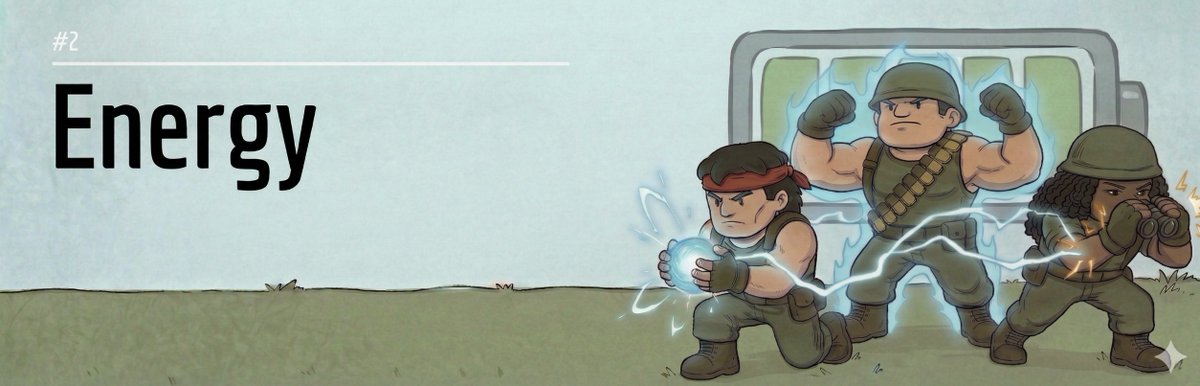
Imagine a company full of people like this.

AI is making the talent bar more important than ever Many people think AI is leveling the playing field for builders. I think they have it exactly backwards.

AI is not an equalizer, it's a multiplier. Exceptional people use it to compress months into days, do more in parallel, and build things that would have required entire teams. Average people use it to move slightly faster and often in the wrong direction.

The gap between exceptional and average isn't shrinking. It's exploding.

This changes the math on team building more than anything in the last decade. With the pace of AI, the companies that figure this out first will have a compounding advantage. Every quarter, the delta widens.
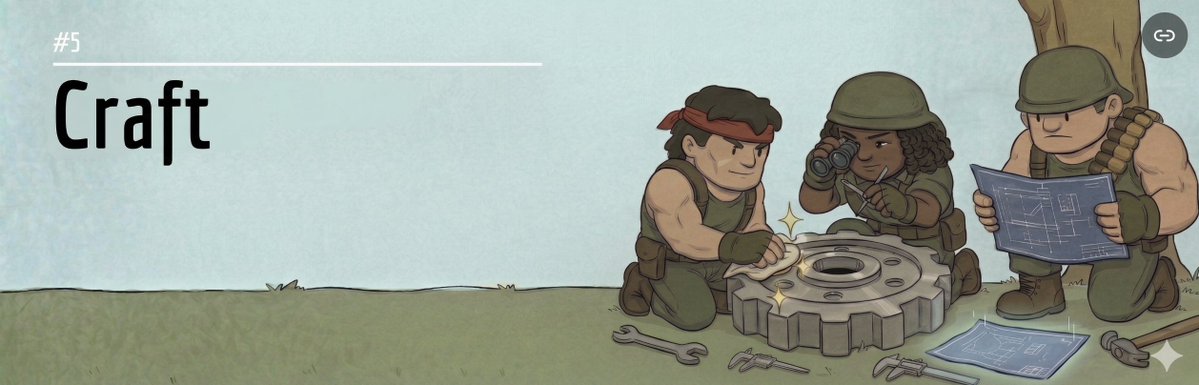
Talent isn't enough You can hire the most talented team in the world and still watch it fall apart. Energy is what holds it together.

Elon Musk said building a company is like eating glass and staring into the abyss. He's not wrong. Most companies don't die from competition or lack of funding. They die because it's excruciatingly hard and their teams run out of energy.

Energy is the fuel that companies operate on - it's what keeps teams moving forward when shit gets hard. And it's contagious: one person's mindset ripples through the entire system.

I've become as uncompromising about energy as I am about talent. Here's what that looks like in practice.

Hire for love The people I want on this team aren't just talented or energetic. They're loving. Genuinely loving - toward each other, our customers, and the work itself. That might sound like an odd thing to hire for. But I've found that love is what separates people who are great from people who are truly extraordinary. You can feel it in everything they do.

Think of a painter working alone in the forest - no audience, not for credit, just because they love the act itself.

The heuristic I use is: would I invite this person to my wedding? If the answer isn't yes, why would I work with them every single day?

https://www.deannotes.com/delta-force#training-wheels-ferrari

Hire people who raise the room Some people walk into a room and the energy lifts. Others walk in and it drops. The best way I've found to think about this: above the line vs. below the line:
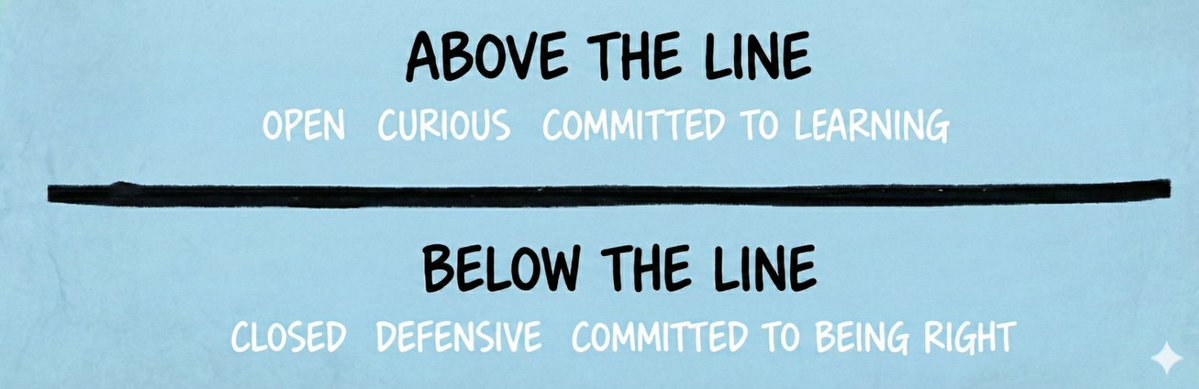
When you're above the line - open, curious, focused on learning - you don't just think better. You make everyone around you better. Ideas flow. People build on each other's thinking. You tap into the collective genius of the group.

When you're below the line - closed, defensive, committed to being right - the opposite happens. The energy drains. People protect instead of build. Progress slows.

I saw this at a recent hackathon. A team of 4 engineers and I built a fully functional restaurant kiosk in under 12 hours - work that would take months at a typical company. Customers were begging to take it home. The only reason we pulled it off was because everyone was above the line.If even one person had drifted below it, the soul would have been sucked from the room.

I want to work with people who make every moment better just by being in it. It shows up in everything they do - how they write a Slack message, show up to a meeting, talk to a customer. Every interaction is a chance to lift the room or drain it.

Zero tolerance for bad vibes Most leaders know bad energy is a problem. Very few act on it fast enough.

I learned this the hard way. We had a top performer who was brilliant and exceptionally productive. But they were also draining to be around and difficult to work with. It wore on me but I told myself the output justified the cost.

After months it got so painful that I finally pulled the plug. The moment they were gone, teammates started coming to me one by one thanking me.

The energy across the team lifted overnight. Our output exploded. I was shocked.The team won't always tell you when someone has bad energy. They'll absorb it, work around it, and suffer quietly. As the leader, you have to make the call and you have to make it faster than feels comfortable.

Now I reward bad energy with a severance package. Not eventually - immediately. The team deserves to work alongside people they love. The customers deserve a product built with genuine care. The mission deserves people who believe in it. Persistent negativity, pessimism, and defensiveness are a tax on all three.

The cost of holding this standard is real. It means hiring slower and letting go of exceptionally talented people when everything is on fire. But one exceptional person with great energy is worth more than five talented people without it. I've learned to stare into the storm and hold out.

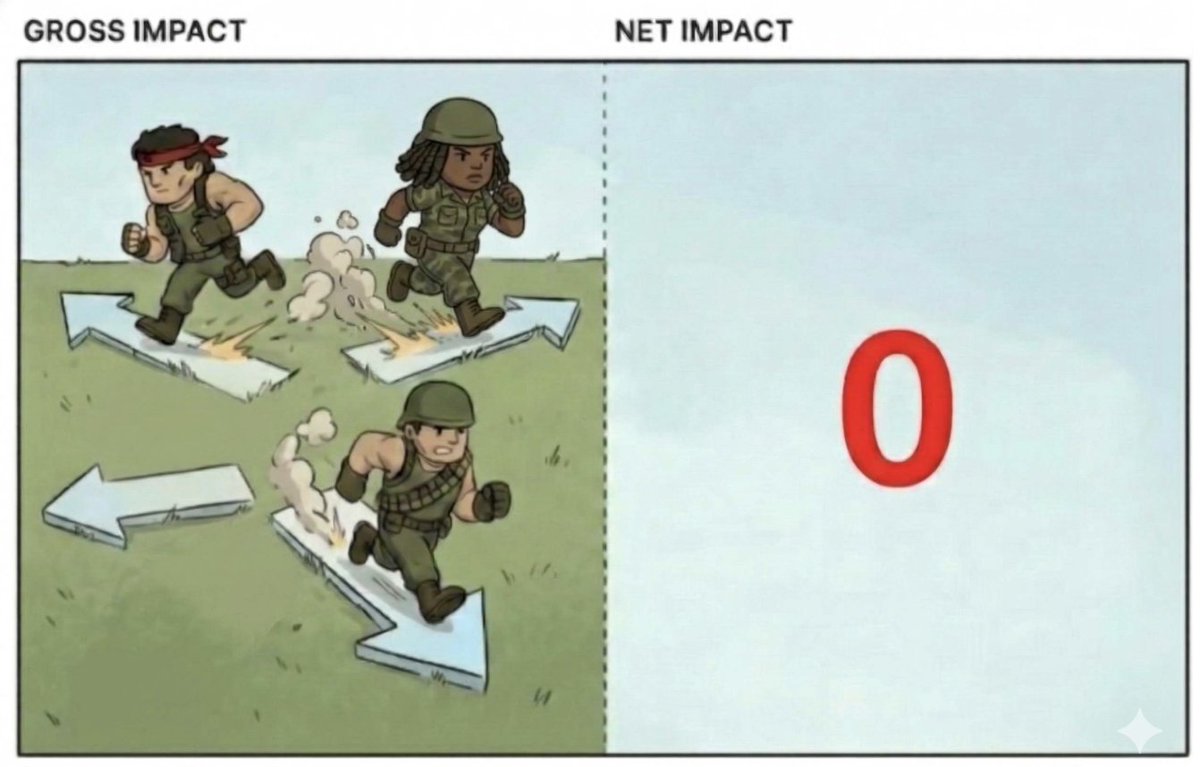
Everyone is a vector Every person on a team is a vector. They have magnitude (their talent and energy) and direction (what they're actually focused on). Progress isn't the sum of talent. It's the sum of aligned vectors.

Misaligned vectors don't just slow you down. They actively work against each other. A team of brilliant people pointed in different directions accomplishes less than a mediocre team pointed at the same thing.
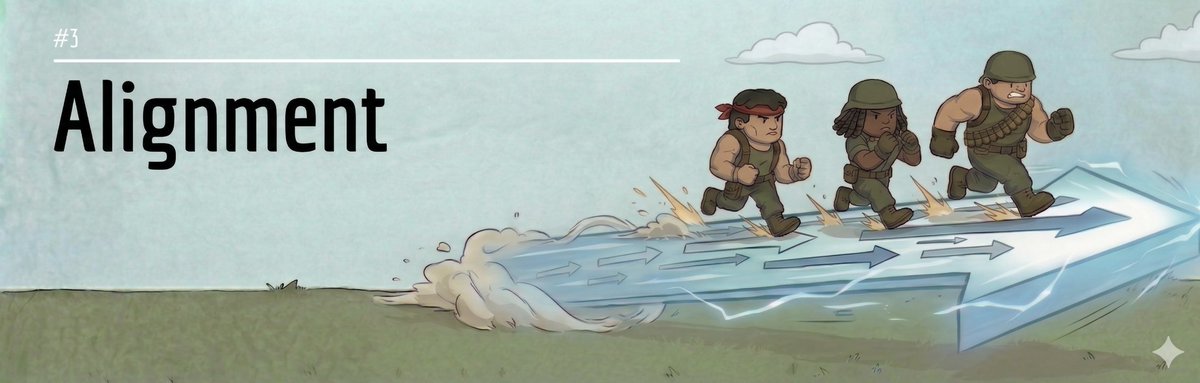
When every vector points at the same outcome, a small team moves with the force of something much larger.

Fight entropy deliberately Teams naturally drift toward disorder. Priorities blur. Energy scatters. People start optimizing locally. Entropy is the default, and you have to fight it deliberately.

On my teams, each individual knows exactly what we're trying to achieve, why it matters, and what problem they need to solve right now. Not ten things - the one thing that matters most.

I do that by making sure every person on the team has internalized 4 things:

  1. Why does this matter? Anchor the work in real customer pain and the business opportunity it creates.

  2. What does success look like? Describe what winning looks and feels like 2–3 years out.

  3. What's the strategy? Define where you'll play and how you'll win - and what you'll deliberately ignore.

  4. What matters right now? We use a simple now / next / later roadmap so everyone knows what deserves full focus today and what can wait.

**Make reality undeniable **

Most leaders think alignment is a communication problem. Explain the plan clearly enough and people will get on board. So they write better docs, run better meetings, get better at selling the vision.

That's wrong.

People don't align to plans. They align to reality they can see for themselves.

When a team shares the same ground truth - the same customers, the same data, the same firsthand experience - alignment happens naturally.

When they don't, you get consensus theater. Endless debate. Meetings that produce agreement but not commitment.

The uncomfortable truth is that if you're working hard to convince people, you probably don't have alignment. And if you don't have alignment, someone isn't close enough to reality.

The job of a leader isn't to sell the plan. It's to make reality undeniable.

At Owner, we've mandated since the early days that everyone in the company talks to at least one customer per week. Our entire product team has a recurring weekly meeting with a customer - not to gather feedback, but to deeply experience the same reality together. To feel the same frustrations. To build the same empathy.

When everyone on the team has looked a restaurant owner in the eye and heard them describe their biggest problems, the right path becomes obvious. You stop debating what to build because reality is already telling you.

https://www.deannotes.com/delta-force#trust-battery

Customer impact is the highest-order bit When you create real value for customers, the business takes care of itself. Revenue, retention, word of mouth - these are all effects, not causes. You don't serve the business directly. You serve it by serving the customer first.

When teams invert this - optimizing for metrics, revenue targets, feature checklists - they drift. They build impressive things that don't actually matter. The work loses its anchor.

Focusing on customer impact recenters the work around what's real.
Know your customer so well you know what gum they chew Great products come from great mental models of the customer.
Bad mental models create garbage products. Teams ship features that look good on the surface but don't move the needle. They argue endlessly because no one is anchored in reality. Progress slows - not because people lack talent, but because they're solving the wrong problems.

Good mental models don't come from dashboards or surveys. They require proximity. You have to be in the trenches - watching, feeling, experiencing the product the way customers do.

I joke with my team that you should know your customer so well you know what gum they chew. That's the bar.
Put down your computer. Put on your apron. Knowing your customers deeply doesn't come from research. It comes from proximity.

Most product teams debug from a distance. They look at logs, read tickets, run surveys. They try to understand the customer's world without ever entering it.

That's how you miss the obvious.

We had a customer with persistent internet connection issues on their point of sale. We couldn't figure it out. Was it the router? The cellular provider? The modem? We were confused for weeks.

Finally we went to the restaurant and immediately saw that they had built their kitchen inside a steel enclosure. It was essentially a restaurant-sized Faraday cage. No wonder their internet didn't fucking work.

Weeks of confusion solved in an afternoon. Not because we got smarter but because we got closer.

Many people on our team literally work out of restaurants. They watch the rush. They feel the stress. The customer stops being an abstraction in their mind and becomes a real person with real problems.

You cannot build a great product for a world you've never entered.

https://www.deannotes.com/delta-force#minimum-effective-process

Dig until you hit bedrock Spending time with customers teaches you something counterintuitive: what customers ask for is rarely what they actually need.

Human needs are fractal. The closer you look, the more you find. The hard part isn't finding needs - it's going deep enough to find the fundamental ones.

At Owner, customers often say they want to rank higher on Google. But their deepest need isn't rankings - it's growth. If we fixate on SEO, we miss higher-leverage ways to help them win.

https://www.deannotes.com/delta-force#zero-tolerance-tech-debt

Find the timeless need The most valuable needs aren't just fundamental - they're timeless.

At Owner, we've distilled everything down to two: more sales, less work. Ten years from now, it's impossible to imagine a restaurant owner saying "I love Owner, I just wish you drove me less sales." These needs don't change, and that stability is enormously powerful.

Timeless needs become a compass. Every feature, every tradeoff, every no runs through them. We started as a white-labeled online ordering product - a simple link on a restaurant's website.

But every order was generating guest data: names, emails, order history, all sitting unused. We thought: we want to help restaurants grow sales and we're sitting on a goldmine. So we built automated marketing.

Then we looked at the websites sending us those orders. They were terrible. They weren't ranking on Google and it took 10 clicks to get to the menu. We thought: if we want to help restaurants grow sales, we need to own the whole website. So we built a website builder.

Same north star. Completely different product surface. That's what a timeless need does - it doesn't just tell you what to build next. It tells you what to build for the next decade.

https://www.deannotes.com/delta-force#put-on-your-apron

The customer describes the pain. You prescribe the cure. Creating real customer impact requires a final shift: from listening to deciding.
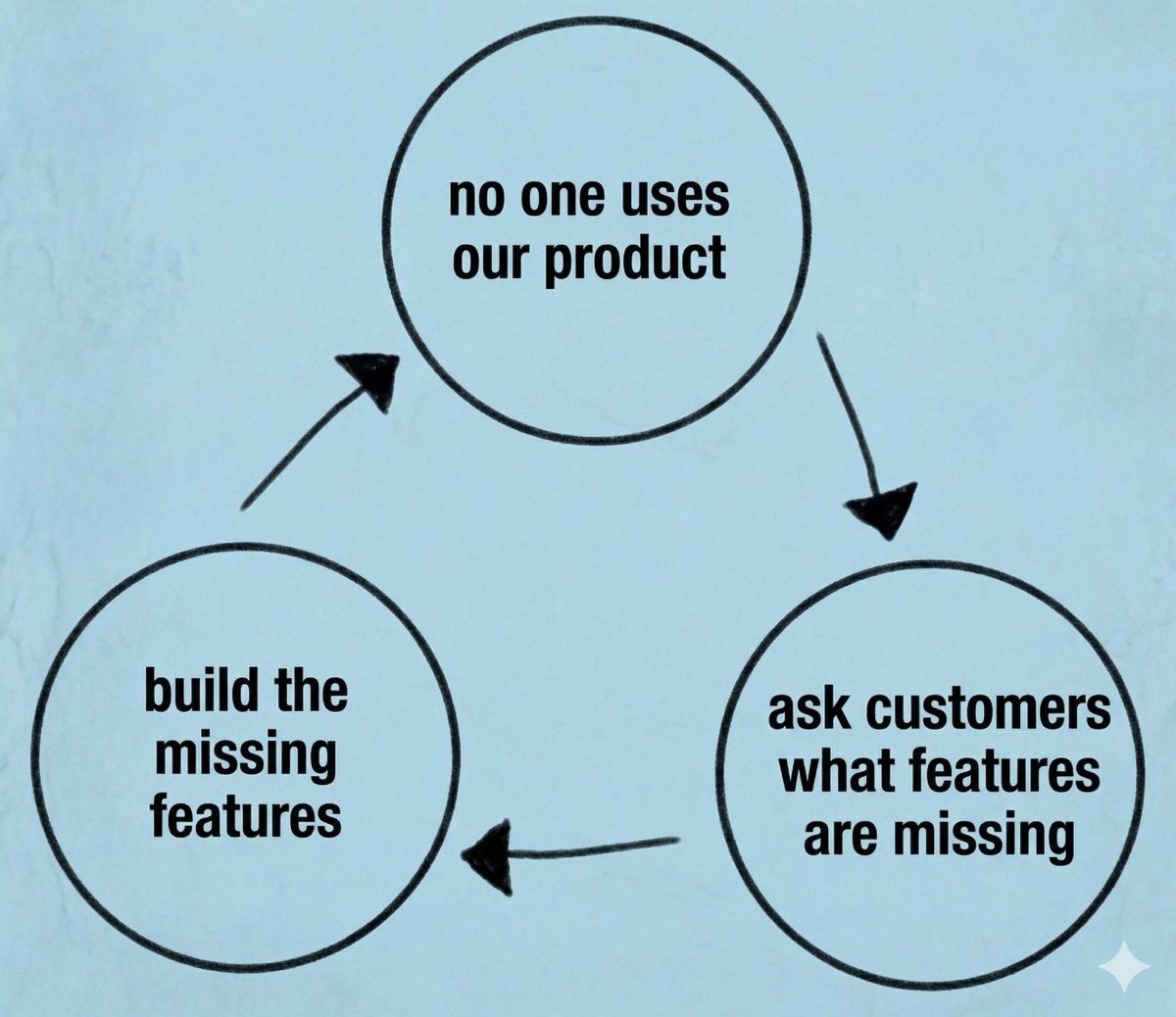
You absolutely must listen to customers to understand their pain. But it's not their job to design the solution. That's yours.

Customers will never stop suggesting features. Many will be good. And there will always be reasons to say yes. But always saying yes leads to the slow death of the product:

Great products aren't built by stacking good ideas. They're built by nailing the 2-3 needs that matter most.

That requires saying no - a lot. It requires taste to distinguish signal from noise. And it requires the courage to invent on the customer's behalf, especially when the right answer is quieter than the loudest request.

Customer obsession isn't about building what customers ask for. It's about deeply understanding their world, identifying the needs that actually matter, and then building the right solution to help them win.

Craft is a force multiplier Delta Force teams don't just care what they build. They care deeply about how it's built.

The common wisdom is that speed and craft are in tension - that moving fast means accepting rough edges, shortcuts, and debt you'll pay back later. That framing is wrong.

Speed and quality aren't tradeoffs. Quality is what allows speed to compound.

Teams that don't care about craft move fast at first. Shortcuts feel efficient. Then the system starts pushing back. Architecture frays. Cognitive load grows. Progress slows - not because the team got worse, but because the system did.

Craft flips that dynamic. When you obsess over foundations - clean architecture, clear abstractions, thoughtful design systems - everything new becomes easier to build. The system gets faster to work in, not slower. Excellence compounds.

Every paper cut is a trust withdrawal Customers start with a finite amount of trust. Every interaction either charges the battery or drains it. A smooth flow, a thoughtful detail, a feature that just works - these are deposits. A bug, a rough edge, a broken state - these are withdrawals.

Most teams don't think about it this way. They treat bugs as technical debt, not trust debt. But the customer doesn't experience a bug as a technical problem. They experience it as a signal: this product doesn't quite care about me.

Paper cuts don't kill trust all at once. They whittle it away, interaction by interaction, until one day the battery hits zero and they churn. By then it's too late - and you never saw it coming because each individual paper cut seemed minor.

Craft is how you keep the battery charged.

https://www.deannotes.com/delta-force#paper-cut-trust

Zero tolerance for tech debt We have a controversial policy at Owner: zero tolerance for tech debt.
Most teams treat tech debt as inevitable - a necessary cost of moving fast. We don't accept that framing. Tech debt isn't neutral. It's anti-leverage. Today's shortcuts become tomorrow's bottlenecks - paid not once, but every day in slower builds, fragile systems, and rework that drags the team backward.

Great athletes don't sacrifice form for speed. They know form is what makes speed sustainable. We think about architecture the same way. We don't ship fast and fix later. We build it right and ship faster because of it.

Zero tolerance for bug backlogs We have another controversial policy: zero tolerance for bug backlogs.

Most teams accept a "healthy backlog" of known bugs. What that really means is customers are experiencing constant paper cuts.

Zero bug backlog does two things. It preserves trust: the product is consistently reliable and customers never have to wonder if it's going to work. And it forces higher standards: you build things right the first time because cleaning it up later isn't an option.

This sounds slower. It isn't. It eliminates the endless rework cycle that kills momentum and demoralizes teams. Nothing is more soul-crushing than spending all your time fixing bugs.

https://www.deannotes.com/delta-force#craft-talent-magnet

Craft is a talent magnet The best engineers are allergic to mediocrity. They've worked in codebases held together by duct tape. They've shipped features they weren't proud of. They've watched teams rationalize corner-cutting and spent months paying the price. They're not going back.

When someone sees clean architecture, cohesive design, and zero tolerance for sloppiness, they don't just think "this is a good product." They think "these are my people.

"Craft is a signal. It tells exceptional builders: we don't normalize broken things. We build systems that make tomorrow easier, not harder.

This creates a flywheel: high craft attracts A-players. A-players raise the bar. Higher bars attract better talent. And on and on.

https://www.owner.com/

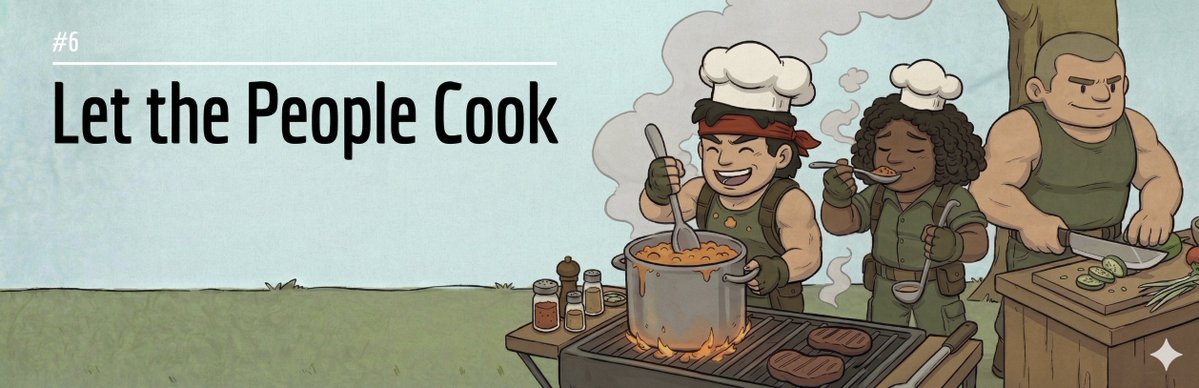
You don't put training wheels on a Ferrari When you've built a Delta Force - exceptional people with great energy, clear alignment, genuine customer obsession, and high craft - the final principle is simple: get out of the way and let them cook.

The best people don't need to be managed. They need time, space, and trust to build.

This doesn't mean abdicating leadership. I'm still in the trenches - coding features, reviewing designs, debating tradeoffs, pushing for clarity when things get muddy. What it means is being ruthlessly intentional about how much structure you introduce. Every layer of process you add is a tax on the people you worked so hard to hire.
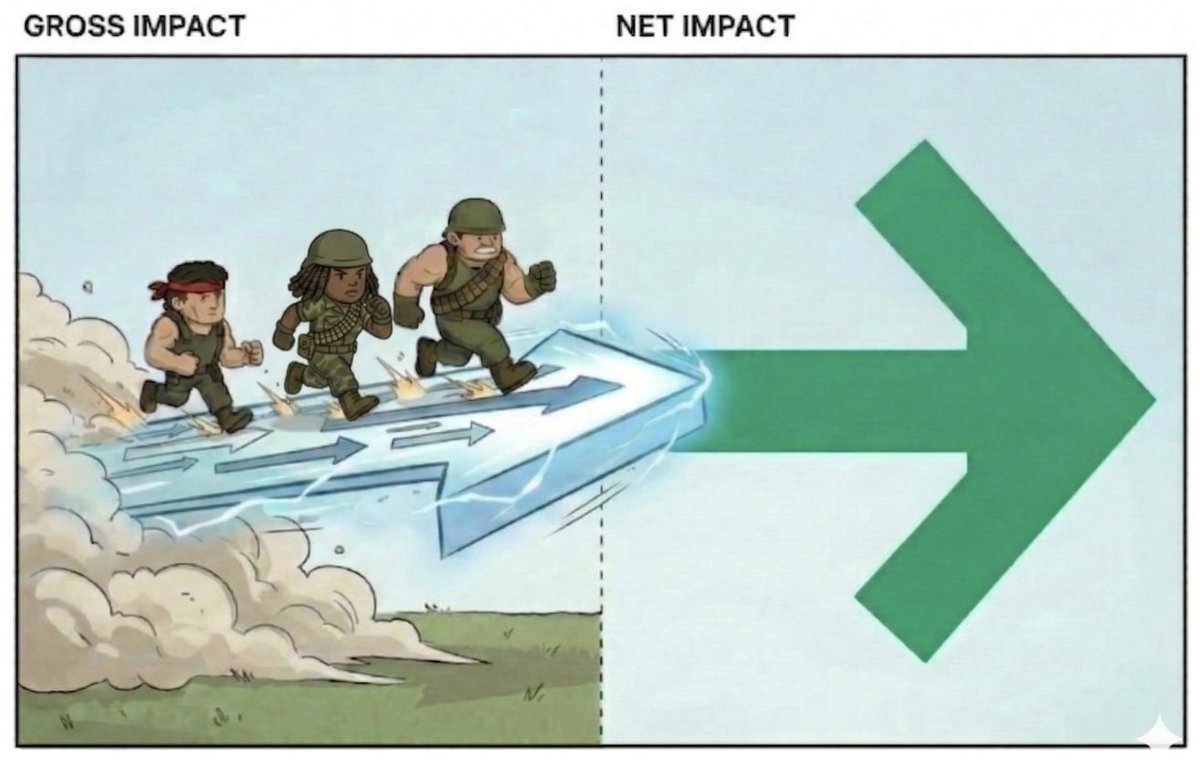
Minimum effective process The goal isn't zero process - it's the minimum effective process. The fewest rules while staying out of chaos. That's the balance.

Too much process creates drag: approvals, handoffs, coordination layers that slow everything down. Too little creates chaos: unclear priorities, duplicated work, thrash. Great teams operate in the narrow band between the two.

We introduce structure only when it increases speed and clarity. We cut it the moment it doesn't.

https://www.deannotes.com/delta-force#dig-until-bedrock

The trust battery starts at 100% Most companies treat trust like a probation period. You join at ~50%. Then you earn your way up, or burn your way down.

I think this is wrong. When you make someone earn trust before you extend it, you slow them down at the exact moment they have the most energy.

At Owner, everyone starts at 100% trust: Full ownership, from day one.

I want the people I hire to hit the ground running full sprint.

When our product leader joined, he immediately saw issues in our development process. His instinct was to observe for a few months before making changes. I told him: Don't wait. You have my full trust. If you believe in it, do it now.

He did, and within weeks, the team was moving faster than ever.

People rise to the trust you give them. Give 100%, and the path from "just joined" to real impact compresses fast.

https://www.deannotes.com/delta-force#make-reality-undeniable

Learning to let go In the early days of Owner, I ran a tight ship.

Strict deadlines. Rigid processes. Constant check-ins. I was obsessed with velocity, and I thought control was how you maximized it.

Over time I realized something uncomfortable: I was the bottleneck. My grip - which I thought was increasing speed - was suffocating the team.

As I started letting go, 3 things happened:

1. Speed multiplied. Decisions that took days happened in minutes. The team moved faster - not because I pushed harder, but because I stopped getting in the way.

2. Energy soared. People spent their time building instead of sitting in status meetings or waiting for approvals. They felt trusted. Ownership deepened. The team felt alive in a way it hadn't before.

3. Quality improved. This one surprised me. When people had time and space to cook, they took full ownership. They weren't cutting corners to hit dates. They were building things they were genuinely proud of.

No deadlines We don't do deadlines.

Most teams use deadlines to create urgency. We hire for urgency instead. If someone needs a deadline to move fast, we've made a hiring mistake.

The problem with deadlines is that they focus the team around the wrong thing: the date, rather than building something exceptional.

When you're racing a date, two things happen: corners get cut, and attention shifts away from the actual goal. It's hard to deliver magic when half your brain is on the clock.

Our job is not to deliver X feature by Y date. It's to build something exceptional.

https://www.deannotes.com/delta-force#no-deadlines

How we operate 2 mandatory meetings per week. 1.5 hours total.

Monday standup: align on the one thing that matters most this week. Friday demo day: show what we built, celebrate, iterate. It's my favorite part of the week.

Everything else is async. No status updates. No approval chains. No constant check-ins.

When you've built a Delta Force, your job isn't to control. It's to unleash. Give them clarity, get out of the way, and watch what happens.

Building a Delta Force is hard. It requires discipline at every layer: relentless standards in hiring, uncompromising energy, constant work to maintain alignment, genuine obsession with customers, zero tolerance for mediocrity in craft, and the wisdom to get out of the way.

Most leaders know these things. Very few do all of them, consistently, without compromise. That's the whole game.

When you get it right, something shifts. The team stops feeling like a team and starts feeling like a force. Small groups of exceptional people move with the weight of something much larger. They build products that feel different - more thoughtful, more alive, more loved. And they create cultures that the best people never want to leave.

I've seen what this looks like from the inside. There is nothing like it.

Go build your Delta Force.

https://www.deannotes.com/delta-force#fight-entropy

Thanks to Lenny Rachitsky, Dharmesh Shah, Shalini Rao, Alex Kurland, Alex Bard, Jack Altman, Ken Norton, Amy Buechler, Adam Guild, my Mom, Ellen Fishbein, and the Owner team for contributing thoughts to this.

大多数产品负责人都相信,小而精的团队更好。但真正能把这样的团队建起来的人很少。

原则本身并不难。人才、能量、一致性、客户痴迷、匠心、信任,人人都会点头。难的是在一切都着火的时候,仍然同时守住这些东西,不打折扣。

在 Owner,我们靠 5 位工程师做到了 1500 万美元 ARR。我们构建的产品版图里,每一个组件背后都有完整的公司在围绕它创业。今天,我们估值超过 10 亿美元,团队人数却只是典型 SaaS 公司的一小部分。

我们不是因为懂了正确原则才走到这里。我们是因为守住了这些原则。下面就是它实际的样子。

https://www.deannotes.com/delta-force#know-your-customer

把标准设成三角洲部队

你必须拿世界上最精英的团队作为你的参照。

海豹突击队已经是精英。每年约 2 万名海军候选人里,只有 1000 人能进入海豹训练,最终毕业的不到 200 人。三角洲部队则是精英中的精英。每年约 1700 名特种部队成员申请,最后通过的大约只有 6 人。比例是 0.35%。

这就是我们在 Owner 追求的标准。我们的申请到 offer 比例约为 0.22%。任何时候,我们都宁愿要 6 个三角洲部队级别的人,也不要一支普通工程师大军。

小团队只有在每个人都极其出色时才成立。一个普通表现者为什么会破坏整个模型,原因在这里:

1. 标准会传染。 出色的人会抬高身边所有人的水平。普通人则相反。在小团队里,一个错误招聘就会变成新的标准。

2. 判断力取代流程。 小团队用信任和独立决策,换掉规则、评审和层级。前提是判断力必须极好。

3. 主人翁意识没有商量余地。 在小团队里,没有人可以甩锅,也没有层级可以躲。不能完全对自己的工作负责的人,会立刻破坏这个模型。

https://www.deannotes.com/delta-force#talent-in-practice

如果不是非要不可,就是坚决不要

职业生涯早期,每次面试结束后,我都会立刻在脑子里做复杂计算。这个人 X 很强,但 Y 可能不是最好。我会浪费好几个小时权衡取舍,说服自己接受或放弃某个候选人。

后来到某个时刻,我会面到一个明显优秀到让我尴尬的人。尴尬的是,我之前竟然在那些候选人身上浪费了那么多精力。根本不需要计算。答案就是显而易见。

那种感觉,也就是“非要不可”,现在就是我的标准。如果我没有这种感觉,这个缺席本身就是信号。我已经不再试图说服自己接受某个人。真正合适的人,不需要我说服自己。

https://www.deannotes.com/delta-force#zero-tolerance-bugs

招聘你愿意拿自己的工作做担保的人

招聘不只是领导者的工作。它是每个人的工作。这意味着每个人都需要一种方式来守住同一条标准线。

我们用来让整个团队保持高标准的判断法是:“你愿意拿自己的工作为这个人担保吗?”如果答案不是立刻的“愿意”,那就是“不”。

这个问题会迫使你越过表面印象,进入真正的确信。被打动和有确信之间的缝隙,就是糟糕招聘发生的地方。

别再当钢铁侠。去当尼克·弗瑞。

早期,我以为自己的职责是成为团队里最好的工程师。

后来,我们招到了一个明显比我更强的人。刚开始我很难接受。我有自尊心,也为此付出了代价。我没有给他空间,反而制造了摩擦。我质疑他的判断。我抓着本该彻底交给他的所有权不放。我一放手,我们完成的事情就多了 2 到 3 倍。

从那以后,我不再把自己想成钢铁侠,而是开始把自己想成尼克·弗瑞。我的工作不是成为超级英雄。我的工作是找到他们,彻底相信他们,然后释放他们。现在我只招那些在某个重要方面比我更强的人。如果我是房间里最有才华的人,那就是我的失败。

除了让人申请禁制令之外,什么都做

当我们找到对的人时,我们不接受“不”作为最终答案。我们把“不”变成“也许”,再把“也许”变成“愿意”。

我们的一位工程师招了 4 年。每个月我都会发条短信,或者打个电话,问候近况,建立关系,说明理由。每次他说不,我都会告诉我的联合创始人:“还没到时候。”

不是“他不会加入”。只是还没到时候。最后这件事成了。只要你足够有耐心,它总会成。

我和联合创始人常开玩笑说,为了把对的人请上车,除了让人申请禁制令,我们什么都做。

https://www.deannotes.com/delta-force#timeless-need

三角洲部队级人才在现实中是什么样子

我们的一位工程师在不到 3 个月里,独自搭出了我们的餐厅移动 app 生成器。那还是 AI 出现之前。现在它支撑着美国各地 6000 多个 app。同一位工程师又和另外 3 个人一起,在不到 8 周内从零把我们的销售点系统做到上线。在典型公司里,这两件事每一件都要 10 到 12 个月,还要 6 到 8 个工程师团队。

想象一下,如果一家公司里全是这样的人。

AI 让人才标准变得前所未有地重要

很多人认为 AI 正在拉平建设者之间的差距。我认为他们完全想反了。

AI 不是均衡器,而是倍增器。出色的人用它把几个月压缩成几天,同时推进更多事情,做出过去需要整支团队才能做出的东西。普通人用它稍微快一点,而且经常朝错误方向快一点。

出色和平庸之间的差距没有缩小。它正在爆炸式扩大。

这比过去十年里的任何事情都更深地改变了团队建设的数学。随着 AI 的速度,最先弄明白这件事的公司会拥有复利优势。每过一个季度,差距都会扩大。

人才还不够

你可以招到世界上最有才华的团队,然后眼睁睁看着它散掉。能量才是把它维系在一起的东西。

埃隆·马斯克说,创业就像一边嚼玻璃,一边凝视深渊。他没有说错。大多数公司不是死于竞争,也不是死于缺钱。它们死于这件事痛苦到极点,而团队耗尽了能量。

能量是公司运转的燃料。它让团队在事情变难时还能继续向前。它也会传染:一个人的心态会在整个系统里荡开。

现在,我对能量的要求和对人才一样不妥协。它在现实中是这样的。

为爱招聘

我想要的人,不只是有才华或有能量。他们还要有爱。真正的爱,爱彼此,爱客户,也爱工作本身。这听起来也许不像一个招聘标准。但我发现,爱把优秀的人和真正非凡的人区分开来。你能在他们做的每件事里感受到它。

想象一个画家独自在森林里作画。没有观众,不为荣誉,只是因为他热爱这个动作本身。

我用的判断法是:我会邀请这个人参加我的婚礼吗?如果答案不是会,那我为什么要每天和他一起工作?

https://www.deannotes.com/delta-force#training-wheels-ferrari

招聘能抬高整个房间能量的人

有些人走进房间,能量会升起来。另一些人走进房间,能量会掉下去。我找到的最好理解方式,是线之上与线之下:

当你在线之上,也就是开放、好奇、专注于学习时,你不只是自己思考得更好。你还会让身边所有人变得更好。想法会流动。人们会接上彼此的思考。你会触达整个群体的集体天才。

当你在线之下,也就是封闭、防御、执着于证明自己正确时,事情会反过来。能量被抽空。人们开始保护自己,而不是共同建设。进展变慢。

我在最近一次黑客松里看到了这一点。我和 4 位工程师在不到 12 小时里,做出了一个完整可用的餐厅自助点餐亭。在典型公司里,这样的工作要花几个月。客户甚至求着想把它带回家。我们能做到,唯一原因是每个人都在线之上。哪怕有一个人掉到线之下,那个房间的灵魂都会被抽走。

我想和这样的人共事:他们只要在场,就会让每一刻变得更好。这会体现在他们做的每件事里。他们怎么写 Slack 消息,怎么参加会议,怎么和客户说话。每一次互动,都是抬高房间能量或抽干它的机会。

对坏气场零容忍

大多数领导者都知道坏能量是问题。很少有人行动得足够快。

我是吃过亏才学会的。我们曾经有一位顶尖表现者,聪明,而且产出极高。但和这个人相处很消耗,合作也很困难。这让我很难受,但我告诉自己,产出足以抵消代价。

几个月后,事情痛苦到我终于终止了合作。这个人离开后,队友们一个接一个来感谢我。

团队的能量一夜之间升了起来。我们的产出爆发了。我很震惊。团队不一定会告诉你某个人有坏能量。他们会吸收它,绕开它,然后安静地受苦。作为领导者,你必须做出判断,而且要比你觉得舒服的速度更快。

现在,坏能量得到的奖励是一份离职补偿。不是以后,是立刻。团队值得和他们喜欢的人并肩工作。客户值得拥有一款由真正在乎的人打造的产品。使命值得由相信它的人承担。持续的负面、悲观和防御,会同时向这三者征税。

守住这个标准的代价是真实的。它意味着招聘更慢,也意味着在一切都着火的时候,放走极其有才华的人。但一个有强大能量的优秀人才,比五个没有这种能量的有才华的人更有价值。我学会了盯着风暴,继续守住标准。

每个人都是一个向量

团队里的每个人都是一个向量。他们有大小,也就是才华和能量;也有方向,也就是他们真正聚焦的东西。进展不是才华的总和。进展是同向向量的总和。

方向不一致的向量不只是拖慢你。它们会主动互相抵消。一群聪明人如果指向不同方向,成就会少于一群能力普通但指向同一目标的人。

当每个向量都指向同一个结果时,一个小团队就能带着远大于自身规模的力量前进。

有意识地对抗熵增

团队自然会走向无序。优先级变模糊。能量被打散。人们开始局部优化。熵增是默认状态,你必须有意识地对抗它。

在我的团队里,每个人都清楚知道我们想达成什么,为什么重要,以及他此刻需要解决什么问题。不是十件事,而是最重要的那一件事。

我通过确保团队里的每个人都内化了 4 件事来做到这一点:

  1. 这为什么重要? 把工作锚定在真实客户痛点,以及它创造出的商业机会里。

  2. 成功是什么样子? 描述 2 到 3 年后赢了是什么样、是什么感觉。

  3. 策略是什么? 定义你要在哪些地方竞争,如何获胜,以及你会刻意忽略什么。

  4. 现在什么最重要? 我们用一个简单的现在 / 下一步 / 以后路线图,让每个人都知道今天什么值得全力聚焦,什么可以等待。

让现实无法被否认

大多数领导者认为,一致性是沟通问题。只要把计划解释得足够清楚,人们就会支持。于是他们写更好的文档,开更好的会议,更擅长推销愿景。

这是错的。

人们不会对齐到计划。人们会对齐到他们自己能看见的现实。

当一个团队共享同一个事实基础,也就是同一批客户、同一组数据、同一种一手体验时,一致性会自然发生。

如果没有,就会出现共识表演。无休止的争论。会议制造了同意,却没有制造承诺。

令人不舒服的真相是,如果你正在很努力地说服别人,那你很可能并没有真正的一致性。如果没有一致性,就说明有人离现实还不够近。

领导者的工作不是推销计划。领导者的工作是让现实无法被否认。

在 Owner,从早期开始,我们就要求公司里的每个人每周至少和一位客户交流一次。我们的整个产品团队每周都会固定和一位客户开会,不是为了收集反馈,而是为了共同深度体验同一种现实。感受同样的挫败。建立同样的同理心。

当团队里的每个人都看着一位餐厅老板的眼睛,听他描述自己最大的问题时,正确路径就会变得明显。你会停止争论该做什么,因为现实已经在告诉你。

https://www.deannotes.com/delta-force#trust-battery

客户影响是最高位的比特

当你为客户创造真正价值时,业务会照顾好自己。收入、留存、口碑,这些都是结果,不是原因。你不是直接服务业务。你是先服务客户,再通过客户服务业务。

当团队把这件事倒过来,开始优化指标、收入目标、功能清单时,他们就会漂移。他们会做出看起来厉害、实际却无关紧要的东西。工作会失去锚点。

聚焦客户影响,会把工作重新拉回真实之中。

了解你的客户,了解他们嚼什么口香糖

伟大的产品来自对客户的伟大心智模型。

糟糕的心智模型会制造垃圾产品。团队发布一些表面好看的功能,却无法推动关键结果。他们无休止地争论,因为没有人锚定在现实里。进展变慢,不是因为人们缺乏才华,而是因为他们在解决错误的问题。

好的心智模型不来自仪表盘或问卷。它需要近距离。你必须进入战壕,观察、感受、体验客户使用产品的方式。

我常和团队开玩笑说,你应该了解客户到连他们嚼什么口香糖都知道。这就是标准。

放下电脑。系上围裙。

深入了解客户不来自研究,而来自靠近。

大多数产品团队都在远处调试。他们看日志,读工单,做问卷。他们试图理解客户的世界,却从未真正进入那个世界。

这就是你错过显而易见之事的方式。

我们曾经有一位客户,他们的销售点系统持续出现网络连接问题。我们找不出原因。是路由器?是蜂窝网络运营商?是调制解调器?我们困惑了好几个星期。

最后,我们去了餐厅,立刻发现他们把厨房建在一个钢制围挡里面。那本质上是一个餐厅大小的法拉第笼。难怪他们的网络根本不可能正常。

困惑了几周的问题,一个下午就解决了。不是因为我们变聪明了,而是因为我们离得更近了。

我们团队里很多人真的会在餐厅里工作。他们看高峰时段。他们感受压力。客户不再是脑子里的抽象概念,而是有真实问题的真实的人。

你不可能为一个你从未进入过的世界打造伟大产品。

https://www.deannotes.com/delta-force#minimum-effective-process

一直挖,直到碰到基岩

花时间和客户在一起,会教会你一件反直觉的事:客户提出的要求,很少就是他们真正需要的东西。

人的需求是分形的。你看得越近,发现得越多。难点不是找到需求,而是深入到足以找到根本需求。

在 Owner,客户经常说他们想在 Google 上排名更高。但他们最深层的需求不是排名,而是增长。如果我们执着于 SEO,就会错过更高杠杆的方式,去帮助他们赢。

https://www.deannotes.com/delta-force#zero-tolerance-tech-debt

找到永恒需求

最有价值的需求不只是根本的,也是永恒的。

在 Owner,我们把一切浓缩成两个需求:更多销售,更少工作。十年后,你很难想象一位餐厅老板会说:“我喜欢 Owner,只是希望你们给我带来的销售少一点。”这些需求不会改变,这种稳定性极其强大。

永恒需求会变成指南针。每一个功能、每一个取舍、每一次拒绝,都要经过它们。我们一开始是一个白标在线点餐产品,只是餐厅网站上的一个简单链接。

但每一笔订单都会产生顾客数据:姓名、邮箱、订单历史,全都闲置在那里。我们想:我们想帮助餐厅增长销售,而我们手里正坐着一座金矿。所以我们做了自动化营销。

接着,我们去看那些给我们带来订单的网站。它们糟透了。它们在 Google 上没有排名,而且要点 10 次才能进入菜单。我们想:如果我们想帮助餐厅增长销售,就需要拥有整个网站。所以我们做了网站构建器。

同一个北极星。完全不同的产品版图。这就是永恒需求的作用。它不只是告诉你下一步该做什么。它会告诉你未来十年该围绕什么来建设。

https://www.deannotes.com/delta-force#put-on-your-apron

客户描述疼痛。你开出处方。

创造真正的客户影响,还需要最后一次转变:从倾听转向决策。

你当然必须倾听客户,才能理解他们的痛苦。但设计解决方案不是他们的工作。那是你的工作。

客户永远不会停止提出功能建议。很多建议会很好。而且总会有理由说 yes。但如果你总是说 yes,产品就会慢慢死掉:

伟大的产品不是靠堆叠好点子做出来的。它们是靠牢牢解决最重要的 2 到 3 个需求做出来的。

这需要大量说 no。它需要品味,去区分信号和噪音。它也需要勇气,代表客户去发明,尤其是在正确答案比最响亮的请求更安静的时候。

客户痴迷不是去做客户要求的东西。它是深度理解客户的世界,识别真正重要的需求,然后构建正确的解决方案,帮助他们赢。

匠心是力量倍增器

三角洲部队式团队不只是关心自己做什么。他们也深深在意它是如何被做出来的。

常见看法是,速度和匠心彼此冲突。快速前进就意味着接受粗糙边缘、捷径,以及以后再还的债。这种框架是错的。

速度和质量不是取舍关系。质量才是让速度能够复利的东西。

不在意匠心的团队,一开始会跑得很快。捷径看起来很有效率。然后系统开始反击。架构磨损。认知负担增加。进展变慢,不是因为团队变差了,而是因为系统变差了。

匠心会反转这种动态。当你痴迷于基础,也就是干净的架构、清晰的抽象、周到的设计系统时,每一个新东西都会更容易构建。系统会变得更快,而不是更慢。卓越会复利。

每一道小伤口都是一次信任支取

客户一开始拥有的信任是有限的。每一次互动,要么给电池充电,要么消耗它。顺畅的流程、用心的细节、一个好用到不用想的功能,这些都是存款。一个 bug、一个粗糙边缘、一个坏掉的状态,这些都是支取。

大多数团队不会这样思考。他们把 bug 当作技术债,而不是信任债。但客户不会把 bug 体验成一个技术问题。他们会把它体验成一个信号:这个产品并没有那么在乎我。

小伤口不会一次性杀死信任。它们会在一次次互动中慢慢削掉信任,直到某一天电池归零,客户流失。到那时已经太晚了,而且你根本没有预见到,因为每一道小伤口单独看起来都很轻微。

匠心就是你让电池保持有电的方式。

https://www.deannotes.com/delta-force#paper-cut-trust

对技术债零容忍

在 Owner,我们有一条有争议的政策:对技术债零容忍。

大多数团队把技术债当成不可避免的东西,是快速前进的必要成本。我们不接受这个框架。技术债不是中性的。它反杠杆。今天的捷径会变成明天的瓶颈,而且不是还一次,而是在更慢的构建、更脆弱的系统、把团队往后拖的返工里每天偿还。

伟大的运动员不会为了速度牺牲动作形态。他们知道,动作形态才是让速度可持续的东西。我们看待架构也是如此。我们不是先快速发布,以后再修。我们把它做对,并因此发布得更快。

对 bug 积压零容忍

我们还有另一条有争议的政策:对 bug 积压零容忍。

大多数团队会接受一个“健康的已知 bug 积压”。这真正意味着,客户正在持续遭受小伤口。

零 bug 积压会带来两件事。它保护信任:产品始终可靠,客户不用担心它到底能不能工作。它也倒逼更高标准:你第一次就把东西做对,因为以后再清理不是选项。

这听起来更慢。其实不是。它消除了那种无休止的返工循环,而那种循环会杀死势头,也会摧毁团队士气。没有什么比把所有时间都花在修 bug 上更消耗灵魂。

https://www.deannotes.com/delta-force#craft-talent-magnet

匠心会吸引人才

最好的工程师对平庸过敏。他们在靠胶带勉强粘住的代码库里工作过。他们发布过自己并不自豪的功能。他们看过团队如何合理化偷工减料,然后花几个月为此付出代价。他们不会再回去了。

当一个人看到干净的架构、统一的设计和对马虎的零容忍,他不会只想“这是个好产品”。他会想:“这是我的人。”

匠心是一种信号。它告诉出色的建设者:我们不会把坏掉的东西正常化。我们构建的系统,会让明天更容易,而不是更困难。

这会创造一个飞轮:高匠心吸引一流人才。一流人才抬高标准。更高的标准吸引更好的人才。然后不断循环。

https://www.owner.com/

你不会给法拉利装辅助轮

当你已经建起一支三角洲部队,也就是一群出色、有强大能量、方向清晰、真正在乎客户、并且有高匠心的人,最后一条原则就很简单:让开,让他们发挥。

最好的人不需要被管理。他们需要时间、空间和信任去建设。

这并不意味着放弃领导。我仍然在战壕里,写功能、评审设计、讨论取舍,在事情变得模糊时推动澄清。它真正意味着,你要极其有意识地决定引入多少结构。你添加的每一层流程,都是对那些你费尽心力招来的人征税。

最低有效流程

目标不是零流程,而是最低有效流程。在不陷入混乱的前提下,用最少的规则。这就是平衡。

流程太多会制造阻力:审批、交接、协调层级,都会让一切变慢。流程太少会制造混乱:优先级不清、重复工作、反复折腾。伟大的团队在两者之间那条狭窄地带里运行。

我们只在结构能提升速度和清晰度时引入它。一旦它不能做到这一点,我们就砍掉。

https://www.deannotes.com/delta-force#dig-until-bedrock

信任电池从 100% 开始

大多数公司把信任当成试用期。你加入时大约是 50%。然后你要么一点点赢得它,要么一点点烧掉它。

我认为这是错的。当你要求某个人先赢得信任,再把信任交给他时,你会在他能量最强的时刻拖慢他。

在 Owner,每个人从 100% 信任开始:从第一天起就拥有完整所有权。

我希望我招来的人一落地就全速奔跑。

我们的产品负责人加入时,立刻看到了开发流程里的问题。他的本能是先观察几个月,再做改变。我告诉他:别等。你拥有我的全部信任。如果你相信这件事,现在就做。

他做了。几周之内,团队的速度比以往任何时候都更快。

人会向你给予他们的信任高度生长。给出 100%,从“刚加入”到产生真实影响的路径就会迅速缩短。

https://www.deannotes.com/delta-force#make-reality-undeniable

学会放手

Owner 早期,我把船管得很紧。

严格期限。僵硬流程。不断 check-in。我痴迷于速度,而且以为控制就是最大化速度的方法。

随着时间推移,我意识到一件不舒服的事:我就是瓶颈。我以为自己的紧握在提升速度,其实它在让团队窒息。

当我开始放手,发生了 3 件事:

1. 速度倍增。 原本要几天的决策,几分钟就发生了。团队动得更快,不是因为我推得更狠,而是因为我不再挡路。

2. 能量飙升。 人们把时间花在建设上,而不是坐在状态会议里或等待审批。他们感到被信任。所有权变深了。团队有了一种之前没有的生命力。

3. 质量提升。 这一点让我惊讶。当人们有时间和空间好好做事时,他们会完全承担所有权。他们不会为了赶日期而偷工减料。他们会做出自己真正自豪的东西。

没有 deadline

我们不设 deadline。

大多数团队用 deadline 制造紧迫感。我们直接为紧迫感招聘。如果一个人需要 deadline 才能快速行动,那说明我们招聘错了。

deadline 的问题在于,它让团队围绕错误的东西运转:日期,而不是打造出色的东西。

当你在和日期赛跑时,会发生两件事:边角会被削掉,注意力会从真正目标上移开。当你半个脑子都在盯钟表时,很难交付魔法。

我们的工作不是在 Y 日期前交付 X 功能。我们的工作是打造出色的东西。

https://www.deannotes.com/delta-force#no-deadlines

我们的运作方式

每周 2 个强制会议。总共 1.5 小时。

周一站会:对齐本周最重要的一件事。周五 demo day:展示我们做出的东西,庆祝,迭代。这是我一周里最喜欢的部分。

其他一切都异步。没有状态更新。没有审批链。没有持续不断的 check-in。

当你已经建起一支三角洲部队,你的工作不是控制。你的工作是释放。给他们清晰度,让开,然后看会发生什么。

打造一支三角洲部队很难。它要求你在每一层都保持纪律:招聘中毫不松动的标准,不妥协的能量,持续维护一致性的工作,对客户真正的痴迷,对匠心中的平庸零容忍,以及懂得让开的智慧。

大多数领导者都知道这些事。很少有人能持续、完整、不妥协地做到它们。这就是全部游戏。

当你做对时,会有某种东西改变。团队不再感觉像团队,而开始像一股力量。小规模的杰出人群,会带着远大于自身规模的重量前进。他们做出的产品会感觉不同,更周到,更有生命力,也更被热爱。他们创造出的文化,会让最好的人再也不想离开。

我从内部见过它的样子。没有什么能与之相比。

去打造你的三角洲部队。

https://www.deannotes.com/delta-force#fight-entropy

感谢 Lenny Rachitsky、Dharmesh Shah、Shalini Rao、Alex Kurland、Alex Bard、Jack Altman、Ken Norton、Amy Buechler、Adam Guild、我的妈妈、Ellen Fishbein,以及 Owner 团队为本文贡献想法。

Most product leaders believe in small, elite teams. Very few actually build them.

The principles aren't the hard part. Talent, energy, alignment, customer obsession, craft, trust - everyone nods along. The hard part is holding all of them simultaneously, without compromise, when everything is on fire.

At Owner, we reached $15M ARR with 5 engineers - building a product surface where each component has entire companies built around it. Today we're valued at +$1B with a fraction of typical SaaS headcount.

We didn't get there by knowing the right principles. We got there by holding them. Here's what that looks like.

https://www.deannotes.com/delta-force#know-your-customer

Set the bar to Delta Force

You have to model your team after the most elite groups in the world.

The Navy SEALs are elite. Out of ~20,000 Navy candidates each year, only 1,000 make it to SEAL training, and fewer than 200 graduate. The Delta Force is the elite of the elite - ~1,700 special forces members apply each year, and ~6 make it through. That's 0.35%.

That's the bar we aim for at Owner. Our application-to-offer rate is ~0.22%. We'd take 6 Delta Force operators over an army of average engineers any day of the week.

Small teams only work when every person is exceptional. Here's why one average performer breaks the whole model:

1. Standards are contagious. Exceptional people raise everyone around them. Average people do the opposite. On a small team, one bad hire sets the new standard.

2. Judgment replaces process. Small teams trade rules, reviews, and layers for trust and independent decision-making. That only works if judgment is excellent.

3. Ownership is non-negotiable. On a small team, there's no one to hand off to and no layer to hide behind. People who can't take full ownership of their work break the model immediately.

https://www.deannotes.com/delta-force#talent-in-practice

If it's not a hell yes, it's a hell no Early in my career I'd finish an interview and immediately start doing calculus in my head. This person is strong at X but maybe not the best at Y. I'd waste hours weighing tradeoffs and talking myself into or out of candidates.

Then at a certain point I'd interview someone who was so clearly exceptional that I felt embarrassed by all the energy I'd wasted on the previous candidates. There was no calculus needed. It was just obvious.

That feeling - the hell yes - is now my bar. If I don't feel it, that absence is the signal. I've stopped trying to talk myself into people. The right hire doesn't require me to convince myself.

https://www.deannotes.com/delta-force#zero-tolerance-bugs

Hire people you would put your job on the line for Recruiting isn't just a leadership job. It's everyone's job - which means everyone needs a way to hold the same bar.

The heuristic we use to keep the bar high across the whole team: "would you put your job on the line for this person?" If the answer isn't an immediate yes, it's a no.

This question forces you past surface impressions and into genuine conviction. The gap between impressed and convicted is where bad hires live.

Stop being Iron Man. Start being Nick Fury. Early on, I thought my job was to be the best engineer on the team.

Then we hired someone who was clearly better than me. At first it was hard to accept - I had an ego about it, and it cost us. I created friction instead of space. I second-guessed him. I held onto ownership I should have handed over completely. The moment I let go, we were getting 2-3x more done.

Since then I've stopped thinking of myself as Iron Man and started thinking of myself as Nick Fury. My job isn't to be the superhero. It's to go find them, believe in them completely, and then unleash them. Now I only hire people who are better than me in some significant way. If I'm the most talented person in the room, I've failed.

Everything short of a restraining order When we find the right person, we don't take no for an answer. We turn no into maybe, and maybe into yes.

One of our engineers took 4 years to recruit. Every month I'd send a text or hop on a call - checking in, building the relationship, making the case. Every time he said no, I told my cofounder "not yet."

Not "he's not joining." Not yet.Eventually it worked. It always does if you're patient enough.

My cofounder and I joke that we'll do everything short of a restraining order to get the right person on the bus.

https://www.deannotes.com/delta-force#timeless-need

What Delta Force talent looks like in practice One of our engineers solo-built our restaurant mobile app generator in under 3 months - this was pre-AI. It now powers 6,000+ apps across the US. That same engineer, alongside 3 others, built our Point of Sale from zero to live in under 8 weeks. At a typical company, these would take 10–12 months each and teams of 6–8 engineers.

Imagine a company full of people like this.

AI is making the talent bar more important than ever Many people think AI is leveling the playing field for builders. I think they have it exactly backwards.

AI is not an equalizer, it's a multiplier. Exceptional people use it to compress months into days, do more in parallel, and build things that would have required entire teams. Average people use it to move slightly faster and often in the wrong direction.

The gap between exceptional and average isn't shrinking. It's exploding.

This changes the math on team building more than anything in the last decade. With the pace of AI, the companies that figure this out first will have a compounding advantage. Every quarter, the delta widens.

Talent isn't enough You can hire the most talented team in the world and still watch it fall apart. Energy is what holds it together.

Elon Musk said building a company is like eating glass and staring into the abyss. He's not wrong. Most companies don't die from competition or lack of funding. They die because it's excruciatingly hard and their teams run out of energy.

Energy is the fuel that companies operate on - it's what keeps teams moving forward when shit gets hard. And it's contagious: one person's mindset ripples through the entire system.

I've become as uncompromising about energy as I am about talent. Here's what that looks like in practice.

Hire for love The people I want on this team aren't just talented or energetic. They're loving. Genuinely loving - toward each other, our customers, and the work itself. That might sound like an odd thing to hire for. But I've found that love is what separates people who are great from people who are truly extraordinary. You can feel it in everything they do.

Think of a painter working alone in the forest - no audience, not for credit, just because they love the act itself.

The heuristic I use is: would I invite this person to my wedding? If the answer isn't yes, why would I work with them every single day?

https://www.deannotes.com/delta-force#training-wheels-ferrari

Hire people who raise the room Some people walk into a room and the energy lifts. Others walk in and it drops. The best way I've found to think about this: above the line vs. below the line:

When you're above the line - open, curious, focused on learning - you don't just think better. You make everyone around you better. Ideas flow. People build on each other's thinking. You tap into the collective genius of the group.

When you're below the line - closed, defensive, committed to being right - the opposite happens. The energy drains. People protect instead of build. Progress slows.

I saw this at a recent hackathon. A team of 4 engineers and I built a fully functional restaurant kiosk in under 12 hours - work that would take months at a typical company. Customers were begging to take it home. The only reason we pulled it off was because everyone was above the line.If even one person had drifted below it, the soul would have been sucked from the room.

I want to work with people who make every moment better just by being in it. It shows up in everything they do - how they write a Slack message, show up to a meeting, talk to a customer. Every interaction is a chance to lift the room or drain it.

Zero tolerance for bad vibes Most leaders know bad energy is a problem. Very few act on it fast enough.

I learned this the hard way. We had a top performer who was brilliant and exceptionally productive. But they were also draining to be around and difficult to work with. It wore on me but I told myself the output justified the cost.

After months it got so painful that I finally pulled the plug. The moment they were gone, teammates started coming to me one by one thanking me.

The energy across the team lifted overnight. Our output exploded. I was shocked.The team won't always tell you when someone has bad energy. They'll absorb it, work around it, and suffer quietly. As the leader, you have to make the call and you have to make it faster than feels comfortable.

Now I reward bad energy with a severance package. Not eventually - immediately. The team deserves to work alongside people they love. The customers deserve a product built with genuine care. The mission deserves people who believe in it. Persistent negativity, pessimism, and defensiveness are a tax on all three.

The cost of holding this standard is real. It means hiring slower and letting go of exceptionally talented people when everything is on fire. But one exceptional person with great energy is worth more than five talented people without it. I've learned to stare into the storm and hold out.

Everyone is a vector Every person on a team is a vector. They have magnitude (their talent and energy) and direction (what they're actually focused on). Progress isn't the sum of talent. It's the sum of aligned vectors.

Misaligned vectors don't just slow you down. They actively work against each other. A team of brilliant people pointed in different directions accomplishes less than a mediocre team pointed at the same thing.

When every vector points at the same outcome, a small team moves with the force of something much larger.

Fight entropy deliberately Teams naturally drift toward disorder. Priorities blur. Energy scatters. People start optimizing locally. Entropy is the default, and you have to fight it deliberately.

On my teams, each individual knows exactly what we're trying to achieve, why it matters, and what problem they need to solve right now. Not ten things - the one thing that matters most.

I do that by making sure every person on the team has internalized 4 things:

  1. Why does this matter? Anchor the work in real customer pain and the business opportunity it creates.

  2. What does success look like? Describe what winning looks and feels like 2–3 years out.

  3. What's the strategy? Define where you'll play and how you'll win - and what you'll deliberately ignore.

  4. What matters right now? We use a simple now / next / later roadmap so everyone knows what deserves full focus today and what can wait.

**Make reality undeniable **

Most leaders think alignment is a communication problem. Explain the plan clearly enough and people will get on board. So they write better docs, run better meetings, get better at selling the vision.

That's wrong.

People don't align to plans. They align to reality they can see for themselves.

When a team shares the same ground truth - the same customers, the same data, the same firsthand experience - alignment happens naturally.

When they don't, you get consensus theater. Endless debate. Meetings that produce agreement but not commitment.

The uncomfortable truth is that if you're working hard to convince people, you probably don't have alignment. And if you don't have alignment, someone isn't close enough to reality.

The job of a leader isn't to sell the plan. It's to make reality undeniable.

At Owner, we've mandated since the early days that everyone in the company talks to at least one customer per week. Our entire product team has a recurring weekly meeting with a customer - not to gather feedback, but to deeply experience the same reality together. To feel the same frustrations. To build the same empathy.

When everyone on the team has looked a restaurant owner in the eye and heard them describe their biggest problems, the right path becomes obvious. You stop debating what to build because reality is already telling you.

https://www.deannotes.com/delta-force#trust-battery

Customer impact is the highest-order bit When you create real value for customers, the business takes care of itself. Revenue, retention, word of mouth - these are all effects, not causes. You don't serve the business directly. You serve it by serving the customer first.

When teams invert this - optimizing for metrics, revenue targets, feature checklists - they drift. They build impressive things that don't actually matter. The work loses its anchor.

Focusing on customer impact recenters the work around what's real.

Know your customer so well you know what gum they chew Great products come from great mental models of the customer.

Bad mental models create garbage products. Teams ship features that look good on the surface but don't move the needle. They argue endlessly because no one is anchored in reality. Progress slows - not because people lack talent, but because they're solving the wrong problems.

Good mental models don't come from dashboards or surveys. They require proximity. You have to be in the trenches - watching, feeling, experiencing the product the way customers do.

I joke with my team that you should know your customer so well you know what gum they chew. That's the bar.

Put down your computer. Put on your apron. Knowing your customers deeply doesn't come from research. It comes from proximity.

Most product teams debug from a distance. They look at logs, read tickets, run surveys. They try to understand the customer's world without ever entering it.

That's how you miss the obvious.

We had a customer with persistent internet connection issues on their point of sale. We couldn't figure it out. Was it the router? The cellular provider? The modem? We were confused for weeks.

Finally we went to the restaurant and immediately saw that they had built their kitchen inside a steel enclosure. It was essentially a restaurant-sized Faraday cage. No wonder their internet didn't fucking work.

Weeks of confusion solved in an afternoon. Not because we got smarter but because we got closer.

Many people on our team literally work out of restaurants. They watch the rush. They feel the stress. The customer stops being an abstraction in their mind and becomes a real person with real problems.

You cannot build a great product for a world you've never entered.

https://www.deannotes.com/delta-force#minimum-effective-process

Dig until you hit bedrock Spending time with customers teaches you something counterintuitive: what customers ask for is rarely what they actually need.

Human needs are fractal. The closer you look, the more you find. The hard part isn't finding needs - it's going deep enough to find the fundamental ones.

At Owner, customers often say they want to rank higher on Google. But their deepest need isn't rankings - it's growth. If we fixate on SEO, we miss higher-leverage ways to help them win.

https://www.deannotes.com/delta-force#zero-tolerance-tech-debt

Find the timeless need The most valuable needs aren't just fundamental - they're timeless.

At Owner, we've distilled everything down to two: more sales, less work. Ten years from now, it's impossible to imagine a restaurant owner saying "I love Owner, I just wish you drove me less sales." These needs don't change, and that stability is enormously powerful.

Timeless needs become a compass. Every feature, every tradeoff, every no runs through them. We started as a white-labeled online ordering product - a simple link on a restaurant's website.

But every order was generating guest data: names, emails, order history, all sitting unused. We thought: we want to help restaurants grow sales and we're sitting on a goldmine. So we built automated marketing.

Then we looked at the websites sending us those orders. They were terrible. They weren't ranking on Google and it took 10 clicks to get to the menu. We thought: if we want to help restaurants grow sales, we need to own the whole website. So we built a website builder.

Same north star. Completely different product surface. That's what a timeless need does - it doesn't just tell you what to build next. It tells you what to build for the next decade.

https://www.deannotes.com/delta-force#put-on-your-apron

The customer describes the pain. You prescribe the cure. Creating real customer impact requires a final shift: from listening to deciding.

You absolutely must listen to customers to understand their pain. But it's not their job to design the solution. That's yours.

Customers will never stop suggesting features. Many will be good. And there will always be reasons to say yes. But always saying yes leads to the slow death of the product:

Great products aren't built by stacking good ideas. They're built by nailing the 2-3 needs that matter most.

That requires saying no - a lot. It requires taste to distinguish signal from noise. And it requires the courage to invent on the customer's behalf, especially when the right answer is quieter than the loudest request.

Customer obsession isn't about building what customers ask for. It's about deeply understanding their world, identifying the needs that actually matter, and then building the right solution to help them win.

Craft is a force multiplier Delta Force teams don't just care what they build. They care deeply about how it's built.

The common wisdom is that speed and craft are in tension - that moving fast means accepting rough edges, shortcuts, and debt you'll pay back later. That framing is wrong.

Speed and quality aren't tradeoffs. Quality is what allows speed to compound.

Teams that don't care about craft move fast at first. Shortcuts feel efficient. Then the system starts pushing back. Architecture frays. Cognitive load grows. Progress slows - not because the team got worse, but because the system did.

Craft flips that dynamic. When you obsess over foundations - clean architecture, clear abstractions, thoughtful design systems - everything new becomes easier to build. The system gets faster to work in, not slower. Excellence compounds.

Every paper cut is a trust withdrawal Customers start with a finite amount of trust. Every interaction either charges the battery or drains it. A smooth flow, a thoughtful detail, a feature that just works - these are deposits. A bug, a rough edge, a broken state - these are withdrawals.

Most teams don't think about it this way. They treat bugs as technical debt, not trust debt. But the customer doesn't experience a bug as a technical problem. They experience it as a signal: this product doesn't quite care about me.

Paper cuts don't kill trust all at once. They whittle it away, interaction by interaction, until one day the battery hits zero and they churn. By then it's too late - and you never saw it coming because each individual paper cut seemed minor.

Craft is how you keep the battery charged.

https://www.deannotes.com/delta-force#paper-cut-trust

Zero tolerance for tech debt We have a controversial policy at Owner: zero tolerance for tech debt.

Most teams treat tech debt as inevitable - a necessary cost of moving fast. We don't accept that framing. Tech debt isn't neutral. It's anti-leverage. Today's shortcuts become tomorrow's bottlenecks - paid not once, but every day in slower builds, fragile systems, and rework that drags the team backward.

Great athletes don't sacrifice form for speed. They know form is what makes speed sustainable. We think about architecture the same way. We don't ship fast and fix later. We build it right and ship faster because of it.

Zero tolerance for bug backlogs We have another controversial policy: zero tolerance for bug backlogs.

Most teams accept a "healthy backlog" of known bugs. What that really means is customers are experiencing constant paper cuts.

Zero bug backlog does two things. It preserves trust: the product is consistently reliable and customers never have to wonder if it's going to work. And it forces higher standards: you build things right the first time because cleaning it up later isn't an option.

This sounds slower. It isn't. It eliminates the endless rework cycle that kills momentum and demoralizes teams. Nothing is more soul-crushing than spending all your time fixing bugs.

https://www.deannotes.com/delta-force#craft-talent-magnet

Craft is a talent magnet The best engineers are allergic to mediocrity. They've worked in codebases held together by duct tape. They've shipped features they weren't proud of. They've watched teams rationalize corner-cutting and spent months paying the price. They're not going back.

When someone sees clean architecture, cohesive design, and zero tolerance for sloppiness, they don't just think "this is a good product." They think "these are my people.

"Craft is a signal. It tells exceptional builders: we don't normalize broken things. We build systems that make tomorrow easier, not harder.

This creates a flywheel: high craft attracts A-players. A-players raise the bar. Higher bars attract better talent. And on and on.

https://www.owner.com/

You don't put training wheels on a Ferrari When you've built a Delta Force - exceptional people with great energy, clear alignment, genuine customer obsession, and high craft - the final principle is simple: get out of the way and let them cook.

The best people don't need to be managed. They need time, space, and trust to build.

This doesn't mean abdicating leadership. I'm still in the trenches - coding features, reviewing designs, debating tradeoffs, pushing for clarity when things get muddy. What it means is being ruthlessly intentional about how much structure you introduce. Every layer of process you add is a tax on the people you worked so hard to hire.

Minimum effective process The goal isn't zero process - it's the minimum effective process. The fewest rules while staying out of chaos. That's the balance.

Too much process creates drag: approvals, handoffs, coordination layers that slow everything down. Too little creates chaos: unclear priorities, duplicated work, thrash. Great teams operate in the narrow band between the two.

We introduce structure only when it increases speed and clarity. We cut it the moment it doesn't.

https://www.deannotes.com/delta-force#dig-until-bedrock

The trust battery starts at 100% Most companies treat trust like a probation period. You join at ~50%. Then you earn your way up, or burn your way down.

I think this is wrong. When you make someone earn trust before you extend it, you slow them down at the exact moment they have the most energy.

At Owner, everyone starts at 100% trust: Full ownership, from day one.

I want the people I hire to hit the ground running full sprint.

When our product leader joined, he immediately saw issues in our development process. His instinct was to observe for a few months before making changes. I told him: Don't wait. You have my full trust. If you believe in it, do it now.

He did, and within weeks, the team was moving faster than ever.

People rise to the trust you give them. Give 100%, and the path from "just joined" to real impact compresses fast.

https://www.deannotes.com/delta-force#make-reality-undeniable

Learning to let go In the early days of Owner, I ran a tight ship.

Strict deadlines. Rigid processes. Constant check-ins. I was obsessed with velocity, and I thought control was how you maximized it.

Over time I realized something uncomfortable: I was the bottleneck. My grip - which I thought was increasing speed - was suffocating the team.

As I started letting go, 3 things happened:

1. Speed multiplied. Decisions that took days happened in minutes. The team moved faster - not because I pushed harder, but because I stopped getting in the way.

2. Energy soared. People spent their time building instead of sitting in status meetings or waiting for approvals. They felt trusted. Ownership deepened. The team felt alive in a way it hadn't before.

3. Quality improved. This one surprised me. When people had time and space to cook, they took full ownership. They weren't cutting corners to hit dates. They were building things they were genuinely proud of.

No deadlines We don't do deadlines.

Most teams use deadlines to create urgency. We hire for urgency instead. If someone needs a deadline to move fast, we've made a hiring mistake.

The problem with deadlines is that they focus the team around the wrong thing: the date, rather than building something exceptional.

When you're racing a date, two things happen: corners get cut, and attention shifts away from the actual goal. It's hard to deliver magic when half your brain is on the clock.

Our job is not to deliver X feature by Y date. It's to build something exceptional.

https://www.deannotes.com/delta-force#no-deadlines

How we operate 2 mandatory meetings per week. 1.5 hours total.

Monday standup: align on the one thing that matters most this week. Friday demo day: show what we built, celebrate, iterate. It's my favorite part of the week.

Everything else is async. No status updates. No approval chains. No constant check-ins.

When you've built a Delta Force, your job isn't to control. It's to unleash. Give them clarity, get out of the way, and watch what happens.

Building a Delta Force is hard. It requires discipline at every layer: relentless standards in hiring, uncompromising energy, constant work to maintain alignment, genuine obsession with customers, zero tolerance for mediocrity in craft, and the wisdom to get out of the way.

Most leaders know these things. Very few do all of them, consistently, without compromise. That's the whole game.

When you get it right, something shifts. The team stops feeling like a team and starts feeling like a force. Small groups of exceptional people move with the weight of something much larger. They build products that feel different - more thoughtful, more alive, more loved. And they create cultures that the best people never want to leave.

I've seen what this looks like from the inside. There is nothing like it.

Go build your Delta Force.

https://www.deannotes.com/delta-force#fight-entropy

Thanks to Lenny Rachitsky, Dharmesh Shah, Shalini Rao, Alex Kurland, Alex Bard, Jack Altman, Ken Norton, Amy Buechler, Adam Guild, my Mom, Ellen Fishbein, and the Owner team for contributing thoughts to this.

📋 讨论归档

讨论进行中…