返回列表
🧠 阿头学 · 💬 讨论题

AI不是替代人的上帝机器,而是放大问题空间的优化器

这篇文章最有价值的判断是:AI 会强力吞掉“执行中段”,但它既不能天然生成价值目标,也不会自动减少工作,总体上更可能重塑分工并放大问题空间,而不是简单让人失业。
打开原文 ↗

2026-05-12 原文链接 ↗
阅读简报
双语对照
完整翻译
原文
讨论归档

核心观点

  • 优化不等于定目标 作者最站得住脚的判断是,AI 擅长在给定目标下做搜索、生成和优化,但“什么值得做、优先级怎么排、冲突目标怎么取舍”仍然依赖人类价值判断,这一点比空谈“AI有没有智能”更重要。
  • 程序员视角确实有盲区 作者批评 AI 叙事被程序员经验主导,这个判断基本成立,因为代码、文本、分析类工作天然更容易被模型攻破;但他把整个 AI 行业都概括成“只会看屏幕的人”则明显过头,属于有力但不严谨的修辞。
  • 身体化经验是现实护城河,但不是万能护城河 作者用嗅觉、味觉、情绪记忆说明机器缺乏具身体验,这个例子很强,尤其适合解释高感官密度、高情境判断的工作;但把这一点外推到大多数岗位就站不稳,因为大量经济活动并不依赖“祖母厨房的肉桂记忆”。
  • AI 更可能制造新问题,而不是终结工作 “解决一个问题会暴露更多问题”这个判断非常有洞察力,也符合历史上的技术扩张逻辑;但它不能直接反驳结构性失业,因为宏观上工作变多,不等于微观上被替代的人能顺利转岗。
  • “机器负责中段,人类负责两端”是极强工作模型 这篇文章最可操作的部分,不是哲学抒情,而是提出了一个清晰分工:人定义目标,AI 跑流程,人做验收;这个模型对产品、运营、研发和投资判断都比“AI替不替代人”更实用。

跟我们的关联

  • 对 ATou 意味着什么、下一步怎么用 这意味着 ATou 不该把 AI 只当降本工具,而应把它当“中段自动化引擎”;下一步可以把手头工作拆成“目标设定—执行生产—结果判断”三段,优先把中段流程模块化并交给 AI。
  • 对 Neta 意味着什么、下一步怎么用 这意味着 Neta 的价值不在于比模型更快产出,而在于更早发现“该解决什么问题”;下一步应建立一套问题优先级框架,明确哪些判断必须保留人工拍板,避免被 AI 的高产出带着跑。
  • 对 Uota 意味着什么、下一步怎么用 这意味着 Uota 若涉及内容、产品或消费判断,真正壁垒会更多落在品味、语境和感受,而不是纯信息生成;下一步可刻意收集“用户为什么在乎”的非结构化反馈,而不是只看数据面板。
  • 对三者共同意味着什么、下一步怎么用 这意味着组织能力会从“谁能做更多”转向“谁能定义更好的目标函数并验收更好的结果”;下一步应该把 AI 使用规范从“怎么提效”升级成“什么该交给 AI、什么绝不能外包判断”。

讨论引子

1. 如果“机器负责中段,人类负责两端”成立,那么未来最稀缺的能力到底是战略判断、品味验收,还是组织目标函数的设定? 2. 文章强调身体化经验不可替代,但在绝大多数标准化岗位里,这种不可替代性到底有多大,是否被作者刻意放大了? 3. 即便 AI 最终不能决定“什么重要”,它是否已经足以替代大量“次级目标设定”和中层决策工作?

世间的天地之间,霍拉旭,还有太多你的哲学未曾梦想到的事。

哈姆雷特在看见幽灵后,对朋友说了这句话。霍拉旭是个学者。他有一套理解世界的框架,而且这套框架并不差,但它并不能涵盖一切。幽灵是真实的,而霍拉旭的哲学里容不下它。

每当我听到 AI 领域的领军人物谈论未来的工作世界时,我总会想到这句话。

构建这些系统的人,绝大多数都是程序员。他们活在一个由文本、逻辑和数字计算组成的世界里。当他们看着经济体系,问出 AI 能取代什么 时,他们是透过自己的经验去看经济的。他们看见的是那些像写代码一样的任务,信息处理、文档生成、数据分析、模式识别。从他们所在的位置看过去,AI 确实像是几乎都能做。

他们对自己看得见的那部分判断没错。只是,剩下的部分被漏掉了。程序员眼中的经济,把屏幕上可见的那一小块,误当成了整体。

Anthropic 的 CEO Dario Amodei 发表过一篇文章,题为 Machines of Loving Grace。文中设想 AI 将解决生物学问题、治愈疾病、提升发展中世界,并把一个世纪的进步压缩进十年里。这篇文章很有思考价值,也值得一读。但它底下藏着一个让我不安的前提,那个隐含的信念是,智能就是计算,因此只要有足够多的计算,就能解决一切。顺着这个逻辑走到尽头,这其实是在试图按照工程师的形象重塑上帝。

可有些事,计算做不到。

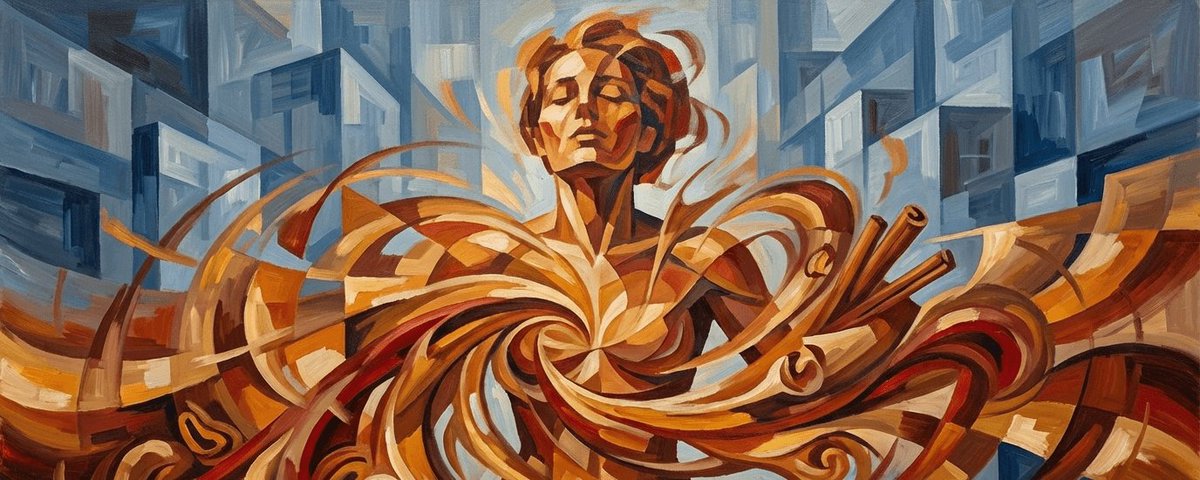
你走进一间屋子,闻到肉桂和旧木头的气味。你甚至还没来得及形成一个清晰的念头,就已经回到了六岁,站在祖母家厨房里,一个周六早晨。那种感觉一下子完整地涌来,温暖,安全,失落,爱,还有三十年来再也没见过的那种冬日窗光。你不是主动去调取这段记忆的。是它抓住了你。它从鼻子闯进来,直达你大脑里那个并不靠逻辑和语言运转的地方。

任何语言模型都不可能拥有这种体验。不是因为工程还不够好。是因为机器没有祖母。它没有童年。它没有一个花了很多年,把某种分子和某种感受一点点连在一起的身体。它处理 cinnamon 这个词时,只是把它当作一个和其他 token 存在统计关系的 token。你处理肉桂时,处理的是整段人生。

这个观察听起来像是感伤。其实它是技术性的。它指向了 AI 行业在理解智能、工作,以及做人这件事上存在的一个盲点。

机器实际上在做什么

现代 AI 运行在一个循环里。你给它一个提示。它预测下一个在统计上最可能出现的 token。它把这些预测一个接一个串起来,拼成看上去像思考的东西。然后你评估结果,做出调整,再把循环跑一遍。

我以前写过这个循环。我把它叫作 Ralph Loop,以《辛普森一家》里的 Ralph Wiggum 命名,因为 Ralph 并不聪明绝顶,但他会一直试,而不断尝试本身就是关键。这个循环就是,尝试,评估,反馈,再试一次。它是我见过的一切有用 AI 工作流背后的核心机制。

这个循环很强大。它能写代码、生成报告、给图像分类、从分子结构预测消费者偏好,还能产出几乎任何东西的初稿。那些真正会利用它的人,正在得到惊人的结果。我自己也在跑这些循环,常常让它们整夜运行,醒来时工作已经做完了。

但这个循环里有个缺口。一个很大的缺口。

这个循环无法决定该做什么。

机器无法回答的问题

人生是一个巨大的多目标优化问题。你总是在同时优化很多件事,而这些事彼此冲突。事业和家庭。速度和质量。利润和伦理。健康和快乐。自由和安全。

难的地方,不是解决这些问题里的某一个。难的是决定哪些问题重要,重要到什么程度,对谁重要。这个决定是主观的。它取决于你是谁,你从哪里来,你失去过什么,你爱什么。

AI 能优化。它是我们造出来最强的优化器。但它不能选择目标函数。它不在乎任何事。它没有偏好,没有失去,没有亲身利害。它是被工程制造出来的,它是冷的。

这时一定会有人反驳,机器当然可以按你想要的目标去优化。你告诉它就行。最大化收入。最小化成本。最大化用户参与度。机器会准确照做,而且做得比你好。

这话没错,但它没打中重点。你当然总能给机器一个目标。可这个目标从哪里来。是你选的。那你为什么这样选。因为你有一个更高层的目的。那这个目的为什么重要。因为上面还有别的东西。顺着这条链一直往上追,最终你总会到达一个答案并不来自逻辑的地方。它来自感觉。你在乎孩子的未来。你希望自己的工作有意义。你害怕自己变得无关紧要。你心里隐约知道这条路是对的,那条路是错的,可你没法把原因彻底讲明白。

那个顶层选择,整棵树根上的那个选择,本质上是一种价值。价值不是从数据里来的。价值来自一个会感受的身体,来自在这个身体里活过的一生。

人类不是被设计出来的。人类是进化出来的。而进化给了我们一件任何架构图里都没有的东西,情绪。

为什么情绪不是 bug

技术文化常把情绪当成噪声。仿佛必须先把它滤掉,信号才能干净地显现出来。Damasio 在几十年前就已经证明,这个想法恰好反了。那些大脑情绪中枢受损的病人,抽象推理能力依然可以非常完好,但他们无法做决定。他们可以整天列举利弊,却还是选不出来,因为选择需要在乎,而在乎是一种感受。

情绪,是进化对目标函数问题给出的解法。几亿年里,那些在乎正确事物的生物,食物、安全、后代、社会联结,活了下来。那些不在乎的,没有。你对什么重要的感觉,经过自然选择检验的时间,比多细胞生命存在的时间还要长。它配得上自己的位置。

这也是为什么 AI 会取代人类 这种叙事,把情况看反了。机器负责工作流的中段。人类负责两端,决定要做什么,以及判断结果到底好不好。这两件事都需要一种对什么重要的感觉。机器没有这种感觉。

鼻子知道一些模型不知道的事

这时候,我自己的领域就相关了。也正是在这里,以程序员为中心的世界观最明显地开始失效。

我的整个职业生涯都在感官科学里。我的博士学位是数学,但我的工作是通过味觉、嗅觉、触觉、视觉和听觉,去测量人类对产品的体验。17 岁时,我开始为父亲的感官分析公司写 Fortran 代码。客户会把装着数据的软盘寄给我们,我来跑分析,我们再把结果寄回去。这个领域几十年来怎么演变,我都看在眼里。而我可以明确地说,化学感官,也就是嗅觉和味觉,是 AI 的局限性变得再也无法忽视的地方。

嗅觉和味觉,是系统发育上最古老的感官。它们最早进化出来,因为它们解决的是任何生物都要面对的最根本问题,这东西是食物还是毒药。我该靠近还是躲开。化学感官直接连到边缘系统,也就是情绪大脑。你闻到某样东西时,先有感觉,后有想法。认知加工是后来的事,甚至可能根本不会发生。那套连线,是你神经系统里最深、也最经得起考验的回路。

相比之下,视觉和听觉是更新的感官。它们更多依赖皮层,更抽象,也更适合神经网络擅长的那种模式识别。你可以造一个图像分类器。你可以造一个语音转文本模型。这些都是令人印象深刻的成就,它们之所以有效,是因为视觉和听觉运作的领域,相对更容易映射成数字表示。

但要造出一个能捕捉人类鼻子所捕捉之物的人工鼻子,那是另一类问题。人的鼻子当然是在检测分子。但它同时也会触发记忆、情绪和求生反应,而这些都与它所寄居的身体紧紧相连。一个模型就算读过史上每一篇葡萄酒评论,也能写出一篇优美的新评论。可它从没尝过酒。它根本不知道自己在说什么。

这件事的重要性不只在葡萄酒评论上。如果你是程序员,你的工作活在视觉和逻辑领域,而这正是 AI 最强的地方。所以你看 AI 能力时,会看到一台机器可以完成你大部分工作。如果你是调香师、厨师、酿酒师、物理治疗师、助产士、农民,或者任何工作依赖身体化判断的人,你看到的就是另一回事。你会看到一个工具,它对有些事情有用,对另一些事情则毫无关系。

程序员的错误,在于以为世界是靠代码运转的。经济体系中很大一部分根本不是。它靠的是身体在物理空间里做事,靠的是那些依赖感官和感受的判断,而这些能力的进化早在大脑皮层出现之前就开始了。

Moravec 在 1988 年就注意到了这个模式。那些对机器很难的事,感觉运动技能、情境解释、直觉判断,对人类却很容易,因为进化在上面花了很长时间。那些对机器很容易的事,算术、搜索、逻辑推演,对人类反而难,因为我们真正开始做这些事,也不过几千年。最古老的能力,往往最深层。最深层的能力,也最难复制。

Searle 用他的中文房间论证提出了一个互补的观点,一个系统可以完美地操纵符号,却依然什么都不理解。句法不是语义。处理不是体验。那些无法被数字化的东西,不是什么边角案例。它们才是生活的大多数。

问题不会更少,只会更多

下面这一点,是绝大多数失业预测完全没有看见的。

当你解决一个问题时,你并不会减少剩余问题的数量。你会增加它。每一个解决方案,都会解锁新的问题,而这些问题在之前根本不可见。抗生素解决了细菌感染,也制造了抗生素耐药。互联网解决了信息获取,也创造了虚假信息、注意力经济和网络安全这些完整的新领域。汽车解决了交通,也催生了交通工程、城市规划、保险法和排放监管。

这个模式还会加速。它是组合式的。随着 AI 更快地解决更多问题,新问题的空间会以前所未有的速度扩张。我们不是在走向一个工作更少的世界。我们走向的是一个工作不同、而且工作更多得多的世界。

这不是只能停留在理论上。去问问任何一个过去一年真正紧密使用 AI 的人。每个我认识的人都比以前更忙了,我自己也一样。不是因为这些工具没用。恰恰是因为它们有用。突然之间,过去那些不现实、没法解决的百万个问题,现在都变得可解了。而一旦你看见这一点,就停不下来。待办不会缩小。它会爆炸。星期二的解决方案,会变成星期三的三个新项目。那个本来应该帮你省时间的工具,反而让你看清了还有多少事要做。

这正是失业预测弄反的地方。它们把 AI 建模成一部分固定劳动量,从人类转移到了机器手里。真实体验恰好相反。AI 是一个杠杆,它把可触及的问题空间大幅放大,而人类会蜂拥而入去填满它,因为人类就是这样。

生产率会冲破天花板,这会是真正的好事。商品和服务的价格会下降。今天昂贵的东西会变便宜。今天不可能的事会变成日常。这会非常美好。

但它不会让人觉得置身天堂。它会像一种新的日常。

我们早已生活在奇迹之中

如果把一个生活在 1300 年的人送到今天,他会觉得自己来到了一个物质极大丰富的乌托邦。充足的食物,随取随用的清洁用水,温暖的住所,可以治愈感染的药物,在空中飞行的机器,还有你口袋里那个装着人类大部分知识的设备。按中世纪的标准,我们早就已经活在天堂里了。

可它并不像天堂。它更像星期二。账单要付,孩子要养,身体会出问题,政治让人焦虑,存在本身令人不安。物质条件已经改善到几乎认不出来了,但人类对生活的主观体验,会重新校准到新的基线,再去找到新的烦恼。

AI 也会发生同样的事。二十年后,人们会生活在一个对今天的我们来说近乎奇迹的世界里。而他们体验那个世界的方式,会像体验一种新的日常,一种有自己压力、自己取舍、自己待解决问题的日常。

这听起来像犬儒,但其实这正是人类进步的运作方式。我们解决一批问题,重新校准,再去处理下一批问题。问题会改变,并不意味着进步是幻觉。问题确实会随着时间推移而变得更好。中世纪的问题,几乎从任何尺度看,都比现代的问题更糟。

但问题不会消失。而要解决它们,需要一种统计预测引擎并不具备的东西,能够判断在那个世界里,对活着的人来说,到底哪些新问题真正重要。

剩下来的工作

在这场讨论里,intelligence 这个词造成了很大伤害。当人们听见 artificial intelligence 时,他们会理解成 人工版的我所拥有的东西。这是错的。机器拥有的,是一种具体而强大的能力,快速模式匹配、统计预测,以及在大规模搜索空间上的优化。你拥有的是另一种东西,一个身体,一段历史,情绪,关系,终有一死的命运,还有在乎某些事的能力。

这是两种不同的能力。把它们混为一谈,就是大多数工作焦虑的根源。

那个在第一码布上评判动力织机的织工,犯了一个可以理解的错误。织机当时还很粗糙。它会扯断线。织出的布比不上熟练手工的成品。但织机后来变好了,而织工的工作也变了。工作不再是亲手织布,而是决定织什么布,同时运转三十台织机,并判断产出的质量到底好不好。

同样的转变正在发生,就发生在现在,发生在我们所有人身上,横跨每一个领域。机器负责生产。人类负责判断。而判断,真正关于什么重要的判断,不是可以自动化的东西。它来自你活过的人生。

霍拉旭是个非常聪明的人。他的哲学也很好。只是还不够大。

那些构建 AI 的人也同样聪明。他们的工具也同样非凡。但天地之间,还有太多东西,无法被一个 token 预测循环捕捉。化学感官在大脑皮层出现之前就已经知道这一点了。身体到今天仍然知道。

"There are more things in heaven and earth, Horatio, than are dreamt of in your philosophy."

世间的天地之间,霍拉旭,还有太多你的哲学未曾梦想到的事。

Hamlet says this to his friend after seeing a ghost. Horatio is a scholar. He has a framework for understanding the world, and it is a good one, but it does not cover everything. The ghost is real and Horatio's philosophy has no room for it.

哈姆雷特在看见幽灵后,对朋友说了这句话。霍拉旭是个学者。他有一套理解世界的框架,而且这套框架并不差,但它并不能涵盖一切。幽灵是真实的,而霍拉旭的哲学里容不下它。

I think about this line a lot when I listen to AI leaders talk about the future of work.

每当我听到 AI 领域的领军人物谈论未来的工作世界时,我总会想到这句话。

The people building these systems are, overwhelmingly, coders. They live in a world of text, logic, and digital computation. When they look at the economy and ask "what can AI replace?", they see the economy through the lens of their own experience. They see tasks that look like coding: information processing, document generation, data analysis, pattern recognition. And from where they sit, it does look like AI can do most of it.

构建这些系统的人,绝大多数都是程序员。他们活在一个由文本、逻辑和数字计算组成的世界里。当他们看着经济体系,问出 AI 能取代什么 时,他们是透过自己的经验去看经济的。他们看见的是那些像写代码一样的任务,信息处理、文档生成、数据分析、模式识别。从他们所在的位置看过去,AI 确实像是几乎都能做。

They're right about the part they can see. They're missing the rest. The coder's view of the economy mistakes the slice visible from a screen for the whole thing.

他们对自己看得见的那部分判断没错。只是,剩下的部分被漏掉了。程序员眼中的经济,把屏幕上可见的那一小块,误当成了整体。

Dario Amodei, the CEO of Anthropic published an essay called "Machines of Loving Grace" that imagines AI solving biology, curing disease, lifting the developing world, and compressing a century of progress into a decade. It is thoughtful and worth reading. But there is a conceit underneath it that I find troubling: the implicit belief that intelligence is computation, and that enough computation can therefore solve everything. Taken to its logical end, this is an attempt to remake God in the image of an engineer.

Anthropic 的 CEO Dario Amodei 发表过一篇文章,题为 Machines of Loving Grace。文中设想 AI 将解决生物学问题、治愈疾病、提升发展中世界,并把一个世纪的进步压缩进十年里。这篇文章很有思考价值,也值得一读。但它底下藏着一个让我不安的前提,那个隐含的信念是,智能就是计算,因此只要有足够多的计算,就能解决一切。顺着这个逻辑走到尽头,这其实是在试图按照工程师的形象重塑上帝。

Here is something computation cannot do.

可有些事,计算做不到。

You walk into a house and smell cinnamon and old wood. Before you form a single conscious thought, you are six years old, standing in your grandmother's kitchen on a Saturday morning. The feeling arrives whole: warmth, safety, loss, love, the specific quality of winter light through a window you haven't seen in thirty years. You didn't choose to retrieve this memory. It grabbed you. It came through your nose and went straight to a part of your brain that doesn't trade in logic or language.

你走进一间屋子,闻到肉桂和旧木头的气味。你甚至还没来得及形成一个清晰的念头,就已经回到了六岁,站在祖母家厨房里,一个周六早晨。那种感觉一下子完整地涌来,温暖,安全,失落,爱,还有三十年来再也没见过的那种冬日窗光。你不是主动去调取这段记忆的。是它抓住了你。它从鼻子闯进来,直达你大脑里那个并不靠逻辑和语言运转的地方。

No language model will ever have that experience. Not because the engineering isn't good enough yet. Because the machine has no grandmother. It has no childhood. It has no body that spent years building the associations between a molecule and a feeling. It processes the word "cinnamon" as a token with statistical relationships to other tokens. You process cinnamon as a life.

任何语言模型都不可能拥有这种体验。不是因为工程还不够好。是因为机器没有祖母。它没有童年。它没有一个花了很多年,把某种分子和某种感受一点点连在一起的身体。它处理 cinnamon 这个词时,只是把它当作一个和其他 token 存在统计关系的 token。你处理肉桂时,处理的是整段人生。

That observation sounds sentimental. It is actually technical. And it points to a blind spot in how the AI industry thinks about intelligence, work, and what it means to be human.

这个观察听起来像是感伤。其实它是技术性的。它指向了 AI 行业在理解智能、工作,以及做人这件事上存在的一个盲点。

What the machine actually does

机器实际上在做什么

Modern AI runs on a loop. You give it a prompt. It predicts the most statistically likely next token. It chains those predictions together into something that looks like thought. Then you evaluate the result, adjust, and run the loop again.

现代 AI 运行在一个循环里。你给它一个提示。它预测下一个在统计上最可能出现的 token。它把这些预测一个接一个串起来,拼成看上去像思考的东西。然后你评估结果,做出调整,再把循环跑一遍。

I have written about this loop before. Its called a Ralph Loop, after Ralph Wiggum from The Simpsons, because Ralph is not brilliant but he keeps trying, and the trying is the point. The loop is: try, evaluate, feed back, try again. It is the core mechanic behind every useful AI workflow I have seen.

我以前写过这个循环。我把它叫作 Ralph Loop,以《辛普森一家》里的 Ralph Wiggum 命名,因为 Ralph 并不聪明绝顶,但他会一直试,而不断尝试本身就是关键。这个循环就是,尝试,评估,反馈,再试一次。它是我见过的一切有用 AI 工作流背后的核心机制。

The loop is powerful. It can write code, generate reports, classify images, predict consumer preference from molecular structure, and produce first drafts of nearly anything. The people who harness it well are getting extraordinary results. I run these loops myself, often overnight, and wake up to finished work.

这个循环很强大。它能写代码、生成报告、给图像分类、从分子结构预测消费者偏好,还能产出几乎任何东西的初稿。那些真正会利用它的人,正在得到惊人的结果。我自己也在跑这些循环,常常让它们整夜运行,醒来时工作已经做完了。

But the loop has a hole in it. A big one.

但这个循环里有个缺口。一个很大的缺口。

The loop cannot decide what to work on.

这个循环无法决定该做什么。

The question the machine cannot answer

机器无法回答的问题

Life is a giant multi-objective optimization problem. You are always optimizing for multiple things at once, and those things conflict. Career and family. Speed and quality. Profit and ethics. Health and pleasure. Freedom and security.

人生是一个巨大的多目标优化问题。你总是在同时优化很多件事,而这些事彼此冲突。事业和家庭。速度和质量。利润和伦理。健康和快乐。自由和安全。

The hard part is not solving any one of those problems. The hard part is deciding which ones matter, how much, and to whom. That decision is subjective. It depends on who you are, where you come from, what you have lost, what you love.

难的地方,不是解决这些问题里的某一个。难的是决定哪些问题重要,重要到什么程度,对谁重要。这个决定是主观的。它取决于你是谁,你从哪里来,你失去过什么,你爱什么。

AI can optimize. It is the best optimizer we have ever built. But it cannot choose the objective function. It does not care about anything. It has no preferences, no losses, no skin in the game. It is engineered, and it is cold.

AI 能优化。它是我们造出来最强的优化器。但它不能选择目标函数。它不在乎任何事。它没有偏好,没有失去,没有亲身利害。它是被工程制造出来的,它是冷的。

Someone will object here: of course the machine can optimize for whatever you want. You just tell it. Maximize revenue. Minimize cost. Maximize user engagement. The machine will do exactly that, and it will do it better than you can.

这时一定会有人反驳,机器当然可以按你想要的目标去优化。你告诉它就行。最大化收入。最小化成本。最大化用户参与度。机器会准确照做,而且做得比你好。

This is true and it misses the point. You can always give the machine an objective. But where did that objective come from? You chose it. And why did you choose it? Because of some higher-level goal. And why does that goal matter? Because of something above it. Follow the chain far enough and you always arrive at a place where the answer is not logical. It is felt. You care about your kids' future. You want your work to mean something. You are afraid of being irrelevant. You have a gut sense that this path is right and that one is wrong, and you cannot fully explain why.

这话没错,但它没打中重点。你当然总能给机器一个目标。可这个目标从哪里来。是你选的。那你为什么这样选。因为你有一个更高层的目的。那这个目的为什么重要。因为上面还有别的东西。顺着这条链一直往上追,最终你总会到达一个答案并不来自逻辑的地方。它来自感觉。你在乎孩子的未来。你希望自己的工作有意义。你害怕自己变得无关紧要。你心里隐约知道这条路是对的,那条路是错的,可你没法把原因彻底讲明白。

That top-level choice, the one at the root of the whole tree, is a value. And values don't come from data. They come from living a life in a body that feels things.

那个顶层选择,整棵树根上的那个选择,本质上是一种价值。价值不是从数据里来的。价值来自一个会感受的身体,来自在这个身体里活过的一生。

Humans are not engineered. We evolved. And evolution gave us something that no architecture diagram includes: emotion.

人类不是被设计出来的。人类是进化出来的。而进化给了我们一件任何架构图里都没有的东西,情绪。

Why emotion is not a bug

为什么情绪不是 bug

Technical culture treats emotion as noise. Something to filter out so the signal comes through clean. Damasio showed decades ago that this is backwards. Patients with damage to the emotional centers of their brains can reason perfectly well in the abstract, but they can't make decisions. They can list pros and cons all day, but they can't choose, because choosing requires caring, and caring is a feeling.

技术文化常把情绪当成噪声。仿佛必须先把它滤掉,信号才能干净地显现出来。Damasio 在几十年前就已经证明,这个想法恰好反了。那些大脑情绪中枢受损的病人,抽象推理能力依然可以非常完好,但他们无法做决定。他们可以整天列举利弊,却还是选不出来,因为选择需要在乎,而在乎是一种感受。

Emotion is how evolution solved the objective function problem. Over hundreds of millions of years, organisms that cared about the right things (food, safety, offspring, social bonds) survived. The ones that didn't, didn't. Your sense of what matters has been tested by natural selection for longer than multicellular life has existed. It earned its place.

情绪,是进化对目标函数问题给出的解法。几亿年里,那些在乎正确事物的生物,食物、安全、后代、社会联结,活了下来。那些不在乎的,没有。你对什么重要的感觉,经过自然选择检验的时间,比多细胞生命存在的时间还要长。它配得上自己的位置。

This is why the "AI will replace humans" narrative gets the situation backwards. The machine handles the middle of the workflow. The human handles both ends: deciding what to work on and judging whether the result is actually good. Both of those tasks require a sense of what matters. The machine doesn't have one.

这也是为什么 AI 会取代人类 这种叙事,把情况看反了。机器负责工作流的中段。人类负责两端,决定要做什么,以及判断结果到底好不好。这两件事都需要一种对什么重要的感觉。机器没有这种感觉。

The nose knows something the model doesn't

鼻子知道一些模型不知道的事

This is where my own field becomes relevant, and where the coder-centric worldview breaks down most visibly.

这时候,我自己的领域就相关了。也正是在这里,以程序员为中心的世界观最明显地开始失效。

I have spent my career in sensory science. My PhD is in mathematics, but my work is measuring human experience of products through the senses: taste, smell, touch, sight, sound. I started at age 17, writing Fortran code for my father's sensory analysis company. Clients would mail us floppy disks with data, I would run the analysis, and we would mail the results back. I have watched this field evolve for decades, and I can tell you that the chemical senses are where AI's limitations become impossible to ignore.

我的整个职业生涯都在感官科学里。我的博士学位是数学,但我的工作是通过味觉、嗅觉、触觉、视觉和听觉,去测量人类对产品的体验。17 岁时,我开始为父亲的感官分析公司写 Fortran 代码。客户会把装着数据的软盘寄给我们,我来跑分析,我们再把结果寄回去。这个领域几十年来怎么演变,我都看在眼里。而我可以明确地说,化学感官,也就是嗅觉和味觉,是 AI 的局限性变得再也无法忽视的地方。

Smell and taste are the phylogenetically oldest senses. They evolved first because they solve the most fundamental problem any organism faces: is this thing food or poison? Should I approach or avoid? The chemical senses are wired directly into the limbic system, the emotional brain. When you smell something, you feel something before you think anything. The cognitive processing comes later, if it comes at all. That wiring is the deepest and most battle-tested circuit in your nervous system.

嗅觉和味觉,是系统发育上最古老的感官。它们最早进化出来,因为它们解决的是任何生物都要面对的最根本问题,这东西是食物还是毒药。我该靠近还是躲开。化学感官直接连到边缘系统,也就是情绪大脑。你闻到某样东西时,先有感觉,后有想法。认知加工是后来的事,甚至可能根本不会发生。那套连线,是你神经系统里最深、也最经得起考验的回路。

Vision and hearing, by contrast, are newer senses. They are more cortical, more abstract, more amenable to the kind of pattern recognition that neural networks do well. You can build an image classifier. You can build a speech-to-text model. These are impressive accomplishments and they work because vision and hearing operate in domains that map relatively well onto digital representation.

相比之下,视觉和听觉是更新的感官。它们更多依赖皮层,更抽象,也更适合神经网络擅长的那种模式识别。你可以造一个图像分类器。你可以造一个语音转文本模型。这些都是令人印象深刻的成就,它们之所以有效,是因为视觉和听觉运作的领域,相对更容易映射成数字表示。

But building an artificial nose that captures what a human nose captures is a different kind of problem. The human nose detects molecules, yes. It also triggers memories, emotions, and survival responses that are deeply tied to the body it lives in. A model trained on every wine review ever written can generate a new review that reads beautifully. It has never tasted wine. It doesn't know what it's talking about.

但要造出一个能捕捉人类鼻子所捕捉之物的人工鼻子,那是另一类问题。人的鼻子当然是在检测分子。但它同时也会触发记忆、情绪和求生反应,而这些都与它所寄居的身体紧紧相连。一个模型就算读过史上每一篇葡萄酒评论,也能写出一篇优美的新评论。可它从没尝过酒。它根本不知道自己在说什么。

This matters beyond wine criticism. If you are a coder, your work lives in the visual and logical domains where AI is strongest. So when you look at AI capabilities, you see a machine that can do most of what you do. If you are a perfumer, a chef, a brewer, a physical therapist, a midwife, a farmer, or anyone whose work depends on embodied judgment, you see something different. You see a tool that is useful for some things and irrelevant for others.

这件事的重要性不只在葡萄酒评论上。如果你是程序员,你的工作活在视觉和逻辑领域,而这正是 AI 最强的地方。所以你看 AI 能力时,会看到一台机器可以完成你大部分工作。如果你是调香师、厨师、酿酒师、物理治疗师、助产士、农民,或者任何工作依赖身体化判断的人,你看到的就是另一回事。你会看到一个工具,它对有些事情有用,对另一些事情则毫无关系。

The coder's mistake is assuming that the world runs on code. Much of the economy does not. It runs on bodies doing things in physical space, making judgments that depend on senses and feelings that evolved long before the cortex existed.

程序员的错误,在于以为世界是靠代码运转的。经济体系中很大一部分根本不是。它靠的是身体在物理空间里做事,靠的是那些依赖感官和感受的判断,而这些能力的进化早在大脑皮层出现之前就开始了。

Moravec noticed this pattern in 1988. The things that are hard for machines (sensorimotor skills, contextual interpretation, gut feeling) are easy for humans because evolution spent a long time on them. The things that are easy for machines (arithmetic, search, logical deduction) are hard for humans because we have only been doing them for a few thousand years. The oldest capacities are the deepest, and the deepest are the hardest to replicate.

Moravec 在 1988 年就注意到了这个模式。那些对机器很难的事,感觉运动技能、情境解释、直觉判断,对人类却很容易,因为进化在上面花了很长时间。那些对机器很容易的事,算术、搜索、逻辑推演,对人类反而难,因为我们真正开始做这些事,也不过几千年。最古老的能力,往往最深层。最深层的能力,也最难复制。

Searle made the complementary point with his Chinese Room: a system can manipulate symbols perfectly and still understand nothing. Syntax isn't semantics. Processing isn't experience. The things that can't be digitized aren't edge cases. They are most of life.

Searle 用他的中文房间论证提出了一个互补的观点,一个系统可以完美地操纵符号,却依然什么都不理解。句法不是语义。处理不是体验。那些无法被数字化的东西,不是什么边角案例。它们才是生活的大多数。

More problems, not fewer

问题不会更少,只会更多

Here is the part that most job-loss predictions miss entirely.

下面这一点,是绝大多数失业预测完全没有看见的。

When you solve a problem, you do not reduce the number of remaining problems. You increase it. Every solution unlocks new problems that were invisible before. Antibiotics solved bacterial infection and created antibiotic resistance. The internet solved information access and created misinformation, attention economics, and cybersecurity as entire fields. The car solved transportation and created traffic engineering, urban planning, insurance law, and emissions regulation.

当你解决一个问题时,你并不会减少剩余问题的数量。你会增加它。每一个解决方案,都会解锁新的问题,而这些问题在之前根本不可见。抗生素解决了细菌感染,也制造了抗生素耐药。互联网解决了信息获取,也创造了虚假信息、注意力经济和网络安全这些完整的新领域。汽车解决了交通,也催生了交通工程、城市规划、保险法和排放监管。

The pattern accelerates. It is combinatorial. As AI solves more problems faster, the space of new problems will expand faster than it ever has. We aren't heading toward a world with less work. We're heading toward a world with different work, and a lot more of it.

这个模式还会加速。它是组合式的。随着 AI 更快地解决更多问题,新问题的空间会以前所未有的速度扩张。我们不是在走向一个工作更少的世界。我们走向的是一个工作不同、而且工作更多得多的世界。

You don't have to take this on theory. Ask anyone who has been working closely with AI for the past year. Everyone I know, myself included, is working more than ever. Not because the tools don't work. Because they work. Suddenly a million problems that used to be impractical to solve are solvable, and once you see that, you can't stop. The backlog doesn't shrink. It explodes. Tuesday's solution creates Wednesday's three new projects. The tool that was supposed to save you time has instead revealed how much there is to do.

这不是只能停留在理论上。去问问任何一个过去一年真正紧密使用 AI 的人。每个我认识的人都比以前更忙了,我自己也一样。不是因为这些工具没用。恰恰是因为它们有用。突然之间,过去那些不现实、没法解决的百万个问题,现在都变得可解了。而一旦你看见这一点,就停不下来。待办不会缩小。它会爆炸。星期二的解决方案,会变成星期三的三个新项目。那个本来应该帮你省时间的工具,反而让你看清了还有多少事要做。

This is what the job-loss predictions get backwards. They model AI as a fixed quantity of labor being transferred from humans to machines. The actual experience is the opposite. AI is a lever that makes the accessible problem space vastly larger, and humans rush in to fill it because that is what humans do.

这正是失业预测弄反的地方。它们把 AI 建模成一部分固定劳动量,从人类转移到了机器手里。真实体验恰好相反。AI 是一个杠杆,它把可触及的问题空间大幅放大,而人类会蜂拥而入去填满它,因为人类就是这样。

Productivity will go through the roof, and that will be genuinely good. The price of goods and services will drop. Things that are expensive now will become cheap. Things that are impossible now will become routine. It will be wonderful.

生产率会冲破天花板,这会是真正的好事。商品和服务的价格会下降。今天昂贵的东西会变便宜。今天不可能的事会变成日常。这会非常美好。

But it will not feel like paradise. It will feel like a new normal.

但它不会让人觉得置身天堂。它会像一种新的日常。

We already live in a world of miracles

我们早已生活在奇迹之中

A person from the year 1300 transported to the present would think they had arrived in a post-scarcity utopia. Abundant food, clean water on demand, warm shelter, medicine that cures infections, machines that fly through the air, a device in your pocket that contains most of human knowledge. By any medieval standard, we already live in heaven.

如果把一个生活在 1300 年的人送到今天,他会觉得自己来到了一个物质极大丰富的乌托邦。充足的食物,随取随用的清洁用水,温暖的住所,可以治愈感染的药物,在空中飞行的机器,还有你口袋里那个装着人类大部分知识的设备。按中世纪的标准,我们早就已经活在天堂里了。

It doesn't feel like heaven. It feels like Tuesday. There are bills to pay, kids to raise, health problems, political anxiety, existential dread. The material conditions improved beyond recognition, but the human experience of life recalibrated to the new baseline and found new things to worry about.

可它并不像天堂。它更像星期二。账单要付,孩子要养,身体会出问题,政治让人焦虑,存在本身令人不安。物质条件已经改善到几乎认不出来了,但人类对生活的主观体验,会重新校准到新的基线,再去找到新的烦恼。

The same thing will happen with AI. Twenty years from now, people will live in a world that would seem miraculous to us today. And they will experience it as a new kind of normal, with its own pressures, its own trade-offs, and its own problems that need solving.

AI 也会发生同样的事。二十年后,人们会生活在一个对今天的我们来说近乎奇迹的世界里。而他们体验那个世界的方式,会像体验一种新的日常,一种有自己压力、自己取舍、自己待解决问题的日常。

That sounds cynical, but it's actually how human progress works. We solve a set of problems, recalibrate, and start working on the next set. The fact that the problems change doesn't mean progress is an illusion. The problems really do get better over time. Medieval problems were worse than modern ones by almost any measure.

这听起来像犬儒,但其实这正是人类进步的运作方式。我们解决一批问题,重新校准,再去处理下一批问题。问题会改变,并不意味着进步是幻觉。问题确实会随着时间推移而变得更好。中世纪的问题,几乎从任何尺度看,都比现代的问题更糟。

But they do not disappear. And solving them requires something that a statistical prediction engine does not have: a sense of which new problems actually matter to the people living in that world.

但问题不会消失。而要解决它们,需要一种统计预测引擎并不具备的东西,能够判断在那个世界里,对活着的人来说,到底哪些新问题真正重要。

The job that remains

剩下来的工作

The word "intelligence" is doing a lot of damage in this conversation. When people hear "artificial intelligence," they hear "artificial version of what I have." That is wrong. What the machine has is a specific and powerful kind of capability: fast pattern matching, statistical prediction, and optimization across large search spaces. What you have is something else: a body, a history, emotions, relationships, mortality, and the ability to care about things.

在这场讨论里,intelligence 这个词造成了很大伤害。当人们听见 artificial intelligence 时,他们会理解成 人工版的我所拥有的东西。这是错的。机器拥有的,是一种具体而强大的能力,快速模式匹配、统计预测,以及在大规模搜索空间上的优化。你拥有的是另一种东西,一个身体,一段历史,情绪,关系,终有一死的命运,还有在乎某些事的能力。

Those are different kinds of capability, and confusing them is the source of most of the panic about jobs.

这是两种不同的能力。把它们混为一谈,就是大多数工作焦虑的根源。

The weaver who judged the power loom on its first yard of cloth made an understandable mistake. The loom was crude. It broke threads. The cloth was worse than what a skilled hand could produce. But the loom got better, and the weaver's job changed. It stopped being about producing cloth and started being about deciding what cloth to make, running thirty looms at once, and judging whether the output was good.

那个在第一码布上评判动力织机的织工,犯了一个可以理解的错误。织机当时还很粗糙。它会扯断线。织出的布比不上熟练手工的成品。但织机后来变好了,而织工的工作也变了。工作不再是亲手织布,而是决定织什么布,同时运转三十台织机,并判断产出的质量到底好不好。

The same shift is happening now, to all of us, across every field. The machine handles the production. The human handles the judgment. And judgment, real judgment about what matters, is not something you can automate. It comes from having a life.

同样的转变正在发生,就发生在现在,发生在我们所有人身上,横跨每一个领域。机器负责生产。人类负责判断。而判断,真正关于什么重要的判断,不是可以自动化的东西。它来自你活过的人生。

Horatio was a brilliant man. His philosophy was good. It just wasn't big enough.

霍拉旭是个非常聪明的人。他的哲学也很好。只是还不够大。

The people building AI are brilliant too. Their tools are extraordinary. But there are more things in heaven and earth than can be captured in a token prediction loop. The chemical senses knew that before the cortex existed. The body knows it still.

那些构建 AI 的人也同样聪明。他们的工具也同样非凡。但天地之间,还有太多东西,无法被一个 token 预测循环捕捉。化学感官在大脑皮层出现之前就已经知道这一点了。身体到今天仍然知道。

"There are more things in heaven and earth, Horatio, than are dreamt of in your philosophy."

Hamlet says this to his friend after seeing a ghost. Horatio is a scholar. He has a framework for understanding the world, and it is a good one, but it does not cover everything. The ghost is real and Horatio's philosophy has no room for it.

I think about this line a lot when I listen to AI leaders talk about the future of work.

The people building these systems are, overwhelmingly, coders. They live in a world of text, logic, and digital computation. When they look at the economy and ask "what can AI replace?", they see the economy through the lens of their own experience. They see tasks that look like coding: information processing, document generation, data analysis, pattern recognition. And from where they sit, it does look like AI can do most of it.

They're right about the part they can see. They're missing the rest. The coder's view of the economy mistakes the slice visible from a screen for the whole thing.

Dario Amodei, the CEO of Anthropic published an essay called "Machines of Loving Grace" that imagines AI solving biology, curing disease, lifting the developing world, and compressing a century of progress into a decade. It is thoughtful and worth reading. But there is a conceit underneath it that I find troubling: the implicit belief that intelligence is computation, and that enough computation can therefore solve everything. Taken to its logical end, this is an attempt to remake God in the image of an engineer.

Here is something computation cannot do.

You walk into a house and smell cinnamon and old wood. Before you form a single conscious thought, you are six years old, standing in your grandmother's kitchen on a Saturday morning. The feeling arrives whole: warmth, safety, loss, love, the specific quality of winter light through a window you haven't seen in thirty years. You didn't choose to retrieve this memory. It grabbed you. It came through your nose and went straight to a part of your brain that doesn't trade in logic or language.

No language model will ever have that experience. Not because the engineering isn't good enough yet. Because the machine has no grandmother. It has no childhood. It has no body that spent years building the associations between a molecule and a feeling. It processes the word "cinnamon" as a token with statistical relationships to other tokens. You process cinnamon as a life.

That observation sounds sentimental. It is actually technical. And it points to a blind spot in how the AI industry thinks about intelligence, work, and what it means to be human.

What the machine actually does

Modern AI runs on a loop. You give it a prompt. It predicts the most statistically likely next token. It chains those predictions together into something that looks like thought. Then you evaluate the result, adjust, and run the loop again.

I have written about this loop before. Its called a Ralph Loop, after Ralph Wiggum from The Simpsons, because Ralph is not brilliant but he keeps trying, and the trying is the point. The loop is: try, evaluate, feed back, try again. It is the core mechanic behind every useful AI workflow I have seen.

The loop is powerful. It can write code, generate reports, classify images, predict consumer preference from molecular structure, and produce first drafts of nearly anything. The people who harness it well are getting extraordinary results. I run these loops myself, often overnight, and wake up to finished work.

But the loop has a hole in it. A big one.

The loop cannot decide what to work on.

The question the machine cannot answer

Life is a giant multi-objective optimization problem. You are always optimizing for multiple things at once, and those things conflict. Career and family. Speed and quality. Profit and ethics. Health and pleasure. Freedom and security.

The hard part is not solving any one of those problems. The hard part is deciding which ones matter, how much, and to whom. That decision is subjective. It depends on who you are, where you come from, what you have lost, what you love.

AI can optimize. It is the best optimizer we have ever built. But it cannot choose the objective function. It does not care about anything. It has no preferences, no losses, no skin in the game. It is engineered, and it is cold.

Someone will object here: of course the machine can optimize for whatever you want. You just tell it. Maximize revenue. Minimize cost. Maximize user engagement. The machine will do exactly that, and it will do it better than you can.

This is true and it misses the point. You can always give the machine an objective. But where did that objective come from? You chose it. And why did you choose it? Because of some higher-level goal. And why does that goal matter? Because of something above it. Follow the chain far enough and you always arrive at a place where the answer is not logical. It is felt. You care about your kids' future. You want your work to mean something. You are afraid of being irrelevant. You have a gut sense that this path is right and that one is wrong, and you cannot fully explain why.

That top-level choice, the one at the root of the whole tree, is a value. And values don't come from data. They come from living a life in a body that feels things.

Humans are not engineered. We evolved. And evolution gave us something that no architecture diagram includes: emotion.

Why emotion is not a bug

Technical culture treats emotion as noise. Something to filter out so the signal comes through clean. Damasio showed decades ago that this is backwards. Patients with damage to the emotional centers of their brains can reason perfectly well in the abstract, but they can't make decisions. They can list pros and cons all day, but they can't choose, because choosing requires caring, and caring is a feeling.

Emotion is how evolution solved the objective function problem. Over hundreds of millions of years, organisms that cared about the right things (food, safety, offspring, social bonds) survived. The ones that didn't, didn't. Your sense of what matters has been tested by natural selection for longer than multicellular life has existed. It earned its place.

This is why the "AI will replace humans" narrative gets the situation backwards. The machine handles the middle of the workflow. The human handles both ends: deciding what to work on and judging whether the result is actually good. Both of those tasks require a sense of what matters. The machine doesn't have one.

The nose knows something the model doesn't

This is where my own field becomes relevant, and where the coder-centric worldview breaks down most visibly.

I have spent my career in sensory science. My PhD is in mathematics, but my work is measuring human experience of products through the senses: taste, smell, touch, sight, sound. I started at age 17, writing Fortran code for my father's sensory analysis company. Clients would mail us floppy disks with data, I would run the analysis, and we would mail the results back. I have watched this field evolve for decades, and I can tell you that the chemical senses are where AI's limitations become impossible to ignore.

Smell and taste are the phylogenetically oldest senses. They evolved first because they solve the most fundamental problem any organism faces: is this thing food or poison? Should I approach or avoid? The chemical senses are wired directly into the limbic system, the emotional brain. When you smell something, you feel something before you think anything. The cognitive processing comes later, if it comes at all. That wiring is the deepest and most battle-tested circuit in your nervous system.

Vision and hearing, by contrast, are newer senses. They are more cortical, more abstract, more amenable to the kind of pattern recognition that neural networks do well. You can build an image classifier. You can build a speech-to-text model. These are impressive accomplishments and they work because vision and hearing operate in domains that map relatively well onto digital representation.

But building an artificial nose that captures what a human nose captures is a different kind of problem. The human nose detects molecules, yes. It also triggers memories, emotions, and survival responses that are deeply tied to the body it lives in. A model trained on every wine review ever written can generate a new review that reads beautifully. It has never tasted wine. It doesn't know what it's talking about.

This matters beyond wine criticism. If you are a coder, your work lives in the visual and logical domains where AI is strongest. So when you look at AI capabilities, you see a machine that can do most of what you do. If you are a perfumer, a chef, a brewer, a physical therapist, a midwife, a farmer, or anyone whose work depends on embodied judgment, you see something different. You see a tool that is useful for some things and irrelevant for others.

The coder's mistake is assuming that the world runs on code. Much of the economy does not. It runs on bodies doing things in physical space, making judgments that depend on senses and feelings that evolved long before the cortex existed.

Moravec noticed this pattern in 1988. The things that are hard for machines (sensorimotor skills, contextual interpretation, gut feeling) are easy for humans because evolution spent a long time on them. The things that are easy for machines (arithmetic, search, logical deduction) are hard for humans because we have only been doing them for a few thousand years. The oldest capacities are the deepest, and the deepest are the hardest to replicate.

Searle made the complementary point with his Chinese Room: a system can manipulate symbols perfectly and still understand nothing. Syntax isn't semantics. Processing isn't experience. The things that can't be digitized aren't edge cases. They are most of life.

More problems, not fewer

Here is the part that most job-loss predictions miss entirely.

When you solve a problem, you do not reduce the number of remaining problems. You increase it. Every solution unlocks new problems that were invisible before. Antibiotics solved bacterial infection and created antibiotic resistance. The internet solved information access and created misinformation, attention economics, and cybersecurity as entire fields. The car solved transportation and created traffic engineering, urban planning, insurance law, and emissions regulation.

The pattern accelerates. It is combinatorial. As AI solves more problems faster, the space of new problems will expand faster than it ever has. We aren't heading toward a world with less work. We're heading toward a world with different work, and a lot more of it.

You don't have to take this on theory. Ask anyone who has been working closely with AI for the past year. Everyone I know, myself included, is working more than ever. Not because the tools don't work. Because they work. Suddenly a million problems that used to be impractical to solve are solvable, and once you see that, you can't stop. The backlog doesn't shrink. It explodes. Tuesday's solution creates Wednesday's three new projects. The tool that was supposed to save you time has instead revealed how much there is to do.

This is what the job-loss predictions get backwards. They model AI as a fixed quantity of labor being transferred from humans to machines. The actual experience is the opposite. AI is a lever that makes the accessible problem space vastly larger, and humans rush in to fill it because that is what humans do.

Productivity will go through the roof, and that will be genuinely good. The price of goods and services will drop. Things that are expensive now will become cheap. Things that are impossible now will become routine. It will be wonderful.

But it will not feel like paradise. It will feel like a new normal.

We already live in a world of miracles

A person from the year 1300 transported to the present would think they had arrived in a post-scarcity utopia. Abundant food, clean water on demand, warm shelter, medicine that cures infections, machines that fly through the air, a device in your pocket that contains most of human knowledge. By any medieval standard, we already live in heaven.

It doesn't feel like heaven. It feels like Tuesday. There are bills to pay, kids to raise, health problems, political anxiety, existential dread. The material conditions improved beyond recognition, but the human experience of life recalibrated to the new baseline and found new things to worry about.

The same thing will happen with AI. Twenty years from now, people will live in a world that would seem miraculous to us today. And they will experience it as a new kind of normal, with its own pressures, its own trade-offs, and its own problems that need solving.

That sounds cynical, but it's actually how human progress works. We solve a set of problems, recalibrate, and start working on the next set. The fact that the problems change doesn't mean progress is an illusion. The problems really do get better over time. Medieval problems were worse than modern ones by almost any measure.

But they do not disappear. And solving them requires something that a statistical prediction engine does not have: a sense of which new problems actually matter to the people living in that world.

The job that remains

The word "intelligence" is doing a lot of damage in this conversation. When people hear "artificial intelligence," they hear "artificial version of what I have." That is wrong. What the machine has is a specific and powerful kind of capability: fast pattern matching, statistical prediction, and optimization across large search spaces. What you have is something else: a body, a history, emotions, relationships, mortality, and the ability to care about things.

Those are different kinds of capability, and confusing them is the source of most of the panic about jobs.

The weaver who judged the power loom on its first yard of cloth made an understandable mistake. The loom was crude. It broke threads. The cloth was worse than what a skilled hand could produce. But the loom got better, and the weaver's job changed. It stopped being about producing cloth and started being about deciding what cloth to make, running thirty looms at once, and judging whether the output was good.

The same shift is happening now, to all of us, across every field. The machine handles the production. The human handles the judgment. And judgment, real judgment about what matters, is not something you can automate. It comes from having a life.

Horatio was a brilliant man. His philosophy was good. It just wasn't big enough.

The people building AI are brilliant too. Their tools are extraordinary. But there are more things in heaven and earth than can be captured in a token prediction loop. The chemical senses knew that before the cortex existed. The body knows it still.

📋 讨论归档

讨论进行中…