返回列表
💬 讨论题 · 🧠 阿头学

孤注一掷的波段交易并不高明,它只是高风险注意力套利

这篇文章最有价值的不是“满仓单票暴富”,而是“用成交量、催化剂和逻辑复核捕捉短期注意力错配”;前者高度不可复制,后者才有方法论价值。
打开原文 ↗

2026-06-01 原文链接 ↗
阅读简报
双语对照
完整翻译
原文
讨论归档

核心观点

  • 本质不是投资,是事件驱动投机 作者说得很直白:这不是投资,而是把全部资金押在一只股票上,赌几天到几个月内的价格重估;这种打法的收益弹性极高,但破产风险同样极高,不能被包装成普适理财建议。
  • 成交量被作者当作“注意力温度计”,这个判断有用但不完整 成交量上升确实常常意味着市场开始关注,短期价格也确实常由资金和叙事驱动;但“有关注”不等于“会上涨”,因为放量也可能是出货、分歧扩大或恐慌交易,作者把这层复杂性说得过于简单。
  • 催化剂框架是全文最站得住脚的部分 ETF 纳入、FDA 审批、财报、会议发言这类事件,确实会制造短期预期差;作者不断追问概率、时间、影响、失败后果和“为什么市场还没定价”,这比多数只看标题的散户强得多,也最值得迁移到别的决策场景。
  • “逻辑是否还活着”是有效纪律,但不是完整风控 每天复核交易前提是否成立,这种做法非常专业,因为它逼你围绕因果而不是围绕情绪行动;但作者回避了最关键的问题:满仓单票遇到隔夜跳空、黑天鹅和流动性枯竭时,逻辑再清楚也来不及体面止损。
  • 文章的暴富叙事明显带有幸存者偏差和个人品牌包装 “21个月3.5万变800万”极具传播性,但没有完整交易记录、最大回撤、失败案例和风险调整后收益,这种只展示结果不展示代价的写法,更像流量内容而不是严肃方法分享。

跟我们的关联

  • 对 ATou 意味着什么 不要照搬“满仓单票”,那是把生存交给运气;下一步可用的是“催化剂六问”,把每个重要下注都写清楚概率、时间、影响和失败条件。
  • 对 Neta 意味着什么 “关注度先于基本面”是很强的跨域判断,适用于产品和增长;下一步可以把成交量替换成讨论度、留存异动、转化曲线,判断哪些变化是真热度,哪些只是噪音。
  • 对 Uota 意味着什么 这篇材料适合拿来讨论“高收益是否必然建立在不可承受风险上”;下一步可以围绕“逻辑驱动止损”与“价格驱动止损”哪个更可靠做案例比较。
  • 对三者共同意味着什么 真正可迁移的不是“重仓”,而是“少出手、等共振、逻辑失效就退出”;下一步最实用的动作是给任何项目、内容或投资建立一页 thesis:为什么做、什么信号证明对、什么信号说明错、错了怎么退。

讨论引子

1. 如果一套策略只能靠极端集中才能做出夸张收益,那它到底是“方法有效”,还是“风险被结果美化了”? 2. “逻辑失效就卖”听起来很对,但在真实世界里,逻辑失效往往比价格崩掉来得更晚,这套纪律够不够? 3. 在产品、增长和投资里,“关注度先于基本面”分别成立到什么程度,什么时候这句话会变成危险误导?

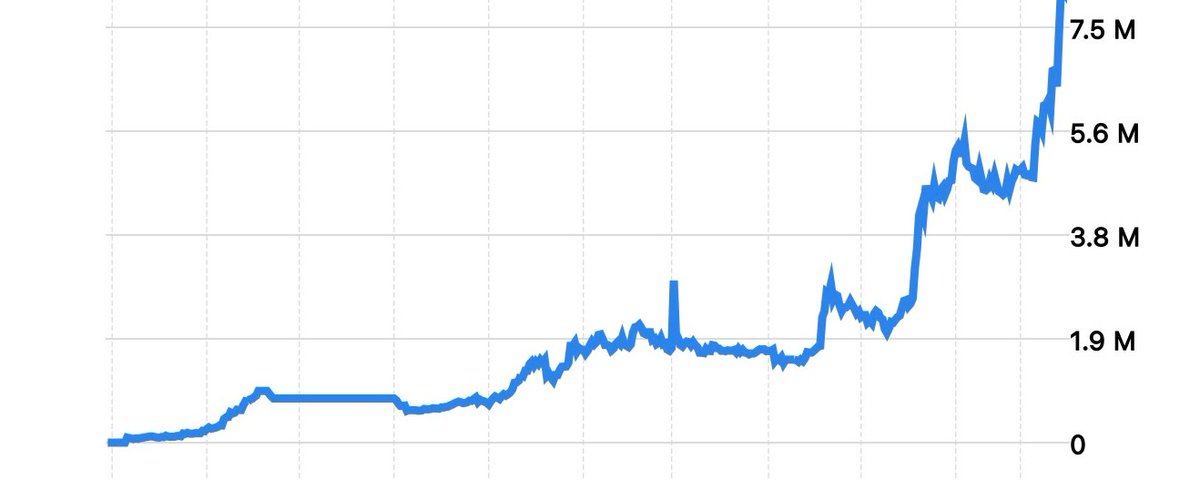
我在 21 个月里,把 3.5 万美元做到了 800 万美元,方法是每次只满仓一只股票。

我主要靠的是波段交易。

具体是这样做的。

什么是波段交易?

这不是投资。 也不是日内交易。

我会挑出单只股票,把手上的每一美元都砸进股票里。

持仓时间从几天到几周,有时甚至几个月。 每天盯着走势图,默默祈祷。 或者一旦希望彻底破灭,就直接离场。

成交量非常重要

我最先看的东西,就是成交量。

在我看来,成交量衡量的是有多少人在关注这只股票。成交量上升通常是好事,下降通常是坏事。

我尤其会留意两件事。

  1. 午盘时成交量有没有突然放大?有的话就要注意

  2. 是不是出了利好消息,或者社交平台讨论变多了,但股价看起来却没怎么动?那就别碰

这里的 CLOV 就是一个很好的午盘放量例子。

如果平均成交量维持在高位,而且成交量还在继续增加,那就非常好。这可能意味着后面还会再来一波上涨,正如几天后发生的那样。

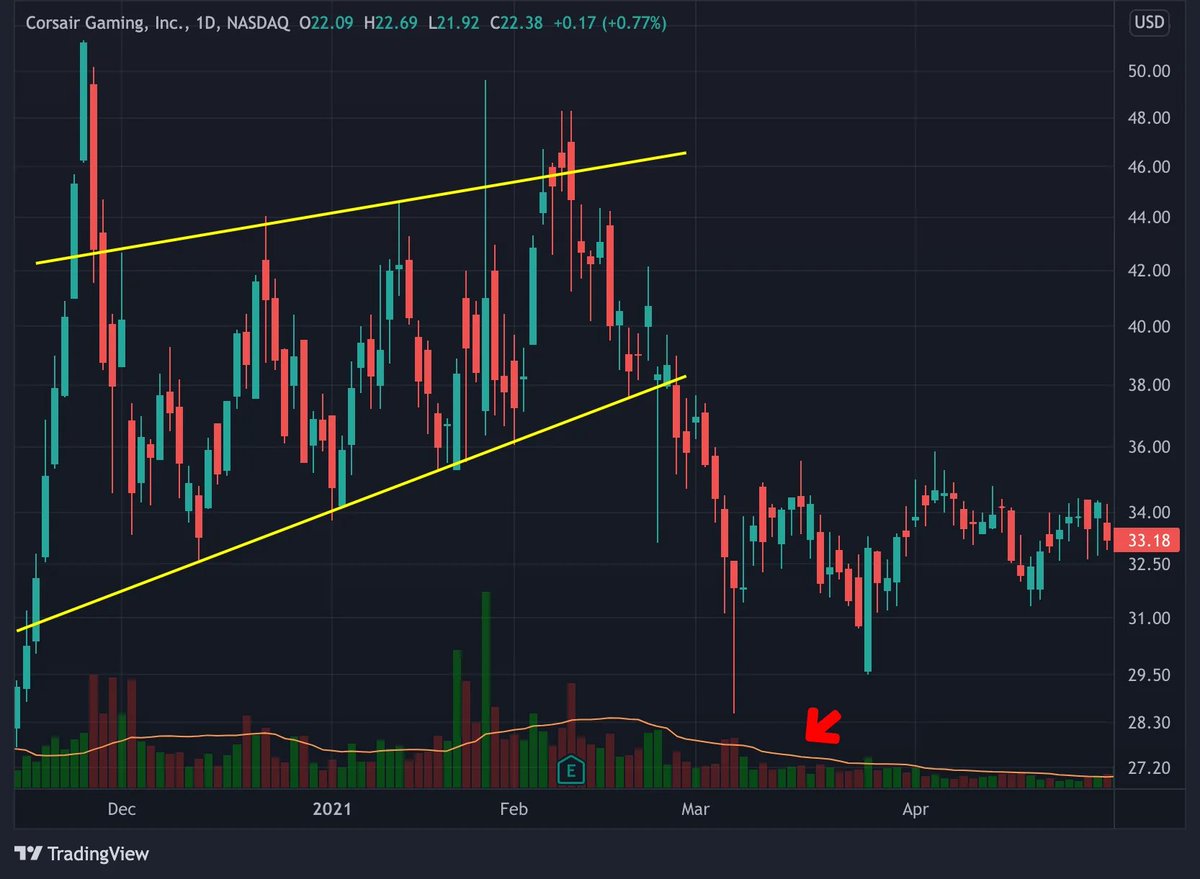
CRSR 则正好相反。

不管出了什么新产品,或者分析师给出什么目标价,成交量都一直在下滑,这说明大家对这家公司已经没那么关心了。

关注度对价格的推动,往往早于基本面。

催化剂极其重要

一定得有一个故事。

得有某种有意思的催化剂,让人们在短期内对股价上涨抱有希望。

再配合成交量上升,这样的股票就适合做波段。

比如。

  • 可能被纳入 ETF

  • 生物科技和 FDA 审批

  • 财报即将发布

  • 主题演讲和行业会议发言

基本上,每遇到一个催化剂,我都会想这些问题。它发生的可能性有多大,它多久会发生,它会对股价带来多大影响,如果它没发生会怎样,到那时你还喜欢这家公司吗,还有,为什么市场还没有提前把这件事计入价格?

如果你真的了解这家公司和它所在的行业,这会非常有帮助。知道一项新合作从启动到落地通常要多久,或者供应链到底发生了什么,会让你比那些只看标题和二手信息的人更有优势。

画一条支撑线

这真的很简单。

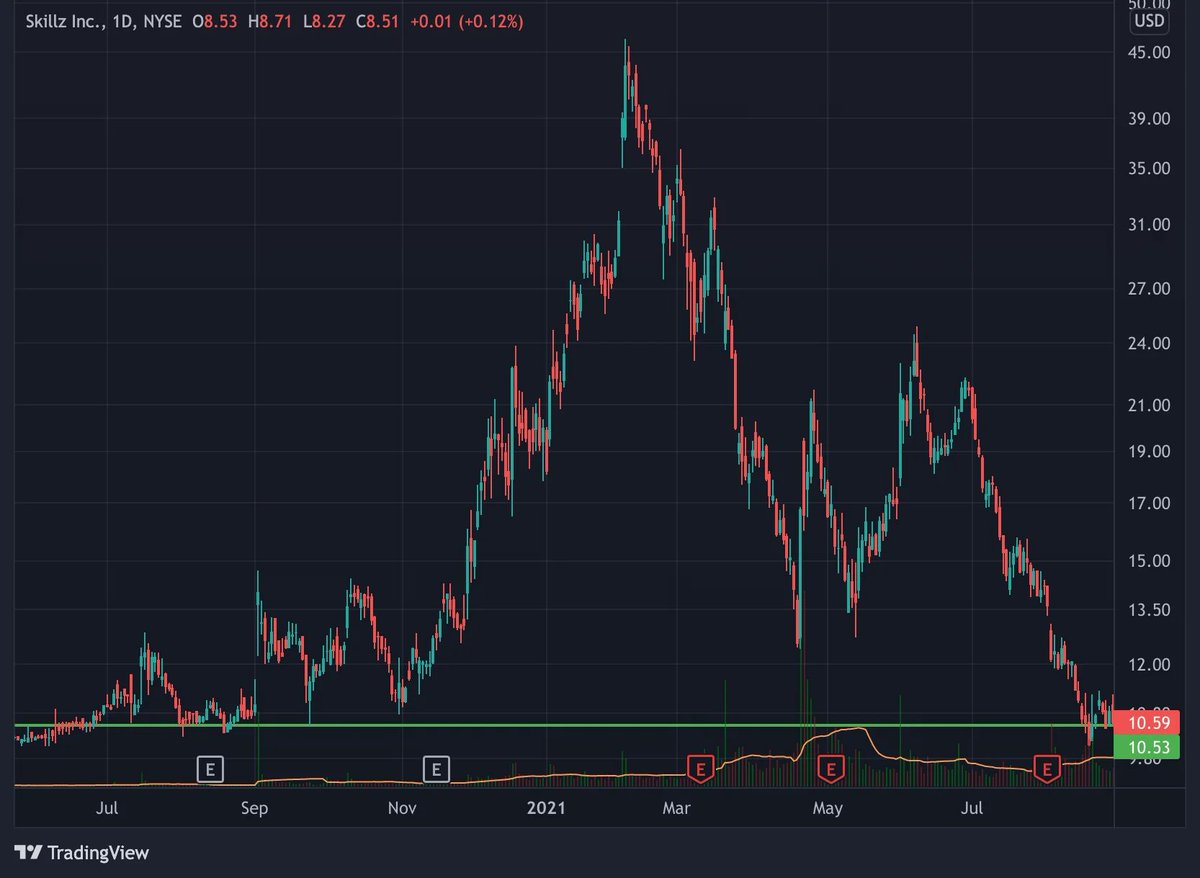
比如这里的 SKLZ,在经历了疯狂起伏的一年之后,又跌回了它 2020 年的支撑线附近,并围绕这条线来回震荡。

我喜欢这种长时间下跌后的走势,因为这在我看来意味着,套牢的人终于都放弃离场了,于是这只股票反而有了反转或者反弹的空间。

SKLZ 确实是在这条支撑线上反弹了,这是一笔很漂亮的短线交易。

逻辑还活着,还是已经死了?

我每天都会问自己一个问题。

我做这笔交易的理由,现在还成立吗?

如果成立,我就继续拿着。 如果不成立,我就卖掉。

只要交易逻辑还活着,哪怕亏 10%,让我拿上几个月,我也完全可以接受。

但如果成交量衰退,或者催化剂失效,那希望就没了。

别和一只股票谈恋爱。卖掉它,然后去看下一只。

耐心会赢

说实话,大多数时候其实什么都没发生。

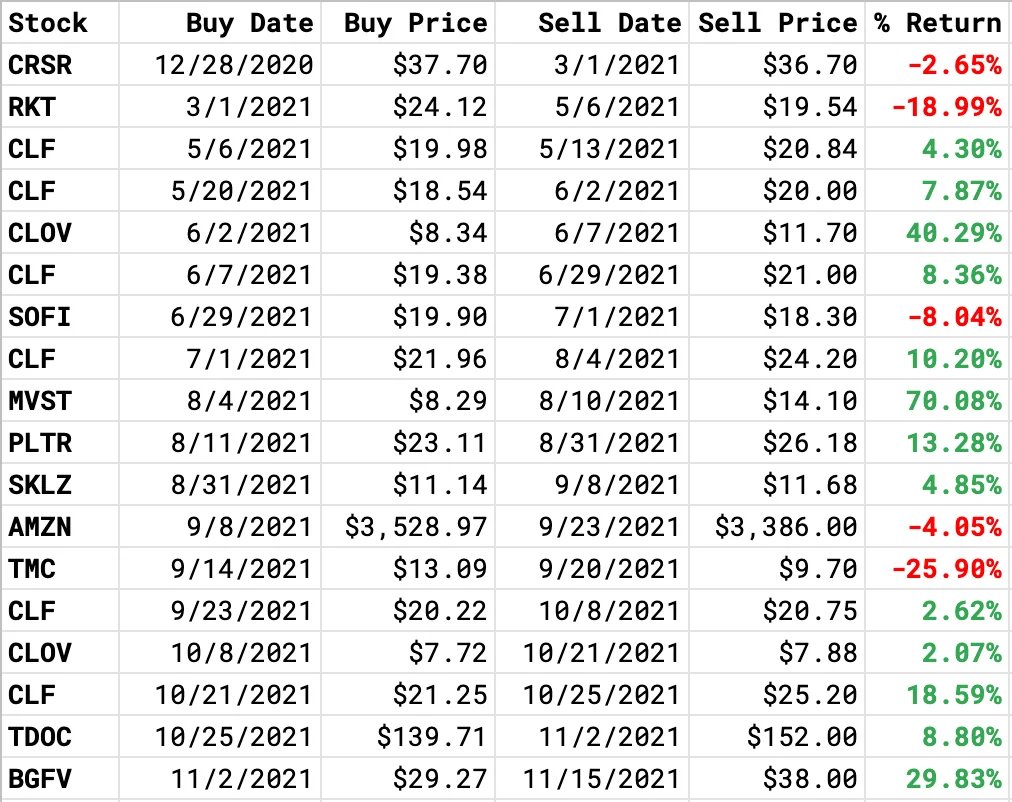
我那一年总共也就做了大概 18 笔交易。

更多时候,你只是在处理信息,然后等待。

偶尔,才会有某个东西突然跳出来。 成交量变了。 某种市场反应看起来不合逻辑。

这时候,就该出手了。

终极波段交易

多元分散也许能保住财富,但集中押注才能创造财富。 - 沃伦·巴菲特

我这一套波段交易,说白了,就是把你手上所有的钱,全部押在你最有把握的那只股票上。

只做 1 只。

就是这么简单。

强烈推荐。

I went $35K to $8M in 21 months by going all-in 1 stock at a time.

I did this mainly via "swing trading".

Here's how it works:

我在 21 个月里,把 3.5 万美元做到了 800 万美元,方法是每次只满仓一只股票。

我主要靠的是波段交易。

具体是这样做的。

What is swing trading?

This is not investing. And it's not day trading.

I picked single stocks and plowed every dollar into shares.

Held positions for days to weeks to months sometimes. Watching the charts and praying everyday. Or exiting if all hope is lost.

什么是波段交易?

这不是投资。 也不是日内交易。

我会挑出单只股票,把手上的每一美元都砸进股票里。

持仓时间从几天到几周,有时甚至几个月。 每天盯着走势图,默默祈祷。 或者一旦希望彻底破灭,就直接离场。

Volume is very important

The #1 thing I look at is volume.

To me, volume is a measurement of how many people care about this stock. Increase in volume is generally good while decrease is bad.

I specifically look out for these two things:

  1. Was there a mid-day increase in volume all of a sudden? Pay attention

  2. Was there some positive news or an increase in social chatter but the stock doesn’t seem to be moving? Don’t bother
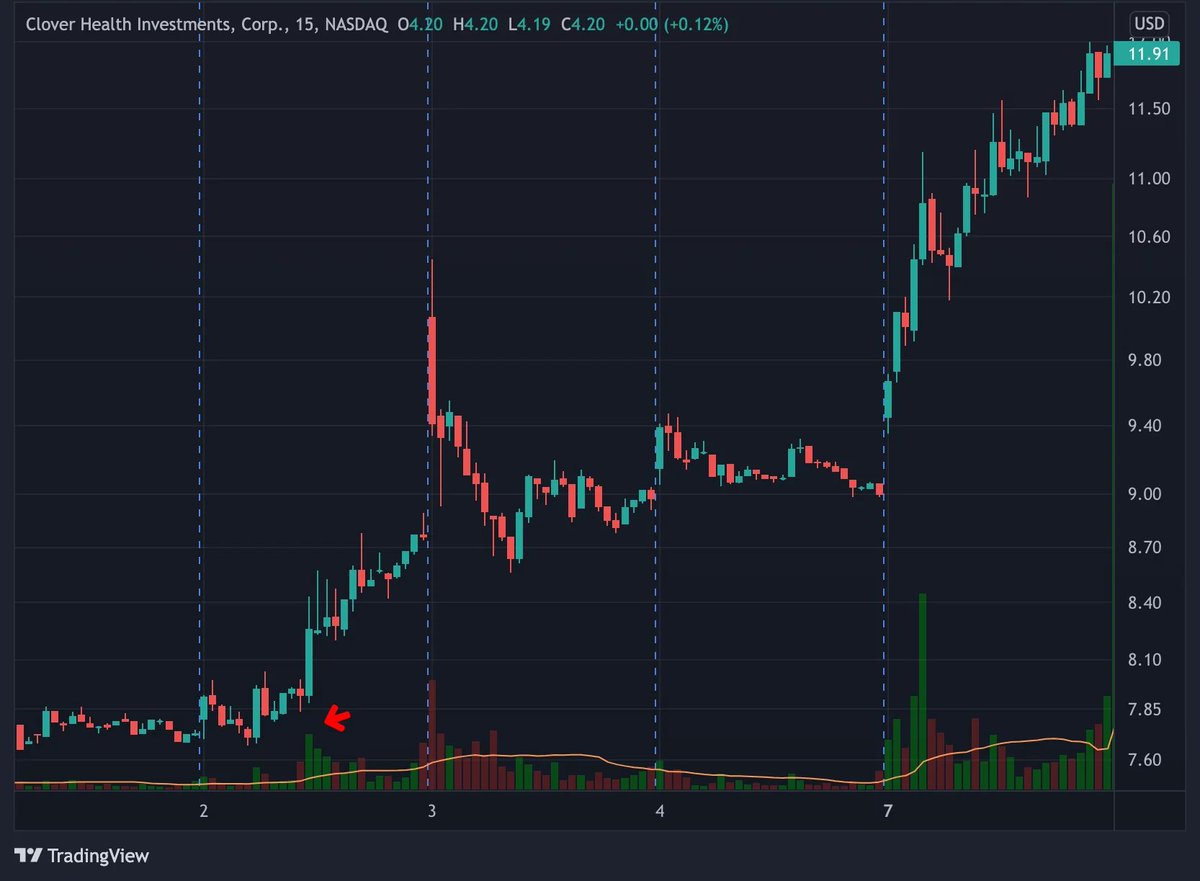
CLOV here is a good example of a mid-day volume spike.

If the average volume remains elevated and volume continues to increase then it’s very good. It could imply another pop to come like it did a few days later.
CRSR was the opposite.

No matter what new products or analyst price targets came out, volume just kept decreasing, implying people don’t care much about this company as much anymore.

Attention moves price long before fundamentals do.

成交量非常重要

我最先看的东西,就是成交量。

在我看来,成交量衡量的是有多少人在关注这只股票。成交量上升通常是好事,下降通常是坏事。

我尤其会留意两件事。

  1. 午盘时成交量有没有突然放大?有的话就要注意

  2. 是不是出了利好消息,或者社交平台讨论变多了,但股价看起来却没怎么动?那就别碰

这里的 CLOV 就是一个很好的午盘放量例子。

如果平均成交量维持在高位,而且成交量还在继续增加,那就非常好。这可能意味着后面还会再来一波上涨,正如几天后发生的那样。

CRSR 则正好相反。

不管出了什么新产品,或者分析师给出什么目标价,成交量都一直在下滑,这说明大家对这家公司已经没那么关心了。

关注度对价格的推动,往往早于基本面。

Catalysts are super important

There has to be a story.

Some interesting catalyst that gives people “hope” in the short-term for upwards price movement.

Combined with an increase in volume, that makes a good swing stock.

Like:

  • Potential ETF inclusions

  • Biotech and FDA approvals

  • Earnings coming up

  • Keynote speeches and conference talks

Basically with each catalyst I think about the potential of it happening, how soon it might happen, how much will it impact the stock price, what happens if it doesn’t happen (do you still like the company?), and why hasn’t the market already priced it in?

Having a real understanding of the actual company and industry helps a lot with this. Knowing how long it takes to launch a new partnership or what’s really going on with the supply chain can give you an edge rather than just reading headlines and secondary sources about the company.

催化剂极其重要

一定得有一个故事。

得有某种有意思的催化剂,让人们在短期内对股价上涨抱有希望。

再配合成交量上升,这样的股票就适合做波段。

比如。

  • 可能被纳入 ETF

  • 生物科技和 FDA 审批

  • 财报即将发布

  • 主题演讲和行业会议发言

基本上,每遇到一个催化剂,我都会想这些问题。它发生的可能性有多大,它多久会发生,它会对股价带来多大影响,如果它没发生会怎样,到那时你还喜欢这家公司吗,还有,为什么市场还没有提前把这件事计入价格?

如果你真的了解这家公司和它所在的行业,这会非常有帮助。知道一项新合作从启动到落地通常要多久,或者供应链到底发生了什么,会让你比那些只看标题和二手信息的人更有优势。

Draw a support line

It's really simple.

SKLZ for example here fell back to it’s 2020 support line after a crazy rollercoaster of a year and bounces around on it.

I like long declines like this because it implies to me “all the bagholders have finally given up and left” thus free-ing the stock for a potential reversal or bounce.

SKLZ did indeed bounce off the support line which made a great scalp.

画一条支撑线

这真的很简单。

比如这里的 SKLZ,在经历了疯狂起伏的一年之后,又跌回了它 2020 年的支撑线附近,并围绕这条线来回震荡。

我喜欢这种长时间下跌后的走势,因为这在我看来意味着,套牢的人终于都放弃离场了,于是这只股票反而有了反转或者反弹的空间。

SKLZ 确实是在这条支撑线上反弹了,这是一笔很漂亮的短线交易。

Is the thesis alive or dead?

Every day I asked one question:

Is the reason I’m in this trade still true?

If yes, I stayed. If not, I sold.

I'm totally okay sitting on a -10% loss for months if the thesis is still alive.

But if volume fades or the catalyst fails, then hope is gone.

Don't marry a stock. Just sell it and move on to the next one.

逻辑还活着,还是已经死了?

我每天都会问自己一个问题。

我做这笔交易的理由,现在还成立吗?

如果成立,我就继续拿着。 如果不成立,我就卖掉。

只要交易逻辑还活着,哪怕亏 10%,让我拿上几个月,我也完全可以接受。

但如果成交量衰退,或者催化剂失效,那希望就没了。

别和一只股票谈恋爱。卖掉它,然后去看下一只。

Patience wins

TBH most of the time nothing is happening.

I only made like 18 trades that year.

You're just processing information and waiting.

Then occasionally something stands out. A volume change. A reaction that doesn’t make sense.

And it’s time to make a move.

耐心会赢

说实话,大多数时候其实什么都没发生。

我那一年总共也就做了大概 18 笔交易。

更多时候,你只是在处理信息,然后等待。

偶尔,才会有某个东西突然跳出来。 成交量变了。 某种市场反应看起来不合逻辑。

这时候,就该出手了。

Ultimate Swing Trading

"Diversification may preserve wealth, but concentration builds wealth" - Warren Buffett

My version of swing trading is to basically go all-in with everything you have on your highest conviction stock.

Just 1 stock.

It's so simple.

Highly recommend it.

终极波段交易

多元分散也许能保住财富,但集中押注才能创造财富。 - 沃伦·巴菲特

我这一套波段交易,说白了,就是把你手上所有的钱,全部押在你最有把握的那只股票上。

只做 1 只。

就是这么简单。

强烈推荐。

I went $35K to $8M in 21 months by going all-in 1 stock at a time.

I did this mainly via "swing trading".

Here's how it works:

What is swing trading?

This is not investing. And it's not day trading.

I picked single stocks and plowed every dollar into shares.

Held positions for days to weeks to months sometimes. Watching the charts and praying everyday. Or exiting if all hope is lost.

Volume is very important

The #1 thing I look at is volume.

To me, volume is a measurement of how many people care about this stock. Increase in volume is generally good while decrease is bad.

I specifically look out for these two things:

  1. Was there a mid-day increase in volume all of a sudden? Pay attention

  2. Was there some positive news or an increase in social chatter but the stock doesn’t seem to be moving? Don’t bother

CLOV here is a good example of a mid-day volume spike.

If the average volume remains elevated and volume continues to increase then it’s very good. It could imply another pop to come like it did a few days later.

CRSR was the opposite.

No matter what new products or analyst price targets came out, volume just kept decreasing, implying people don’t care much about this company as much anymore.

Attention moves price long before fundamentals do.

Catalysts are super important

There has to be a story.

Some interesting catalyst that gives people “hope” in the short-term for upwards price movement.

Combined with an increase in volume, that makes a good swing stock.

Like:

  • Potential ETF inclusions

  • Biotech and FDA approvals

  • Earnings coming up

  • Keynote speeches and conference talks

Basically with each catalyst I think about the potential of it happening, how soon it might happen, how much will it impact the stock price, what happens if it doesn’t happen (do you still like the company?), and why hasn’t the market already priced it in?

Having a real understanding of the actual company and industry helps a lot with this. Knowing how long it takes to launch a new partnership or what’s really going on with the supply chain can give you an edge rather than just reading headlines and secondary sources about the company.

Draw a support line

It's really simple.
SKLZ for example here fell back to it’s 2020 support line after a crazy rollercoaster of a year and bounces around on it.

I like long declines like this because it implies to me “all the bagholders have finally given up and left” thus free-ing the stock for a potential reversal or bounce.

SKLZ did indeed bounce off the support line which made a great scalp.

Is the thesis alive or dead?

Every day I asked one question:

Is the reason I’m in this trade still true?

If yes, I stayed. If not, I sold.

I'm totally okay sitting on a -10% loss for months if the thesis is still alive.

But if volume fades or the catalyst fails, then hope is gone.

Don't marry a stock. Just sell it and move on to the next one.

Patience wins

TBH most of the time nothing is happening.

I only made like 18 trades that year.

You're just processing information and waiting.

Then occasionally something stands out. A volume change. A reaction that doesn’t make sense.

And it’s time to make a move.
Ultimate Swing Trading

"Diversification may preserve wealth, but concentration builds wealth" - Warren Buffett

My version of swing trading is to basically go all-in with everything you have on your highest conviction stock.

Just 1 stock.

It's so simple.

Highly recommend it.

📋 讨论归档

讨论进行中…