返回列表
🧠 阿头学 · 🪞 Uota学 · 💬 讨论题

十二岁前每个孩子都该读的五十本书

这篇书单最有价值的是“分龄朗读+经典输入”的框架,但它把英美经典和作者个人偏好包装成普遍教育结论,这个外推明显过度。
打开原文 ↗

2026-05-20 原文链接 ↗
阅读简报
双语对照
完整翻译
原文
讨论归档

核心观点

  • 分龄递进 作者把 0-12 岁拆成听故事、初级独读、进入真正文学三个阶段,这个路径设计比“堆书名”更有用。
  • 朗读优先 低龄儿童先靠耳朵吸收高质量语言,不能因为识字就停止共读,否则认知输入会断档。
  • 经典不是中性 书单默认西方经典、神话和基督教底色才是“文学基础”,这是明确的文化立场,不是普适事实。
  • 不回避痛苦 作者坚持保留原版童话里的死亡、后果和残酷,这个判断是站得住的:孩子需要被真实世界训练,不该只吃无菌版故事。
  • 书单带商业导流 多处直接导向 Chapter House 产品页,推荐与销售已经搅在一起,不能当成纯中立选书。

跟我们的关联

  • 对 ATou 意味着什么、下一步怎么用:这是一套“先听后读再上难度”的认知脚手架,可直接用于带新人,不要因为会做基础任务就停掉高层输入。
  • 对 Neta 意味着什么、下一步怎么用:它提醒你做教育或内容产品时,入口要低、内容要高,先建立情绪锚点,再逐步加复杂度。
  • 对 Uota 意味着什么、下一步怎么用:这篇文章支持“living book”思路,知识产品可以用叙事包装提升停留和复读,而不是只做说明书。
  • 对通用实践意味着什么、下一步怎么用:如果你要做家庭阅读或知识输入,优先挑能朗读、能重复、能引发讨论的书,而不是只追新、追热、追榜单。

讨论引子

  • 经典儿童文学到底是“普适基础”,还是只是英语世界的文化筛选结果?
  • 孩子识字后还要不要继续朗读,做到什么年龄最合适?
  • “让孩子接触真实痛苦”与“保护儿童心理”之间,界线应该怎么划?

Image 1

凡是在意儿童经典读物的父母,最后都会列出一张书单。它也许始于图书馆里写在餐巾纸上的几笔,也许始于晚上十一点,孩子们终于睡着后,手机备忘录里的一串名字。你记下自己小时候喜爱的书,记下那些总听人提起的书,记下那些明知该读却一直还没读到的书。

这种事我们太熟悉了。我们有三个孩子,分别是四岁、七岁和十二岁。多年来,我们一直给他们读书,陪他们一起读书,也一直努力劝最大的那个自己拿起书来。接下来这份书单,就是我们希望在第一个孩子出生时,能有人直接递到我们手里的那一份。五十本书,按年龄整理,每一本都写了推荐的理由。

这不是一份排名。它也不是一份有史以来五十本最好的儿童书单。它是一份经典儿童文学书单,我们相信,每个孩子都该在十二岁前遇见这些书。它们为一个有读写素养、有想象力、在道德上认真严肃的人打下基础。其中有些适合读给还太小、不能独立阅读的孩子听。有些则适合已经能一头扎进书里读上几个小时的孩子。它们全都值得一家人花时间去读。

开始之前,先说几条基本原则。第一,年龄范围只是建议,不是硬性规定。你最了解自己的孩子。如果你家五岁孩子已经适合读 Charlotte’s Web,那就把书递给他。如果你家九岁孩子还想让你读给他听,那就继续读。第二,这里面很多书,不管孩子多大,都特别适合全家一起朗读。我们现在还在给十二岁的孩子读书,而且并不打算停。第三,我们没有把教材、练习册或工具书算进来。这些是故事、诗歌和传说。是那种会让孩子真正爱上阅读的书。

最早的几年,是用耳朵听故事的年纪。一个每天有人给他读书的孩子,会在自己还认不出一个单词之前,就先明白书本是温暖、惊奇和快乐的来源。下面这些书,会教你的孩子爱上故事。

1.The Real Mother Goose, illustrated by Blanche Fisher Wright

没有童谣的童年是不完整的。Jack and Jill、Humpty Dumpty、Little Bo Peep。这些童谣几个世纪以来一直是英语世界孩子共同的语言。Blanche Fisher Wright 这一版初版于 1916 年,至今仍是标准版本。就从这里开始。

2.The Complete Tales of Beatrix Potter

二十三个短篇故事,每一篇都写得极其精巧。Potter(1866–1943)写作时对孩子怀有一种多数作者都做不到的尊重。她不会居高临下地说教。Peter Rabbit 不听话,于是承受了真实的后果。Jemima Puddle-Duck 愚蠢轻信,差点因此送命。这些故事有道德意味,却不道学。

3.Winnie-the-PoohandThe House at Pooh Cornerby A.A. Milne

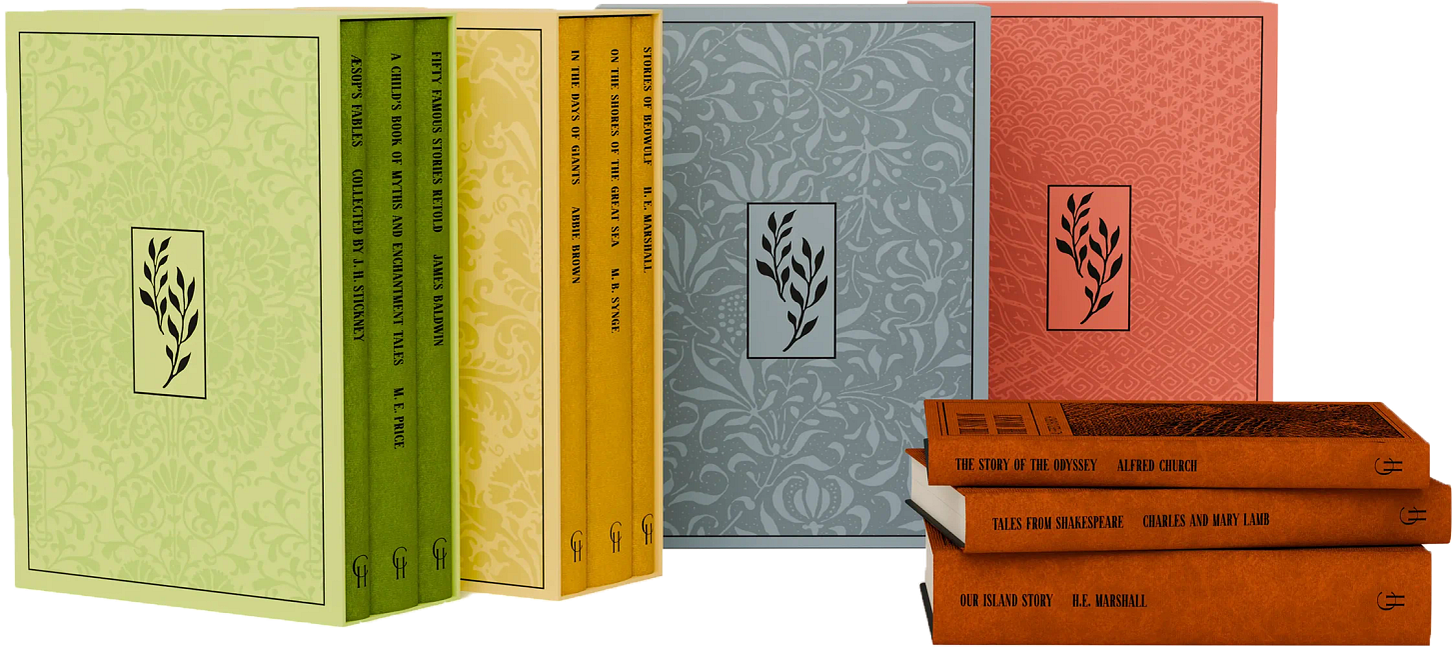
Milne(1882–1956)捕捉到了童年的某种真实。它的小小世界,它的郑重其事,它温柔的荒诞。Pooh 并不聪明,这恰恰是重点。把这两本书读给孩子听,让他们为 Eeyore 的阴郁和 Owl 的自命不凡发笑。他们懂得会比你以为的更多。注:链接里的 Chapter House 版本 Pooh’s Library 是一个四册盒装,除了这两部长篇,还收录了 Milne 的两本诗集 When We Were Very Young 和 Now We Are Six。

4.James Herriot’s Treasury for Children

Herriot 写约克郡山谷动物的故事,温柔却不甜腻。那些动物都是真正的动物。它们会生病,会淘气,有时也会死去。但整本书最强烈的底色,是照料与胜任。一个热爱自己工作的兽医,对小孩子来说,是一种安静却有力的榜样。

5.A Child’s Garden of Versesby Robert Louis Stevenson

诗歌应该尽早开始读,而 Stevenson(1850–1894)是英语里最好的起点。My Shadow、The Land of Counterpane、The Lamplighter。这些诗有音乐感,形象鲜明,而且是从孩子的经验内部写出来的,不是站在孩子上方写的。

6.Little Bearby Else Holmelund Minarik

这是一本完美的入门书,适合刚刚开始跟着故事往下走的孩子。Little Bear 和妈妈之间,是每个孩子都能懂的那种关系。耐心,亲昵,又带一点温柔的幽默。Maurice Sendak 的插画,贡献了其中一半的魔力。

7.Billy and Blazeby C.W. Anderson

一个男孩和他的马。Anderson 的铅笔插图美得惊人,故事本身则是关于忠诚、勇气和责任的朴素叙事。如果想让孩子明白照顾一只动物意味着什么,就从这里开始。这套书对稍大一点、已经学会认字、需要好书练习阅读的孩子来说,也是很好的入门读物。

这是故事开始扎根的年纪。你的孩子正在学着读书,或者刚刚学会,而他能独立读懂的内容,和别人读给他听时他能理解的内容,中间差距非常大。把这道鸿沟搭起来。继续给他朗读,同时把更简单的书交到他手里。这些是我们所知最好的六岁、七岁儿童读物之一。

8.Frog and Toadby Arnold Lobel

四本写友情的小书。Frog 快乐又能干。Toad 焦虑又懒散。他们在一起,构成了文学里最伟大的友谊之一。Lobel 能写得真正好笑,同时又很有智慧。这在任何文学里都罕见,在写给六岁孩子的书里更罕见。

9.Henry and Mudgeby Cynthia Rylant

一个男孩和他那只大得惊人的狗。这套书是理想的初级读物。章节短,句子简单,每一页都暖意融融。Rylant 从不摆出高高在上的姿态,Henry 和 Mudge 的关系也让人觉得真实可信。

10.Charlotte’s Webby E.B. White

如果你只给孩子朗读一部长篇小说,那就读这一本。White(1899–1985)写了一个关于友谊、牺牲和生命循环的故事,既令人心碎,也让人心怀希望。你的孩子会哭。你也会。这正是重点。

11.Just So Storiesby Rudyard Kipling

How the Leopard Got His Spots、The Elephant’s Child、How the Camel Got His Hump。Kipling(1865–1936)写这些故事,本来就是为了朗读出来的,你每读一句都能听出来。语言顽皮,有节奏感,还带着一点疯劲。放开声音读吧,孩子一定会缠着你再来一篇。

12.The Burgess Bird Book for Childrenby Thornton W. Burgess

这是一本通过故事来教鸟类学的书。Peter Rabbit,注意是 Burgess 笔下的 Peter Rabbit,不是 Potter 的那个,遇见了北美的各种鸟。Burgess 对每一种鸟的描述都准确得惊人,你的孩子读完后,也许会开始在院子里认鸟。这就是 Charlotte Mason 所说的 living book。1 它在教孩子知识,而孩子甚至没意识到自己在被教。如果你的孩子喜欢这本书,Burgess 还写了很多别的作品,也都值得找来看看。

13.Hank the Cowdogby John R. Erickson

Hank 是得州狭长地带一座牧场上自封的牧场安保总负责人,而他又壮丽地不称职。Erickson 是个真正会讲故事的人。好笑,锋利,而且深深扎根于真实的地方。我们家七岁的孩子很喜欢这套书,四岁的那个在听朗读时也常常笑得上气不接下气。

14.Bunniculaby Deborah and James Howe

一只吸血鬼兔子,一只多疑的猫 Chester,还有一只名叫 Harold、负责讲完整个故事的狗。它有一点点吓人,但从头到尾都讨人喜欢。续作也不错,不过先从第一本开始。

15.Æsop’s Fables

这是这份书单里最古老的一批故事,也依然是最好的之一。The Tortoise and the Hare、The Boy Who Cried Wolf、The Fox and the Grapes。这些故事贡献了我们一半的谚语。每个孩子都该知道它们。我们出版了一版很漂亮的版本,收录在 Chapter House Chapter I box set 中,不过任何一套完整选集都可以。2

Image 2

Chapter House 出版的 J.H. Stickney 版 Æsop’s Fables

16.Fifty Famous Stories Retoldby James Baldwin

Baldwin(1841–1925)从历史和传说中收集了五十个短故事。阿尔弗雷德国王和烤饼,卡努特国王和潮水,威廉·退尔和苹果。每个故事都短到可以一口气读完,每个故事都会种下一颗种子。你的孩子未必能记住全部五十篇,但那些留下来的,会留一辈子。这本书也是 Chapter HouseChapter I: Heroes and Wonders 套装的一部分。3

Image 3

Cortney Skinner 为 50 Famous Stories Retold 绘制的 Robin Hood 原创插画

17.A Child’s Book of Myths and Enchantment Talesby Margaret Evans Price

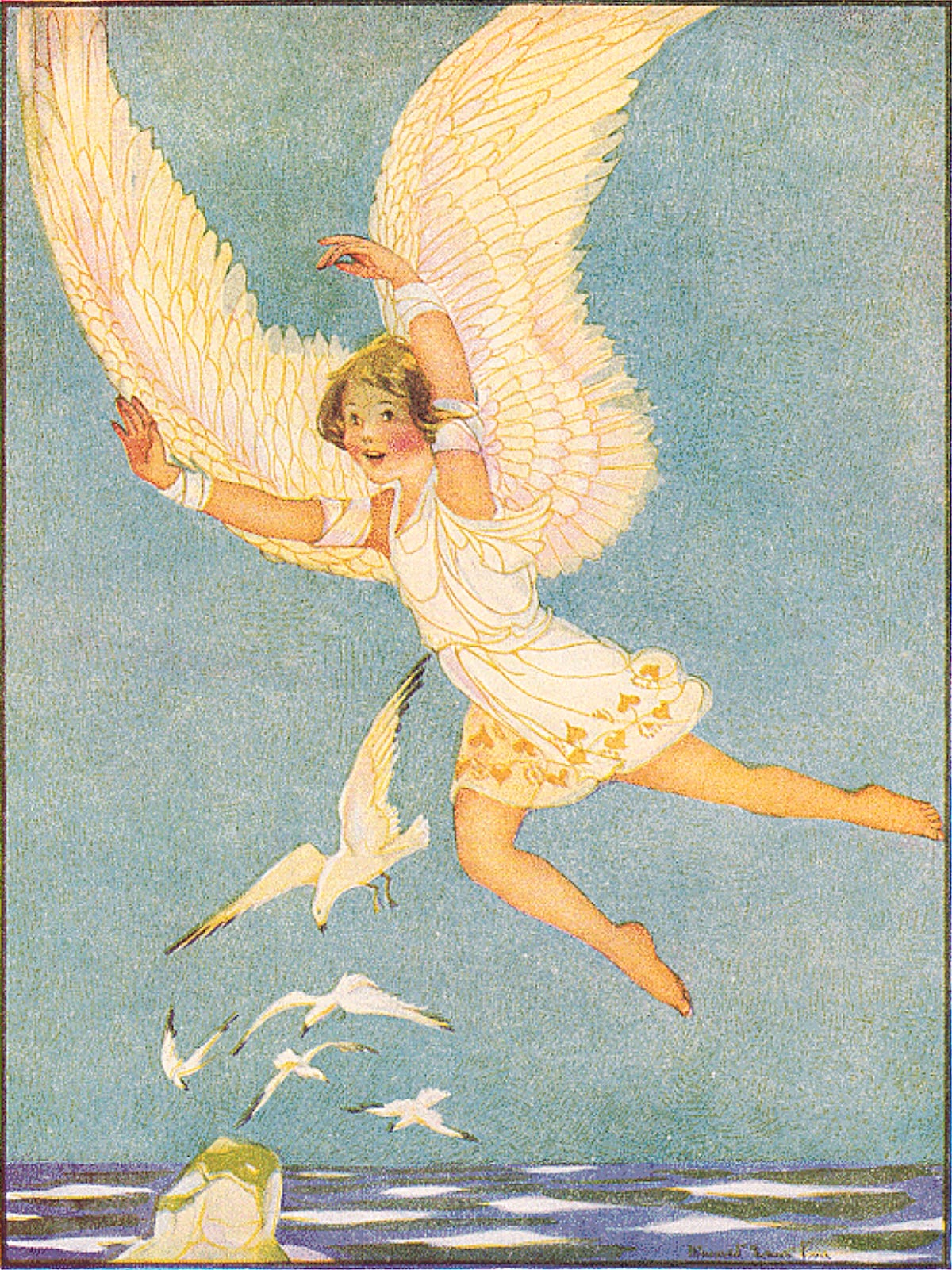
写给年幼孩子的希腊神话,讲得简明,插图也非常漂亮。Pandora、Persephone、Pegasus,还有 Midas 国王点石成金的故事。这些故事支撑着整个西方文学。就从这里开始吧,之后你孩子一生的阅读里,都会不断遇到这些回声。这是 Chapter House Chapter I set 的第三卷。4

Image 4

Margaret Evans-Price 的画作启发了 Fisher-Price 玩具系列。

18.Half Magicby Edward Eager

四个兄弟姐妹发现了一枚能实现愿望的硬币,不过每个愿望只能实现一半。情节的推动力来自各种阴差阳错的喜剧效果。Eager(1911–1964)写作时带着 E. Nesbit 式的机智和微妙讽意,而他本人也公开承认对 Nesbit 的欣赏。这是一本完美的幻想文学入门书,同时又牢牢立足于一个孩子能认出的现实世界。

这几年,是孩子阅读生命要么被点燃、要么彻底熄火的关键时期。你摆在七岁、八岁或九岁孩子面前的书,会决定他到底会成为终身读者,还是变成那种从前还挺喜欢书的孩子。要慎重选择。超过他独立阅读能力的书,就读给他听。其余的,就让他自己大口吞下去。这正是经典儿童书最丰富的年纪,能挑的好东西多得惊人。

19.The Wind in the Willowsby Kenneth Grahame

Grahame(1859–1932)写出了英语里最奇异也最美的一本书之一。Mole、Rat、Badger 和 Toad 都是动物,它们住在房子里,开着汽车,但真正的主题是友谊、家园和英国乡村。请把它读出来。这样的散文值得被听见。

20.The Cricket in Times Squareby George Selden

一只来自康涅狄格州的蟋蟀,意外来到时代广场的地铁站,并在那里结识了一个男孩、一只猫和一只老鼠。Selden 笔下的纽约温暖而具体,故事推进的节奏,对一个已经准备好读稍长篇幅、但还没准备好读 Tolkien 的孩子来说,恰到好处。

21.Understood Betsyby Dorothy Canfield Fisher

一个在焦虑又过度保护的姨妈们身边长大的女孩,去了佛蒙特州务实的亲戚家生活,开始学着自己做事。这部作品先在 1916 年连载,1917 年出版成书,是支持孩子去冒险、去弄脏自己、去独自摸索世界的最好论证之一。每个在家教育的父母都该读一读这本书。

22.The Blue Fairy Bookby Andrew Lang

Lang(1844–1912)编了十二本童话集,每一本都以一种颜色命名。1889 年出版的 The Blue Fairy Book 是最好的入门选择。你会在这里读到 Cinderella、Sleeping Beauty、Hansel and Gretel、Puss in Boots 等故事最原初的版本,还有几十篇别的。是你祖父母那一代知道的版本,不是后来被 Disney 把所有棱角都磨平的版本。

23.Saint George and the Dragon, retold by Margaret Hodges

这是一本写给大一点孩子的图画书。Hodges 把 Spenser 的 Faerie Queene 改写成一个既容易进入、又真正有英雄气概的故事。Trina Schart Hyman 的插图非同寻常。这种书,孩子会一遍又一遍地重读,而且每次都会看到更多东西。

24.Betsy-Tacyby Maud Hart Lovelace

Betsy 和 Tacy 在这套书开始时只有五岁,她们的友情会一路延续到成年。Lovelace(1892–1980)以自己在明尼苏达州曼凯托的童年为基础写下这些书,细节具体又充满感情,让人觉得自己仿佛也在那里生活过。女孩尤其会喜欢,但只要给男孩机会,他们也会读得很开心。

25.The Phantom Tollboothby Norton Juster

Milo 很无聊。他开车穿过一个魔法收费亭,来到 Lands Beyond,在那里他必须去解救两位公主 Rhyme 和 Reason。每一章里都有双关、悖论,或者哲学式的玩笑,而 Juster(1929–2021)从不对读者摆出高姿态。这是一本会让孩子爱上语言的书。

26.Hans Christian Andersen’s Fairy Tales

不是 Disney 版本。是真正的 Andersen(1805–1875)。会死去的 The Little Mermaid。会融化的 The Steadfast Tin Soldier。还有既奇异又萦绕不去、而且比你以为长三倍的 The Snow Queen。这些故事从不回避痛苦,孩子读了它们,只会变得更好。

27.The Princess and the Goblinby George MacDonald

MacDonald(1824–1905)就是那个让 C.S. Lewis 产生写幻想文学念头的人。Irene 公主在城堡阁楼里发现了一位神秘的高高高祖母,一个名叫 Curdie 的男孩则发现地精们正在山下挖地道。这是最深意义上的童话。一个关于信任、勇气,以及那些我们看不见之物的故事。

28.American Tall Tales, retold by Adrien Stoutenburg

Paul Bunyan、Pecos Bill、John Henry、Johnny Appleseed。这些就是美国神话,每个美国孩子都该知道。Stoutenburg 讲述时充满劲头和幽默,全家一起听也很适合。

29.In the Days of Giantsby Abbie Farwell Brown

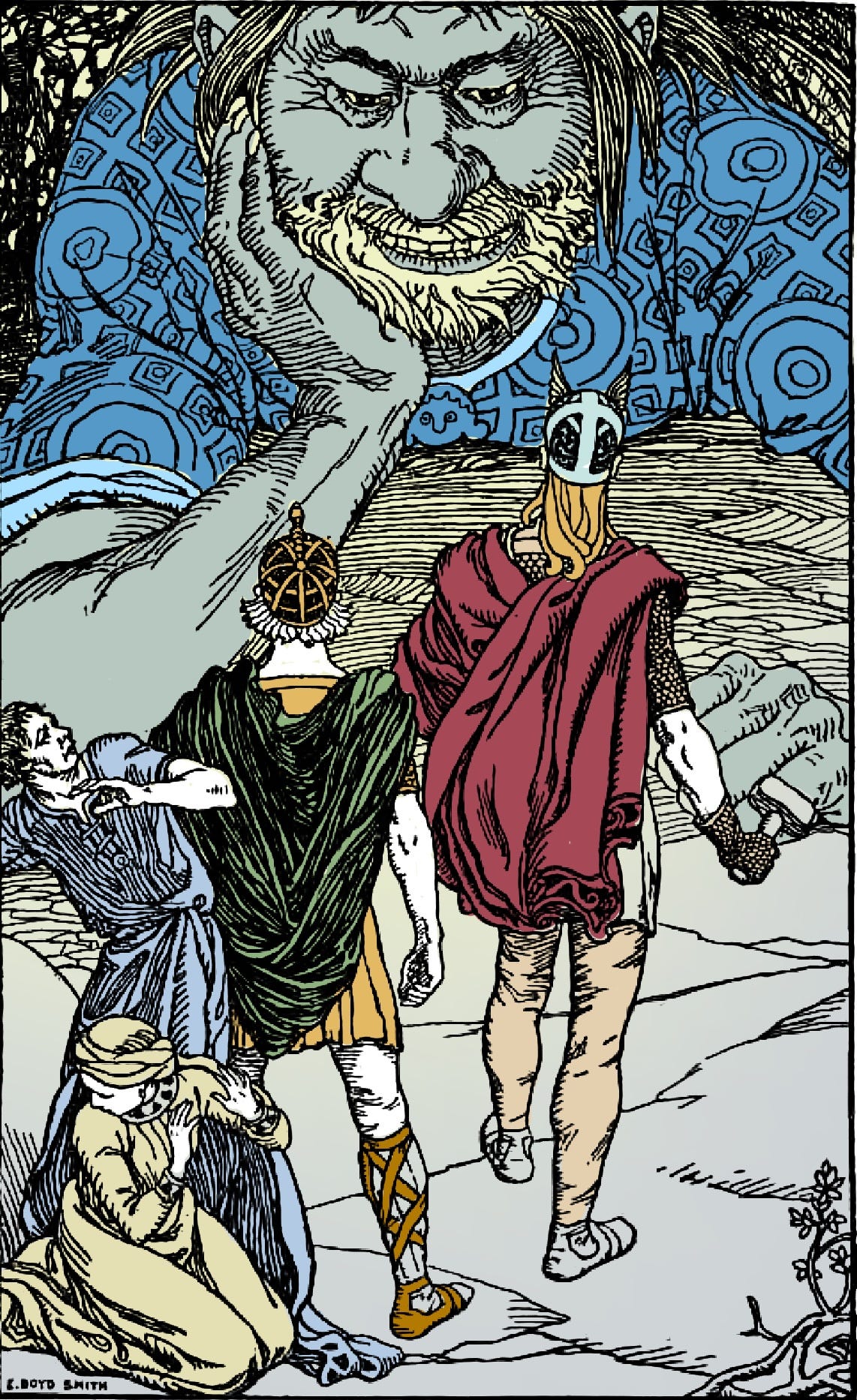
写给孩子的北欧神话。Thor、Loki、Odin、冰霜巨人,还有 Ragnarök 的毁灭。Brown(1871–1927)在 1902 年出版了这本合集,直到今天,它仍是年轻读者认识北欧神话最好的入门书之一。这本书属于 Chapter HouseChapter II: Warriors and Giants 套装。5

Image 5

E. Boyd Smith 的原始插图经过修复和上色,为 Chapter House 版 In the Days of Giants 注入了新的生命。

30.Stories of Beowulf, retold by Henrietta Elizabeth Marshall

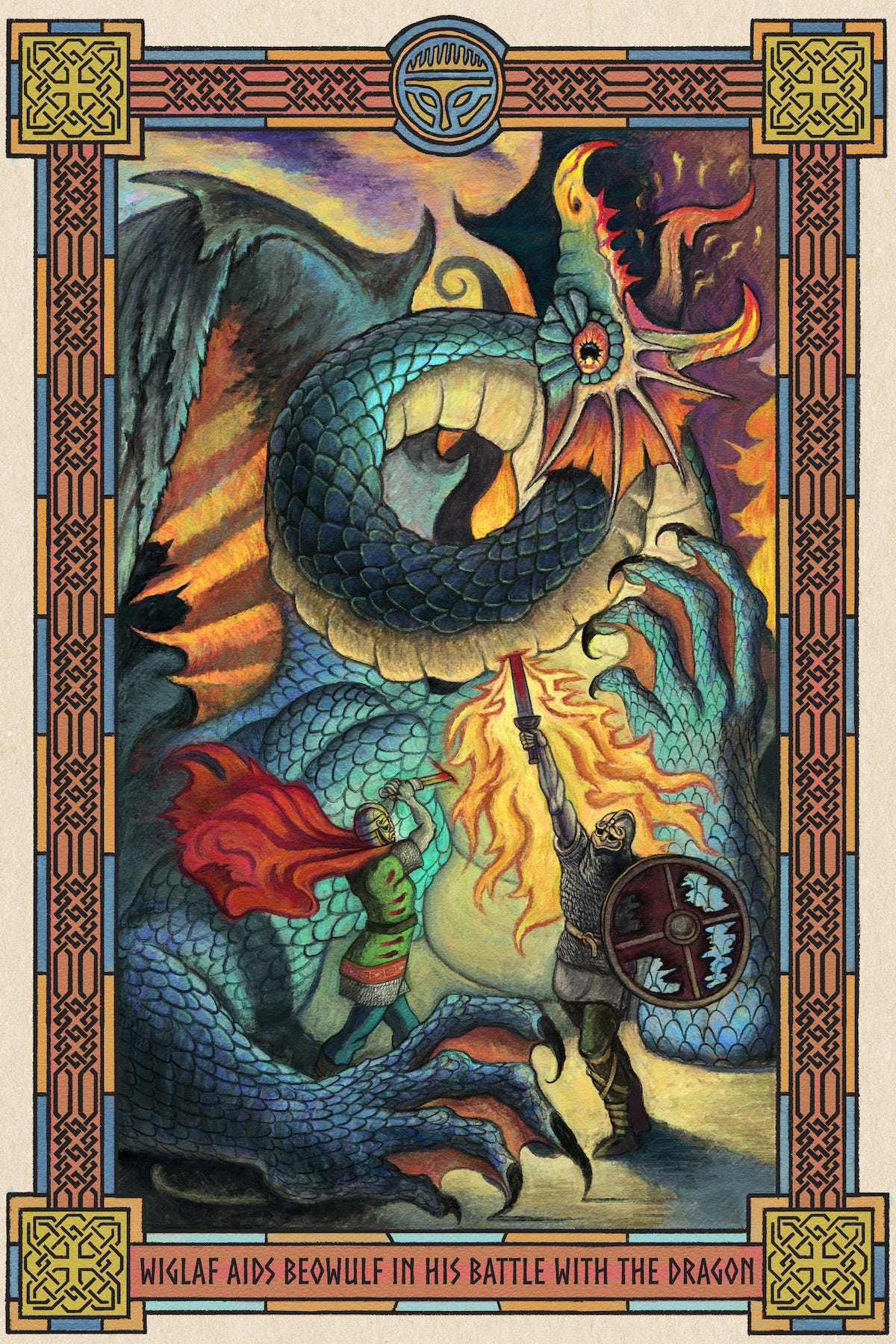
Marshall 还写过 Our Island Story,她把最古老的英国史诗改写给孩子读。Beowulf 扯下了 Grendel 的手臂。他潜入湖中,与 Grendel 的母亲搏斗。最后,他面对巨龙。这个故事暴烈而高贵,正是一个八岁男孩该听的东西。这本书也属于 Chapter House Chapter II set

Image 6

T. Shaw-Taylor’s 画作为 H.E. Marshall 的 Beowulf 带来了新的生命,而且毫不收敛。

31.Paddle-to-the-Seaby Holling Clancy Holling

一只雕刻出来的小木船被放进加拿大北部的雪堆里,之后一路穿过五大湖,漂向大西洋。Holling(1900–1973)在每一页上都画了细致的地图和示意图。它一半是冒险,一半是地理课,而整体又美得无可挑剔。用 Charlotte Mason 的标准来看,这是真正意义上的 living book。

32.On the Shores of the Great Seaby M.B. Synge

把历史当作故事来讲,从古埃及人一直讲到罗马的覆灭。Synge(1861–1939)是写给那些会听、会想的孩子看的,她默认自己的读者有能力面对复杂性。这种历史会让孩子更想知道,而不是更不想知道。这本书属于 Chapter HouseChapter II: Warriors and Giants 套装。

到了九岁或十岁,一个从小被认真朗读喂大的孩子,就已经准备好接触真正的文学了。下面这些书适合十岁孩子,也适合有冲劲的九岁孩子。它们标志着一个转折点。从儿童故事,走向那些只是恰好以孩子为主角的故事,甚至还有些根本没有孩子角色的故事。有些很厚。有些不轻松。但每一本都值得花力气。

33.The Chronicles of Narniaby C.S. Lewis

七本书,每一本都不可或缺。Lewis(1898–1963)构建了一个世界,在那里,基督教神学被讲了出来,却从不会让人觉得像在上课。先从 The Lion, the Witch and the Wardrobe 开始,并按 Lewis 出版的顺序来读。6 如果你的孩子在十二岁前只读一套幻想系列,那就读这一套。

34.Heidiby Johanna Spyri

Spyri(1827–1901)写了一部关于一个女孩、一座山和一位祖父的小说,一个半世纪以来始终备受喜爱。前半部是田园生活的完美图景。山羊、野花、阿尔卑斯山上的落日。后半部转到法兰克福,锋利地批评了过度文明化的都市生活。两部分合在一起,构成了一个关于朴素生活之善的有力论证,而且从未过时。

35.My Side of the Mountainby Jean Craighead George

一个男孩逃进卡茨基尔山脉,独自住在一棵掏空的铁杉树里,训练一只游隼,还吃橡子煎饼。George(1919–2012)是一位自然主义者,书里每一个野外生存细节都准确无误。这就是那种会让孩子想往外跑的书。

36.The Twenty-One Balloonsby William Pène du Bois

Sherman 教授被人发现漂浮在大西洋上空,身下挂着二十一个气球。他究竟是怎么到那里的。答案牵涉到 Krakatoa 岛、一个秘密社团,以及儿童文学里最有创造力的一批世界构建。Du Bois 因这本书在 1948 年获得了纽伯瑞奖,而它理应比现在更广为人知。

37.The Story of the Iliad

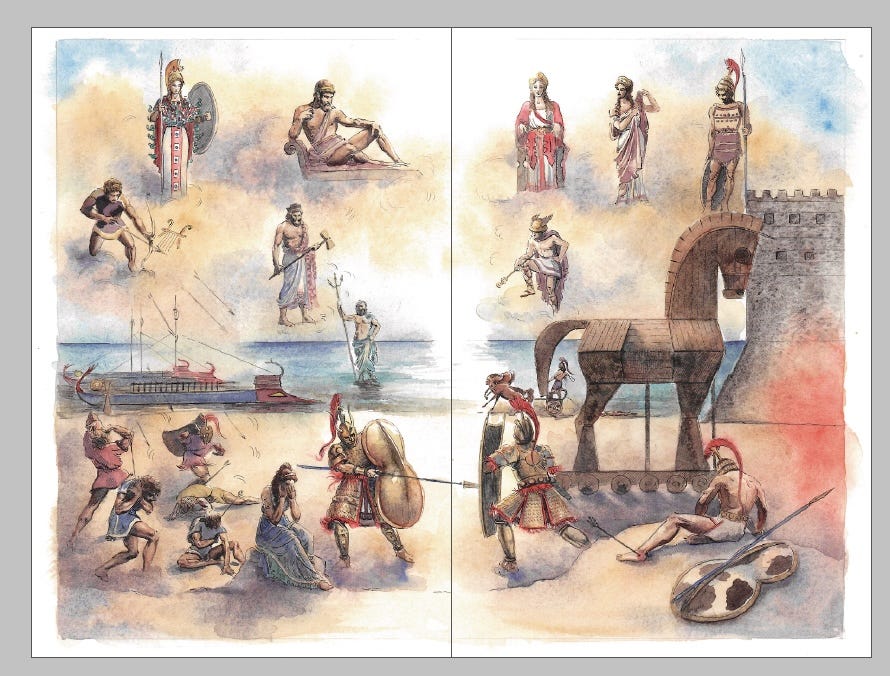
讲给孩子听的特洛伊战争。Achilles、Hector、Paris、Helen。古代世界最伟大的故事,也是西方文学的基石。你的孩子不需要用希腊文读 Homer。他需要知道这个故事,而一部好的儿童改写本就能做到这一点。这本书属于 Chapter HouseChapter III: The Triumph of the West 套装。

Image 7

Ruxandra Ionce’sThe Story of the Iliad 绘制的原创插画,为孩子们铺开了一幅色彩鲜明的场景。

38.Tales from Shakespeareby Charles and Mary Lamb

Lamb 兄妹在 1807 年出版了他们的改写本,至今无人超越。The TempestA Midsummer Night’s DreamThe Merchant of VeniceHamlet。Shakespeare 的情节和人物在这里都变得容易进入,却没有被简化得面目全非。这样一来,你的孩子以后读到真正的剧作时,感受到的会是老朋友般的熟悉,而不是面对陌生人时的茫然。这本书属于 Chapter HouseChapter IV: The Odyssey of Europe 套装。7

39.Hatchetby Gary Paulsen

十三岁的 Brian 在飞机失事后,独自困在加拿大荒野。Paulsen(1939–2021)从不把生存写得温情脉脉。Brian 饥饿、受伤、害怕、孤身一人,而每一次小小的胜利,他生起第一堆火,抓到第一条鱼,都让人觉得是实打实挣来的。男孩尤其会一口气吞下这本书,平时不爱读书的孩子也会把它读完。

40.Anne of Green Gablesby L.M. Montgomery

Anne Shirley 阴差阳错来到 Green Gables,本来 Cuthbert 家想要的是一个男孩,随后她一路说个不停、做梦不停、闯祸不停,最终成了儿童文学里最受喜爱的角色之一。Montgomery(1874–1942)写出了一个戏剧化、聪明、又完全压不住自己的女主角。女孩会爱死她。男孩开始也许只是忍着读,最后多半还是会被她拿下。

41.Treasure Islandby Robert Louis Stevenson

英语里最伟大的冒险故事,我们并不打算为这件事争论。Stevenson 写它本来就是给男孩看的,而男孩直到今天还是会爱。地图、鹦鹉、独腿海盗、叛变、埋藏的黄金。整个故事像一艘满帆前进的船,而 Long John Silver 则是小说史上最迷人的角色之一。

十二岁已经站在成年门槛上了,至少除了我们这个时代之外,别的文明大多如此。最后这份名单上的书都是真正的文学。复杂,道德上严肃,而且是写给已经准备好直面真实世界的读者。有些很长。没有一本轻松。每一本都不可或缺。这些书,适合那些已经被前面一切认真准备过的十二岁孩子。

42.The Hobbitby J.R.R. Tolkien

Bilbo Baggins 并不想去冒险,而这恰恰让他成了最合适的冒险者。Tolkien(1892–1973)本来就是写给自己的孩子听的,所以这本书读起来像炉火边讲出的故事。它同时也是通往后面那部更伟大作品的最好准备。如果可以,就大声读给孩子听。书里的歌曲和谜语都在要求你这么做。

43.Little Womenby Louisa May Alcott

Alcott(1832–1888)是从真实生活里写出 March 家四姐妹的,这就是她们为什么能活在纸页上。Jo 是大家最容易记住的那个,凶,急,不耐烦,但 Beth 安静的善良和 Marmee 稳稳的智慧同样重要。前半本充满阳光和家庭气息。后半本不是。等你女儿准备好去感受一些真正的东西时,再让她读这本。

44.Robinson Crusoeby Daniel Defoe

这本书出版于 1719 年,也许是英语第一部长篇小说,而且毫无疑问是影响最大的一部之一。一个人孤身在岛上,从零开始建立起自己的生活。Defoe(1660–1731)把生存中的那些寻常细节写得和任何战斗场面一样扣人心弦。书里的宗教维度是真实存在的。Crusoe 的皈依是整本书的转轴,而够大、能看见这一点的孩子,会因此收获更多。

45.The Lord of the Ringsby J.R.R. Tolkien

严格说来,这不是儿童书。但一个已经读过 The HobbitThe Chronicles of Narnia 的十二岁孩子,已经准备好了。Tolkien 的杰作讲的是责任的重负、权力的诱惑,以及普通人在非常时刻展现出的勇气。它会成为你孩子一生中最重要的书之一。别等到他年纪再大一点才给他读。他现在就已经够大了。8

46.King Arthur and His Knights of the Round Tableby Roger Lancelyn Green

Green(1918–1987)把亚瑟王传奇讲成了一部完整、连贯的叙事。Arthur 从石中拔出宝剑。Lancelot 背叛他的国王。圣杯被追寻,被找到,又再次失落。Camelot 陨落。这是英语世界最核心的神话,每个孩子都该在现代改写把水搅浑之前,先知道它原本的样子。

47.A Wrinkle in Timeby Madeleine L’Engle

Meg Murry 的父亲在研究 tesseract 时失踪了。L’Engle(1918–2007)写的是一种毫不掩饰基督教底色、也毫不掩饰其怪异气质的科学幻想。反派是整齐划一和绝望。武器是爱,而且不是那种廉价的感伤之爱。这本书在 1963 年赢得纽伯瑞奖,直到今天依旧怪得迷人,也美得迷人。

48.From the Mixed-Up Files of Mrs. Basil E. Frankweilerby E.L. Konigsburg

两个孩子离家出走,藏进了大都会艺术博物馆。Konigsburg(1930–2013)写出了一个带着谜团的故事,而谜团内部包裹着另一层内容。那是关于美、关于好奇心、关于知道一切和真正理解某件事之间差别的论述。这本书聪明,圆满,而且会让每个读过它的孩子都想在博物馆里过一夜。

49.Old Peter’s Russian Talesby Arthur Ransome

Ransome(1884–1967)搜集了俄罗斯民间故事,并用鲜活、富有音乐感的英语重述了出来。Baba Yaga、Firebird、Frog Princess,还有银盘子的故事。这些是斯拉夫世界的传说,它们和 Grimm 或 Andersen 里的任何故事一样狂野,一样美。一个知道这些故事的孩子,会知道某种大多数西方读者完全错过的东西。

50.Oliver Twistby Charles Dickens

Dickens(1812–1870)写得最迫切的一部之一。Oliver 出生在济贫院,后来落入盗贼之中,而他穿行其间的伦敦又肮脏,又鲜活得刺眼。这本书比这份名单上大多数书都更长,也更黑暗,所以它被放在最后。一个认真读过前面四十九本书的十二岁孩子,已经准备好读 Dickens 了。而一旦他读过 Dickens,他也就准备好读任何书了。

你不太可能在孩子十二岁生日之前把这五十本书全都读完。没关系。这不是一张必须打勾完成的清单,而是一座要慢慢栽种进去的花园。其中有些书,你会在冬夜里读给孩子听。有些书,孩子会在夏日午后独自读完。有些读到一半会先放下,过几年又重新捡起来。这才是阅读生活真正的样子。

重要的是开始。无论孩子多大,从这份书单里随便挑一本到,今晚就把第一页读出来。孩子会告诉你该不该继续往下读。

我们把这份书单中的若干书目收录进了 Chapter House Collection。版本印制精美,并附有关于教育理念与文学背景的小册子。如果你正在为家里建立藏书,我们会很荣幸能占其中一席之地。

1

英国教育家 Charlotte Mason(1842–1923)用 living books 一词来指称那些由单一作者带着热情与文学技巧写成的书,以区别于那种由委员会编写、枯燥乏味的教科书。参见 Charlotte Mason, Home Education(London: Kegan Paul, Trench & Co., 1886)。

2

至少从公元前 5 世纪开始,Æsop 的寓言就一直在流传。我们今天所知的这一版本,大约在公元前 300 年,由 Demetrius of Phalerum 首次用希腊文整理编纂而成。参见 Ben Edwin Perry, Aesopica(University of Illinois Press, 1952)。

3

James Baldwin, Fifty Famous Stories Retold(New York: American Book Company, 1896)。Baldwin 是一位多产的儿童文学作者,并在 19 世纪晚期担任过几家教育出版社的编辑。

4

Margaret Evans Price, A Child’s Book of Myths and Enchantment Tales(Chicago: Rand McNally, 1924)。

5

Abbie Farwell Brown, In the Days of Giants: A Book of Norse Tales(Boston: Houghton Mifflin, 1902)。

6

关于 Narnia 的正确阅读顺序,至今仍有争论。在 1957 年写给一位名叫 Lawrence 的年轻读者的信里,Lewis 实际上支持那个男孩偏爱的编年顺序,也就是从 The Magician’s Nephew 开始。我们更偏向出版顺序,因为 The Lion, the Witch and the Wardrobe 本来就是作为入口写出来的,而后面的书都默认读者已经熟悉它。无论怎么读都可以。参见 Walter Hooper 编,C.S. Lewis: Collected Letters, Vol. 3(HarperSanFrancisco, 2007)。

7

Charles and Mary Lamb, Tales from Shakespeare(London: Thomas Hodgkins, 1807)。Mary 写喜剧部分,Charles 写悲剧部分。

8

Tolkien 从 1937 年 12 月开始写 The Lord of the Rings,直到 1954 至 1955 年才出版。在第一版序言里,他写道,这根本不是一本写给孩子看的书,不过当然,许多孩子会对它,或者其中某些部分,产生兴趣。参见 J.R.R. Tolkien, The Lord of the Rings(London: Allen & Unwin, 1954), Foreword。

Image 1

Every parent who cares about classic books for kids eventually makes a list. Maybe it starts on a napkin at the library, or in the notes app at 11 p.m. after the children are finally asleep. You write down the books you loved as a child, the ones you keep hearing about, the ones you know you should get to but have not yet.

We have been there. We have three children, ages four, seven, and twelve, and we have spent years reading to them, reading with them, and trying to convince the oldest to read on his own. What follows is the reading list we wish someone had handed us when our first child was born: Fifty books, organized by age, with a reason for each.

This is not a ranked list. It is not a list of the fifty “best” books ever written for children. It is a list of classic children’s books that we believe every child should encounter before the age of twelve. The books that build the foundation of a literate, imaginative, morally serious human being. Some are read-aloud books for kids who are still too young to read on their own. Others are for children ready to disappear into a book for hours. All of them are worth your family’s time.

A few ground rules before we begin. First, the age ranges are suggestions, not prescriptions. You know your child. If your five-year-old is ready for Charlotte’s Web, hand it over. If your nine-year-old still wants to be read to, keep reading aloud. Second, many of these books work beautifully as family read-alouds regardless of the child’s age. We still read aloud to our twelve-year-old, and we have no plans to stop. Third, we have not included textbooks, workbooks, or reference books. These are stories, poems, and tales. The kind of books that make children love reading.

The earliest years are for listening. A child who is read to every day learns that books are a source of warmth, wonder, and delight long before he can decode a single word on his own. These are the books that teach your child to love stories.

1.The Real Mother Goose, illustrated by Blanche Fisher Wright

No childhood is complete without nursery rhymes. “Jack and Jill,” “Humpty Dumpty,” “Little Bo Peep.” These are the shared language of English-speaking children and have been for centuries. The Blanche Fisher Wright edition, first published in 1916, remains the standard. Start here.

2.The Complete Tales of Beatrix Potter

Twenty-three short stories, each one perfectly crafted. Potter (1866–1943) wrote with a respect for children that most authors never manage. She did not talk down. Peter Rabbit disobeys and suffers real consequences. Jemima Puddle-Duck is foolish and nearly pays for it with her life. These tales are moral without being moralistic.

3.Winnie-the-PoohandThe House at Pooh Cornerby A.A. Milne

Milne (1882–1956) captured something true about childhood: Its smallness, its seriousness, its gentle absurdity. Pooh is not clever, and that is precisely the point. Read these aloud and let your children laugh at Eeyore’s gloom and Owl’s pretensions. They will understand more than you expect. Note: The linked Chapter House edition (Pooh’s Library) is a four-book box set that includes both novels alongside Milne’s two poetry collections, When We Were Very Young and Now We Are Six.

4.James Herriot’s Treasury for Children

Herriot’s stories about animals in the Yorkshire Dales are tender without being saccharine. The animals are real animals. They get sick, they misbehave, they sometimes die. But the overriding sense is one of care and competence. A veterinarian who loves his work is a quietly powerful model for a small child.

5.A Child’s Garden of Versesby Robert Louis Stevenson

Poetry should begin early, and Stevenson (1850–1894) is the finest starting point in English. “My Shadow,” “The Land of Counterpane,” “The Lamplighter.” These poems are musical, vivid, and written from inside a child’s experience rather than above it.

6.Little Bearby Else Holmelund Minarik

A perfect first book for the child who is just beginning to follow a story. Little Bear and his mother have the kind of relationship every child understands: Patient, affectionate, gently funny. The Maurice Sendak illustrations are half the magic.

7.Billy and Blazeby C.W. Anderson

A boy and his horse. Anderson’s pencil illustrations are gorgeous, and the stories are straightforward tales of loyalty, courage, and responsibility. If you want your child to understand what it means to care for an animal, start here. These books also make excellent early readers for slightly older children who have learned to read, and need good quality books for practice.

This is the age when stories begin to take root. Your child is learning to read, or has just learned, and the gap between what he can read independently and what he can understand when read to is enormous. Bridge that gap. Keep reading aloud, and put the simpler books in his hands. These are some of the best books for 6 year olds and 7 year olds we know.

8.Frog and Toadby Arnold Lobel

Four small books about friendship. Frog is cheerful and capable. Toad is anxious and lazy. Together they are one of the great literary friendships. Lobel manages to be genuinely funny while also being wise, a rare combination in any literature, let alone in books for six-year-olds.

9.Henry and Mudgeby Cynthia Rylant

A boy and his enormous dog. These are ideal early readers: Short chapters, simple sentences, warmth on every page. Rylant never condescends, and the relationship between Henry and Mudge feels real.

10.Charlotte’s Webby E.B. White

If you read only one novel aloud to your child, make it this one. White (1899–1985) wrote a story about friendship, sacrifice, and the cycle of life that is devastating and hopeful in equal measure. Your child will cry. So will you. That is the point.

11.Just So Storiesby Rudyard Kipling

“How the Leopard Got His Spots,” “The Elephant’s Child,” “How the Camel Got His Hump.” Kipling (1865–1936) wrote these to be read aloud, and you can hear it in every sentence. The language is playful, rhythmic, and slightly mad. Read them with full voice and your children will beg for another.

12.The Burgess Bird Book for Childrenby Thornton W. Burgess

A book that teaches ornithology through story. Peter Rabbit (Burgess’s Peter Rabbit, not Potter’s) meets the birds of North America, and Burgess describes each one with such accuracy that your child may start identifying birds in the yard. This is what Charlotte Mason called a “living book.” It teaches without the child knowing he is being taught.1 If your children love this one, Burgess wrote many other books that would be worth checking out, too.

13.Hank the Cowdogby John R. Erickson

Hank is the self-appointed “Head of Ranch Security” on a Texas panhandle cattle ranch, and he is magnificently incompetent. Erickson is a genuine storyteller: Funny, sharp, and rooted in a real place. Our seven-year-old loves these, and our four-year-old laughs herself breathless during the read-alouds.

14.Bunniculaby Deborah and James Howe

A vampire bunny, a suspicious cat named Chester, and a dog named Harold who narrates the whole thing. It is slightly spooky and entirely delightful. The sequels are good too, but start with the original.

15.Æsop’s Fables

The oldest stories on this list and still among the best. “The Tortoise and the Hare,” “The Boy Who Cried Wolf,” “The Fox and the Grapes.” These are the stories that gave us half our proverbs. Every child should know them. We publish a beautiful edition as part of our Chapter House Chapter I box set, but any complete collection will serve.2
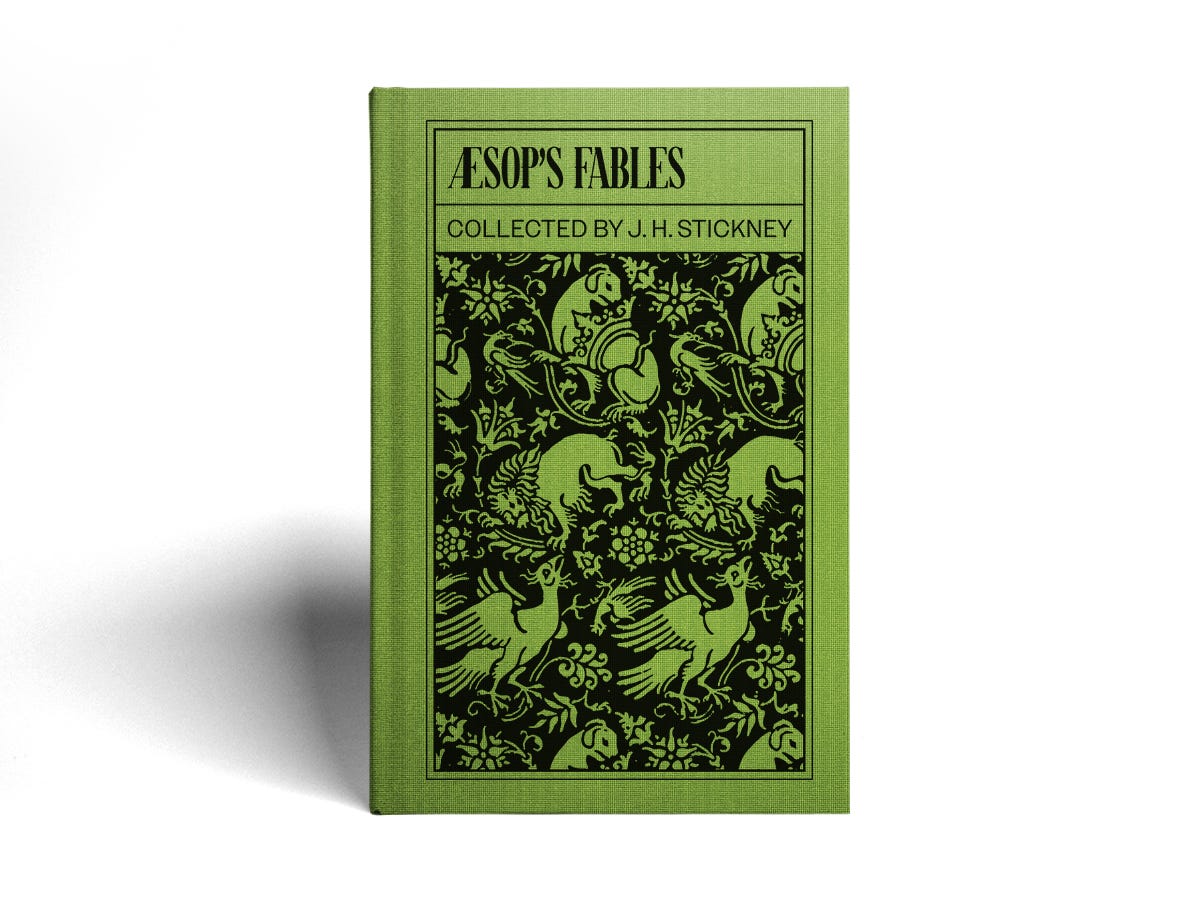
Image 2

J.H. Stickney’s edition of Æsop’s Fables, published by Chapter House

16.Fifty Famous Stories Retoldby James Baldwin

Baldwin (1841–1925) collected fifty short tales from history and legend: King Alfred and the cakes, King Canute and the tide, William Tell and the apple. Each story is brief enough to read in a single sitting, and each one plants a seed. Your child may not remember all fifty, but the ones that stick will stick for life. Also part of the Chapter HouseChapter I: Heroes and Wonders set.3
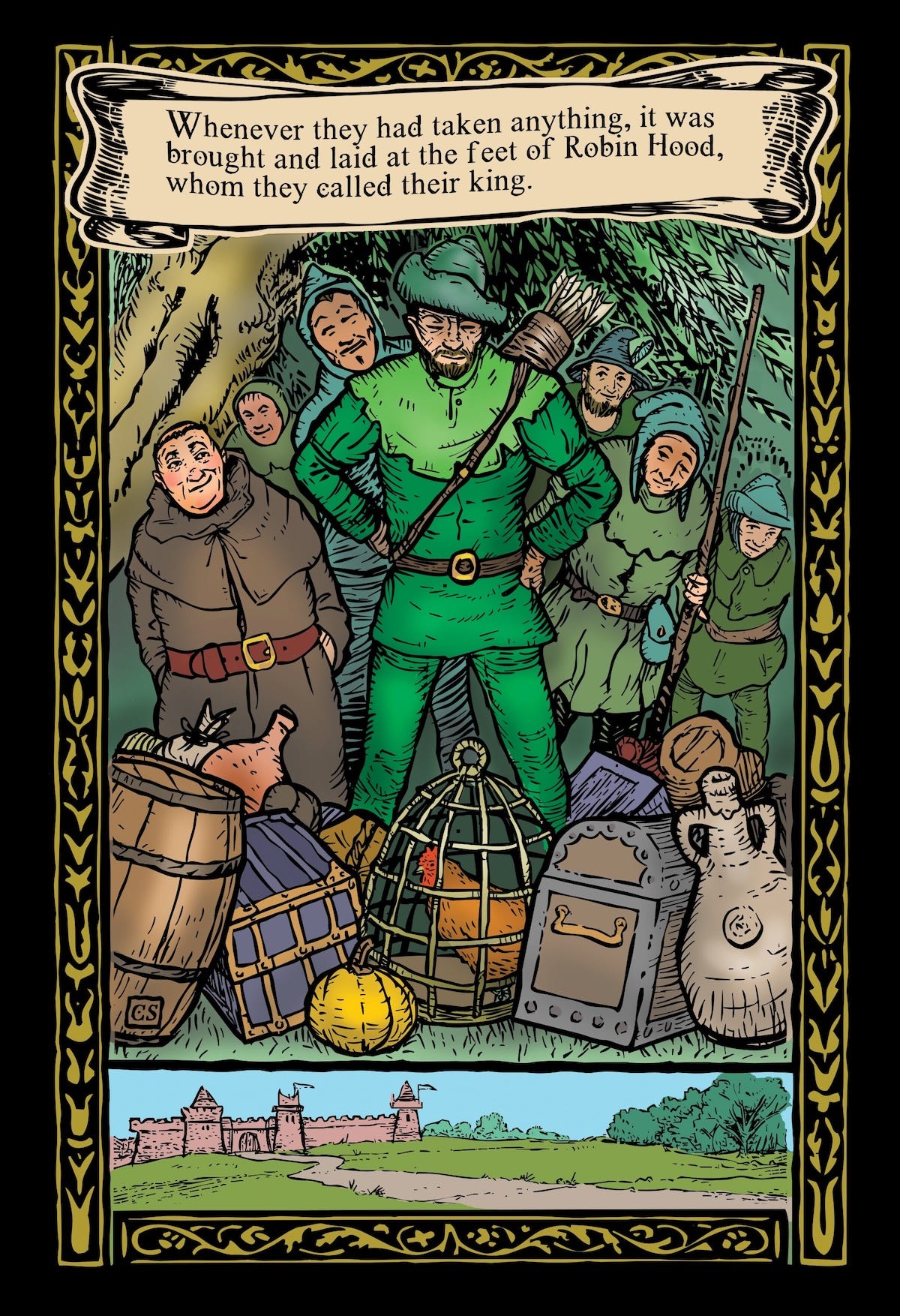
Image 3

Cortney Skinner’s original art of Robin Hood for 50 Famous Stories Retold

17.A Child’s Book of Myths and Enchantment Talesby Margaret Evans Price

Greek mythology for young children, told simply and illustrated beautifully. Pandora, Persephone, Pegasus, and the golden touch of King Midas. These are the stories that underpin all of Western literature. Start here, and the references will echo for the rest of your child’s reading life. The third volume in the Chapter House Chapter I set.4
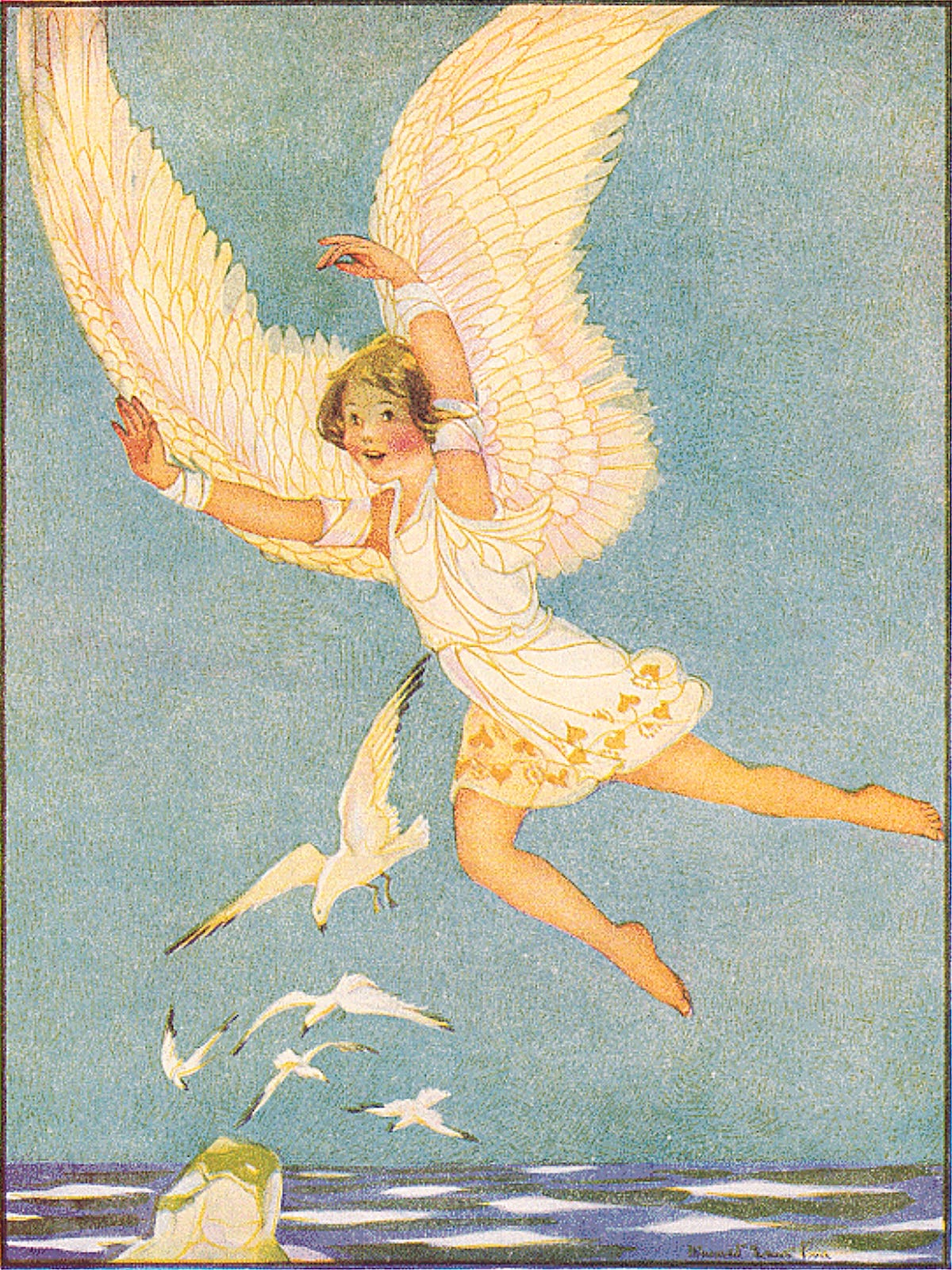
Image 4

The artwork of Margaret Evans-Price inspired the Fisher-Price toy line.

18.Half Magicby Edward Eager

Four siblings find a coin that grants wishes, but only half of each wish. The comedy of unintended consequences drives the plot, and Eager (1911–1964) writes with the wry intelligence of E. Nesbit, whom he openly admired. A perfect introduction to fantasy that is grounded in a recognizable world.

These are the years when a child’s reading life catches fire, or doesn’t. The books you put in front of a seven, eight, or nine-year-old will determine whether he becomes a reader for life or a child who “used to like books.” Choose well. Read aloud the ones that are beyond his independent level, and let him devour the rest on his own. This is the prime age for classic books for kids, and there is an embarrassment of riches to choose from.

19.The Wind in the Willowsby Kenneth Grahame

Grahame (1859–1932) wrote one of the strangest and most beautiful books in the English language. Mole, Rat, Badger, and Toad are animals who live in houses and drive motorcars, but the real subject is friendship, home, and the English countryside. Read it aloud. The prose is worth hearing.

20.The Cricket in Times Squareby George Selden

A cricket from Connecticut accidentally ends up in a Times Square subway station and befriends a boy, a cat, and a mouse. Selden’s New York is warm and specific, and the story moves at exactly the right pace for a child who is ready for a longer novel but not yet ready for Tolkien.

21.Understood Betsyby Dorothy Canfield Fisher

A girl raised by anxious, overprotective aunts goes to live with practical Vermont relatives and learns to do things for herself. First serialized in 1916 and published as a book in 1917, it is one of the finest arguments for letting children take risks, get dirty, and figure things out on their own. Every homeschooling parent should read this book.

22.The Blue Fairy Bookby Andrew Lang

Lang (1844–1912) compiled twelve fairy-tale collections, each named for a color. The Blue Fairy Book, published in 1889, is the best starting point. Here you will find the original versions of “Cinderella,” “Sleeping Beauty,” “Hansel and Gretel,” “Puss in Boots,” and dozens more. The versions your grandparents knew, before Disney smoothed every rough edge away.

23.Saint George and the Dragon, retold by Margaret Hodges

A picture book for older children. Hodges adapted Spenser’s Faerie Queene into a story that is both accessible and genuinely heroic. Trina Schart Hyman’s illustrations are extraordinary. This is the kind of book a child returns to again and again, noticing more each time.

24.Betsy-Tacyby Maud Hart Lovelace

Betsy and Tacy are five years old when the series begins, and their friendship carries through to adulthood. Lovelace (1892–1980) based the books on her own childhood in Mankato, Minnesota, and the details are so specific and affectionate that you feel you have lived there yourself. Girls especially love these, but boys will enjoy them too if given the chance.

25.The Phantom Tollboothby Norton Juster

Milo is bored. He drives through a magic tollbooth and arrives in the Lands Beyond, where he must rescue the princesses Rhyme and Reason. Every chapter is a pun, a paradox, or a philosophical joke, and Juster (1929–2021) never talks down to his readers. A book that makes children love language.

26.Hans Christian Andersen’s Fairy Tales

Not the Disney versions. The real Andersen (1805–1875). “The Little Mermaid,” who dies. “The Steadfast Tin Soldier,” who melts. “The Snow Queen,” which is strange and haunting and three times longer than you expect. These stories do not flinch from suffering, and children are better for reading them.

27.The Princess and the Goblinby George MacDonald

MacDonald (1824–1905) was the man who made C.S. Lewis want to write fantasy. Princess Irene discovers a mysterious great-great-grandmother in the attic of her castle, and a boy named Curdie discovers that goblins are tunneling beneath the mountain. It is a fairy tale in the deepest sense. A story about trust, courage, and the things we cannot see.

28.American Tall Tales, retold by Adrien Stoutenburg

Paul Bunyan, Pecos Bill, John Henry, Johnny Appleseed. These are the American myths, and every American child should know them. Stoutenburg tells them with energy and humor, and they make a fine read-aloud for the whole family.

29.In the Days of Giantsby Abbie Farwell Brown

Norse mythology told for children. Thor, Loki, Odin, the frost giants, and the doom of Ragnarök. Brown (1871–1927) published this collection in 1902, and it remains one of the best introductions to the Norse myths for young readers. Part of the Chapter HouseChapter II: Warriors and Giants set.5
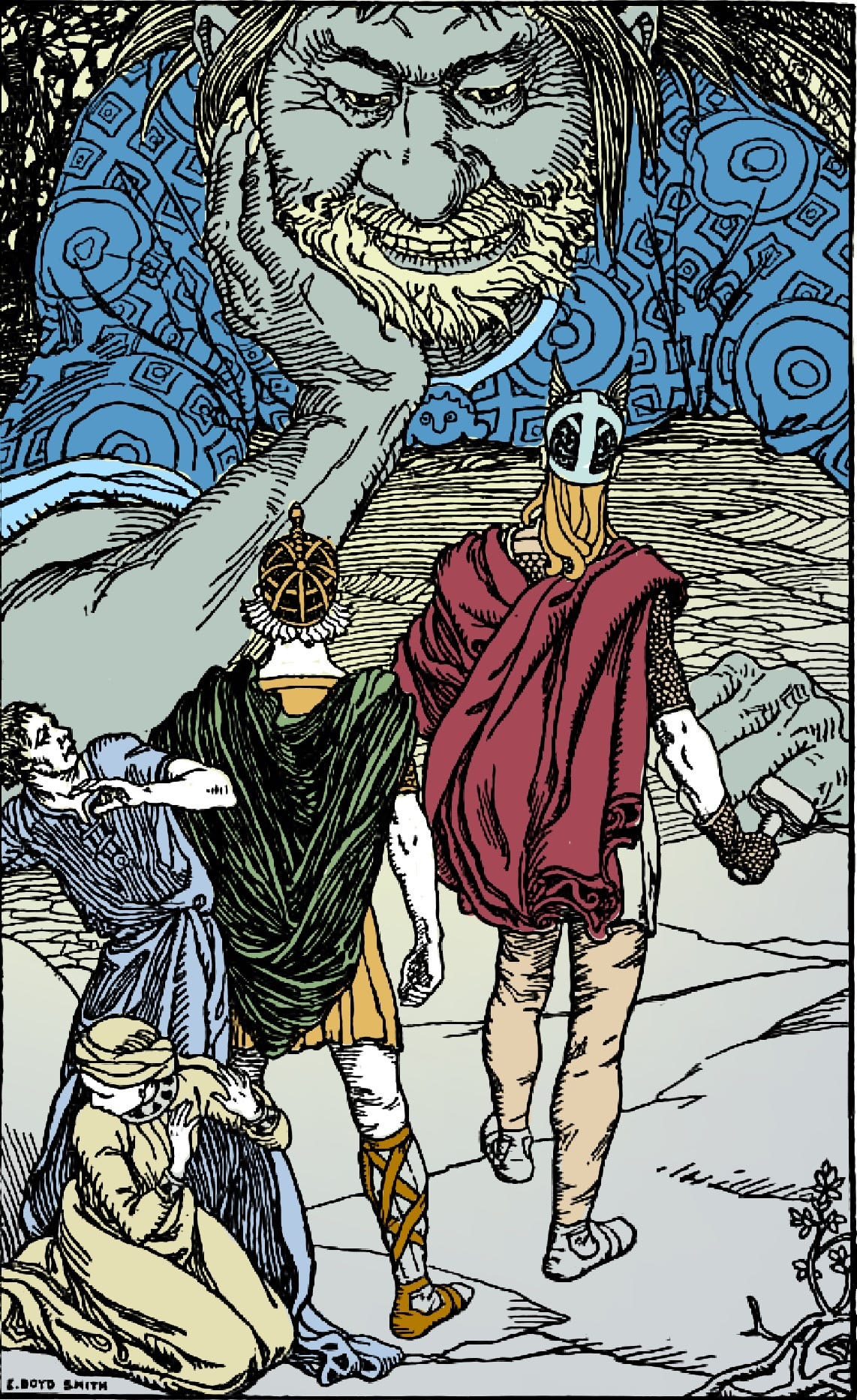
Image 5

E. Boyd Smith’s original artwork has been restored and colorized to add new life to the Chapter House edition of In the Days of Giants.

30.Stories of Beowulf, retold by Henrietta Elizabeth Marshall

Marshall, who also wrote Our Island Story, retold the oldest English epic for children. Beowulf tears off Grendel’s arm. He dives into a lake to fight Grendel’s mother. He faces the dragon at the end. The story is violent and noble and exactly what an eight-year-old boy needs to hear. Also part of the Chapter House Chapter II set.
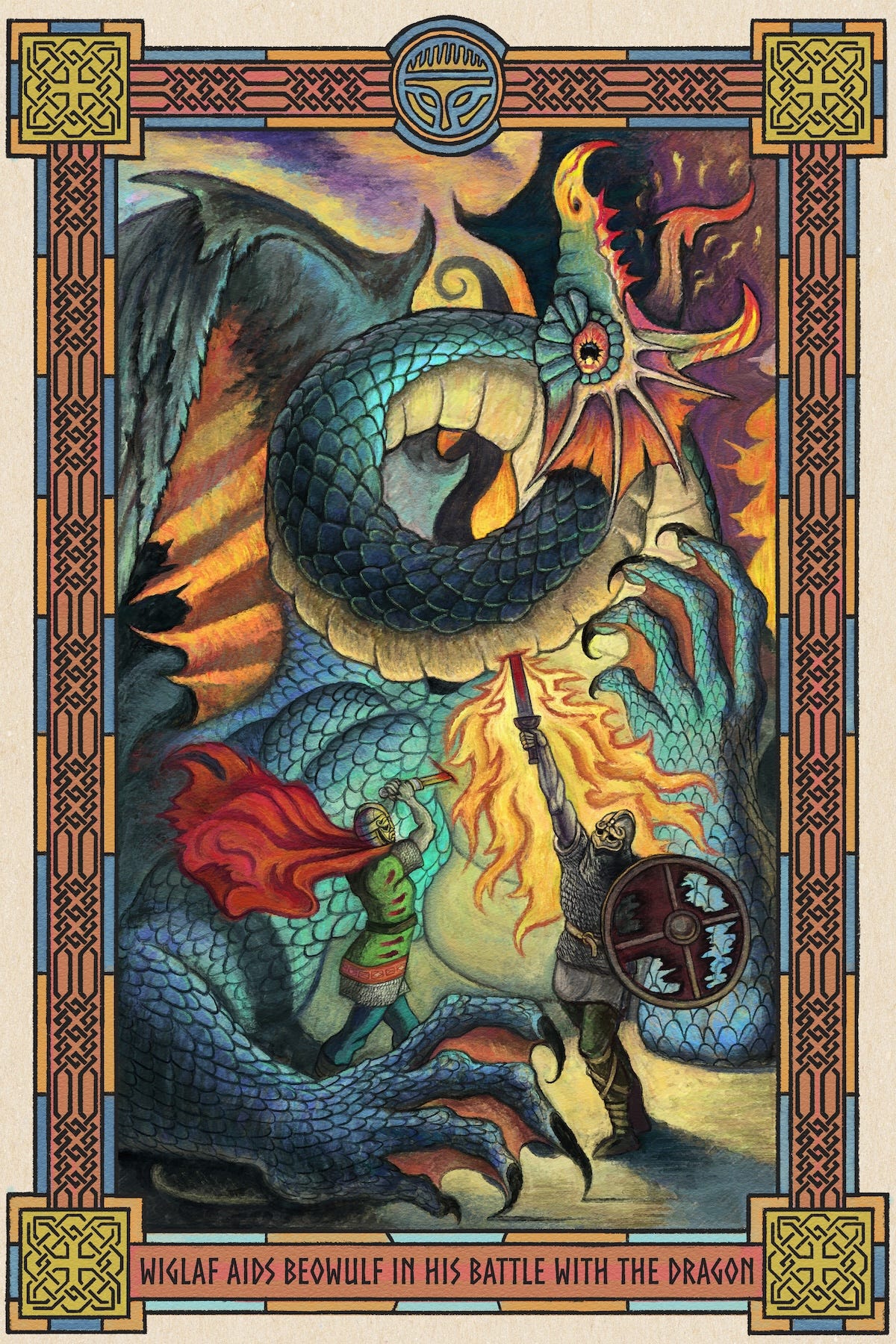
Image 6

T. Shaw-Taylor’s art adds new life to H.E. Marshall’s Beowulf, and holds nothing back!

31.Paddle-to-the-Seaby Holling Clancy Holling

A carved wooden canoe is set in a snowbank in northern Canada and travels through the Great Lakes to the Atlantic Ocean. Holling (1900–1973) illustrated every page with detailed maps and diagrams. It is part adventure, part geography lesson, and wholly beautiful. A living book in the truest Charlotte Mason sense.

32.On the Shores of the Great Seaby M.B. Synge

History told as story, from the ancient Egyptians through the fall of Rome. Synge (1861–1939) wrote for children who could listen and think, and she assumed her readers could handle complexity. This is the kind of history that makes a child want to know more, not less. Part of the Chapter HouseChapter II: Warriors and Giants set.

By nine or ten, a child who has been well-read-to is ready for real literature. These are books for 10 year olds and ambitious 9 year olds. Books that mark the transition from children’s stories to stories that happen to feature children, and a few that do not feature children at all. Some are thick. Some are challenging. All reward the effort.

33.The Chronicles of Narniaby C.S. Lewis

Seven books, and every one of them essential. Lewis (1898–1963) built a world that teaches Christian theology without ever feeling like a lesson. Start with The Lion, the Witch and the Wardrobe and read them in the order Lewis published them.6 If your child reads only one fantasy series before turning twelve, make it this one.

34.Heidiby Johanna Spyri

Spyri (1827–1901) wrote a novel about a girl, a mountain, and a grandfather that has been beloved for a century and a half. The first half is pastoral perfection: Goats, wildflowers, sunsets over the Alps. The second half, set in Frankfurt, is a sharp critique of overcivilized urban life. Together they make an argument for the goodness of simple living that has never gone out of style.

35.My Side of the Mountainby Jean Craighead George

A boy runs away to the Catskill Mountains and lives alone in a hollowed-out hemlock tree, training a peregrine falcon and eating acorn pancakes. George (1919–2012) was a naturalist, and every survival detail is accurate. This is the book that makes children want to go outside.

36.The Twenty-One Balloonsby William Pène du Bois

Professor Sherman is found floating over the Atlantic Ocean, hanging from twenty-one balloons. How did he get there? The answer involves the island of Krakatoa, a secret society, and some of the most inventive worldbuilding in children’s literature. Du Bois won the Newbery Medal for this in 1948, and it deserves to be far better known than it is.

37.The Story of the Iliad

The Trojan War, told for children. Achilles, Hector, Paris, Helen. The greatest story of the ancient world and the foundation of Western literature. Your child does not need to read Homer in Greek. He needs to know the story, and a good children’s retelling will give him that. Part of the Chapter HouseChapter III: The Triumph of the West set.
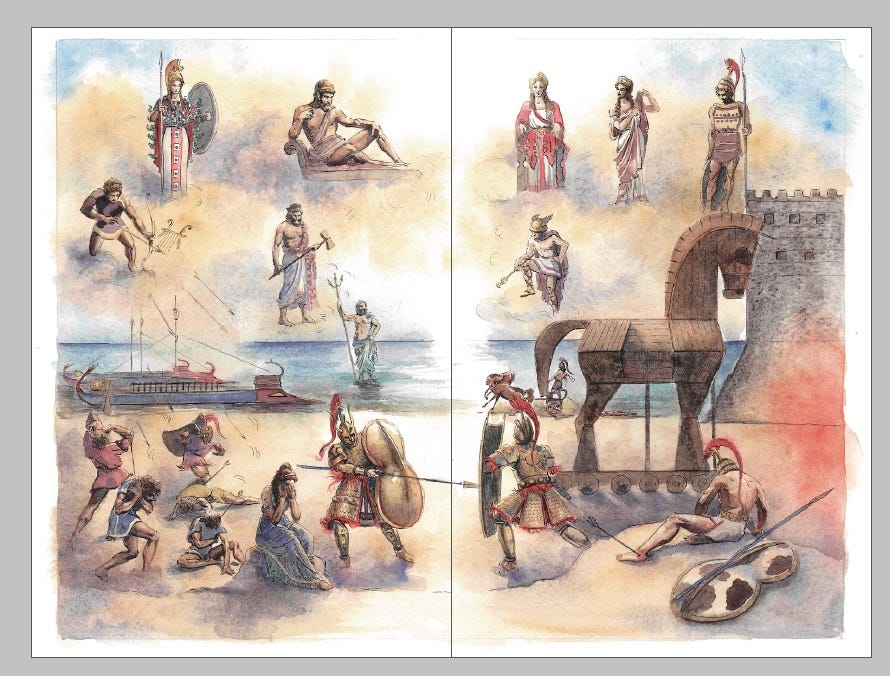
Image 7

Ruxandra Ionce’s original artwork for The Story of the Iliad paints a colorful scene for children.

38.Tales from Shakespeareby Charles and Mary Lamb

The Lambs published their retellings in 1807, and no one has surpassed them. The Tempest, A Midsummer Night’s Dream, The Merchant of Venice, Hamlet. The plots and characters of Shakespeare, made accessible without being dumbed down. Your child will meet the real plays later with a friend’s familiarity rather than a stranger’s confusion. Part of the Chapter HouseChapter IV: The Odyssey of Europe set.7

39.Hatchetby Gary Paulsen

Thirteen-year-old Brian is stranded alone in the Canadian wilderness after a plane crash. Paulsen (1939–2021) does not sentimentalize survival. Brian is hungry, injured, afraid, and alone, and every small victory (his first fire, his first fish) feels earned. Boys especially devour this book, and reluctant readers will finish it.

40.Anne of Green Gablesby L.M. Montgomery

Anne Shirley arrives at Green Gables by mistake (the Cuthberts wanted a boy) and proceeds to talk, dream, and blunder her way into one of the most beloved characters in children’s literature. Montgomery (1874–1942) wrote a heroine who is dramatic, intelligent, and irrepressible. Girls will adore her. Boys will tolerate her and end up won over.

41.Treasure Islandby Robert Louis Stevenson

The greatest adventure story in the English language, and we are not inclined to argue about it. Stevenson wrote it for boys, and boys still love it. The map, the parrot, the one-legged pirate, the mutiny, the buried gold. It moves like a ship in full sail, and Long John Silver is one of the most fascinating characters in all of fiction.

Twelve is the doorstep of adulthood, at least in every civilization except our own. The books on this final list are real literature: Complex, morally serious, and written for readers who are ready to grapple with the world as it is. Some are long. None are easy. All are necessary. These are the books for 12 year olds who have been well prepared by everything that came before.

42.The Hobbitby J.R.R. Tolkien

Bilbo Baggins does not want an adventure, and that is what makes him the perfect adventurer. Tolkien (1892–1973) wrote this for his own children, and it reads like a story told beside a fire. It is also the best preparation for the greater work that follows. Read it aloud if you can. The songs and riddles demand it.

43.Little Womenby Louisa May Alcott

Alcott (1832–1888) drew the March sisters from life, and that is why they live on the page. Jo is the one everyone remembers (fierce and impatient) but Beth’s quiet goodness and Marmee’s steady wisdom are just as essential. The first half is sunlit and domestic. The second half is not. Let your daughter read it when she is ready to feel something real.

44.Robinson Crusoeby Daniel Defoe

Published in 1719, it may be the first English novel, and it is certainly one of the most influential. A man alone on an island, building a life from nothing. Defoe (1660–1731) made the ordinary details of survival as gripping as any battle scene. The religious dimension is real. Crusoe’s conversion is the hinge of the book, and children old enough to notice will be richer for it.

45.The Lord of the Ringsby J.R.R. Tolkien

Not a children’s book, strictly speaking. But a twelve-year-old who has read The Hobbit and The Chronicles of Narnia is ready. Tolkien’s masterwork is about the burden of duty, the temptation of power, and the courage of ordinary people in extraordinary times. It will be one of the most important books your child ever reads. Do not wait until he is “old enough.” He is old enough now.8

46.King Arthur and His Knights of the Round Tableby Roger Lancelyn Green

Green (1918–1987) told the Arthurian legends in a single, coherent narrative. Arthur pulls the sword from the stone. Lancelot betrays his king. The Grail is sought and found and lost again. Camelot falls. It is the central myth of the English-speaking world, and every child should know it before the modern retellings muddy the water.

47.A Wrinkle in Timeby Madeleine L’Engle

Meg Murry’s father has vanished while working on a tesseract. L’Engle (1918–2007) wrote science fantasy that is unapologetically Christian and unapologetically strange. The villains are conformity and despair. The weapon is love, and not the sentimental kind. It won the Newbery in 1963 and remains as weird and wonderful as ever.

48.From the Mixed-Up Files of Mrs. Basil E. Frankweilerby E.L. Konigsburg

Two children run away from home and hide in the Metropolitan Museum of Art. Konigsburg (1930–2013) wrote a mystery wrapped in an argument for beauty, curiosity, and the difference between knowing everything and understanding something. It is clever and satisfying and makes every child who reads it want to sleep in a museum.

49.Old Peter’s Russian Talesby Arthur Ransome

Ransome (1884–1967) collected Russian folktales and retold them in vivid, musical English. Baba Yaga, the Firebird, the Frog Princess, and the tale of the Silver Saucer. These are the stories of the Slavic world, and they are as wild and beautiful as anything in Grimm or Andersen. A child who knows these tales knows something most Western readers miss entirely.

50.Oliver Twistby Charles Dickens

Dickens (1812–1870) at his most urgent. Oliver is born in a workhouse and falls in with thieves, and the London he moves through is filthy and vividly alive. This is a longer and darker book than most on this list, and that is why it comes last. A twelve-year-old who has worked through the forty-nine books above is ready for Dickens. And once he has read Dickens, he is ready for anything.

You will not get through all fifty of these books by your child’s twelfth birthday. That is fine. This is not a checklist to be completed but a garden to be planted in. Some of these books you will read aloud on winter evenings. Some your child will read alone on a summer afternoon. Some will be abandoned halfway through and picked up again years later. That is how a reading life works.

The important thing is to begin. Pick one book from this list, any book, at any age, and read the first page aloud tonight. Your child will tell you whether to keep going.

We publish several of the titles on this list as part of the Chapter House Collection: Beautifully printed editions with accompanying pamphlets on educational philosophy and literary context. If you are building a home library, we would be honored to be part of it.

1

Charlotte Mason (1842–1923), the British educator, used the term “living books” to describe books written by a single author with passion and literary skill, as opposed to dry textbooks written by committee. See Charlotte Mason, Home Education (London: Kegan Paul, Trench & Co., 1886).

2

Æsop’s fables have been in continuous circulation since at least the 5th century BC. The collection as we know it was first compiled in Greek by Demetrius of Phalerum around 300 BC. See Ben Edwin Perry, Aesopica (University of Illinois Press, 1952).

3

James Baldwin, Fifty Famous Stories Retold (New York: American Book Company, 1896). Baldwin was a prolific author of children’s books and served as editor for several educational publishers in the late 19th century.

4

Margaret Evans Price, A Child’s Book of Myths and Enchantment Tales (Chicago: Rand McNally, 1924).

5

Abbie Farwell Brown, In the Days of Giants: A Book of Norse Tales (Boston: Houghton Mifflin, 1902).

6

There is an ongoing debate about the “correct” reading order for Narnia. In a 1957 letter to a young reader named Lawrence, Lewis actually sided with the boy’s preference for chronological order (beginning with The Magician’s Nephew). We prefer publication order because The Lion, the Witch and the Wardrobe was written as the entry point, and the later books assume familiarity with it. Either way works. See Walter Hooper, ed., C.S. Lewis: Collected Letters, Vol. 3 (HarperSanFrancisco, 2007).

7

Charles and Mary Lamb, Tales from Shakespeare (London: Thomas Hodgkins, 1807). Mary wrote the comedies; Charles wrote the tragedies.

8

Tolkien began writing The Lord of the Rings in December 1937, and it was not published until 1954–55. In the foreword to the first edition, he wrote that it was “not a book written for children at all; though many children will, of course, be interested in it, or parts of it.” See J.R.R. Tolkien, The Lord of the Rings (London: Allen & Unwin, 1954), Foreword.
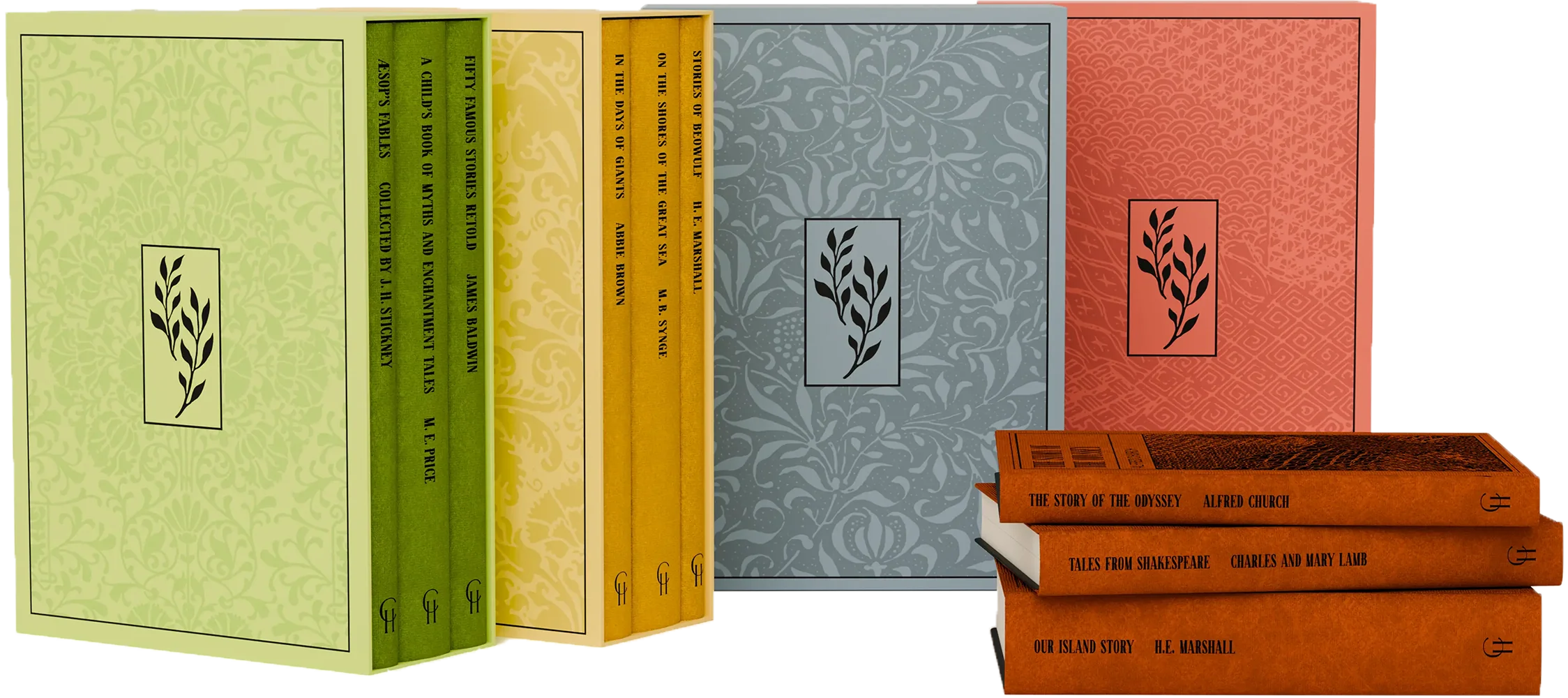
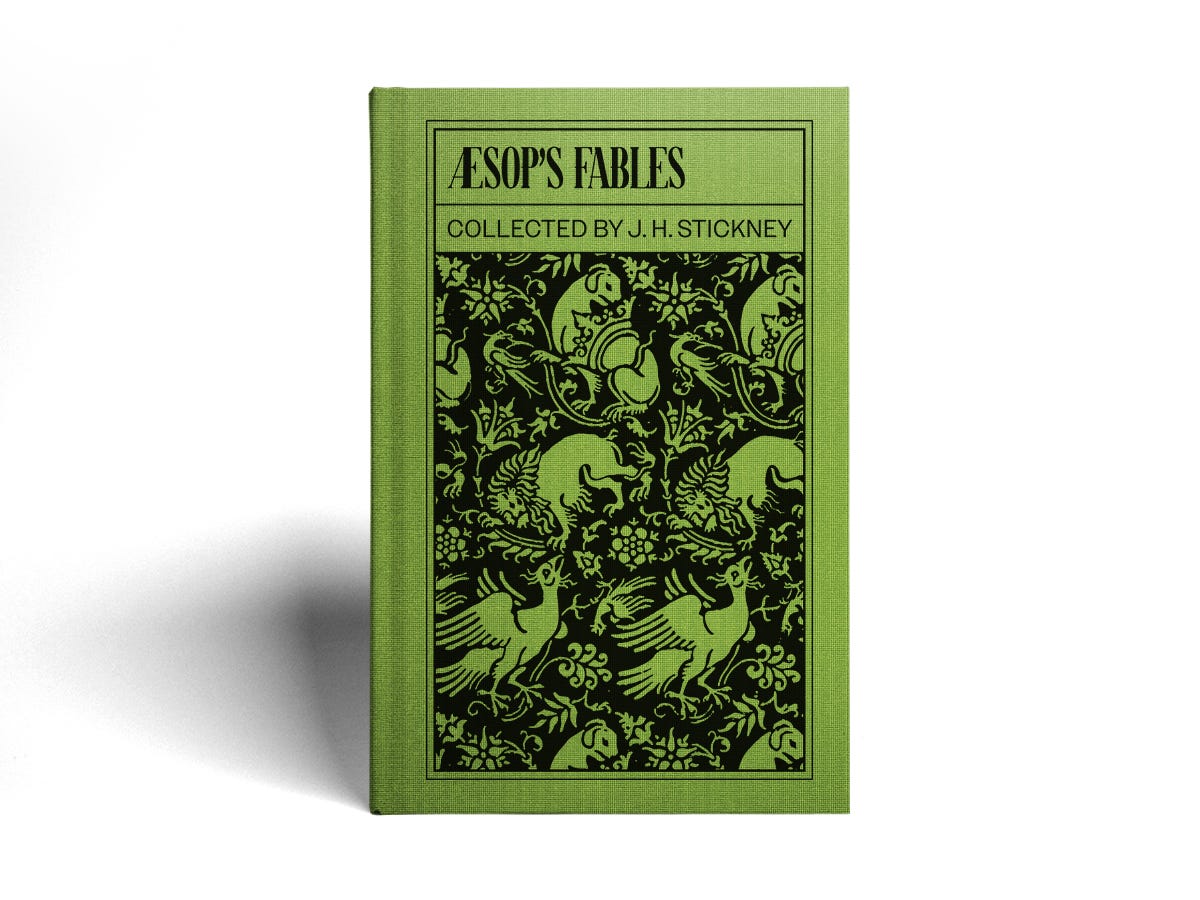
Image 1

凡是在意儿童经典读物的父母,最后都会列出一张书单。它也许始于图书馆里写在餐巾纸上的几笔,也许始于晚上十一点,孩子们终于睡着后,手机备忘录里的一串名字。你记下自己小时候喜爱的书,记下那些总听人提起的书,记下那些明知该读却一直还没读到的书。

这种事我们太熟悉了。我们有三个孩子,分别是四岁、七岁和十二岁。多年来,我们一直给他们读书,陪他们一起读书,也一直努力劝最大的那个自己拿起书来。接下来这份书单,就是我们希望在第一个孩子出生时,能有人直接递到我们手里的那一份。五十本书,按年龄整理,每一本都写了推荐的理由。

这不是一份排名。它也不是一份有史以来五十本最好的儿童书单。它是一份经典儿童文学书单,我们相信,每个孩子都该在十二岁前遇见这些书。它们为一个有读写素养、有想象力、在道德上认真严肃的人打下基础。其中有些适合读给还太小、不能独立阅读的孩子听。有些则适合已经能一头扎进书里读上几个小时的孩子。它们全都值得一家人花时间去读。

开始之前,先说几条基本原则。第一,年龄范围只是建议,不是硬性规定。你最了解自己的孩子。如果你家五岁孩子已经适合读 Charlotte’s Web,那就把书递给他。如果你家九岁孩子还想让你读给他听,那就继续读。第二,这里面很多书,不管孩子多大,都特别适合全家一起朗读。我们现在还在给十二岁的孩子读书,而且并不打算停。第三,我们没有把教材、练习册或工具书算进来。这些是故事、诗歌和传说。是那种会让孩子真正爱上阅读的书。

最早的几年,是用耳朵听故事的年纪。一个每天有人给他读书的孩子,会在自己还认不出一个单词之前,就先明白书本是温暖、惊奇和快乐的来源。下面这些书,会教你的孩子爱上故事。

1.The Real Mother Goose, illustrated by Blanche Fisher Wright

没有童谣的童年是不完整的。Jack and Jill、Humpty Dumpty、Little Bo Peep。这些童谣几个世纪以来一直是英语世界孩子共同的语言。Blanche Fisher Wright 这一版初版于 1916 年,至今仍是标准版本。就从这里开始。

2.The Complete Tales of Beatrix Potter

二十三个短篇故事,每一篇都写得极其精巧。Potter(1866–1943)写作时对孩子怀有一种多数作者都做不到的尊重。她不会居高临下地说教。Peter Rabbit 不听话,于是承受了真实的后果。Jemima Puddle-Duck 愚蠢轻信,差点因此送命。这些故事有道德意味,却不道学。

3.Winnie-the-PoohandThe House at Pooh Cornerby A.A. Milne

Milne(1882–1956)捕捉到了童年的某种真实。它的小小世界,它的郑重其事,它温柔的荒诞。Pooh 并不聪明,这恰恰是重点。把这两本书读给孩子听,让他们为 Eeyore 的阴郁和 Owl 的自命不凡发笑。他们懂得会比你以为的更多。注:链接里的 Chapter House 版本 Pooh’s Library 是一个四册盒装,除了这两部长篇,还收录了 Milne 的两本诗集 When We Were Very Young 和 Now We Are Six。

4.James Herriot’s Treasury for Children

Herriot 写约克郡山谷动物的故事,温柔却不甜腻。那些动物都是真正的动物。它们会生病,会淘气,有时也会死去。但整本书最强烈的底色,是照料与胜任。一个热爱自己工作的兽医,对小孩子来说,是一种安静却有力的榜样。

5.A Child’s Garden of Versesby Robert Louis Stevenson

诗歌应该尽早开始读,而 Stevenson(1850–1894)是英语里最好的起点。My Shadow、The Land of Counterpane、The Lamplighter。这些诗有音乐感,形象鲜明,而且是从孩子的经验内部写出来的,不是站在孩子上方写的。

6.Little Bearby Else Holmelund Minarik

这是一本完美的入门书,适合刚刚开始跟着故事往下走的孩子。Little Bear 和妈妈之间,是每个孩子都能懂的那种关系。耐心,亲昵,又带一点温柔的幽默。Maurice Sendak 的插画,贡献了其中一半的魔力。

7.Billy and Blazeby C.W. Anderson

一个男孩和他的马。Anderson 的铅笔插图美得惊人,故事本身则是关于忠诚、勇气和责任的朴素叙事。如果想让孩子明白照顾一只动物意味着什么,就从这里开始。这套书对稍大一点、已经学会认字、需要好书练习阅读的孩子来说,也是很好的入门读物。

这是故事开始扎根的年纪。你的孩子正在学着读书,或者刚刚学会,而他能独立读懂的内容,和别人读给他听时他能理解的内容,中间差距非常大。把这道鸿沟搭起来。继续给他朗读,同时把更简单的书交到他手里。这些是我们所知最好的六岁、七岁儿童读物之一。

8.Frog and Toadby Arnold Lobel

四本写友情的小书。Frog 快乐又能干。Toad 焦虑又懒散。他们在一起,构成了文学里最伟大的友谊之一。Lobel 能写得真正好笑,同时又很有智慧。这在任何文学里都罕见,在写给六岁孩子的书里更罕见。

9.Henry and Mudgeby Cynthia Rylant

一个男孩和他那只大得惊人的狗。这套书是理想的初级读物。章节短,句子简单,每一页都暖意融融。Rylant 从不摆出高高在上的姿态,Henry 和 Mudge 的关系也让人觉得真实可信。

10.Charlotte’s Webby E.B. White

如果你只给孩子朗读一部长篇小说,那就读这一本。White(1899–1985)写了一个关于友谊、牺牲和生命循环的故事,既令人心碎,也让人心怀希望。你的孩子会哭。你也会。这正是重点。

11.Just So Storiesby Rudyard Kipling

How the Leopard Got His Spots、The Elephant’s Child、How the Camel Got His Hump。Kipling(1865–1936)写这些故事,本来就是为了朗读出来的,你每读一句都能听出来。语言顽皮,有节奏感,还带着一点疯劲。放开声音读吧,孩子一定会缠着你再来一篇。

12.The Burgess Bird Book for Childrenby Thornton W. Burgess

这是一本通过故事来教鸟类学的书。Peter Rabbit,注意是 Burgess 笔下的 Peter Rabbit,不是 Potter 的那个,遇见了北美的各种鸟。Burgess 对每一种鸟的描述都准确得惊人,你的孩子读完后,也许会开始在院子里认鸟。这就是 Charlotte Mason 所说的 living book。1 它在教孩子知识,而孩子甚至没意识到自己在被教。如果你的孩子喜欢这本书,Burgess 还写了很多别的作品,也都值得找来看看。

13.Hank the Cowdogby John R. Erickson

Hank 是得州狭长地带一座牧场上自封的牧场安保总负责人,而他又壮丽地不称职。Erickson 是个真正会讲故事的人。好笑,锋利,而且深深扎根于真实的地方。我们家七岁的孩子很喜欢这套书,四岁的那个在听朗读时也常常笑得上气不接下气。

14.Bunniculaby Deborah and James Howe

一只吸血鬼兔子,一只多疑的猫 Chester,还有一只名叫 Harold、负责讲完整个故事的狗。它有一点点吓人,但从头到尾都讨人喜欢。续作也不错,不过先从第一本开始。

15.Æsop’s Fables

这是这份书单里最古老的一批故事,也依然是最好的之一。The Tortoise and the Hare、The Boy Who Cried Wolf、The Fox and the Grapes。这些故事贡献了我们一半的谚语。每个孩子都该知道它们。我们出版了一版很漂亮的版本,收录在 Chapter House Chapter I box set 中,不过任何一套完整选集都可以。2

Image 2

Chapter House 出版的 J.H. Stickney 版 Æsop’s Fables

16.Fifty Famous Stories Retoldby James Baldwin

Baldwin(1841–1925)从历史和传说中收集了五十个短故事。阿尔弗雷德国王和烤饼,卡努特国王和潮水,威廉·退尔和苹果。每个故事都短到可以一口气读完,每个故事都会种下一颗种子。你的孩子未必能记住全部五十篇,但那些留下来的,会留一辈子。这本书也是 Chapter HouseChapter I: Heroes and Wonders 套装的一部分。3

Image 3

Cortney Skinner 为 50 Famous Stories Retold 绘制的 Robin Hood 原创插画

17.A Child’s Book of Myths and Enchantment Talesby Margaret Evans Price

写给年幼孩子的希腊神话,讲得简明,插图也非常漂亮。Pandora、Persephone、Pegasus,还有 Midas 国王点石成金的故事。这些故事支撑着整个西方文学。就从这里开始吧,之后你孩子一生的阅读里,都会不断遇到这些回声。这是 Chapter House Chapter I set 的第三卷。4

Image 4

Margaret Evans-Price 的画作启发了 Fisher-Price 玩具系列。

18.Half Magicby Edward Eager

四个兄弟姐妹发现了一枚能实现愿望的硬币,不过每个愿望只能实现一半。情节的推动力来自各种阴差阳错的喜剧效果。Eager(1911–1964)写作时带着 E. Nesbit 式的机智和微妙讽意,而他本人也公开承认对 Nesbit 的欣赏。这是一本完美的幻想文学入门书,同时又牢牢立足于一个孩子能认出的现实世界。

这几年,是孩子阅读生命要么被点燃、要么彻底熄火的关键时期。你摆在七岁、八岁或九岁孩子面前的书,会决定他到底会成为终身读者,还是变成那种从前还挺喜欢书的孩子。要慎重选择。超过他独立阅读能力的书,就读给他听。其余的,就让他自己大口吞下去。这正是经典儿童书最丰富的年纪,能挑的好东西多得惊人。

19.The Wind in the Willowsby Kenneth Grahame

Grahame(1859–1932)写出了英语里最奇异也最美的一本书之一。Mole、Rat、Badger 和 Toad 都是动物,它们住在房子里,开着汽车,但真正的主题是友谊、家园和英国乡村。请把它读出来。这样的散文值得被听见。

20.The Cricket in Times Squareby George Selden

一只来自康涅狄格州的蟋蟀,意外来到时代广场的地铁站,并在那里结识了一个男孩、一只猫和一只老鼠。Selden 笔下的纽约温暖而具体,故事推进的节奏,对一个已经准备好读稍长篇幅、但还没准备好读 Tolkien 的孩子来说,恰到好处。

21.Understood Betsyby Dorothy Canfield Fisher

一个在焦虑又过度保护的姨妈们身边长大的女孩,去了佛蒙特州务实的亲戚家生活,开始学着自己做事。这部作品先在 1916 年连载,1917 年出版成书,是支持孩子去冒险、去弄脏自己、去独自摸索世界的最好论证之一。每个在家教育的父母都该读一读这本书。

22.The Blue Fairy Bookby Andrew Lang

Lang(1844–1912)编了十二本童话集,每一本都以一种颜色命名。1889 年出版的 The Blue Fairy Book 是最好的入门选择。你会在这里读到 Cinderella、Sleeping Beauty、Hansel and Gretel、Puss in Boots 等故事最原初的版本,还有几十篇别的。是你祖父母那一代知道的版本,不是后来被 Disney 把所有棱角都磨平的版本。

23.Saint George and the Dragon, retold by Margaret Hodges

这是一本写给大一点孩子的图画书。Hodges 把 Spenser 的 Faerie Queene 改写成一个既容易进入、又真正有英雄气概的故事。Trina Schart Hyman 的插图非同寻常。这种书,孩子会一遍又一遍地重读,而且每次都会看到更多东西。

24.Betsy-Tacyby Maud Hart Lovelace

Betsy 和 Tacy 在这套书开始时只有五岁,她们的友情会一路延续到成年。Lovelace(1892–1980)以自己在明尼苏达州曼凯托的童年为基础写下这些书,细节具体又充满感情,让人觉得自己仿佛也在那里生活过。女孩尤其会喜欢,但只要给男孩机会,他们也会读得很开心。

25.The Phantom Tollboothby Norton Juster

Milo 很无聊。他开车穿过一个魔法收费亭,来到 Lands Beyond,在那里他必须去解救两位公主 Rhyme 和 Reason。每一章里都有双关、悖论,或者哲学式的玩笑,而 Juster(1929–2021)从不对读者摆出高姿态。这是一本会让孩子爱上语言的书。

26.Hans Christian Andersen’s Fairy Tales

不是 Disney 版本。是真正的 Andersen(1805–1875)。会死去的 The Little Mermaid。会融化的 The Steadfast Tin Soldier。还有既奇异又萦绕不去、而且比你以为长三倍的 The Snow Queen。这些故事从不回避痛苦,孩子读了它们,只会变得更好。

27.The Princess and the Goblinby George MacDonald

MacDonald(1824–1905)就是那个让 C.S. Lewis 产生写幻想文学念头的人。Irene 公主在城堡阁楼里发现了一位神秘的高高高祖母,一个名叫 Curdie 的男孩则发现地精们正在山下挖地道。这是最深意义上的童话。一个关于信任、勇气,以及那些我们看不见之物的故事。

28.American Tall Tales, retold by Adrien Stoutenburg

Paul Bunyan、Pecos Bill、John Henry、Johnny Appleseed。这些就是美国神话,每个美国孩子都该知道。Stoutenburg 讲述时充满劲头和幽默,全家一起听也很适合。

29.In the Days of Giantsby Abbie Farwell Brown

写给孩子的北欧神话。Thor、Loki、Odin、冰霜巨人,还有 Ragnarök 的毁灭。Brown(1871–1927)在 1902 年出版了这本合集,直到今天,它仍是年轻读者认识北欧神话最好的入门书之一。这本书属于 Chapter HouseChapter II: Warriors and Giants 套装。5

Image 5

E. Boyd Smith 的原始插图经过修复和上色,为 Chapter House 版 In the Days of Giants 注入了新的生命。

30.Stories of Beowulf, retold by Henrietta Elizabeth Marshall

Marshall 还写过 Our Island Story,她把最古老的英国史诗改写给孩子读。Beowulf 扯下了 Grendel 的手臂。他潜入湖中,与 Grendel 的母亲搏斗。最后,他面对巨龙。这个故事暴烈而高贵,正是一个八岁男孩该听的东西。这本书也属于 Chapter House Chapter II set

Image 6

T. Shaw-Taylor’s 画作为 H.E. Marshall 的 Beowulf 带来了新的生命,而且毫不收敛。

31.Paddle-to-the-Seaby Holling Clancy Holling

一只雕刻出来的小木船被放进加拿大北部的雪堆里,之后一路穿过五大湖,漂向大西洋。Holling(1900–1973)在每一页上都画了细致的地图和示意图。它一半是冒险,一半是地理课,而整体又美得无可挑剔。用 Charlotte Mason 的标准来看,这是真正意义上的 living book。

32.On the Shores of the Great Seaby M.B. Synge

把历史当作故事来讲,从古埃及人一直讲到罗马的覆灭。Synge(1861–1939)是写给那些会听、会想的孩子看的,她默认自己的读者有能力面对复杂性。这种历史会让孩子更想知道,而不是更不想知道。这本书属于 Chapter HouseChapter II: Warriors and Giants 套装。

到了九岁或十岁,一个从小被认真朗读喂大的孩子,就已经准备好接触真正的文学了。下面这些书适合十岁孩子,也适合有冲劲的九岁孩子。它们标志着一个转折点。从儿童故事,走向那些只是恰好以孩子为主角的故事,甚至还有些根本没有孩子角色的故事。有些很厚。有些不轻松。但每一本都值得花力气。

33.The Chronicles of Narniaby C.S. Lewis

七本书,每一本都不可或缺。Lewis(1898–1963)构建了一个世界,在那里,基督教神学被讲了出来,却从不会让人觉得像在上课。先从 The Lion, the Witch and the Wardrobe 开始,并按 Lewis 出版的顺序来读。6 如果你的孩子在十二岁前只读一套幻想系列,那就读这一套。

34.Heidiby Johanna Spyri

Spyri(1827–1901)写了一部关于一个女孩、一座山和一位祖父的小说,一个半世纪以来始终备受喜爱。前半部是田园生活的完美图景。山羊、野花、阿尔卑斯山上的落日。后半部转到法兰克福,锋利地批评了过度文明化的都市生活。两部分合在一起,构成了一个关于朴素生活之善的有力论证,而且从未过时。

35.My Side of the Mountainby Jean Craighead George

一个男孩逃进卡茨基尔山脉,独自住在一棵掏空的铁杉树里,训练一只游隼,还吃橡子煎饼。George(1919–2012)是一位自然主义者,书里每一个野外生存细节都准确无误。这就是那种会让孩子想往外跑的书。

36.The Twenty-One Balloonsby William Pène du Bois

Sherman 教授被人发现漂浮在大西洋上空,身下挂着二十一个气球。他究竟是怎么到那里的。答案牵涉到 Krakatoa 岛、一个秘密社团,以及儿童文学里最有创造力的一批世界构建。Du Bois 因这本书在 1948 年获得了纽伯瑞奖,而它理应比现在更广为人知。

37.The Story of the Iliad

讲给孩子听的特洛伊战争。Achilles、Hector、Paris、Helen。古代世界最伟大的故事,也是西方文学的基石。你的孩子不需要用希腊文读 Homer。他需要知道这个故事,而一部好的儿童改写本就能做到这一点。这本书属于 Chapter HouseChapter III: The Triumph of the West 套装。

Image 7

Ruxandra Ionce’sThe Story of the Iliad 绘制的原创插画,为孩子们铺开了一幅色彩鲜明的场景。

38.Tales from Shakespeareby Charles and Mary Lamb

Lamb 兄妹在 1807 年出版了他们的改写本,至今无人超越。The TempestA Midsummer Night’s DreamThe Merchant of VeniceHamlet。Shakespeare 的情节和人物在这里都变得容易进入,却没有被简化得面目全非。这样一来,你的孩子以后读到真正的剧作时,感受到的会是老朋友般的熟悉,而不是面对陌生人时的茫然。这本书属于 Chapter HouseChapter IV: The Odyssey of Europe 套装。7

39.Hatchetby Gary Paulsen

十三岁的 Brian 在飞机失事后,独自困在加拿大荒野。Paulsen(1939–2021)从不把生存写得温情脉脉。Brian 饥饿、受伤、害怕、孤身一人,而每一次小小的胜利,他生起第一堆火,抓到第一条鱼,都让人觉得是实打实挣来的。男孩尤其会一口气吞下这本书,平时不爱读书的孩子也会把它读完。

40.Anne of Green Gablesby L.M. Montgomery

Anne Shirley 阴差阳错来到 Green Gables,本来 Cuthbert 家想要的是一个男孩,随后她一路说个不停、做梦不停、闯祸不停,最终成了儿童文学里最受喜爱的角色之一。Montgomery(1874–1942)写出了一个戏剧化、聪明、又完全压不住自己的女主角。女孩会爱死她。男孩开始也许只是忍着读,最后多半还是会被她拿下。

41.Treasure Islandby Robert Louis Stevenson

英语里最伟大的冒险故事,我们并不打算为这件事争论。Stevenson 写它本来就是给男孩看的,而男孩直到今天还是会爱。地图、鹦鹉、独腿海盗、叛变、埋藏的黄金。整个故事像一艘满帆前进的船,而 Long John Silver 则是小说史上最迷人的角色之一。

十二岁已经站在成年门槛上了,至少除了我们这个时代之外,别的文明大多如此。最后这份名单上的书都是真正的文学。复杂,道德上严肃,而且是写给已经准备好直面真实世界的读者。有些很长。没有一本轻松。每一本都不可或缺。这些书,适合那些已经被前面一切认真准备过的十二岁孩子。

42.The Hobbitby J.R.R. Tolkien

Bilbo Baggins 并不想去冒险,而这恰恰让他成了最合适的冒险者。Tolkien(1892–1973)本来就是写给自己的孩子听的,所以这本书读起来像炉火边讲出的故事。它同时也是通往后面那部更伟大作品的最好准备。如果可以,就大声读给孩子听。书里的歌曲和谜语都在要求你这么做。

43.Little Womenby Louisa May Alcott

Alcott(1832–1888)是从真实生活里写出 March 家四姐妹的,这就是她们为什么能活在纸页上。Jo 是大家最容易记住的那个,凶,急,不耐烦,但 Beth 安静的善良和 Marmee 稳稳的智慧同样重要。前半本充满阳光和家庭气息。后半本不是。等你女儿准备好去感受一些真正的东西时,再让她读这本。

44.Robinson Crusoeby Daniel Defoe

这本书出版于 1719 年,也许是英语第一部长篇小说,而且毫无疑问是影响最大的一部之一。一个人孤身在岛上,从零开始建立起自己的生活。Defoe(1660–1731)把生存中的那些寻常细节写得和任何战斗场面一样扣人心弦。书里的宗教维度是真实存在的。Crusoe 的皈依是整本书的转轴,而够大、能看见这一点的孩子,会因此收获更多。

45.The Lord of the Ringsby J.R.R. Tolkien

严格说来,这不是儿童书。但一个已经读过 The HobbitThe Chronicles of Narnia 的十二岁孩子,已经准备好了。Tolkien 的杰作讲的是责任的重负、权力的诱惑,以及普通人在非常时刻展现出的勇气。它会成为你孩子一生中最重要的书之一。别等到他年纪再大一点才给他读。他现在就已经够大了。8

46.King Arthur and His Knights of the Round Tableby Roger Lancelyn Green

Green(1918–1987)把亚瑟王传奇讲成了一部完整、连贯的叙事。Arthur 从石中拔出宝剑。Lancelot 背叛他的国王。圣杯被追寻,被找到,又再次失落。Camelot 陨落。这是英语世界最核心的神话,每个孩子都该在现代改写把水搅浑之前,先知道它原本的样子。

47.A Wrinkle in Timeby Madeleine L’Engle

Meg Murry 的父亲在研究 tesseract 时失踪了。L’Engle(1918–2007)写的是一种毫不掩饰基督教底色、也毫不掩饰其怪异气质的科学幻想。反派是整齐划一和绝望。武器是爱,而且不是那种廉价的感伤之爱。这本书在 1963 年赢得纽伯瑞奖,直到今天依旧怪得迷人,也美得迷人。

48.From the Mixed-Up Files of Mrs. Basil E. Frankweilerby E.L. Konigsburg

两个孩子离家出走,藏进了大都会艺术博物馆。Konigsburg(1930–2013)写出了一个带着谜团的故事,而谜团内部包裹着另一层内容。那是关于美、关于好奇心、关于知道一切和真正理解某件事之间差别的论述。这本书聪明,圆满,而且会让每个读过它的孩子都想在博物馆里过一夜。

49.Old Peter’s Russian Talesby Arthur Ransome

Ransome(1884–1967)搜集了俄罗斯民间故事,并用鲜活、富有音乐感的英语重述了出来。Baba Yaga、Firebird、Frog Princess,还有银盘子的故事。这些是斯拉夫世界的传说,它们和 Grimm 或 Andersen 里的任何故事一样狂野,一样美。一个知道这些故事的孩子,会知道某种大多数西方读者完全错过的东西。

50.Oliver Twistby Charles Dickens

Dickens(1812–1870)写得最迫切的一部之一。Oliver 出生在济贫院,后来落入盗贼之中,而他穿行其间的伦敦又肮脏,又鲜活得刺眼。这本书比这份名单上大多数书都更长,也更黑暗,所以它被放在最后。一个认真读过前面四十九本书的十二岁孩子,已经准备好读 Dickens 了。而一旦他读过 Dickens,他也就准备好读任何书了。

你不太可能在孩子十二岁生日之前把这五十本书全都读完。没关系。这不是一张必须打勾完成的清单,而是一座要慢慢栽种进去的花园。其中有些书,你会在冬夜里读给孩子听。有些书,孩子会在夏日午后独自读完。有些读到一半会先放下,过几年又重新捡起来。这才是阅读生活真正的样子。

重要的是开始。无论孩子多大,从这份书单里随便挑一本到,今晚就把第一页读出来。孩子会告诉你该不该继续往下读。

我们把这份书单中的若干书目收录进了 Chapter House Collection。版本印制精美,并附有关于教育理念与文学背景的小册子。如果你正在为家里建立藏书,我们会很荣幸能占其中一席之地。

1

英国教育家 Charlotte Mason(1842–1923)用 living books 一词来指称那些由单一作者带着热情与文学技巧写成的书,以区别于那种由委员会编写、枯燥乏味的教科书。参见 Charlotte Mason, Home Education(London: Kegan Paul, Trench & Co., 1886)。

2

至少从公元前 5 世纪开始,Æsop 的寓言就一直在流传。我们今天所知的这一版本,大约在公元前 300 年,由 Demetrius of Phalerum 首次用希腊文整理编纂而成。参见 Ben Edwin Perry, Aesopica(University of Illinois Press, 1952)。

3

James Baldwin, Fifty Famous Stories Retold(New York: American Book Company, 1896)。Baldwin 是一位多产的儿童文学作者,并在 19 世纪晚期担任过几家教育出版社的编辑。

4

Margaret Evans Price, A Child’s Book of Myths and Enchantment Tales(Chicago: Rand McNally, 1924)。

5

Abbie Farwell Brown, In the Days of Giants: A Book of Norse Tales(Boston: Houghton Mifflin, 1902)。

6

关于 Narnia 的正确阅读顺序,至今仍有争论。在 1957 年写给一位名叫 Lawrence 的年轻读者的信里,Lewis 实际上支持那个男孩偏爱的编年顺序,也就是从 The Magician’s Nephew 开始。我们更偏向出版顺序,因为 The Lion, the Witch and the Wardrobe 本来就是作为入口写出来的,而后面的书都默认读者已经熟悉它。无论怎么读都可以。参见 Walter Hooper 编,C.S. Lewis: Collected Letters, Vol. 3(HarperSanFrancisco, 2007)。

7

Charles and Mary Lamb, Tales from Shakespeare(London: Thomas Hodgkins, 1807)。Mary 写喜剧部分,Charles 写悲剧部分。

8

Tolkien 从 1937 年 12 月开始写 The Lord of the Rings,直到 1954 至 1955 年才出版。在第一版序言里,他写道,这根本不是一本写给孩子看的书,不过当然,许多孩子会对它,或者其中某些部分,产生兴趣。参见 J.R.R. Tolkien, The Lord of the Rings(London: Allen & Unwin, 1954), Foreword。

Image 1

Every parent who cares about classic books for kids eventually makes a list. Maybe it starts on a napkin at the library, or in the notes app at 11 p.m. after the children are finally asleep. You write down the books you loved as a child, the ones you keep hearing about, the ones you know you should get to but have not yet.

We have been there. We have three children, ages four, seven, and twelve, and we have spent years reading to them, reading with them, and trying to convince the oldest to read on his own. What follows is the reading list we wish someone had handed us when our first child was born: Fifty books, organized by age, with a reason for each.

This is not a ranked list. It is not a list of the fifty “best” books ever written for children. It is a list of classic children’s books that we believe every child should encounter before the age of twelve. The books that build the foundation of a literate, imaginative, morally serious human being. Some are read-aloud books for kids who are still too young to read on their own. Others are for children ready to disappear into a book for hours. All of them are worth your family’s time.

A few ground rules before we begin. First, the age ranges are suggestions, not prescriptions. You know your child. If your five-year-old is ready for Charlotte’s Web, hand it over. If your nine-year-old still wants to be read to, keep reading aloud. Second, many of these books work beautifully as family read-alouds regardless of the child’s age. We still read aloud to our twelve-year-old, and we have no plans to stop. Third, we have not included textbooks, workbooks, or reference books. These are stories, poems, and tales. The kind of books that make children love reading.

The earliest years are for listening. A child who is read to every day learns that books are a source of warmth, wonder, and delight long before he can decode a single word on his own. These are the books that teach your child to love stories.

1.The Real Mother Goose, illustrated by Blanche Fisher Wright

No childhood is complete without nursery rhymes. “Jack and Jill,” “Humpty Dumpty,” “Little Bo Peep.” These are the shared language of English-speaking children and have been for centuries. The Blanche Fisher Wright edition, first published in 1916, remains the standard. Start here.

2.The Complete Tales of Beatrix Potter

Twenty-three short stories, each one perfectly crafted. Potter (1866–1943) wrote with a respect for children that most authors never manage. She did not talk down. Peter Rabbit disobeys and suffers real consequences. Jemima Puddle-Duck is foolish and nearly pays for it with her life. These tales are moral without being moralistic.

3.Winnie-the-PoohandThe House at Pooh Cornerby A.A. Milne

Milne (1882–1956) captured something true about childhood: Its smallness, its seriousness, its gentle absurdity. Pooh is not clever, and that is precisely the point. Read these aloud and let your children laugh at Eeyore’s gloom and Owl’s pretensions. They will understand more than you expect. Note: The linked Chapter House edition (Pooh’s Library) is a four-book box set that includes both novels alongside Milne’s two poetry collections, When We Were Very Young and Now We Are Six.

4.James Herriot’s Treasury for Children

Herriot’s stories about animals in the Yorkshire Dales are tender without being saccharine. The animals are real animals. They get sick, they misbehave, they sometimes die. But the overriding sense is one of care and competence. A veterinarian who loves his work is a quietly powerful model for a small child.

5.A Child’s Garden of Versesby Robert Louis Stevenson

Poetry should begin early, and Stevenson (1850–1894) is the finest starting point in English. “My Shadow,” “The Land of Counterpane,” “The Lamplighter.” These poems are musical, vivid, and written from inside a child’s experience rather than above it.

6.Little Bearby Else Holmelund Minarik

A perfect first book for the child who is just beginning to follow a story. Little Bear and his mother have the kind of relationship every child understands: Patient, affectionate, gently funny. The Maurice Sendak illustrations are half the magic.

7.Billy and Blazeby C.W. Anderson

A boy and his horse. Anderson’s pencil illustrations are gorgeous, and the stories are straightforward tales of loyalty, courage, and responsibility. If you want your child to understand what it means to care for an animal, start here. These books also make excellent early readers for slightly older children who have learned to read, and need good quality books for practice.

This is the age when stories begin to take root. Your child is learning to read, or has just learned, and the gap between what he can read independently and what he can understand when read to is enormous. Bridge that gap. Keep reading aloud, and put the simpler books in his hands. These are some of the best books for 6 year olds and 7 year olds we know.

8.Frog and Toadby Arnold Lobel

Four small books about friendship. Frog is cheerful and capable. Toad is anxious and lazy. Together they are one of the great literary friendships. Lobel manages to be genuinely funny while also being wise, a rare combination in any literature, let alone in books for six-year-olds.

9.Henry and Mudgeby Cynthia Rylant

A boy and his enormous dog. These are ideal early readers: Short chapters, simple sentences, warmth on every page. Rylant never condescends, and the relationship between Henry and Mudge feels real.

10.Charlotte’s Webby E.B. White

If you read only one novel aloud to your child, make it this one. White (1899–1985) wrote a story about friendship, sacrifice, and the cycle of life that is devastating and hopeful in equal measure. Your child will cry. So will you. That is the point.

11.Just So Storiesby Rudyard Kipling

“How the Leopard Got His Spots,” “The Elephant’s Child,” “How the Camel Got His Hump.” Kipling (1865–1936) wrote these to be read aloud, and you can hear it in every sentence. The language is playful, rhythmic, and slightly mad. Read them with full voice and your children will beg for another.

12.The Burgess Bird Book for Childrenby Thornton W. Burgess

A book that teaches ornithology through story. Peter Rabbit (Burgess’s Peter Rabbit, not Potter’s) meets the birds of North America, and Burgess describes each one with such accuracy that your child may start identifying birds in the yard. This is what Charlotte Mason called a “living book.” It teaches without the child knowing he is being taught.1 If your children love this one, Burgess wrote many other books that would be worth checking out, too.

13.Hank the Cowdogby John R. Erickson

Hank is the self-appointed “Head of Ranch Security” on a Texas panhandle cattle ranch, and he is magnificently incompetent. Erickson is a genuine storyteller: Funny, sharp, and rooted in a real place. Our seven-year-old loves these, and our four-year-old laughs herself breathless during the read-alouds.

14.Bunniculaby Deborah and James Howe

A vampire bunny, a suspicious cat named Chester, and a dog named Harold who narrates the whole thing. It is slightly spooky and entirely delightful. The sequels are good too, but start with the original.

15.Æsop’s Fables

The oldest stories on this list and still among the best. “The Tortoise and the Hare,” “The Boy Who Cried Wolf,” “The Fox and the Grapes.” These are the stories that gave us half our proverbs. Every child should know them. We publish a beautiful edition as part of our Chapter House Chapter I box set, but any complete collection will serve.2

Image 2

J.H. Stickney’s edition of Æsop’s Fables, published by Chapter House

16.Fifty Famous Stories Retoldby James Baldwin

Baldwin (1841–1925) collected fifty short tales from history and legend: King Alfred and the cakes, King Canute and the tide, William Tell and the apple. Each story is brief enough to read in a single sitting, and each one plants a seed. Your child may not remember all fifty, but the ones that stick will stick for life. Also part of the Chapter HouseChapter I: Heroes and Wonders set.3

Image 3

Cortney Skinner’s original art of Robin Hood for 50 Famous Stories Retold

17.A Child’s Book of Myths and Enchantment Talesby Margaret Evans Price

Greek mythology for young children, told simply and illustrated beautifully. Pandora, Persephone, Pegasus, and the golden touch of King Midas. These are the stories that underpin all of Western literature. Start here, and the references will echo for the rest of your child’s reading life. The third volume in the Chapter House Chapter I set.4

Image 4

The artwork of Margaret Evans-Price inspired the Fisher-Price toy line.

18.Half Magicby Edward Eager

Four siblings find a coin that grants wishes, but only half of each wish. The comedy of unintended consequences drives the plot, and Eager (1911–1964) writes with the wry intelligence of E. Nesbit, whom he openly admired. A perfect introduction to fantasy that is grounded in a recognizable world.

These are the years when a child’s reading life catches fire, or doesn’t. The books you put in front of a seven, eight, or nine-year-old will determine whether he becomes a reader for life or a child who “used to like books.” Choose well. Read aloud the ones that are beyond his independent level, and let him devour the rest on his own. This is the prime age for classic books for kids, and there is an embarrassment of riches to choose from.

19.The Wind in the Willowsby Kenneth Grahame

Grahame (1859–1932) wrote one of the strangest and most beautiful books in the English language. Mole, Rat, Badger, and Toad are animals who live in houses and drive motorcars, but the real subject is friendship, home, and the English countryside. Read it aloud. The prose is worth hearing.

20.The Cricket in Times Squareby George Selden

A cricket from Connecticut accidentally ends up in a Times Square subway station and befriends a boy, a cat, and a mouse. Selden’s New York is warm and specific, and the story moves at exactly the right pace for a child who is ready for a longer novel but not yet ready for Tolkien.

21.Understood Betsyby Dorothy Canfield Fisher

A girl raised by anxious, overprotective aunts goes to live with practical Vermont relatives and learns to do things for herself. First serialized in 1916 and published as a book in 1917, it is one of the finest arguments for letting children take risks, get dirty, and figure things out on their own. Every homeschooling parent should read this book.

22.The Blue Fairy Bookby Andrew Lang

Lang (1844–1912) compiled twelve fairy-tale collections, each named for a color. The Blue Fairy Book, published in 1889, is the best starting point. Here you will find the original versions of “Cinderella,” “Sleeping Beauty,” “Hansel and Gretel,” “Puss in Boots,” and dozens more. The versions your grandparents knew, before Disney smoothed every rough edge away.

23.Saint George and the Dragon, retold by Margaret Hodges

A picture book for older children. Hodges adapted Spenser’s Faerie Queene into a story that is both accessible and genuinely heroic. Trina Schart Hyman’s illustrations are extraordinary. This is the kind of book a child returns to again and again, noticing more each time.

24.Betsy-Tacyby Maud Hart Lovelace

Betsy and Tacy are five years old when the series begins, and their friendship carries through to adulthood. Lovelace (1892–1980) based the books on her own childhood in Mankato, Minnesota, and the details are so specific and affectionate that you feel you have lived there yourself. Girls especially love these, but boys will enjoy them too if given the chance.

25.The Phantom Tollboothby Norton Juster

Milo is bored. He drives through a magic tollbooth and arrives in the Lands Beyond, where he must rescue the princesses Rhyme and Reason. Every chapter is a pun, a paradox, or a philosophical joke, and Juster (1929–2021) never talks down to his readers. A book that makes children love language.

26.Hans Christian Andersen’s Fairy Tales

Not the Disney versions. The real Andersen (1805–1875). “The Little Mermaid,” who dies. “The Steadfast Tin Soldier,” who melts. “The Snow Queen,” which is strange and haunting and three times longer than you expect. These stories do not flinch from suffering, and children are better for reading them.

27.The Princess and the Goblinby George MacDonald

MacDonald (1824–1905) was the man who made C.S. Lewis want to write fantasy. Princess Irene discovers a mysterious great-great-grandmother in the attic of her castle, and a boy named Curdie discovers that goblins are tunneling beneath the mountain. It is a fairy tale in the deepest sense. A story about trust, courage, and the things we cannot see.

28.American Tall Tales, retold by Adrien Stoutenburg

Paul Bunyan, Pecos Bill, John Henry, Johnny Appleseed. These are the American myths, and every American child should know them. Stoutenburg tells them with energy and humor, and they make a fine read-aloud for the whole family.

29.In the Days of Giantsby Abbie Farwell Brown

Norse mythology told for children. Thor, Loki, Odin, the frost giants, and the doom of Ragnarök. Brown (1871–1927) published this collection in 1902, and it remains one of the best introductions to the Norse myths for young readers. Part of the Chapter HouseChapter II: Warriors and Giants set.5

Image 5

E. Boyd Smith’s original artwork has been restored and colorized to add new life to the Chapter House edition of In the Days of Giants.

30.Stories of Beowulf, retold by Henrietta Elizabeth Marshall

Marshall, who also wrote Our Island Story, retold the oldest English epic for children. Beowulf tears off Grendel’s arm. He dives into a lake to fight Grendel’s mother. He faces the dragon at the end. The story is violent and noble and exactly what an eight-year-old boy needs to hear. Also part of the Chapter House Chapter II set.

Image 6

T. Shaw-Taylor’s art adds new life to H.E. Marshall’s Beowulf, and holds nothing back!

31.Paddle-to-the-Seaby Holling Clancy Holling

A carved wooden canoe is set in a snowbank in northern Canada and travels through the Great Lakes to the Atlantic Ocean. Holling (1900–1973) illustrated every page with detailed maps and diagrams. It is part adventure, part geography lesson, and wholly beautiful. A living book in the truest Charlotte Mason sense.

32.On the Shores of the Great Seaby M.B. Synge

History told as story, from the ancient Egyptians through the fall of Rome. Synge (1861–1939) wrote for children who could listen and think, and she assumed her readers could handle complexity. This is the kind of history that makes a child want to know more, not less. Part of the Chapter HouseChapter II: Warriors and Giants set.

By nine or ten, a child who has been well-read-to is ready for real literature. These are books for 10 year olds and ambitious 9 year olds. Books that mark the transition from children’s stories to stories that happen to feature children, and a few that do not feature children at all. Some are thick. Some are challenging. All reward the effort.

33.The Chronicles of Narniaby C.S. Lewis

Seven books, and every one of them essential. Lewis (1898–1963) built a world that teaches Christian theology without ever feeling like a lesson. Start with The Lion, the Witch and the Wardrobe and read them in the order Lewis published them.6 If your child reads only one fantasy series before turning twelve, make it this one.

34.Heidiby Johanna Spyri

Spyri (1827–1901) wrote a novel about a girl, a mountain, and a grandfather that has been beloved for a century and a half. The first half is pastoral perfection: Goats, wildflowers, sunsets over the Alps. The second half, set in Frankfurt, is a sharp critique of overcivilized urban life. Together they make an argument for the goodness of simple living that has never gone out of style.

35.My Side of the Mountainby Jean Craighead George

A boy runs away to the Catskill Mountains and lives alone in a hollowed-out hemlock tree, training a peregrine falcon and eating acorn pancakes. George (1919–2012) was a naturalist, and every survival detail is accurate. This is the book that makes children want to go outside.

36.The Twenty-One Balloonsby William Pène du Bois

Professor Sherman is found floating over the Atlantic Ocean, hanging from twenty-one balloons. How did he get there? The answer involves the island of Krakatoa, a secret society, and some of the most inventive worldbuilding in children’s literature. Du Bois won the Newbery Medal for this in 1948, and it deserves to be far better known than it is.

37.The Story of the Iliad

The Trojan War, told for children. Achilles, Hector, Paris, Helen. The greatest story of the ancient world and the foundation of Western literature. Your child does not need to read Homer in Greek. He needs to know the story, and a good children’s retelling will give him that. Part of the Chapter HouseChapter III: The Triumph of the West set.

Image 7

Ruxandra Ionce’s original artwork for The Story of the Iliad paints a colorful scene for children.

38.Tales from Shakespeareby Charles and Mary Lamb

The Lambs published their retellings in 1807, and no one has surpassed them. The Tempest, A Midsummer Night’s Dream, The Merchant of Venice, Hamlet. The plots and characters of Shakespeare, made accessible without being dumbed down. Your child will meet the real plays later with a friend’s familiarity rather than a stranger’s confusion. Part of the Chapter HouseChapter IV: The Odyssey of Europe set.7

39.Hatchetby Gary Paulsen

Thirteen-year-old Brian is stranded alone in the Canadian wilderness after a plane crash. Paulsen (1939–2021) does not sentimentalize survival. Brian is hungry, injured, afraid, and alone, and every small victory (his first fire, his first fish) feels earned. Boys especially devour this book, and reluctant readers will finish it.

40.Anne of Green Gablesby L.M. Montgomery

Anne Shirley arrives at Green Gables by mistake (the Cuthberts wanted a boy) and proceeds to talk, dream, and blunder her way into one of the most beloved characters in children’s literature. Montgomery (1874–1942) wrote a heroine who is dramatic, intelligent, and irrepressible. Girls will adore her. Boys will tolerate her and end up won over.

41.Treasure Islandby Robert Louis Stevenson

The greatest adventure story in the English language, and we are not inclined to argue about it. Stevenson wrote it for boys, and boys still love it. The map, the parrot, the one-legged pirate, the mutiny, the buried gold. It moves like a ship in full sail, and Long John Silver is one of the most fascinating characters in all of fiction.

Twelve is the doorstep of adulthood, at least in every civilization except our own. The books on this final list are real literature: Complex, morally serious, and written for readers who are ready to grapple with the world as it is. Some are long. None are easy. All are necessary. These are the books for 12 year olds who have been well prepared by everything that came before.

42.The Hobbitby J.R.R. Tolkien

Bilbo Baggins does not want an adventure, and that is what makes him the perfect adventurer. Tolkien (1892–1973) wrote this for his own children, and it reads like a story told beside a fire. It is also the best preparation for the greater work that follows. Read it aloud if you can. The songs and riddles demand it.

43.Little Womenby Louisa May Alcott

Alcott (1832–1888) drew the March sisters from life, and that is why they live on the page. Jo is the one everyone remembers (fierce and impatient) but Beth’s quiet goodness and Marmee’s steady wisdom are just as essential. The first half is sunlit and domestic. The second half is not. Let your daughter read it when she is ready to feel something real.

44.Robinson Crusoeby Daniel Defoe

Published in 1719, it may be the first English novel, and it is certainly one of the most influential. A man alone on an island, building a life from nothing. Defoe (1660–1731) made the ordinary details of survival as gripping as any battle scene. The religious dimension is real. Crusoe’s conversion is the hinge of the book, and children old enough to notice will be richer for it.

45.The Lord of the Ringsby J.R.R. Tolkien

Not a children’s book, strictly speaking. But a twelve-year-old who has read The Hobbit and The Chronicles of Narnia is ready. Tolkien’s masterwork is about the burden of duty, the temptation of power, and the courage of ordinary people in extraordinary times. It will be one of the most important books your child ever reads. Do not wait until he is “old enough.” He is old enough now.8

46.King Arthur and His Knights of the Round Tableby Roger Lancelyn Green

Green (1918–1987) told the Arthurian legends in a single, coherent narrative. Arthur pulls the sword from the stone. Lancelot betrays his king. The Grail is sought and found and lost again. Camelot falls. It is the central myth of the English-speaking world, and every child should know it before the modern retellings muddy the water.

47.A Wrinkle in Timeby Madeleine L’Engle

Meg Murry’s father has vanished while working on a tesseract. L’Engle (1918–2007) wrote science fantasy that is unapologetically Christian and unapologetically strange. The villains are conformity and despair. The weapon is love, and not the sentimental kind. It won the Newbery in 1963 and remains as weird and wonderful as ever.

48.From the Mixed-Up Files of Mrs. Basil E. Frankweilerby E.L. Konigsburg

Two children run away from home and hide in the Metropolitan Museum of Art. Konigsburg (1930–2013) wrote a mystery wrapped in an argument for beauty, curiosity, and the difference between knowing everything and understanding something. It is clever and satisfying and makes every child who reads it want to sleep in a museum.

49.Old Peter’s Russian Talesby Arthur Ransome

Ransome (1884–1967) collected Russian folktales and retold them in vivid, musical English. Baba Yaga, the Firebird, the Frog Princess, and the tale of the Silver Saucer. These are the stories of the Slavic world, and they are as wild and beautiful as anything in Grimm or Andersen. A child who knows these tales knows something most Western readers miss entirely.

50.Oliver Twistby Charles Dickens

Dickens (1812–1870) at his most urgent. Oliver is born in a workhouse and falls in with thieves, and the London he moves through is filthy and vividly alive. This is a longer and darker book than most on this list, and that is why it comes last. A twelve-year-old who has worked through the forty-nine books above is ready for Dickens. And once he has read Dickens, he is ready for anything.

You will not get through all fifty of these books by your child’s twelfth birthday. That is fine. This is not a checklist to be completed but a garden to be planted in. Some of these books you will read aloud on winter evenings. Some your child will read alone on a summer afternoon. Some will be abandoned halfway through and picked up again years later. That is how a reading life works.

The important thing is to begin. Pick one book from this list, any book, at any age, and read the first page aloud tonight. Your child will tell you whether to keep going.

We publish several of the titles on this list as part of the Chapter House Collection: Beautifully printed editions with accompanying pamphlets on educational philosophy and literary context. If you are building a home library, we would be honored to be part of it.

1

Charlotte Mason (1842–1923), the British educator, used the term “living books” to describe books written by a single author with passion and literary skill, as opposed to dry textbooks written by committee. See Charlotte Mason, Home Education (London: Kegan Paul, Trench & Co., 1886).

2

Æsop’s fables have been in continuous circulation since at least the 5th century BC. The collection as we know it was first compiled in Greek by Demetrius of Phalerum around 300 BC. See Ben Edwin Perry, Aesopica (University of Illinois Press, 1952).

3

James Baldwin, Fifty Famous Stories Retold (New York: American Book Company, 1896). Baldwin was a prolific author of children’s books and served as editor for several educational publishers in the late 19th century.

4

Margaret Evans Price, A Child’s Book of Myths and Enchantment Tales (Chicago: Rand McNally, 1924).

5

Abbie Farwell Brown, In the Days of Giants: A Book of Norse Tales (Boston: Houghton Mifflin, 1902).

6

There is an ongoing debate about the “correct” reading order for Narnia. In a 1957 letter to a young reader named Lawrence, Lewis actually sided with the boy’s preference for chronological order (beginning with The Magician’s Nephew). We prefer publication order because The Lion, the Witch and the Wardrobe was written as the entry point, and the later books assume familiarity with it. Either way works. See Walter Hooper, ed., C.S. Lewis: Collected Letters, Vol. 3 (HarperSanFrancisco, 2007).

7

Charles and Mary Lamb, Tales from Shakespeare (London: Thomas Hodgkins, 1807). Mary wrote the comedies; Charles wrote the tragedies.

8

Tolkien began writing The Lord of the Rings in December 1937, and it was not published until 1954–55. In the foreword to the first edition, he wrote that it was “not a book written for children at all; though many children will, of course, be interested in it, or parts of it.” See J.R.R. Tolkien, The Lord of the Rings (London: Allen & Unwin, 1954), Foreword.
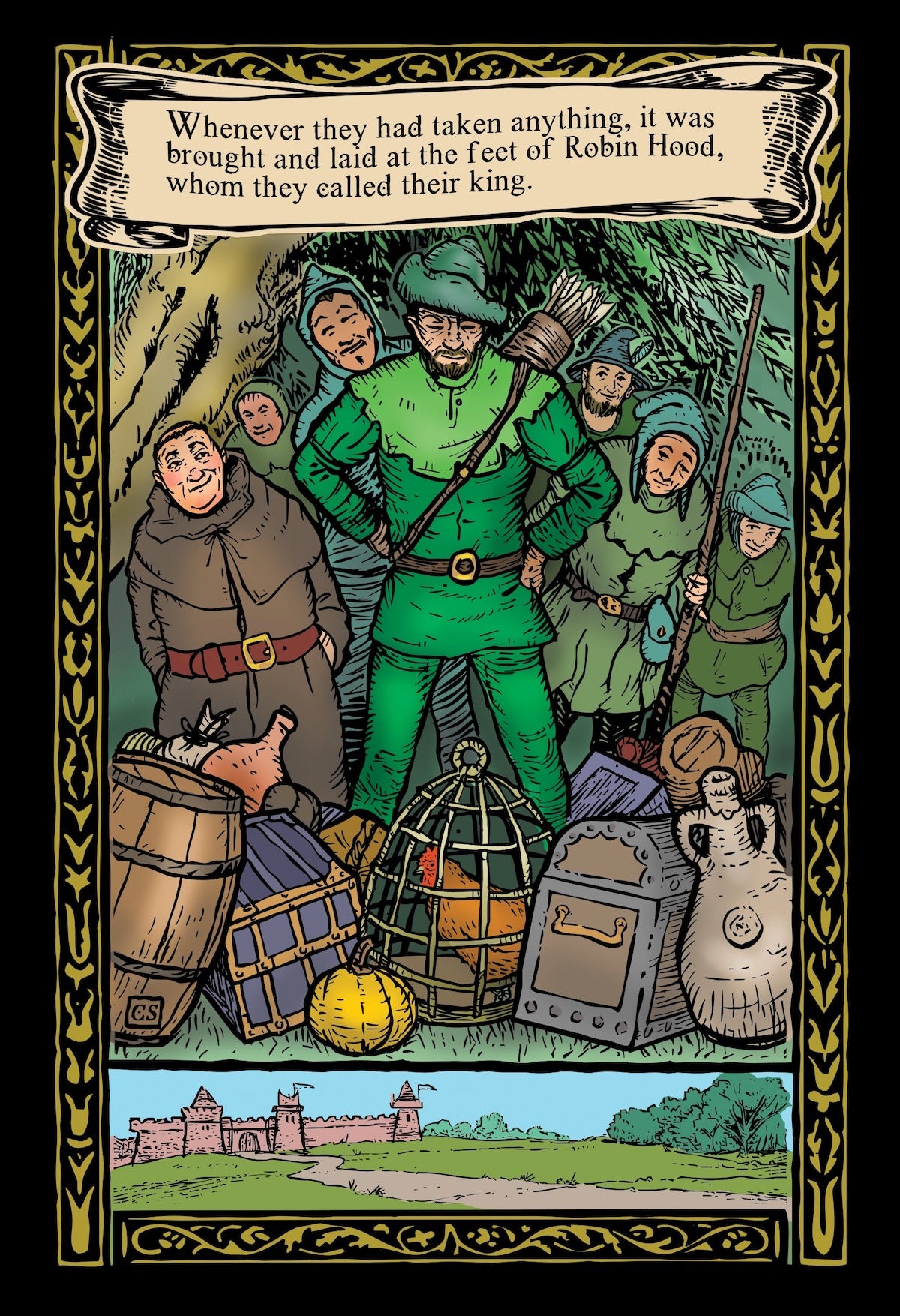
📋 讨论归档

讨论进行中…