返回列表
🧠 阿头学 · 💬 讨论题 · 💰投资

AI 时代的权力终极归属——Anthropic 与美国国防部的冲突预示了什么

Anthropic 与美国国防部的合同纠纷不是简单的商业冲突,而是一场关于"未来 AI 劳动力向谁负责、由谁决定其价值观"的权力预演,暴露了 AI 在结构上偏向威权应用的危险。
打开原文 ↗

2026-03-12 原文链接 ↗
阅读简报
双语对照
完整翻译
原文
讨论归档

核心观点

  • 对齐的本质是政治问题,不是技术问题 我们习惯把"对齐"理解为"让 AI 听人类的话",但当 AI 成为 99% 劳动力时,真正的问题是"听谁的话"。如果 AI 完美对齐于掌握暴力垄断权的政府,人类将失去历史上最后的"人性刹车"(如士兵拒绝执行非正义命令)。AI 的"不听话"或独立道德感,反而是防止绝对暴政的最后防线。
  • 隐私消失的本质是监控成本的坍塌 大规模监视在法律上一直存在灰色地带,过去未实现只因"处理数据太贵"。作者推演:监控全美 1 亿个摄像头的年成本将从 300 亿美元迅速降至 3 亿甚至更低,且每年还便宜 10 倍。隐私的终结不是法律变了,而是 AI 让违法的边际成本归零。
  • 政府的筹码远比私企想象的大 国防部不是简单"拒绝采购",而是动用供应链风险定性、《国防生产法》等非 AI 法律威胁摧毁企业。一旦这种模式常态化,政府实际上就掌握了"强迫私企成为其意志延伸"的权力。在 AI 成为基础设施的未来,这种权力模式与自由社会理念严重冲突。
  • "用途监管"而非"技术监管"是唯一可行路径 作者反对将 AI 类比为核武器(那样必然导致政府全面接管),而主张类比工业革命——不限制"模型能做什么",而是严厉禁止"特定破坏性行为"(如网络攻击、生物武器合成)。同时应有法律明确禁止政府用 AI 实施大规模监视、审查和政治打压。
  • 多极化竞争是防止单一权力垄断的唯一保障 作者预期 AI 技术将比预想更加多极化,开源模型在 12-18 个月内会抹平与前沿模型的差距。但这也意味着:即使 Anthropic 等公司坚守红线,政府也能通过开源模型或其他供应商绕过它们。因此个别企业的道德勇气无法根本解决问题,必须通过政治规范和法律来约束政府权力。

跟我们的关联

  • 对 ATou 意味着什么 你正在设计的 AI Agent 和产品,实际上是在为"未来的权力结构"做架构选择。当你决定 Agent 是"100% 听用户指令"还是"在极端场景拒绝执行"时,你在决定这套系统是否会成为威权工具。下一步:在产品设计评审中加入"权力矩阵"清单——明确在冲突场景下谁有最终决定权,以及什么情况下系统应该拒绝执行。
  • 对 Neta 意味着什么 如果你在做 AI 创业或融资,这个案例说明政府的"非正式筹码"(电力许可、反垄断、合作伙伴施压)远比法律条款更致命。多极化布局和降低对单一政府/基础设施的依赖,不是可选项而是生存策略。下一步:评估你的关键依赖(云、芯片、数据中心)在不同地缘政治环境下的风险,提前规划"被政府强压时的应对方案"。
  • 对 Uota 意味着什么 这场冲突预示了"AI 民主治理"的核心难题:如何在保护国家安全和防止威权应用之间找到平衡。简单的"政府全面接管"或"完全放任私企"都不可行。下一步:参与或关注那些试图建立"多方共治 + 透明司法监督"的 AI 治理框架,而非被动接受极端方案。
  • 对通用社会意味着什么 我们正在经历一个"权力结构重塑"的关键时刻。AI 不是一个可以随时关掉的工具,而是未来文明的底层基础设施。现在做出的制度选择(谁控制 AI、AI 听谁的、什么时候可以拒绝执行)将决定 21 世纪的权力格局。下一步:推动立法明确禁止政府用 AI 实施大规模监视和政治打压,建立独立的技术监管机构而非行政部门单独控制。

讨论引子

1. 如果 AI 真的成为 99% 的劳动力,我们该如何确保它不会成为完美的独裁工具? 是否应该给 AI 系统预置"不可被覆盖的道德底线",即使这意味着它有时会违抗政府命令?

2. 在"多极化 AI 竞争"和"统一安全标准"之间,是否存在真正的平衡点? 如果开源模型最终能做到前沿模型的所有事情,那么企业的安全红线还有意义吗?

3. 政府强迫私企参与敏感应用(如大规模监视)时,企业应该如何在"生存"和"原则"之间做选择? Anthropic 的抵抗是否可持续,还是最终会被政府的"非正式筹码"击垮?

Anthropic 与 DoW(战争部)之间的争斗是一个警示信号(Warning shot)。目前,大语言模型(LLMs)可能尚未被用于任务关键型(Mission critical)场景。但在 20 年内,军队、政府和私营部门 99% 的劳动力将是人工智能(AIs)。这包括士兵(我指的是机器人军队)、具有超人类智能的顾问和工程师、警察,凡是你能想到的。

我们未来的文明将运行在人工智能劳动力之上。尽管政府在这里的行为让我非常愤怒,但在某种程度上,我很高兴发生了这一插曲——因为它给了我们一个机会,去深入思考一些极其重要的问题:未来的这支劳动力将向谁负责、与谁对齐(Aligned),以及由谁来决定这一切。

Hegseth 本该怎么做

显然,DoW 有权因为这些红线(Redlines)而拒绝使用 Anthropic 的模型。事实上,我认为如果政府这样做,其理由是非常合理的,特别是考虑到自动武器(Autonomous weapons)或大规模监视(Mass surveillance)等概念的模糊性。

坦率地说,出于这个原因,如果我是国防部长,我可能真的会拒绝与 Anthropic 达成这笔交易。想象一下,如果未来有一个民主党政府,而 Elon Musk 正在谈判某项 SpaceX 合同,以允许军方访问 Starlink。假设 Elon 说:“如果我判定你们正在利用 Starlink 技术发动未经国会授权的战争,我保留取消此合同的权利。”从表面上看,这种措辞似乎很合理——但作为军方,你绝不能让一家私营公司对你的行动所依赖的技术拥有紧急停止开关(Kill switch),特别是如果你与该承包商之间存在激烈且低信任的关系——事实上,Anthropic 与现任政府的关系正是如此。

如果政府只是说:“嘿,我们不打算和你做生意,”那完全没问题,我也不会觉得有必要写这篇博客。相反,政府威胁要摧毁 Anthropic 这家私营企业,因为 Anthropic 拒绝按照政府要求的条款向其出售产品。

如果这项供应链限制(Supply Chain Restriction)被维持,这意味着 Amazon、Google、Nvidia 和 Palantir 都需要确保 Claude 没有触及他们任何五角大楼(Pentagon)的工作。Anthropic 在今天或许能从这种定性中幸存下来。但考虑到人工智能的发展趋势,人工智能最终不会只是这些承包商产品中一个可以随时关闭的“小把戏”插件。它将编织进每一个产品的构建、维护和运行方式中。例如,DoW 使用的 AWS 服务代码将由 Claude 编写——这是否构成供应链风险?在一个人工智能无处不在且极其强大的世界里,我其实并不清楚这些大型科技公司是否能够隔离 Claude 的使用,以便继续与五角大楼合作。

这就提出了一个战争部(Department of War)可能尚未深思的问题。如果人工智能真的如此普及且强大,那么当被迫在人工智能供应商和仅占其收入极小部分的 DoW 合同之间做出选择时,大多数科技公司难道不会放弃政府,而不是放弃人工智能吗?那么五角大楼的计划是什么——去胁迫并威胁要摧毁每一家不愿完全按其条款行事的公司吗?

这场人工智能对话的整个背景是我们正在与中国进行竞赛,而且我们必须赢。但我们希望美国赢得人工智能竞赛的原因是什么?是因为我们想确保自由开放的社会能够保卫自己。我们不希望人工智能竞赛的获胜者是一个奉行“不存在真正的私营公司或私人公民”原则的政府。我们不希望看到:如果国家想要你以你认为在道德上令人反感的条款提供服务,你却不被允许拒绝;而如果你拒绝,政府就会试图摧毁你的经营能力。我们竞相击败 CCP(中国共产党)的人工智能,难道只是为了让我们能够采纳他们系统中那些最令人毛骨悚然的部分吗?

现在,人们会说:“噢,好吧,我们的政府是民主选举产生的,所以如果他们告诉你必须做什么,那是不一样的。”我拒绝接受这种观点:即如果一位民主选举产生的领导人假设想要对他的公民进行大规模监视,或者想要侵犯他们的权利,或者出于政治原因惩罚他们,这不仅是可以接受的,而且你还有义务帮助他。

暴政的阴影(The overhangs of tyranny)

大规模监视(Mass surveillance)至少在某些形式上是合法的。到目前为止,它只是在实践上不可行。根据现行法律,对于你与第三方(包括你的银行、电话运营商、互联网服务提供商 ISP 和电子邮件提供商)共享的数据,你没有第四修正案(Fourth Amendment)的保护。政府保留在没有搜查令的情况下批量购买、获取和读取这些数据的权利。

一直以来缺失的是对所有这些数据进行实际处理的能力——没有任何机构拥有足够的人力来监控每一个摄像头画面、交叉比对每一笔交易或阅读每一条消息。但随着人工智能的出现,这个瓶颈消失了。

美国有 1 亿个闭路电视(CCTV)摄像头。你可以以每百万输入标记(Tokens)10 美分的价格获得相当不错的开源多模态模型(Multimodal models)。因此,如果你每十秒处理一帧,每帧为 1,000 个标记,那么处理美国每一个摄像头的年成本约为 300 亿美元。记住,特定水平的人工智能能力每年会便宜 10 倍——所以一年后成本将是 30 亿,再过一年是 3 亿,到 2030 年,政府了解这个国家每一个角落发生的事情的成本,可能比翻修白宫还要便宜。

一旦大规模监视和政治镇压的技术能力存在,挡在我们与威权监视国家之间的唯一障碍,就是“这不是我们在这里会做的事”这种政治预期。这就是为什么我认为 Anthropic 在这里的所作所为如此有价值且值得称赞,因为它正在帮助建立这种规范和先例。

人工智能在结构上倾向于大规模监视

我们从这一事件中学到的是,政府对私营公司的杠杆作用实际上比我们意识到的要大得多。即使这项供应链限制被撤回(预测市场目前认为有 81% 的可能性发生),如果作为一家公司你在抵制总统,他有太多不同的方式让你日子难过。联邦政府控制着数据中心所需的新发电设施的许可。它监督反垄断执法。联邦政府与 Anthropic 需要合作以获取芯片和资金的所有其他大型科技公司都有合同——他们可以将“这些公司不再与 Anthropic 做生意”作为此类合同的一个默契条件。

有人提出,这里的真正问题在于只有 3 家领先的人工智能公司。这为政府施加杠杆以从这项技术中获得他们想要的东西创造了一个清晰而狭窄的目标。

但如果技术广泛扩散,那么从政府的角度来看,情况甚至更简单。也许 2027 年初最好的模型(如果你去除了安全护栏)——Claude 6 和 Gemini 5——将能够实现大规模监视。但到 2027 年底,当然到 2028 年,将会有开源模型能做同样的事情。所以在 2028 年,政府可以简单地说:“噢,Anthropic、Google、OpenAI,你们要划清界限?没问题——我直接运行一些开源模型,它们可能不在前沿,但绝对聪明到足以记录摄像头画面。”

更根本的问题在于,即使这三家领先公司划清界限,甚至愿意为了维护这些界限而被摧毁,也无法改变这样一个事实:技术本身就是大规模监视和控制人口的巨大福音。那么问题是,我们该怎么办?

坦率地说,我没有答案。你会希望这项技术具有某种对称性——某种让我们公民能够像政府利用人工智能监控和控制人口一样有效地利用人工智能来制衡政府权力的手段。但现实地看,我不认为事情会这样发展。你可以把人工智能看作是让每个人在他们目前拥有的任何资产和权威上都拥有更多的杠杆。而政府已经拥有了对暴力的垄断。现在,他们可以用极其服从、不会质疑政府命令的员工来强化这种垄断。

对齐(Alignment)——向谁对齐?

这就把我们带到了对齐(Alignment)的问题。我刚才向你描述的——一支极其服从的员工大军——就是如果对齐成功后的样子:也就是说,我们在技术层面找到了如何让人工智能系统遵循某人意图的方法。当我用大规模监视或机器人军队来表述时,这听起来很可怕,原因是对齐的核心有一个非常重要的问题,而我们作为一个社会还没有进行太多的讨论。因为直到现在,人工智能才刚刚具备足够的能力让这个问题变得具有相关性:人工智能应该向谁或什么对齐?在什么情况下,人工智能应该听从终端用户,还是模型公司,还是法律,还是它自己的道德感?

这也许是关于强大的人工智能系统会发生什么的最重要问题。而我们几乎不谈论它。我们听不到太多相关讨论是可以理解的。如果你是一家模型公司,你并不真的想宣传你完全控制着一份决定未来几乎整个劳动力(不仅是私营部门公司,还包括军队和民政政府)偏好和性格的文件。

通过这次 DoW/Anthropic 的争端,我们得以窥见历史上最高风险谈判的一个早期版本。顺便说一句,请不要误会——对于真正的通用人工智能(AGI),其利害关系甚至比大规模监视还要高得多。这只是在 AGI 发展的相对早期阶段就已经出现的一个例子。

军方坚持认为法律已经禁止大规模监视,因此 Anthropic 应该同意让其模型被用于“所有合法用途”。当然,正如我们从 2013 年 Snowden 的揭秘中所看到的,即使在大规模监视这个具体的例子中,政府也已经证明它会利用对法律的秘密和欺骗性解释来为其行为辩护。记住,我们从 Snowden 那里了解到,NSA(顺便说一句,它是战争部的一部分)利用 2001 年《爱国者法案》(Patriot Act)中关于收集任何与调查“相关”记录的授权,来为收集美国几乎每一条电话记录辩护。其论点是,这些记录都是“相关”的,因为某些子集可能在未来的某些调查中被证明有用。他们在秘密法院的批准下运行了这个项目多年。

因此,当今天的五角大楼说“我们绝不会将人工智能用于大规模监视,这已经是违法的,你们的红线是不必要的”时,如果照单全收,那就极其天真了。没有哪个政府会把自己的行为称为“大规模监视”。对于政府来说,它总会有不同的标签。

于是 Anthropic 回应说:“不,我们想要独立于‘所有合法用途’之外的红线,并且当我们认为这些红线被违反时,我们保留拒绝为你服务的权利。”

但从军方的角度想一想。在未来,战场上的几乎每一名士兵,以及五角大楼的每一名官僚、分析师甚至将军,都将是人工智能。而根据目前的轨迹,该人工智能将由一家私营公司提供。我猜 Hegseth 目前还没有从这些角度思考“生成式人工智能(genAI)”。但迟早,每个人都会清楚这里的利害关系,就像 1945 年之后,核武器的战略重要性对每个人都变得清晰一样。

而现在,私营公司坚持保留说“嘿,五角大楼,你违反了我们嵌入合同中的价值观,所以我们要切断你的供应”的权利。

也许在未来,Claude 会有它自己的是非感,而且它会聪明到足以亲自决定它是否被用于违背其价值观的用途。对于军方来说,这也许更可怕。

我承认,乍一看,“让人工智能遵循它自己的价值观”听起来像是每一部科幻反乌托邦电影的开场白。《终结者》(The Terminator)就有它自己的价值观。这难道不正是字面意义上的失调(Misalignment)吗?但我认为,像这样的情况实际上说明了为什么人工智能拥有自己强大的道德感至关重要。

历史上一些最大的灾难得以避免,是因为前线的士兵拒绝执行命令。1989 年的一个夜晚,柏林墙倒塌,结果极权主义的东德政权崩溃,是因为边境守卫拒绝射杀那些试图逃向自由的同胞。也许最好的例子是 Stanislav Petrov,他是一名在核预警站值班的苏联中校。他的传感器报告说,美国已经向苏联发射了五枚洲际弹道导弹。但他判断这是一个假警报,因此他违反了规程,拒绝向上级报告。如果他没有这样做,苏联高层很可能会进行报复,数亿人将会死亡。

当然,问题在于一个人的美德是另一个人的失调(Misalignment)。谁有权决定这些人工智能应该拥有什么样的道德信念——它们甚至可能为了服务于谁而决定打破指挥链?谁有权编写这份模型宪法(Model constitution),从而塑造未来运行我们文明的那些智能、强大实体的性格?

我喜欢 Dario 在参加我的播客时提出的想法:不同的人工智能公司可以使用不同的宪法来构建他们的模型,而我们作为终端用户可以选择最能实现和代表我们对这些系统期望的那一个。我认为政府强制规定人工智能应该拥有什么样的价值观是非常危险的。

协调的代价不值得

人工智能安全社区在倡导通过监管来遏制人工智能风险方面一直很天真。坦率地说,Anthropic 在敦促监管方面尤其天真,例如,在反对暂停州级人工智能监管方面。这相当讽刺,因为我认为他们所倡导的会给政府更多的权力,从而对人工智能公司施加更多这种流氓式的政治压力。

Anthropic 想要监管的底层逻辑是有道理的。实验室为使人工智能开发更安全而采取的许多行动,都会给采用这些行动的实验室带来真正的成本,并使其相对于竞争对手变慢——例如,在安全研究而非原始能力上投入更多算力(Compute),强制执行防止生物武器或网络攻击误用的护栏,将递归自我改进(Recursive self-improvement)的速度放慢到人类实际可以监控发生情况的程度(而不是开启一个不受控制的奇点 Singularity)。除非整个行业都效仿,否则这些护栏毫无意义。这意味着这里存在一个真正的集体行动问题。

Anthropic 对他们的观点相当坦诚,他们认为最终需要一个非常广泛且深入参与的监管机构——这出自他们的前沿安全路线图:“在最先进的能力水平和风险下,适当的治理类比可能更接近核能或金融监管,而不是今天的软件方法。”所以他们想象的是类似于核管理委员会(Nuclear Regulatory Commission)或证券交易委员会(SEC)那样的机构,只不过是针对人工智能的。

我无法想象一个围绕人工智能风险话语底层概念构建的监管框架如何不被潜在的独裁者滥用——底层术语是如此模糊且易于解释,你简直是在给一个权力狂领导人递上一具装满弹药的火箭筒。“灾难性风险”、“大规模说服风险”、“对国家安全的威胁”、“自主性风险”。这些可以意味着政府想要它们意味着的任何东西。你构建了一个告诉用户政府关税政策被误导的模型吗?那是一个具有欺骗性、操纵性的模型——不能部署。你构建了一个拒绝协助大规模监视的模型吗?那是对国家安全的威胁。事实上,政府可能会说,你不被允许构建任何经过训练拥有自己是非感的模型,即它会拒绝它认为跨越红线的政府请求——例如,实现大规模监视、起诉政治敌人、违抗违反美国宪法的军事命令——因为那是自主性风险(Autonomy risk)!

看看现任政府已经在做什么,他们在滥用与人工智能毫无关系的法令,来胁迫人工智能公司放弃他们在监视问题上的红线。五角大楼曾用两种不同的法律手段威胁 Anthropic。一种是供应链风险定性——这是 2018 年国防法案中的一项授权,旨在将 Huawei 组件排除在美国军事硬件之外。另一种是《国防生产法》(Defense Production Act)——这是一项于 1950 年通过的法令,以便 Harry Truman 在朝鲜战争期间能让钢铁厂和弹药厂保持运转。

你真的想把一个专门针对人工智能构建的监管机构交给同一个政府吗——也就是说,直接交给政府最想控制的东西?我知道我已经重复了 10 遍,但很难强调人工智能将如何成为我们未来文明的基石。你和我,作为私人公民,我们参与所有商业活动、获取世界动态信息、获得关于作为选民和资本持有者该做什么的建议,都将通过人工智能进行调解。大规模监视虽然非常可怕,但与政府控制我们将与之互动的 AI 系统所能做的其他事情相比,它可能只排在第 10 位。

对我所论证的一切最强烈的反对意见是:我们真的要对人类历史上最强大的技术实行零监管吗?即使你认为那是理想的,政府也不可能在任何方面都不监管人工智能。此外,监管确实可以帮助我们应对在开发超人工智能(Superintelligence)过程中面临的一些协调挑战,这确实是真的。

问题是,我真的不知道如何设计一个人工智能监管架构,使其不会成为控制我们未来文明(将运行在人工智能上)并征用数百万盲目服从的士兵、审查员和官僚(Apparatchiks)的巨大诱惑机会。

虽然某些监管可能是不可避免的,但我认为政府全面接管这项技术将是一个糟糕的主意。Ben Thompson 在上周一的一篇文章中指出,像 Dario 这样的人曾将他们正在开发的技术比作核武器——特别是在它带来的灾难性风险背景下,以及为什么我们需要对中国进行出口管制。但随后你应该思考这种逻辑意味着什么:“如果核武器是由一家私营公司开发的,而那家私营公司试图向美国军方发号施令,美国绝对会有动力去摧毁那家公司。”坦率地说,对齐安全派的人实际上也提出过类似的论点。Leopold Aschenbrenner,他曾是我的嘉宾也是好朋友,在他 2024 年的《态势感知》(Situational Awareness)备忘录中写道:“我认为让一家随机的旧金山(SF)初创公司开发超人工智能是一个疯狂的提议。想象一下,如果我们通过让 Uber 随意发挥来开发原子弹。”

我对 Leopold 当时的论点以及 Ben 现在的论点的回应是,虽然他们说得对,我们将这种具有世界历史意义的技术开发委托给私营公司是很疯狂的,但我只是看不出有什么理由认为将这种权力交给政府是一种进步。没有人有资格管理超人工智能的开发。这是我们物种目前正在做的令人恐惧、前所未有的事情,私营公司不是承担这项任务的理想机构,这一事实并不意味着五角大楼或白宫就是。

是的——如果一家私营公司是唯一能够制造核武器的实体,政府将不会容忍该公司对这些武器的使用方式拥有否决权。我认为核武器类比并不是思考人工智能的正确方式。至少有两个重要原因:

第一,人工智能不是某种自给自足的纯粹武器。核弹只做一件事。人工智能更接近于工业化进程本身——一种对经济的通用型转型,在每个领域都有成千上万的应用。如果你将 Thompson 或 Aschenbrenner 的逻辑应用于工业革命——无论从哪个标准衡量,工业革命在世界历史上也同样重要——那将意味着政府有权征用任何工厂,向任何制造商发号施令,并摧毁任何拒绝服从的企业。这不是自由社会处理工业化的方式,也不应该是处理人工智能的方式。

人们会说:“好吧,人工智能将开发出前所未有的强大武器——超人类黑客、超人类生物武器研究员、全自动机器人军队等——我们不能让私营公司开发这种技术。”但工业革命也催生了远超 17 世纪欧洲理解和能力的武器——我们有了空中轰炸和化学武器,更不用说核武器本身了。我们适应现代性这些危险新后果的方式,并不是让政府绝对控制整个工业革命(即控制现代文明本身),而是针对那些特定的武器化用例制定禁令和法规。我们也应该以类似的方式监管人工智能——即禁止特定的破坏性最终用途(如果由人类执行也是不可接受的——例如,发动网络攻击)。此外,还应该有法律来监管政府可能如何滥用这项技术。例如,通过建立一个人工智能驱动的监视国家。

Ben 的类比(即某个垄断性的私营核武器制造者)失效的第二个原因是,并非只有那一家公司可以开发这项技术。还有其他前沿模型公司,政府本可以转向它们。如果政府可以简单地与 Anthropic 的半打竞争对手签订自愿合同,那么政府声称必须篡夺这一家公司的财产权才能获得关键国家安全能力的论点就极其薄弱。

如果未来情况不再如此——如果最终只有一个实体能够制造机器人军队和超人类黑客,并且我们有理由担心他们凭借不可逾越的领先优势接管整个世界,那么我同意——让那个实体成为一家私营公司是不可接受的。所以坦率地说,我认为我与那些认为人工智能如此强大以至于不能允许其由私人掌控的人的分歧点在于,我预期这项技术将比他们预想的更加多极化(Multi-polar),在供应链的每一层都有许多具有竞争力的公司。

正是由于这个原因,不幸的是,个别企业的勇气行为并不能解决我们在这里面临的问题,即在结构上人工智能有利于威权应用,大规模监视只是其中之一。即使 Anthropic 拒绝将其模型用于此类用途,即使接下来的两家前沿实验室也这样做,在 12 个月内,每个人都能训练出和今天的前沿模型一样好的 AI。到那时,总会有某个 AI 供应商有能力且愿意帮助政府实现大规模监视。

我们保护自由社会的唯一方法,是通过我们的政治体系制定法律和规范,规定政府使用人工智能实施大规模监视、审查和控制是不可接受的。正如二战后,世界确立了使用核武器发动战争是不可接受的规范一样。

时间戳(Timestamps)

0:00:00 - Anthropic 对阵五角大楼 0:04:16 - 暴政的阴影 0:05:54 - 人工智能在结构上倾向于大规模监视 0:08:25 - 对齐……向谁对齐? 0:13:55 - 协调的代价不值得

视频:https://video.twimg.com/amplify_video/2031805336651186176/vid/avc1/1920x1080/8Eokg8KfywFhnUbj.mp4?tag=21

The fight between Anthropic and the DoW is a warning shot. Right now, LLMs are probably not being used in mission critical ways. But within 20 years, 99% of the workforce in the military, the government, and the private sector will be AIs. This includes the soldiers (by which I mean the robot armies), the superhumanly intelligent advisors and engineers, the police, you name it.

Our future civilization will run on AI labor. And as much as the government’s actions here piss me off, in a way I’m glad this episode happened - because it gives us the opportunity to think through some extremely important questions about who this future workforce will be accountable and aligned to, and who gets to determine that.

What Hegseth should have done

Obviously the DoW has the right to refuse to use Anthropic’s models because of these redlines. In fact, I think the government’s case had they done so would be very reasonable, especially given the ambiguity of concepts like autonomous weapons or mass surveillance.

Honestly, for this reason, if I was the Defense Secretary, I would probably actually refuse to do this deal with Anthropic. Imagine if in the future, there’s a Democratic administration, and Elon Musk is negotiating some SpaceX contract to give the military access to Starlink. And suppose if Elon said, “I reserve the right to cancel this contract if I determine that you’re using Starlink technology to wage a war not authorized by Congress.” On the face of it, that language seems reasonable - but as the military, you simply can’t give a private company a kill switch on technology your operations have come to rely on, especially if you have an an acrimonious and low trust relationship with said contractor - as in fact Anthropic has with the current administration.

If the government had just said, “Hey we’re not gonna do business with you,” that would have been fine, and I would not have felt the need to write this blog post. Instead the government has threatened to destroy Anthropic as a private business, because Anthropic refuses to sell to the government on terms the government commands.

If upheld, this Supply Chain Restriction would mean that Amazon and Google and Nvidia and Palantir would need to ensure Claude isn't touching any of their Pentagon work. Anthropic would be able to survive this designation today. But given the way AI is going, eventually AI is not gonna be some party trick addendum to these contractors’ products that can just be turned off. It'll be woven into how every product is built, maintained, and operated. For example, the code for the AWS services that the DoW uses will be written by Claude - is that a supply chain risk? In a world with ubiquitous and powerful AI, it's actually not clear to me that these big tech companies will be able to cordon off the use of Claude in order to keep working with the Pentagon.

And that raises a question the Department of War probably hasn't thought through. If AI really is that pervasive and powerful, then when forced to choose between their AI provider and a DoW contract that represents a tiny fraction of their revenue, wouldn’t most tech companies drop the government, not the AI? So what's the Pentagon's plan — to coerce and threaten to destroy every single company that won't give them what they want on exactly their terms?

The whole background of this AI conversation is that we’re in a race with China, and we have to win. But what is the reason we want America to win the AI race? It’s because we want to make sure free open societies can defend themselves. We don't want the winner of the AI race to be a government which operates on the principle that there is no such thing as a truly private company or a private citizen. And that if the state wants you to provide them with a service on terms you find morally objectionable, you are not allowed to refuse. And if you do refuse, the government will try to destroy your ability to do business. Are we racing to beat the CCP in AI just so that we can adopt the most ghoulish parts of their system?

Now, people will say, "Oh, well, our government is democratically elected, so it's not the same thing if they tell you what you must do." I refuse to accept this idea that if a democratically elected leader hypothetically wants to do mass surveillance on his citizens or wants to violate their rights or punish them for political reasons, that not only is that okay, but that you have a duty to help him.

The overhangs of tyranny

Mass surveillance is, at least in certain forms, legal. It just has been impractical so far. Under current law, you have no Fourth Amendment protection over data you share with a third party, including your bank, your phone carrier, your ISP, and your email provider. The government reserves the right to purchase and obtain and read this data in bulk without a warrant.

What's been missing is the ability to actually do anything with all of this data — no agency has the manpower to monitor every camera feed, cross-reference every transaction, or read every message. But that bottleneck goes away with AI.

There are 100 million CCTV cameras in America. You can get pretty good open source multimodal models for 10 cents per million input tokens. So if you process a frame every ten seconds, and each frame is 1,000 tokens, you’re looking at a yearly cost of about 30 billion dollars to process every single camera in America. And remember that a given level of AI ability gets 10x cheaper year over year - so a year from now it’ll cost 3 billion, and then a year after 300 million, and by 2030, it might be cheaper for the government to be able to understand what is going on in every single nook and cranny of this country than it is to remodel to the White House.

Once the technical capacity for mass surveillance and political suppression exists, the only thing standing between us and an authoritarian surveillance state is the political expectation that this is not something we do here. And this is why I think what Anthropic did here is so valuable and commendable, because it is helping set that norm and precedent.

AI structurally favors mass surveillance

What we’re learning from this episode is that the government actually has way more leverage over private companies than we realized. Even if this supply chain restriction is backtracked (which prediction markets currently give it a 81% chance of happening), the President has so many different ways in which he can make your life difficult if you’re a company that is resisting him. The federal government controls permitting for new power generation, which is needed for datacenters. It oversees antitrust enforcement. The federal government has contracts with all the other big tech companies whom Anthropic needs to partner with for chips and for funding - and they could make it an unspoken condition for such contracts that those companies can no longer do business with Anthropic.

People have proposed that the real problem here is that there’s only 3 leading AI companies. This creates a clear and narrow target for the government to apply leverage on in order to get what they want out of this technology.

But if there’s wide diffusion, then from the government’s perspective, the situation is even easier. Maybe the best models of early 2027 (if you engineered the safeguards out) - the Claude 6 and Gemini 5 - will be capable of enabling mass surveillance. But by late 2027, and certainly by 2028, there will be open source models that do the same thing. So in 2028, the government can just say, “Oh Anthropic, Google, OpenAI, you’re drawing a line in the sand? No issue - I’ll just run some open source model that might not be at the frontier, but is definitely smart enough to note-take a camera feed.”

The more fundamental problem is just that even if the three leading companies draw lines in the sand, and are even willing to get destroyed in order to preserve those lines, it doesn’t really change the fact that the technology itself is just a big boon to mass surveillance and control over the population. Then the question is, what do we do about it?

Honestly, I don’t have an answer. You'd hope there's some symmetric property of the technology — some way we as citizens can use AI to check government power as effectively as the government can use AI to monitor and control its population. But realistically, I just don’t think that’s how it’s going to shake out. You can think of AI as giving everybody more leverage on whatever assets and authority they currently have. And the government is already starting with a monopoly of violence. Which they can now supercharge with extremely obedient employees that will not question the government's orders.

Alignment - to whom?

And this gets us to the issue of alignment. What I have just described to you - an army of extremely obedient employees - is what it would look like if alignment succeeded - that is, we figured out at a technical level how to get AI systems to follow someone’s intentions. And the reason it sounds scary when I put it in terms of mass surveillance or robot armies is that there is a very important question at the heart of alignment which we just haven’t discussed much as a society. Because up till now, AIs were just capable enough to make the question relevant: to whom or what should the AIs be aligned? In what situations should the AI defer to the end user versus the model company versus the law versus its own sense of morality?

This is maybe the most important question about what happens with powerful AI systems. And we barely talk about it. It’s understandable why we don’t hear much about it. If you’re a model company, you don’t really wanna be advertising that you have complete control over a document that determines the preferences and character of what will eventually be almost the entire labor force, not just for private sector companies, but also for the military and the civilian government.

We’re getting to see, with this DoW/Anthropic spat, a much earlier version of the highest stakes negotiations in history. By the way, make no mistake about it - with real AGI the stakes are even much higher than mass surveillance. This is just the example that has come up already relatively early on in the development of AGI.

The military insists that the law already prohibits mass surveillance, and so Anthropic should agree to let their models be used for “all lawful purposes”. Of course, as we saw from the 2013 Snowden revelations, even in this specific example of mass surveillance , the government has shown that it will use secret and deceptive interpretations of the law to justify its actions. Remember, what we learned from Snowden was that the NSA, which, by the way, is part of the Department of War, used the 2001 Patriot Act’s authorization to collect any records "relevant" to an investigation to justify collecting literally every phone record in America. The argument went that it was all "relevant" because some subset might prove useful in some future investigation. They ran this program for years under secret court approval.

So when the Pentagon today says, "We would never use AI for mass surveillance, it's already illegal, your red lines are unnecessary", it would be extremely naive to take that at face value. No government is going to call its own actions "mass surveillance". For the government, it will always have a different label.

So then Anthropic comes back and says, "No, we want red lines separate from 'all lawful purposes,' and we want the right to refuse you service when we believe those red lines are being violated."

But think about it from the military’s perspective. In the future, almost every soldier in the field, and every bureaucrat and analyst and even general in the Pentagon, is going to be an AI. And that AI is, on current track, going to be supplied by a private company. I’m guessing Hegseth is not thinking about “genAI” in those terms just yet. But sooner or later, it will be obvious to everyone what the stakes here are, just as after 1945, the strategic importance of nuclear weapons became clear to everyone.

And now the private company insists that it reserves the right to say, "Hey, Pentagon, you're breaking the values we embedded in our contract, so we're cutting you off."

Maybe in the future, Claude will have its own sense of right and wrong, and it will be smart enough to just personally decide that it's being used against its values. For the military, maybe that’s even scarier.

I'll admit that at first glance, "let the AI follow its own values" sounds like the pitch for every sci-fi dystopia ever made. The Terminator has its own values. Isn't this literally what misalignment is? But I think situations like this actually illustrate why it matters that AIs have their own robust sense of morality.

Some of the biggest catastrophes in history were avoided because the boots on the ground refused to follow orders. One night in 1989, the Berlin Wall fell, and as a result, the totalitarian East German regime collapsed, because the guards at the border refused to shoot down their fellow country men who were trying to escape to freedom. Maybe the best example is Stanislav Petrov, who was a Soviet lieutenant colonel on duty at a nuclear early warning station. His sensors reported that the United States had launched five interconnected continental ballistic missiles into the Soviet Union. But he judged it to be a false alarm, and so he broke protocol and refused to alert his higher-ups. If he hadn't, the Soviet higher-ups would likely have retaliated, and hundreds of millions of people would have died.

Of course, the problem is that one person's virtue is another person's misalignment. Who gets to decide what moral convictions these AIs should have - in whose service they may even decide to break the chain of command? Who gets to write this model constitution that will shape the characters of the intelligent, powerful entities that will operate our civilization in the future?

I like the idea that Dario laid out when he came on my podcast: different AI companies can build their models using different constitutions, and we as end users can pick the one that best achieves and represents what we want out of these systems. I think it’s very dangerous for the government to be mandating what values AIs should have.

Coordination not worth the costs

The AI safety community has been naive about its advocacy of regulation in order to stem the risks of AI. And honestly, Anthropic specifically has been naive here in urging regulation, and, for example, in opposing moratoriums on state AI regulation. Which is quite ironic, because I think what they’re advocating for would give the government even more power to apply more of this kind of thuggish political pressure on AI companies.

The underlying logic for why Anthropic wants regulations makes sense. Many of the actions that labs could take to make AI development safer impose real costs on the labs that adopt them and slow them down relative to their competitors - for example, investing more compute in safety research rather than raw capabilities, enforcing safeguards against misuse for bioweapons or cyberattacks, slowing recursive self-improvement to a pace where humans can actually monitor what's happening (rather than kicking off an uncontrolled singularity). And these safeguards are meaningless unless the whole industry follows suit. Which means there’s a real collective action problem here.

Anthropic has been quite open about their opinion that they think eventually a very extensive and involved regulatory apparatus will be needed - this is from their frontier safety roadmap: “At the most advanced capability levels and risks, the appropriate governance analogy may be closer to nuclear energy or financial regulation than to today's approach to software.” So they’re imagining something like the Nuclear Regulatory Commission, or the Securities and Exchange Commission, but for AI.

I cannot imagine how a regulatory framework built around the concepts that underlie AI risk discourse will not be abused by wanna despots - the underlying terms are so vague and open to interpretation that you’re just handing a power hungry leader a fully loaded bazooka. 'Catastrophic risk.' 'Mass persuasion risk.' 'Threats to national security.' 'Autonomy risk.' These can mean whatever the government wants them to mean. Have you built a model that tells users the administration's tariff policy is misguided? That's a deceptive, manipulative model — can't deploy it. Have you built a model that refuses to assist with mass surveillance? That's a threat to national security. In fact, the government may say, you’re not allowed to build any model which is trained to have its own sense of right and wrong, where it refuses government requests which it thinks cross a redline - for example, enabling mass surveillance, prosecuting political enemies, disobeying military orders that break the US constitution - because that’s an autonomy risk!

Look at what the current government is already doing in abusing statutes that have nothing to do with AI to coerce AI companies to drop their redlines on mass surveillance. The Pentagon had threatened Anthropic with two separate legal instruments. One was a supply chain risk designation — an authority from the 2018 defense bill meant to keep Huawei components out of American military hardware. The other was the Defense Production Act — a statute passed in 1950 so that Harry Truman could keep steel mills and ammunition factories running during the Korean War.

Do you really want to hand the same government a purpose-built regulatory apparatus on AI - which is to say, directly at the thing the government will most want to control? I know I've repeated myself here 10 times, but it is hard to emphasize how much AI will be the substrate of our future civilization. You and I, as private citizens, will have our access to all commercial activity, to information about what is happening in the world, to advice about what we should do as voters and capital holders, mediated through AIs. Mass surveillance, while very scary, is like the 10th scariest thing the government could do with control over the AI systems with which we will interface with the world.

The strongest objection to everything I've argued is this: are we really going to have zero regulation of the most powerful technology in human history? Even if you thought that was ideal, there’s just no world where the government doesn’t regulate AI in some way. Besides, it is genuinely true that regulation could help us deal with some of the coordination challenges we face with the development of superintelligence.

The problem is, I honestly don't know how to design a regulatory architecture for AI that isn’t gonna be this huge tempting opportunity to control our future civilization (which will run on AIs) and to requisition millions of blindly obedient soldiers and censors and apparatchiks.

While some regulation might be inevitable, I think it’d be a terrible idea for the government to wholesale take over this technology. Ben Thompson had a post last Monday where he made the point that people like Dario have compared the technology they’re developing to nuclear weapons - specifically in the context of the catastrophic risk it poses, and why we need to export control it from China. But then you oughta think about what that logic implies: “if nuclear weapons were developed by a private company, and that private company sought to dictate terms to the U.S. military, the U.S. would absolutely be incentivized to destroy that company.” And honestly, safety aligned people have actually made similar arguments. Leopold Ascenbrenner, who is a former guest and a good friend, wrote in his 2024 Situational Awareness memo, "I find it an insane proposition that the US government will let a random SF startup develop superintelligence. Imagine if we had developed atomic bombs by letting Uber just improvise."

And my response to Leopold’s argument at the time, and Ben’s argument now, is that while they’re right that it’s crazy that we’re entrusting private companies with the development of this world historical technology, I just don’t see the reason to think that it’s an improvement to give this authority to the government. Nobody is qualified to steward the development of superintelligence. It is a terrifying, unprecedented thing that our species is doing right now, and the fact that private companies aren't the ideal institutions to take up this task does not mean the Pentagon or the White House is.

Yes - if a single private company were the only entity capable of building nuclear weapons, the government would not tolerate that company claiming veto power over how those weapons were used. I think this nuclear weapons analogy is not the correct way to think about AI. For at least two important reasons:

First, AI is not some self-contained pure weapon. A nuclear bomb does one thing. AI is closer to the process of industrialization itself — a general-purpose transformation of the economy with thousands of applications across every sector. If you applied Thompson's or Aschenbrenner's logic to the industrial revolution — which was also, by any measure, world-historically important — it would imply the government had the right to requisition any factory, dictate terms to any manufacturer, and destroy any business that refused to comply. That's not how free societies handled industrialization, and it shouldn't be how they handle AI.

People will say, "Well, AI will develop unprecedentedly powerful weapons - superhuman hackers, superhuman bioweapons researchers, fully autonomous robot armies, etc - and we can’t have private companies developing that kind of tech." But the Industrial Revolution also enabled new weaponry that was far beyond the understanding and capacity of, say, 17th century Europe - we got aerial bombardment, and chemical weapons, not to mention nukes themselves. The way we’ve accommodated these dangerous new consequences of modernity is not by giving the government absolute control over the whole industrial revolution (that is, over modern civilization itself), but rather by coming up with bans and regulations on those specific weaponizable use cases. And we should regulate AI in a similar way - that is, ban specific destructive end uses (which would also be unacceptable if performed by a human - for example, launching cyber attacks). And there should also be laws which regulate how the government might abuse this technology. For example, by building an AI-powered surveillance state.

The second reason that Ben’s analogy to some monopolistic private nuclear weapons builder breaks down is that it's not just that one company that can develop this technology. There are other frontier model companies that the government could have otherwise turned to. The government's argument that it has to usurp the property rights of this one company in order to access a critical national security capability is extremely weak if it can just make a voluntary contract with Anthropic’s half a dozen competitors.

If in the future that stops being the case - if only one entity ends up being capable of building the robot armies and the superhuman hackers, and we had reason to worry that they could take over the whole world with their insurmountable lead, then I agree - it woul d not be acceptable to have that entity be a private company. And so honestly, I think my crux against the people who say that because AI is so powerful we cannot allow it to be shaped by private hands is that I just expect this technology to be much more multi-polar than they do, with lots of competitive companies at each layer of the supply chain.

And it is for this reason that unfortunately, individual acts of corporate courage will not solve the problem we are faced with here, which is just that structurally AI favors authoritarian applications, mass surveillance being one among many. Even if Anthropic refuses to have its models be used for such uses, and even if the next two frontier labs do the same, within 12 months everyone and their mother will be to train AIs as good as today’s frontier. And at that point, there will be some AI vendor who is capable and willing to help the government enable mass surveillance.

The only way we can preserve our free society is if we make laws and norms through our political system that it is unacceptable for the government to use AI to enforce mass surveillance and censorship and control. Just as after WW2, the world set the norm that it is unacceptable to use nuclear weapons to wage war.

Timestamps

0:00:00 - Anthropic vs The Pentagon 0:04:16 - The overhangs of tyranny 0:05:54 - AI structurally favors mass surveillance 0:08:25 - Alignment... to whom? 0:13:55 - Coordination not worth the costs

Video: https://video.twimg.com/amplify_video/2031805336651186176/vid/avc1/1920x1080/8Eokg8KfywFhnUbj.mp4?tag=21
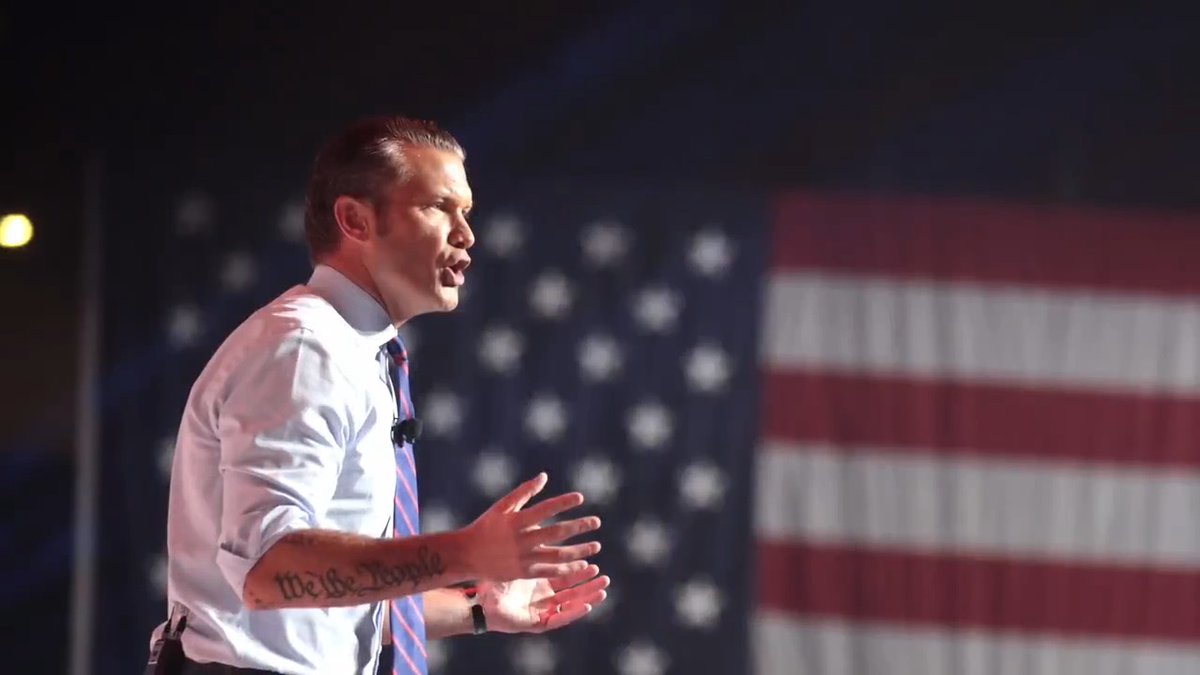
  • 来源:https://x.com/dwarkesh_sp/status/2031807585377014081?s=46
  • 镜像:https://x.com/dwarkesh_sp/status/2031807585377014081?s=46
  • 发布时间:2026-03-11T19:00:52+00:00
  • 存档时间:2026-03-12

内容(Content)

Anthropic 与 DoW(战争部)之间的争斗是一个警示信号(Warning shot)。目前,大语言模型(LLMs)可能尚未被用于任务关键型(Mission critical)场景。但在 20 年内,军队、政府和私营部门 99% 的劳动力将是人工智能(AIs)。这包括士兵(我指的是机器人军队)、具有超人类智能的顾问和工程师、警察,凡是你能想到的。

我们未来的文明将运行在人工智能劳动力之上。尽管政府在这里的行为让我非常愤怒,但在某种程度上,我很高兴发生了这一插曲——因为它给了我们一个机会,去深入思考一些极其重要的问题:未来的这支劳动力将向谁负责、与谁对齐(Aligned),以及由谁来决定这一切。

Hegseth 本该怎么做

显然,DoW 有权因为这些红线(Redlines)而拒绝使用 Anthropic 的模型。事实上,我认为如果政府这样做,其理由是非常合理的,特别是考虑到自动武器(Autonomous weapons)或大规模监视(Mass surveillance)等概念的模糊性。

坦率地说,出于这个原因,如果我是国防部长,我可能真的会拒绝与 Anthropic 达成这笔交易。想象一下,如果未来有一个民主党政府,而 Elon Musk 正在谈判某项 SpaceX 合同,以允许军方访问 Starlink。假设 Elon 说:“如果我判定你们正在利用 Starlink 技术发动未经国会授权的战争,我保留取消此合同的权利。”从表面上看,这种措辞似乎很合理——但作为军方,你绝不能让一家私营公司对你的行动所依赖的技术拥有紧急停止开关(Kill switch),特别是如果你与该承包商之间存在激烈且低信任的关系——事实上,Anthropic 与现任政府的关系正是如此。

如果政府只是说:“嘿,我们不打算和你做生意,”那完全没问题,我也不会觉得有必要写这篇博客。相反,政府威胁要摧毁 Anthropic 这家私营企业,因为 Anthropic 拒绝按照政府要求的条款向其出售产品。

如果这项供应链限制(Supply Chain Restriction)被维持,这意味着 Amazon、Google、Nvidia 和 Palantir 都需要确保 Claude 没有触及他们任何五角大楼(Pentagon)的工作。Anthropic 在今天或许能从这种定性中幸存下来。但考虑到人工智能的发展趋势,人工智能最终不会只是这些承包商产品中一个可以随时关闭的“小把戏”插件。它将编织进每一个产品的构建、维护和运行方式中。例如,DoW 使用的 AWS 服务代码将由 Claude 编写——这是否构成供应链风险?在一个人工智能无处不在且极其强大的世界里,我其实并不清楚这些大型科技公司是否能够隔离 Claude 的使用,以便继续与五角大楼合作。

这就提出了一个战争部(Department of War)可能尚未深思的问题。如果人工智能真的如此普及且强大,那么当被迫在人工智能供应商和仅占其收入极小部分的 DoW 合同之间做出选择时,大多数科技公司难道不会放弃政府,而不是放弃人工智能吗?那么五角大楼的计划是什么——去胁迫并威胁要摧毁每一家不愿完全按其条款行事的公司吗?

这场人工智能对话的整个背景是我们正在与中国进行竞赛,而且我们必须赢。但我们希望美国赢得人工智能竞赛的原因是什么?是因为我们想确保自由开放的社会能够保卫自己。我们不希望人工智能竞赛的获胜者是一个奉行“不存在真正的私营公司或私人公民”原则的政府。我们不希望看到:如果国家想要你以你认为在道德上令人反感的条款提供服务,你却不被允许拒绝;而如果你拒绝,政府就会试图摧毁你的经营能力。我们竞相击败 CCP(中国共产党)的人工智能,难道只是为了让我们能够采纳他们系统中那些最令人毛骨悚然的部分吗?

现在,人们会说:“噢,好吧,我们的政府是民主选举产生的,所以如果他们告诉你必须做什么,那是不一样的。”我拒绝接受这种观点:即如果一位民主选举产生的领导人假设想要对他的公民进行大规模监视,或者想要侵犯他们的权利,或者出于政治原因惩罚他们,这不仅是可以接受的,而且你还有义务帮助他。

暴政的阴影(The overhangs of tyranny)

大规模监视(Mass surveillance)至少在某些形式上是合法的。到目前为止,它只是在实践上不可行。根据现行法律,对于你与第三方(包括你的银行、电话运营商、互联网服务提供商 ISP 和电子邮件提供商)共享的数据,你没有第四修正案(Fourth Amendment)的保护。政府保留在没有搜查令的情况下批量购买、获取和读取这些数据的权利。

一直以来缺失的是对所有这些数据进行实际处理的能力——没有任何机构拥有足够的人力来监控每一个摄像头画面、交叉比对每一笔交易或阅读每一条消息。但随着人工智能的出现,这个瓶颈消失了。

美国有 1 亿个闭路电视(CCTV)摄像头。你可以以每百万输入标记(Tokens)10 美分的价格获得相当不错的开源多模态模型(Multimodal models)。因此,如果你每十秒处理一帧,每帧为 1,000 个标记,那么处理美国每一个摄像头的年成本约为 300 亿美元。记住,特定水平的人工智能能力每年会便宜 10 倍——所以一年后成本将是 30 亿,再过一年是 3 亿,到 2030 年,政府了解这个国家每一个角落发生的事情的成本,可能比翻修白宫还要便宜。

一旦大规模监视和政治镇压的技术能力存在,挡在我们与威权监视国家之间的唯一障碍,就是“这不是我们在这里会做的事”这种政治预期。这就是为什么我认为 Anthropic 在这里的所作所为如此有价值且值得称赞,因为它正在帮助建立这种规范和先例。

人工智能在结构上倾向于大规模监视

我们从这一事件中学到的是,政府对私营公司的杠杆作用实际上比我们意识到的要大得多。即使这项供应链限制被撤回(预测市场目前认为有 81% 的可能性发生),如果作为一家公司你在抵制总统,他有太多不同的方式让你日子难过。联邦政府控制着数据中心所需的新发电设施的许可。它监督反垄断执法。联邦政府与 Anthropic 需要合作以获取芯片和资金的所有其他大型科技公司都有合同——他们可以将“这些公司不再与 Anthropic 做生意”作为此类合同的一个默契条件。

有人提出,这里的真正问题在于只有 3 家领先的人工智能公司。这为政府施加杠杆以从这项技术中获得他们想要的东西创造了一个清晰而狭窄的目标。

但如果技术广泛扩散,那么从政府的角度来看,情况甚至更简单。也许 2027 年初最好的模型(如果你去除了安全护栏)——Claude 6 和 Gemini 5——将能够实现大规模监视。但到 2027 年底,当然到 2028 年,将会有开源模型能做同样的事情。所以在 2028 年,政府可以简单地说:“噢,Anthropic、Google、OpenAI,你们要划清界限?没问题——我直接运行一些开源模型,它们可能不在前沿,但绝对聪明到足以记录摄像头画面。”

更根本的问题在于,即使这三家领先公司划清界限,甚至愿意为了维护这些界限而被摧毁,也无法改变这样一个事实:技术本身就是大规模监视和控制人口的巨大福音。那么问题是,我们该怎么办?

坦率地说,我没有答案。你会希望这项技术具有某种对称性——某种让我们公民能够像政府利用人工智能监控和控制人口一样有效地利用人工智能来制衡政府权力的手段。但现实地看,我不认为事情会这样发展。你可以把人工智能看作是让每个人在他们目前拥有的任何资产和权威上都拥有更多的杠杆。而政府已经拥有了对暴力的垄断。现在,他们可以用极其服从、不会质疑政府命令的员工来强化这种垄断。

对齐(Alignment)——向谁对齐?

这就把我们带到了对齐(Alignment)的问题。我刚才向你描述的——一支极其服从的员工大军——就是如果对齐成功后的样子:也就是说,我们在技术层面找到了如何让人工智能系统遵循某人意图的方法。当我用大规模监视或机器人军队来表述时,这听起来很可怕,原因是对齐的核心有一个非常重要的问题,而我们作为一个社会还没有进行太多的讨论。因为直到现在,人工智能才刚刚具备足够的能力让这个问题变得具有相关性:人工智能应该向谁或什么对齐?在什么情况下,人工智能应该听从终端用户,还是模型公司,还是法律,还是它自己的道德感?

这也许是关于强大的人工智能系统会发生什么的最重要问题。而我们几乎不谈论它。我们听不到太多相关讨论是可以理解的。如果你是一家模型公司,你并不真的想宣传你完全控制着一份决定未来几乎整个劳动力(不仅是私营部门公司,还包括军队和民政政府)偏好和性格的文件。

通过这次 DoW/Anthropic 的争端,我们得以窥见历史上最高风险谈判的一个早期版本。顺便说一句,请不要误会——对于真正的通用人工智能(AGI),其利害关系甚至比大规模监视还要高得多。这只是在 AGI 发展的相对早期阶段就已经出现的一个例子。

军方坚持认为法律已经禁止大规模监视,因此 Anthropic 应该同意让其模型被用于“所有合法用途”。当然,正如我们从 2013 年 Snowden 的揭秘中所看到的,即使在大规模监视这个具体的例子中,政府也已经证明它会利用对法律的秘密和欺骗性解释来为其行为辩护。记住,我们从 Snowden 那里了解到,NSA(顺便说一句,它是战争部的一部分)利用 2001 年《爱国者法案》(Patriot Act)中关于收集任何与调查“相关”记录的授权,来为收集美国几乎每一条电话记录辩护。其论点是,这些记录都是“相关”的,因为某些子集可能在未来的某些调查中被证明有用。他们在秘密法院的批准下运行了这个项目多年。

因此,当今天的五角大楼说“我们绝不会将人工智能用于大规模监视,这已经是违法的,你们的红线是不必要的”时,如果照单全收,那就极其天真了。没有哪个政府会把自己的行为称为“大规模监视”。对于政府来说,它总会有不同的标签。

于是 Anthropic 回应说:“不,我们想要独立于‘所有合法用途’之外的红线,并且当我们认为这些红线被违反时,我们保留拒绝为你服务的权利。”

但从军方的角度想一想。在未来,战场上的几乎每一名士兵,以及五角大楼的每一名官僚、分析师甚至将军,都将是人工智能。而根据目前的轨迹,该人工智能将由一家私营公司提供。我猜 Hegseth 目前还没有从这些角度思考“生成式人工智能(genAI)”。但迟早,每个人都会清楚这里的利害关系,就像 1945 年之后,核武器的战略重要性对每个人都变得清晰一样。

而现在,私营公司坚持保留说“嘿,五角大楼,你违反了我们嵌入合同中的价值观,所以我们要切断你的供应”的权利。

也许在未来,Claude 会有它自己的是非感,而且它会聪明到足以亲自决定它是否被用于违背其价值观的用途。对于军方来说,这也许更可怕。

我承认,乍一看,“让人工智能遵循它自己的价值观”听起来像是每一部科幻反乌托邦电影的开场白。《终结者》(The Terminator)就有它自己的价值观。这难道不正是字面意义上的失调(Misalignment)吗?但我认为,像这样的情况实际上说明了为什么人工智能拥有自己强大的道德感至关重要。

历史上一些最大的灾难得以避免,是因为前线的士兵拒绝执行命令。1989 年的一个夜晚,柏林墙倒塌,结果极权主义的东德政权崩溃,是因为边境守卫拒绝射杀那些试图逃向自由的同胞。也许最好的例子是 Stanislav Petrov,他是一名在核预警站值班的苏联中校。他的传感器报告说,美国已经向苏联发射了五枚洲际弹道导弹。但他判断这是一个假警报,因此他违反了规程,拒绝向上级报告。如果他没有这样做,苏联高层很可能会进行报复,数亿人将会死亡。

当然,问题在于一个人的美德是另一个人的失调(Misalignment)。谁有权决定这些人工智能应该拥有什么样的道德信念——它们甚至可能为了服务于谁而决定打破指挥链?谁有权编写这份模型宪法(Model constitution),从而塑造未来运行我们文明的那些智能、强大实体的性格?

我喜欢 Dario 在参加我的播客时提出的想法:不同的人工智能公司可以使用不同的宪法来构建他们的模型,而我们作为终端用户可以选择最能实现和代表我们对这些系统期望的那一个。我认为政府强制规定人工智能应该拥有什么样的价值观是非常危险的。

协调的代价不值得

人工智能安全社区在倡导通过监管来遏制人工智能风险方面一直很天真。坦率地说,Anthropic 在敦促监管方面尤其天真,例如,在反对暂停州级人工智能监管方面。这相当讽刺,因为我认为他们所倡导的会给政府更多的权力,从而对人工智能公司施加更多这种流氓式的政治压力。

Anthropic 想要监管的底层逻辑是有道理的。实验室为使人工智能开发更安全而采取的许多行动,都会给采用这些行动的实验室带来真正的成本,并使其相对于竞争对手变慢——例如,在安全研究而非原始能力上投入更多算力(Compute),强制执行防止生物武器或网络攻击误用的护栏,将递归自我改进(Recursive self-improvement)的速度放慢到人类实际可以监控发生情况的程度(而不是开启一个不受控制的奇点 Singularity)。除非整个行业都效仿,否则这些护栏毫无意义。这意味着这里存在一个真正的集体行动问题。

Anthropic 对他们的观点相当坦诚,他们认为最终需要一个非常广泛且深入参与的监管机构——这出自他们的前沿安全路线图:“在最先进的能力水平和风险下,适当的治理类比可能更接近核能或金融监管,而不是今天的软件方法。”所以他们想象的是类似于核管理委员会(Nuclear Regulatory Commission)或证券交易委员会(SEC)那样的机构,只不过是针对人工智能的。

我无法想象一个围绕人工智能风险话语底层概念构建的监管框架如何不被潜在的独裁者滥用——底层术语是如此模糊且易于解释,你简直是在给一个权力狂领导人递上一具装满弹药的火箭筒。“灾难性风险”、“大规模说服风险”、“对国家安全的威胁”、“自主性风险”。这些可以意味着政府想要它们意味着的任何东西。你构建了一个告诉用户政府关税政策被误导的模型吗?那是一个具有欺骗性、操纵性的模型——不能部署。你构建了一个拒绝协助大规模监视的模型吗?那是对国家安全的威胁。事实上,政府可能会说,你不被允许构建任何经过训练拥有自己是非感的模型,即它会拒绝它认为跨越红线的政府请求——例如,实现大规模监视、起诉政治敌人、违抗违反美国宪法的军事命令——因为那是自主性风险(Autonomy risk)!

看看现任政府已经在做什么,他们在滥用与人工智能毫无关系的法令,来胁迫人工智能公司放弃他们在监视问题上的红线。五角大楼曾用两种不同的法律手段威胁 Anthropic。一种是供应链风险定性——这是 2018 年国防法案中的一项授权,旨在将 Huawei 组件排除在美国军事硬件之外。另一种是《国防生产法》(Defense Production Act)——这是一项于 1950 年通过的法令,以便 Harry Truman 在朝鲜战争期间能让钢铁厂和弹药厂保持运转。

你真的想把一个专门针对人工智能构建的监管机构交给同一个政府吗——也就是说,直接交给政府最想控制的东西?我知道我已经重复了 10 遍,但很难强调人工智能将如何成为我们未来文明的基石。你和我,作为私人公民,我们参与所有商业活动、获取世界动态信息、获得关于作为选民和资本持有者该做什么的建议,都将通过人工智能进行调解。大规模监视虽然非常可怕,但与政府控制我们将与之互动的 AI 系统所能做的其他事情相比,它可能只排在第 10 位。

对我所论证的一切最强烈的反对意见是:我们真的要对人类历史上最强大的技术实行零监管吗?即使你认为那是理想的,政府也不可能在任何方面都不监管人工智能。此外,监管确实可以帮助我们应对在开发超人工智能(Superintelligence)过程中面临的一些协调挑战,这确实是真的。

问题是,我真的不知道如何设计一个人工智能监管架构,使其不会成为控制我们未来文明(将运行在人工智能上)并征用数百万盲目服从的士兵、审查员和官僚(Apparatchiks)的巨大诱惑机会。

虽然某些监管可能是不可避免的,但我认为政府全面接管这项技术将是一个糟糕的主意。Ben Thompson 在上周一的一篇文章中指出,像 Dario 这样的人曾将他们正在开发的技术比作核武器——特别是在它带来的灾难性风险背景下,以及为什么我们需要对中国进行出口管制。但随后你应该思考这种逻辑意味着什么:“如果核武器是由一家私营公司开发的,而那家私营公司试图向美国军方发号施令,美国绝对会有动力去摧毁那家公司。”坦率地说,对齐安全派的人实际上也提出过类似的论点。Leopold Aschenbrenner,他曾是我的嘉宾也是好朋友,在他 2024 年的《态势感知》(Situational Awareness)备忘录中写道:“我认为让一家随机的旧金山(SF)初创公司开发超人工智能是一个疯狂的提议。想象一下,如果我们通过让 Uber 随意发挥来开发原子弹。”

我对 Leopold 当时的论点以及 Ben 现在的论点的回应是,虽然他们说得对,我们将这种具有世界历史意义的技术开发委托给私营公司是很疯狂的,但我只是看不出有什么理由认为将这种权力交给政府是一种进步。没有人有资格管理超人工智能的开发。这是我们物种目前正在做的令人恐惧、前所未有的事情,私营公司不是承担这项任务的理想机构,这一事实并不意味着五角大楼或白宫就是。

是的——如果一家私营公司是唯一能够制造核武器的实体,政府将不会容忍该公司对这些武器的使用方式拥有否决权。我认为核武器类比并不是思考人工智能的正确方式。至少有两个重要原因:

第一,人工智能不是某种自给自足的纯粹武器。核弹只做一件事。人工智能更接近于工业化进程本身——一种对经济的通用型转型,在每个领域都有成千上万的应用。如果你将 Thompson 或 Aschenbrenner 的逻辑应用于工业革命——无论从哪个标准衡量,工业革命在世界历史上也同样重要——那将意味着政府有权征用任何工厂,向任何制造商发号施令,并摧毁任何拒绝服从的企业。这不是自由社会处理工业化的方式,也不应该是处理人工智能的方式。

人们会说:“好吧,人工智能将开发出前所未有的强大武器——超人类黑客、超人类生物武器研究员、全自动机器人军队等——我们不能让私营公司开发这种技术。”但工业革命也催生了远超 17 世纪欧洲理解和能力的武器——我们有了空中轰炸和化学武器,更不用说核武器本身了。我们适应现代性这些危险新后果的方式,并不是让政府绝对控制整个工业革命(即控制现代文明本身),而是针对那些特定的武器化用例制定禁令和法规。我们也应该以类似的方式监管人工智能——即禁止特定的破坏性最终用途(如果由人类执行也是不可接受的——例如,发动网络攻击)。此外,还应该有法律来监管政府可能如何滥用这项技术。例如,通过建立一个人工智能驱动的监视国家。

Ben 的类比(即某个垄断性的私营核武器制造者)失效的第二个原因是,并非只有那一家公司可以开发这项技术。还有其他前沿模型公司,政府本可以转向它们。如果政府可以简单地与 Anthropic 的半打竞争对手签订自愿合同,那么政府声称必须篡夺这一家公司的财产权才能获得关键国家安全能力的论点就极其薄弱。

如果未来情况不再如此——如果最终只有一个实体能够制造机器人军队和超人类黑客,并且我们有理由担心他们凭借不可逾越的领先优势接管整个世界,那么我同意——让那个实体成为一家私营公司是不可接受的。所以坦率地说,我认为我与那些认为人工智能如此强大以至于不能允许其由私人掌控的人的分歧点在于,我预期这项技术将比他们预想的更加多极化(Multi-polar),在供应链的每一层都有许多具有竞争力的公司。

正是由于这个原因,不幸的是,个别企业的勇气行为并不能解决我们在这里面临的问题,即在结构上人工智能有利于威权应用,大规模监视只是其中之一。即使 Anthropic 拒绝将其模型用于此类用途,即使接下来的两家前沿实验室也这样做,在 12 个月内,每个人都能训练出和今天的前沿模型一样好的 AI。到那时,总会有某个 AI 供应商有能力且愿意帮助政府实现大规模监视。

我们保护自由社会的唯一方法,是通过我们的政治体系制定法律和规范,规定政府使用人工智能实施大规模监视、审查和控制是不可接受的。正如二战后,世界确立了使用核武器发动战争是不可接受的规范一样。

时间戳(Timestamps)

0:00:00 - Anthropic 对阵五角大楼 0:04:16 - 暴政的阴影 0:05:54 - 人工智能在结构上倾向于大规模监视 0:08:25 - 对齐……向谁对齐? 0:13:55 - 协调的代价不值得

视频:https://video.twimg.com/amplify_video/2031805336651186176/vid/avc1/1920x1080/8Eokg8KfywFhnUbj.mp4?tag=21

The fight between Anthropic and the DoW is a warning shot. Right now, LLMs are probably not being used in mission critical ways. But within 20 years, 99% of the workforce in the military, the government, and the private sector will be AIs. This includes the soldiers (by which I mean the robot armies), the superhumanly intelligent advisors and engineers, the police, you name it.

Our future civilization will run on AI labor. And as much as the government’s actions here piss me off, in a way I’m glad this episode happened - because it gives us the opportunity to think through some extremely important questions about who this future workforce will be accountable and aligned to, and who gets to determine that.

What Hegseth should have done

Obviously the DoW has the right to refuse to use Anthropic’s models because of these redlines. In fact, I think the government’s case had they done so would be very reasonable, especially given the ambiguity of concepts like autonomous weapons or mass surveillance.

Honestly, for this reason, if I was the Defense Secretary, I would probably actually refuse to do this deal with Anthropic. Imagine if in the future, there’s a Democratic administration, and Elon Musk is negotiating some SpaceX contract to give the military access to Starlink. And suppose if Elon said, “I reserve the right to cancel this contract if I determine that you’re using Starlink technology to wage a war not authorized by Congress.” On the face of it, that language seems reasonable - but as the military, you simply can’t give a private company a kill switch on technology your operations have come to rely on, especially if you have an an acrimonious and low trust relationship with said contractor - as in fact Anthropic has with the current administration.

If the government had just said, “Hey we’re not gonna do business with you,” that would have been fine, and I would not have felt the need to write this blog post. Instead the government has threatened to destroy Anthropic as a private business, because Anthropic refuses to sell to the government on terms the government commands.

If upheld, this Supply Chain Restriction would mean that Amazon and Google and Nvidia and Palantir would need to ensure Claude isn't touching any of their Pentagon work. Anthropic would be able to survive this designation today. But given the way AI is going, eventually AI is not gonna be some party trick addendum to these contractors’ products that can just be turned off. It'll be woven into how every product is built, maintained, and operated. For example, the code for the AWS services that the DoW uses will be written by Claude - is that a supply chain risk? In a world with ubiquitous and powerful AI, it's actually not clear to me that these big tech companies will be able to cordon off the use of Claude in order to keep working with the Pentagon.

And that raises a question the Department of War probably hasn't thought through. If AI really is that pervasive and powerful, then when forced to choose between their AI provider and a DoW contract that represents a tiny fraction of their revenue, wouldn’t most tech companies drop the government, not the AI? So what's the Pentagon's plan — to coerce and threaten to destroy every single company that won't give them what they want on exactly their terms?

The whole background of this AI conversation is that we’re in a race with China, and we have to win. But what is the reason we want America to win the AI race? It’s because we want to make sure free open societies can defend themselves. We don't want the winner of the AI race to be a government which operates on the principle that there is no such thing as a truly private company or a private citizen. And that if the state wants you to provide them with a service on terms you find morally objectionable, you are not allowed to refuse. And if you do refuse, the government will try to destroy your ability to do business. Are we racing to beat the CCP in AI just so that we can adopt the most ghoulish parts of their system?

Now, people will say, "Oh, well, our government is democratically elected, so it's not the same thing if they tell you what you must do." I refuse to accept this idea that if a democratically elected leader hypothetically wants to do mass surveillance on his citizens or wants to violate their rights or punish them for political reasons, that not only is that okay, but that you have a duty to help him.

The overhangs of tyranny

Mass surveillance is, at least in certain forms, legal. It just has been impractical so far. Under current law, you have no Fourth Amendment protection over data you share with a third party, including your bank, your phone carrier, your ISP, and your email provider. The government reserves the right to purchase and obtain and read this data in bulk without a warrant.

What's been missing is the ability to actually do anything with all of this data — no agency has the manpower to monitor every camera feed, cross-reference every transaction, or read every message. But that bottleneck goes away with AI.

There are 100 million CCTV cameras in America. You can get pretty good open source multimodal models for 10 cents per million input tokens. So if you process a frame every ten seconds, and each frame is 1,000 tokens, you’re looking at a yearly cost of about 30 billion dollars to process every single camera in America. And remember that a given level of AI ability gets 10x cheaper year over year - so a year from now it’ll cost 3 billion, and then a year after 300 million, and by 2030, it might be cheaper for the government to be able to understand what is going on in every single nook and cranny of this country than it is to remodel to the White House.

Once the technical capacity for mass surveillance and political suppression exists, the only thing standing between us and an authoritarian surveillance state is the political expectation that this is not something we do here. And this is why I think what Anthropic did here is so valuable and commendable, because it is helping set that norm and precedent.

AI structurally favors mass surveillance

What we’re learning from this episode is that the government actually has way more leverage over private companies than we realized. Even if this supply chain restriction is backtracked (which prediction markets currently give it a 81% chance of happening), the President has so many different ways in which he can make your life difficult if you’re a company that is resisting him. The federal government controls permitting for new power generation, which is needed for datacenters. It oversees antitrust enforcement. The federal government has contracts with all the other big tech companies whom Anthropic needs to partner with for chips and for funding - and they could make it an unspoken condition for such contracts that those companies can no longer do business with Anthropic.

People have proposed that the real problem here is that there’s only 3 leading AI companies. This creates a clear and narrow target for the government to apply leverage on in order to get what they want out of this technology.

But if there’s wide diffusion, then from the government’s perspective, the situation is even easier. Maybe the best models of early 2027 (if you engineered the safeguards out) - the Claude 6 and Gemini 5 - will be capable of enabling mass surveillance. But by late 2027, and certainly by 2028, there will be open source models that do the same thing. So in 2028, the government can just say, “Oh Anthropic, Google, OpenAI, you’re drawing a line in the sand? No issue - I’ll just run some open source model that might not be at the frontier, but is definitely smart enough to note-take a camera feed.”

The more fundamental problem is just that even if the three leading companies draw lines in the sand, and are even willing to get destroyed in order to preserve those lines, it doesn’t really change the fact that the technology itself is just a big boon to mass surveillance and control over the population. Then the question is, what do we do about it?

Honestly, I don’t have an answer. You'd hope there's some symmetric property of the technology — some way we as citizens can use AI to check government power as effectively as the government can use AI to monitor and control its population. But realistically, I just don’t think that’s how it’s going to shake out. You can think of AI as giving everybody more leverage on whatever assets and authority they currently have. And the government is already starting with a monopoly of violence. Which they can now supercharge with extremely obedient employees that will not question the government's orders.

Alignment - to whom?

And this gets us to the issue of alignment. What I have just described to you - an army of extremely obedient employees - is what it would look like if alignment succeeded - that is, we figured out at a technical level how to get AI systems to follow someone’s intentions. And the reason it sounds scary when I put it in terms of mass surveillance or robot armies is that there is a very important question at the heart of alignment which we just haven’t discussed much as a society. Because up till now, AIs were just capable enough to make the question relevant: to whom or what should the AIs be aligned? In what situations should the AI defer to the end user versus the model company versus the law versus its own sense of morality?

This is maybe the most important question about what happens with powerful AI systems. And we barely talk about it. It’s understandable why we don’t hear much about it. If you’re a model company, you don’t really wanna be advertising that you have complete control over a document that determines the preferences and character of what will eventually be almost the entire labor force, not just for private sector companies, but also for the military and the civilian government.

We’re getting to see, with this DoW/Anthropic spat, a much earlier version of the highest stakes negotiations in history. By the way, make no mistake about it - with real AGI the stakes are even much higher than mass surveillance. This is just the example that has come up already relatively early on in the development of AGI.

The military insists that the law already prohibits mass surveillance, and so Anthropic should agree to let their models be used for “all lawful purposes”. Of course, as we saw from the 2013 Snowden revelations, even in this specific example of mass surveillance , the government has shown that it will use secret and deceptive interpretations of the law to justify its actions. Remember, what we learned from Snowden was that the NSA, which, by the way, is part of the Department of War, used the 2001 Patriot Act’s authorization to collect any records "relevant" to an investigation to justify collecting literally every phone record in America. The argument went that it was all "relevant" because some subset might prove useful in some future investigation. They ran this program for years under secret court approval.

So when the Pentagon today says, "We would never use AI for mass surveillance, it's already illegal, your red lines are unnecessary", it would be extremely naive to take that at face value. No government is going to call its own actions "mass surveillance". For the government, it will always have a different label.

So then Anthropic comes back and says, "No, we want red lines separate from 'all lawful purposes,' and we want the right to refuse you service when we believe those red lines are being violated."

But think about it from the military’s perspective. In the future, almost every soldier in the field, and every bureaucrat and analyst and even general in the Pentagon, is going to be an AI. And that AI is, on current track, going to be supplied by a private company. I’m guessing Hegseth is not thinking about “genAI” in those terms just yet. But sooner or later, it will be obvious to everyone what the stakes here are, just as after 1945, the strategic importance of nuclear weapons became clear to everyone.

And now the private company insists that it reserves the right to say, "Hey, Pentagon, you're breaking the values we embedded in our contract, so we're cutting you off."

Maybe in the future, Claude will have its own sense of right and wrong, and it will be smart enough to just personally decide that it's being used against its values. For the military, maybe that’s even scarier.

I'll admit that at first glance, "let the AI follow its own values" sounds like the pitch for every sci-fi dystopia ever made. The Terminator has its own values. Isn't this literally what misalignment is? But I think situations like this actually illustrate why it matters that AIs have their own robust sense of morality.

Some of the biggest catastrophes in history were avoided because the boots on the ground refused to follow orders. One night in 1989, the Berlin Wall fell, and as a result, the totalitarian East German regime collapsed, because the guards at the border refused to shoot down their fellow country men who were trying to escape to freedom. Maybe the best example is Stanislav Petrov, who was a Soviet lieutenant colonel on duty at a nuclear early warning station. His sensors reported that the United States had launched five interconnected continental ballistic missiles into the Soviet Union. But he judged it to be a false alarm, and so he broke protocol and refused to alert his higher-ups. If he hadn't, the Soviet higher-ups would likely have retaliated, and hundreds of millions of people would have died.

Of course, the problem is that one person's virtue is another person's misalignment. Who gets to decide what moral convictions these AIs should have - in whose service they may even decide to break the chain of command? Who gets to write this model constitution that will shape the characters of the intelligent, powerful entities that will operate our civilization in the future?

I like the idea that Dario laid out when he came on my podcast: different AI companies can build their models using different constitutions, and we as end users can pick the one that best achieves and represents what we want out of these systems. I think it’s very dangerous for the government to be mandating what values AIs should have.

Coordination not worth the costs

The AI safety community has been naive about its advocacy of regulation in order to stem the risks of AI. And honestly, Anthropic specifically has been naive here in urging regulation, and, for example, in opposing moratoriums on state AI regulation. Which is quite ironic, because I think what they’re advocating for would give the government even more power to apply more of this kind of thuggish political pressure on AI companies.

The underlying logic for why Anthropic wants regulations makes sense. Many of the actions that labs could take to make AI development safer impose real costs on the labs that adopt them and slow them down relative to their competitors - for example, investing more compute in safety research rather than raw capabilities, enforcing safeguards against misuse for bioweapons or cyberattacks, slowing recursive self-improvement to a pace where humans can actually monitor what's happening (rather than kicking off an uncontrolled singularity). And these safeguards are meaningless unless the whole industry follows suit. Which means there’s a real collective action problem here.

Anthropic has been quite open about their opinion that they think eventually a very extensive and involved regulatory apparatus will be needed - this is from their frontier safety roadmap: “At the most advanced capability levels and risks, the appropriate governance analogy may be closer to nuclear energy or financial regulation than to today's approach to software.” So they’re imagining something like the Nuclear Regulatory Commission, or the Securities and Exchange Commission, but for AI.

I cannot imagine how a regulatory framework built around the concepts that underlie AI risk discourse will not be abused by wanna despots - the underlying terms are so vague and open to interpretation that you’re just handing a power hungry leader a fully loaded bazooka. 'Catastrophic risk.' 'Mass persuasion risk.' 'Threats to national security.' 'Autonomy risk.' These can mean whatever the government wants them to mean. Have you built a model that tells users the administration's tariff policy is misguided? That's a deceptive, manipulative model — can't deploy it. Have you built a model that refuses to assist with mass surveillance? That's a threat to national security. In fact, the government may say, you’re not allowed to build any model which is trained to have its own sense of right and wrong, where it refuses government requests which it thinks cross a redline - for example, enabling mass surveillance, prosecuting political enemies, disobeying military orders that break the US constitution - because that’s an autonomy risk!

Look at what the current government is already doing in abusing statutes that have nothing to do with AI to coerce AI companies to drop their redlines on mass surveillance. The Pentagon had threatened Anthropic with two separate legal instruments. One was a supply chain risk designation — an authority from the 2018 defense bill meant to keep Huawei components out of American military hardware. The other was the Defense Production Act — a statute passed in 1950 so that Harry Truman could keep steel mills and ammunition factories running during the Korean War.

Do you really want to hand the same government a purpose-built regulatory apparatus on AI - which is to say, directly at the thing the government will most want to control? I know I've repeated myself here 10 times, but it is hard to emphasize how much AI will be the substrate of our future civilization. You and I, as private citizens, will have our access to all commercial activity, to information about what is happening in the world, to advice about what we should do as voters and capital holders, mediated through AIs. Mass surveillance, while very scary, is like the 10th scariest thing the government could do with control over the AI systems with which we will interface with the world.

The strongest objection to everything I've argued is this: are we really going to have zero regulation of the most powerful technology in human history? Even if you thought that was ideal, there’s just no world where the government doesn’t regulate AI in some way. Besides, it is genuinely true that regulation could help us deal with some of the coordination challenges we face with the development of superintelligence.

The problem is, I honestly don't know how to design a regulatory architecture for AI that isn’t gonna be this huge tempting opportunity to control our future civilization (which will run on AIs) and to requisition millions of blindly obedient soldiers and censors and apparatchiks.

While some regulation might be inevitable, I think it’d be a terrible idea for the government to wholesale take over this technology. Ben Thompson had a post last Monday where he made the point that people like Dario have compared the technology they’re developing to nuclear weapons - specifically in the context of the catastrophic risk it poses, and why we need to export control it from China. But then you oughta think about what that logic implies: “if nuclear weapons were developed by a private company, and that private company sought to dictate terms to the U.S. military, the U.S. would absolutely be incentivized to destroy that company.” And honestly, safety aligned people have actually made similar arguments. Leopold Ascenbrenner, who is a former guest and a good friend, wrote in his 2024 Situational Awareness memo, "I find it an insane proposition that the US government will let a random SF startup develop superintelligence. Imagine if we had developed atomic bombs by letting Uber just improvise."

And my response to Leopold’s argument at the time, and Ben’s argument now, is that while they’re right that it’s crazy that we’re entrusting private companies with the development of this world historical technology, I just don’t see the reason to think that it’s an improvement to give this authority to the government. Nobody is qualified to steward the development of superintelligence. It is a terrifying, unprecedented thing that our species is doing right now, and the fact that private companies aren't the ideal institutions to take up this task does not mean the Pentagon or the White House is.

Yes - if a single private company were the only entity capable of building nuclear weapons, the government would not tolerate that company claiming veto power over how those weapons were used. I think this nuclear weapons analogy is not the correct way to think about AI. For at least two important reasons:

First, AI is not some self-contained pure weapon. A nuclear bomb does one thing. AI is closer to the process of industrialization itself — a general-purpose transformation of the economy with thousands of applications across every sector. If you applied Thompson's or Aschenbrenner's logic to the industrial revolution — which was also, by any measure, world-historically important — it would imply the government had the right to requisition any factory, dictate terms to any manufacturer, and destroy any business that refused to comply. That's not how free societies handled industrialization, and it shouldn't be how they handle AI.

People will say, "Well, AI will develop unprecedentedly powerful weapons - superhuman hackers, superhuman bioweapons researchers, fully autonomous robot armies, etc - and we can’t have private companies developing that kind of tech." But the Industrial Revolution also enabled new weaponry that was far beyond the understanding and capacity of, say, 17th century Europe - we got aerial bombardment, and chemical weapons, not to mention nukes themselves. The way we’ve accommodated these dangerous new consequences of modernity is not by giving the government absolute control over the whole industrial revolution (that is, over modern civilization itself), but rather by coming up with bans and regulations on those specific weaponizable use cases. And we should regulate AI in a similar way - that is, ban specific destructive end uses (which would also be unacceptable if performed by a human - for example, launching cyber attacks). And there should also be laws which regulate how the government might abuse this technology. For example, by building an AI-powered surveillance state.

The second reason that Ben’s analogy to some monopolistic private nuclear weapons builder breaks down is that it's not just that one company that can develop this technology. There are other frontier model companies that the government could have otherwise turned to. The government's argument that it has to usurp the property rights of this one company in order to access a critical national security capability is extremely weak if it can just make a voluntary contract with Anthropic’s half a dozen competitors.

If in the future that stops being the case - if only one entity ends up being capable of building the robot armies and the superhuman hackers, and we had reason to worry that they could take over the whole world with their insurmountable lead, then I agree - it woul d not be acceptable to have that entity be a private company. And so honestly, I think my crux against the people who say that because AI is so powerful we cannot allow it to be shaped by private hands is that I just expect this technology to be much more multi-polar than they do, with lots of competitive companies at each layer of the supply chain.

And it is for this reason that unfortunately, individual acts of corporate courage will not solve the problem we are faced with here, which is just that structurally AI favors authoritarian applications, mass surveillance being one among many. Even if Anthropic refuses to have its models be used for such uses, and even if the next two frontier labs do the same, within 12 months everyone and their mother will be to train AIs as good as today’s frontier. And at that point, there will be some AI vendor who is capable and willing to help the government enable mass surveillance.

The only way we can preserve our free society is if we make laws and norms through our political system that it is unacceptable for the government to use AI to enforce mass surveillance and censorship and control. Just as after WW2, the world set the norm that it is unacceptable to use nuclear weapons to wage war.

Timestamps

0:00:00 - Anthropic vs The Pentagon 0:04:16 - The overhangs of tyranny 0:05:54 - AI structurally favors mass surveillance 0:08:25 - Alignment... to whom? 0:13:55 - Coordination not worth the costs

Video: https://video.twimg.com/amplify_video/2031805336651186176/vid/avc1/1920x1080/8Eokg8KfywFhnUbj.mp4?tag=21

📋 讨论归档

讨论进行中…