返回列表
🧠 阿头学 · 💬 讨论题

动作游戏会练快感知,但“智力变高”这个标题说大了

这组研究大概率支持“动作游戏能提升部分可迁移的认知能力”,但并不充分支持“智力真的变高了”这种更大的说法。
打开原文 ↗

2026-04-30 原文链接 ↗
阅读简报
双语对照
完整翻译
原文
讨论归档

核心观点

  • 结论成立的窄版本比宽版本更可靠 68名大学生连续30周、每天1小时玩游戏后,注意力、工作记忆和执行功能都有提升,这说明游戏训练可能有效;但把这些子能力提升直接升级成“智力提高”,是明显偷换概念。
  • 动作游戏的收益看起来强于策略游戏 《英雄联盟》组在空间注意力和空间工作记忆上进步更大,这个差异判断上是可信的;更合理的解释是,动作游戏训练了高速感知、并行追踪和快速选择,而不是训练了更深的推理能力。
  • “停玩10周后仍有效”是最有分量的点 如果效果在停止训练后还能测到,就说明收益不只是“熟练这个游戏”那么简单;但这最多支持存在一定保留效应,还远远谈不上“重塑了感知系统”这种强表述。
  • 外科手术类比有启发,但证据级别不够高 游戏玩家医生在腹腔镜表现更好,这个观察很抓人,也说明认知结构相似的任务可能发生迁移;但那项研究更像相关性证据,不能被拿来直接证明“玩游戏会训练出更好的手术能力”。
  • 这类研究真正有价值的地方不在为游戏洗白,而在训练设计 如果一种训练能稳定提升现实任务表现,关键不在题材,而在认知负荷结构:信息更新快、多目标并行、反馈即时、决策窗口短;这个判断比“游戏有益还是有害”更值得保留。

跟我们的关联

  • 对 ATou 意味着什么 ATou如果在做产品、团队训练或 agent 设计,不该只追求“更复杂的思考题”,而该优先设计高频反馈、多信号并行、时间受限的训练环境;下一步可以把“认知结构匹配”当成训练设计标准,而不是按内容表面相似性做判断。
  • 对 Neta 意味着什么 Neta可以把这篇材料当成一个“窄结论强、宽结论弱”的典型案例;下一步使用时,应主动把“部分认知能力提升”和“智力提升”拆开,避免在表达中被标题党带偏。
  • 对 Uota 意味着什么 Uota若关心学习效率或能力迁移,这篇文章的有效启发不是“去打游戏”,而是寻找能训练实时感知和快速切换的任务;下一步可以测试哪些训练真的提升了工作中的态势感知,而不是只提升了训练任务本身的熟练度。
  • 对三者共同意味着什么 这篇材料提醒大家,讨论训练是否有效,必须区分近迁移、远迁移、保留效应和现实代价;下一步最实用的做法是要求任何“能力提升”主张都同时给出效应大小、持续时间和外部任务表现,而不是只看一两个好看的结论。

讨论引子

1. 如果动作游戏主要训练的是“快感知”而不是“深推理”,那我们今天的大多数学习和培训体系是不是练错了重点? 2. 一项训练只提升注意力、空间工作记忆和快速选择时,我们应不应该把它叫做“变聪明了”,还是必须坚持更严格的智力定义? 3. 如果高迁移训练的核心是认知结构相似,那么有哪些非游戏场景可以更低副作用地复制这种效果?

68名大学生每天玩1小时电子游戏,持续30周。结果他们在可测量层面上变得更聪明了。脑电图扫描也证实了这一点。

实验设计很简单。一半学生玩《英雄联盟》,这是一款动作游戏。另一半玩《三国杀》,这是一款策略卡牌游戏。两组的时长一样,日程一样,而且所有人在开始前都没有游戏经验。两组人在注意力、工作记忆和执行功能上都有提升。《英雄联盟》那组在空间注意力和空间工作记忆上的进步明显更大。即使停止游戏10周后,这些收益仍然可以测量出来。

这些其实都不算新发现。

日内瓦大学 Daphne Bavelier 的实验室从21世纪初开始,就一直在重复验证这个结论。她在2018年发表在 Psychological Bulletin 上的元分析整合了15年间、共8970名参与者的数据,结论还是一样。动作游戏会训练注意力控制,这是一种能够迁移到其他任务中的大脑能力。策略游戏训练的是审慎思考,而这种能力大多只停留在策略游戏内部。

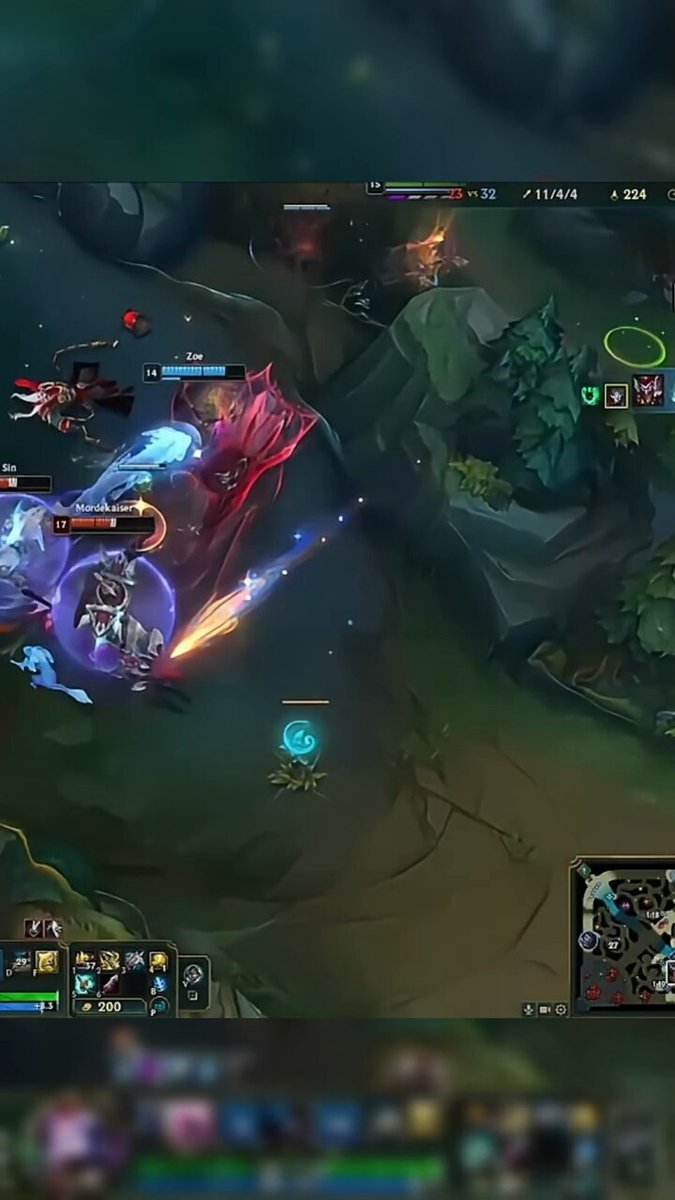
真正反直觉的是背后的机制。动作游戏训练大脑的方式,是根本不给你思考时间。大脑来不及审慎推演。《英雄联盟》会同时把9名英雄、数百个小兵、几十种技能、法力值、冷却时间和地图状态一股脑丢给你,而且一切都在毫秒级更新。于是大脑学会的不是更慢地思考,而是更快地感知。而这种感知速度,会迁移到任何同样需要这项能力的事情上。

包括外科手术。

2007年 Rosser 发表在 Archives of Surgery 上的研究发现,每周玩电子游戏超过3小时的腹腔镜外科医生,犯错率低了37%,手术完成速度快了27%,整体表现评分高了42%。游戏玩家中排名前三分之一的那批人,犯错率更是低了47%。腹腔镜手术面对的是二维屏幕、失真的深度感知、远程操控的器械,以及多个实时更新的数据流。它的认知特征,几乎和动作电子游戏一模一样。

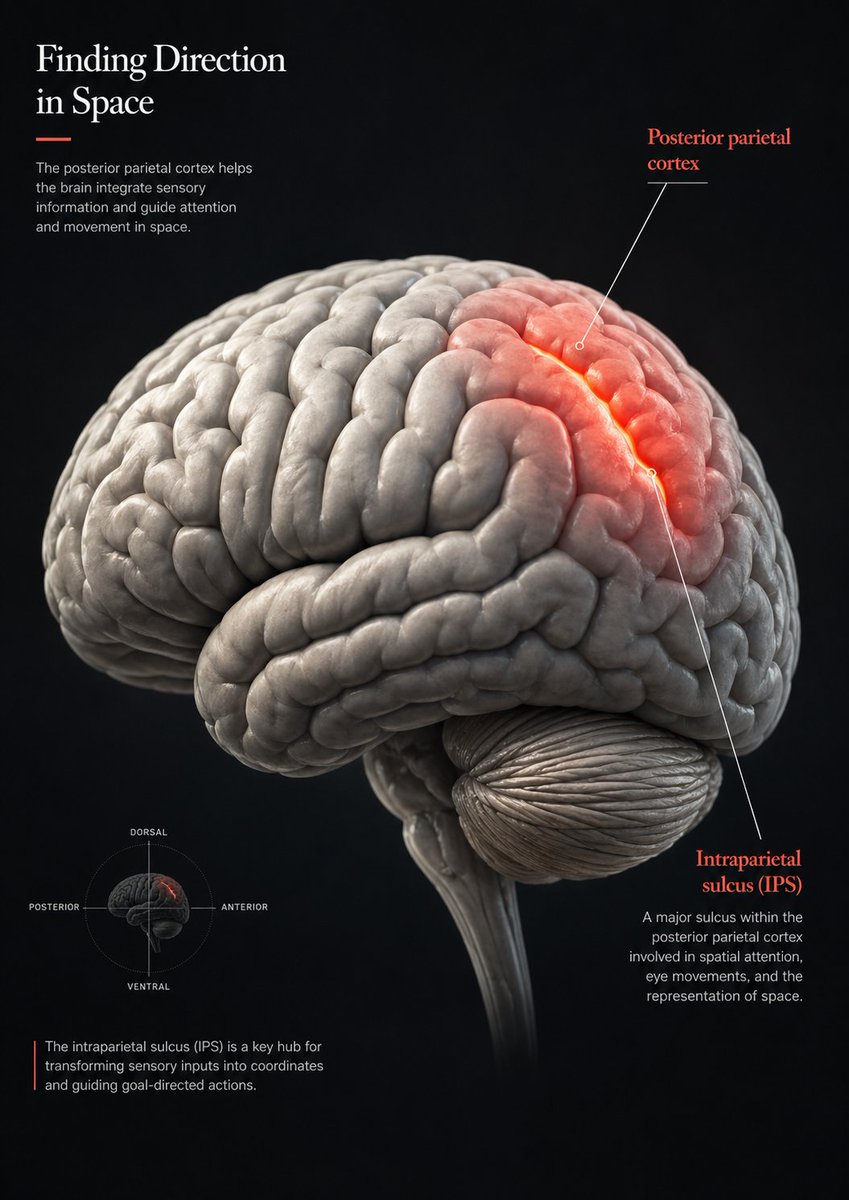
真正该改变人们讨论方式的,是这种效果能持续10周这一点。如果这些提升只是因为学生在反复练那个游戏,那么他们一停下,效果就该立刻消失。但事实并非如此。30周的训练重塑了他们的感知系统,而且这种重塑保留了下来。

Video: https://video.twimg.com/amplify_video/2049397283217920000/vid/avc1/720x1280/WSlyV0Y9W642WnGj.mp4?tag=14

68 college students played video games an hour a day for 30 weeks. They got measurably smarter. EEG brain scans confirmed it.

68名大学生每天玩1小时电子游戏,持续30周。结果他们在可测量层面上变得更聪明了。脑电图扫描也证实了这一点。

The setup was simple. Half the group played League of Legends, an action game. The other half played Legends of the Three Kingdoms, a strategy card game. Same hours, same schedule, no gaming experience for anyone going in. Both groups improved on attention, working memory, and executive function. The League group's gains were significantly larger in spatial attention and spatial working memory. The benefits were still measurable 10 weeks after the gaming stopped.

实验设计很简单。一半学生玩《英雄联盟》,这是一款动作游戏。另一半玩《三国杀》,这是一款策略卡牌游戏。两组的时长一样,日程一样,而且所有人在开始前都没有游戏经验。两组人在注意力、工作记忆和执行功能上都有提升。《英雄联盟》那组在空间注意力和空间工作记忆上的进步明显更大。即使停止游戏10周后,这些收益仍然可以测量出来。

None of this is new.

这些其实都不算新发现。

Daphne Bavelier's lab at the University of Geneva has been replicating this finding since the early 2000s. Her 2018 meta-analysis in Psychological Bulletin pulled data from 8,970 participants across 15 years and found the same thing. Action games train attentional control, a brain skill that transfers to other tasks. Strategy games train deliberation, which mostly stays inside the strategy game.

日内瓦大学 Daphne Bavelier 的实验室从21世纪初开始,就一直在重复验证这个结论。她在2018年发表在 Psychological Bulletin 上的元分析整合了15年间、共8970名参与者的数据,结论还是一样。动作游戏会训练注意力控制,这是一种能够迁移到其他任务中的大脑能力。策略游戏训练的是审慎思考,而这种能力大多只停留在策略游戏内部。

The mechanism is the counterintuitive part. Action games train your brain by giving you no time to think. The brain can't deliberate. League of Legends throws 9 champions, hundreds of minions, dozens of abilities, mana, cooldowns, and map state at you, all updating in milliseconds. The brain learns to perceive faster instead. That perceptual speed transfers to anything else that demands the same skill.

真正反直觉的是背后的机制。动作游戏训练大脑的方式,是根本不给你思考时间。大脑来不及审慎推演。《英雄联盟》会同时把9名英雄、数百个小兵、几十种技能、法力值、冷却时间和地图状态一股脑丢给你,而且一切都在毫秒级更新。于是大脑学会的不是更慢地思考,而是更快地感知。而这种感知速度,会迁移到任何同样需要这项能力的事情上。

Including surgery.

包括外科手术。

The 2007 Rosser study in Archives of Surgery found that laparoscopic surgeons who played video games more than 3 hours a week made 37% fewer errors, completed procedures 27% faster, and scored 42% higher on overall performance. The top third of gamers made 47% fewer errors. Laparoscopic surgery is a 2D screen with distorted depth perception, remote-controlled instruments, and multiple data streams updating in real time. The cognitive profile is almost identical to an action video game.

2007年 Rosser 发表在 Archives of Surgery 上的研究发现,每周玩电子游戏超过3小时的腹腔镜外科医生,犯错率低了37%,手术完成速度快了27%,整体表现评分高了42%。游戏玩家中排名前三分之一的那批人,犯错率更是低了47%。腹腔镜手术面对的是二维屏幕、失真的深度感知、远程操控的器械,以及多个实时更新的数据流。它的认知特征,几乎和动作电子游戏一模一样。

The 10-week persistence is the part that should change how this gets discussed. If the gains were just from practicing the game, they would have disappeared the moment the students stopped playing. They didn't. The 30 weeks rewired the perceptual system, and the rewiring stayed.
真正该改变人们讨论方式的,是这种效果能持续10周这一点。如果这些提升只是因为学生在反复练那个游戏,那么他们一停下,效果就该立刻消失。但事实并非如此。30周的训练重塑了他们的感知系统,而且这种重塑保留了下来。

Video: https://video.twimg.com/amplify_video/2049397283217920000/vid/avc1/720x1280/WSlyV0Y9W642WnGj.mp4?tag=14
Video: https://video.twimg.com/amplify_video/2049397283217920000/vid/avc1/720x1280/WSlyV0Y9W642WnGj.mp4?tag=14

68 college students played video games an hour a day for 30 weeks. They got measurably smarter. EEG brain scans confirmed it.

The setup was simple. Half the group played League of Legends, an action game. The other half played Legends of the Three Kingdoms, a strategy card game. Same hours, same schedule, no gaming experience for anyone going in. Both groups improved on attention, working memory, and executive function. The League group's gains were significantly larger in spatial attention and spatial working memory. The benefits were still measurable 10 weeks after the gaming stopped.

None of this is new.

Daphne Bavelier's lab at the University of Geneva has been replicating this finding since the early 2000s. Her 2018 meta-analysis in Psychological Bulletin pulled data from 8,970 participants across 15 years and found the same thing. Action games train attentional control, a brain skill that transfers to other tasks. Strategy games train deliberation, which mostly stays inside the strategy game.

The mechanism is the counterintuitive part. Action games train your brain by giving you no time to think. The brain can't deliberate. League of Legends throws 9 champions, hundreds of minions, dozens of abilities, mana, cooldowns, and map state at you, all updating in milliseconds. The brain learns to perceive faster instead. That perceptual speed transfers to anything else that demands the same skill.

Including surgery.

The 2007 Rosser study in Archives of Surgery found that laparoscopic surgeons who played video games more than 3 hours a week made 37% fewer errors, completed procedures 27% faster, and scored 42% higher on overall performance. The top third of gamers made 47% fewer errors. Laparoscopic surgery is a 2D screen with distorted depth perception, remote-controlled instruments, and multiple data streams updating in real time. The cognitive profile is almost identical to an action video game.

The 10-week persistence is the part that should change how this gets discussed. If the gains were just from practicing the game, they would have disappeared the moment the students stopped playing. They didn't. The 30 weeks rewired the perceptual system, and the rewiring stayed.

Video: https://video.twimg.com/amplify_video/2049397283217920000/vid/avc1/720x1280/WSlyV0Y9W642WnGj.mp4?tag=14

📋 讨论归档

讨论进行中…